
Ever curious why a director’s style pops in each scene? Even a small shift in the shot’s angle or a brief hint to an actor can change the whole frame. This guide lays out a simple checklist covering the director’s vision, how scenes are arranged, and pacing to show you when a film truly stands out, or falls short. With hands-on tips to boost your movie reviews, you’ll learn to spot fresh details that bring films to life.
Core Criteria for Assessing Film Direction
A clear checklist is key for critics and students. It helps them notice every detail in a film frame. A step-by-step method breaks the film into parts like the story, visuals, acting, and technical style. For example, looking at shot choices can uncover hidden storytelling details.
Organizing these points means every element gets its due, from tiny cues in framing to how clearly the story flows. This method builds solid arguments by mixing notes on technique with visual insights.
- Narrative clarity
- Directorial vision
- Shot composition
- Actor guidance
- Pacing
- Technical execution
- Overall cohesion
Using this checklist makes film reviews complete. With these key points, critics can easily spot where a director shines or falls short. This method not only keeps the review focused but also backs up conclusions with real details from the film.
Analyzing Directorial Vision and Signature Style

Film direction is not just a collection of shots. It is a director's unique mark that shows up in every scene. For example, a 1983 comedy filmed in 35mm over 116 minutes used a natural instinct to create a playful tone. This approach means looking for steady moods, repeated ideas, and that clear style a director leaves in every scene.
Evaluating Auteur Signatures
A director's style can be spotted by noticing repeating visual details. Look for:
- Designs or symbols that appear in different parts of the film.
- Themes shown through repeated set pieces or choices in color.
- Visual patterns that give the film its own character.
These hints show how a director uses unique images to tell a story, whether it's a subtle detail in the background or a bold, striking shot.
Interpreting Creative Vision
Creative vision means checking if the director's ideas come through in the final film. See if the mood and pace match the expected feel and if the setting supports the story naturally. Watch how characters deliver their lines and how scenes flow together. These details reveal whether the director's vision drives both the emotion and the look of the film.
Evaluating Visual Storytelling and Scene Composition
Visual storytelling is about letting images do the talking. Directors choose every small detail on screen to build the film's world. They decide what to show, how to frame it, and which camera moves help set the mood. For instance, a close-up can capture a quick smile, drawing you into the moment without extra words.
| Shot Type | Purpose | Example |
|---|---|---|
| Establishing Shot | Sets location and mood | City skyline |
| Medium Shot | Shows character and context | Two-person dialogue |
| Close-Up | Highlights emotion | Actor’s reaction |
| Over-the-Shoulder | Shows perspective and interaction | Conversation framing |
| Low Angle | Conveys power | Antagonist shot |
| Tracking Shot | Follows action | Chase sequence |
Directors also use visual symbols to hint at deeper themes or character traits. A low angle might make someone look strong or dangerous, while a tracking shot can build tension during a key moment. Examining how each shot is set up – from the clear look of an establishing shot to the intimacy of a close-up – helps us understand the director's intent. These camera choices work like a silent narrator, making the visuals as engaging as the dialogue.
-Jane Doe , Film Critic. Focuses on storytelling and visual style.
Assessing Actor Direction and Narrative Technique
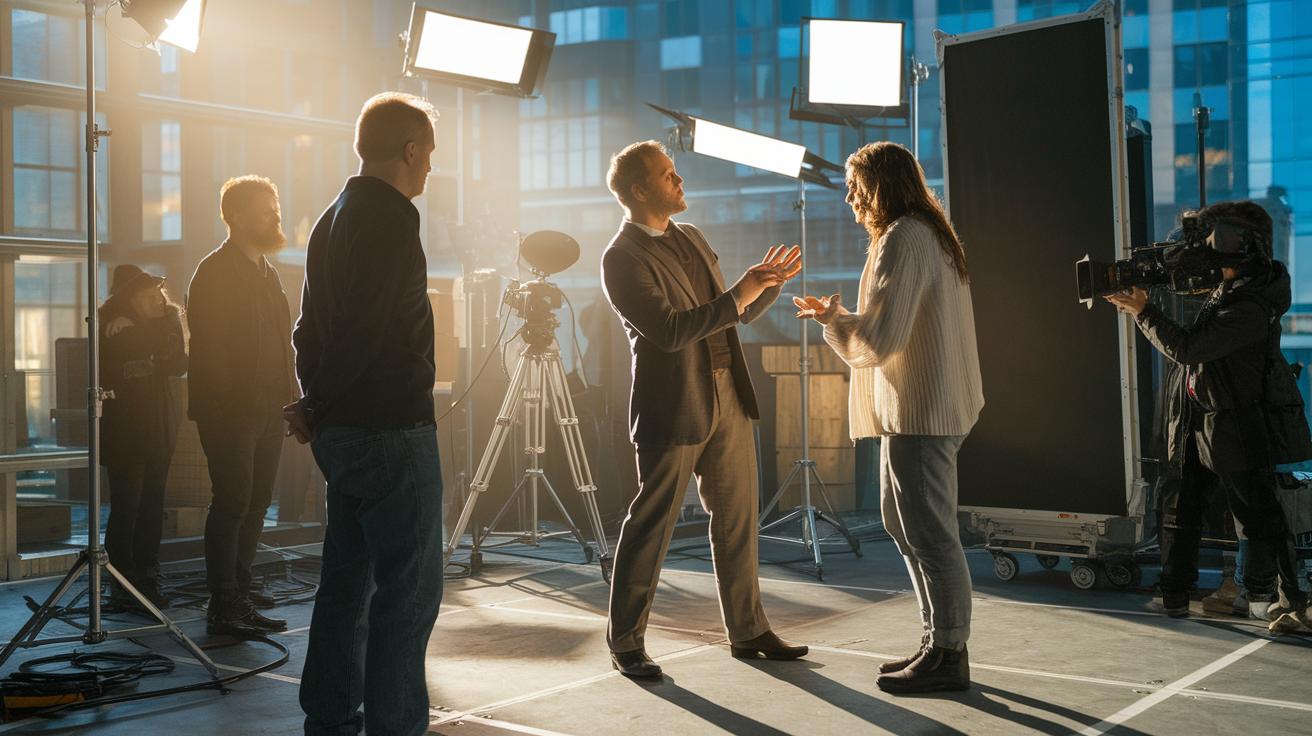
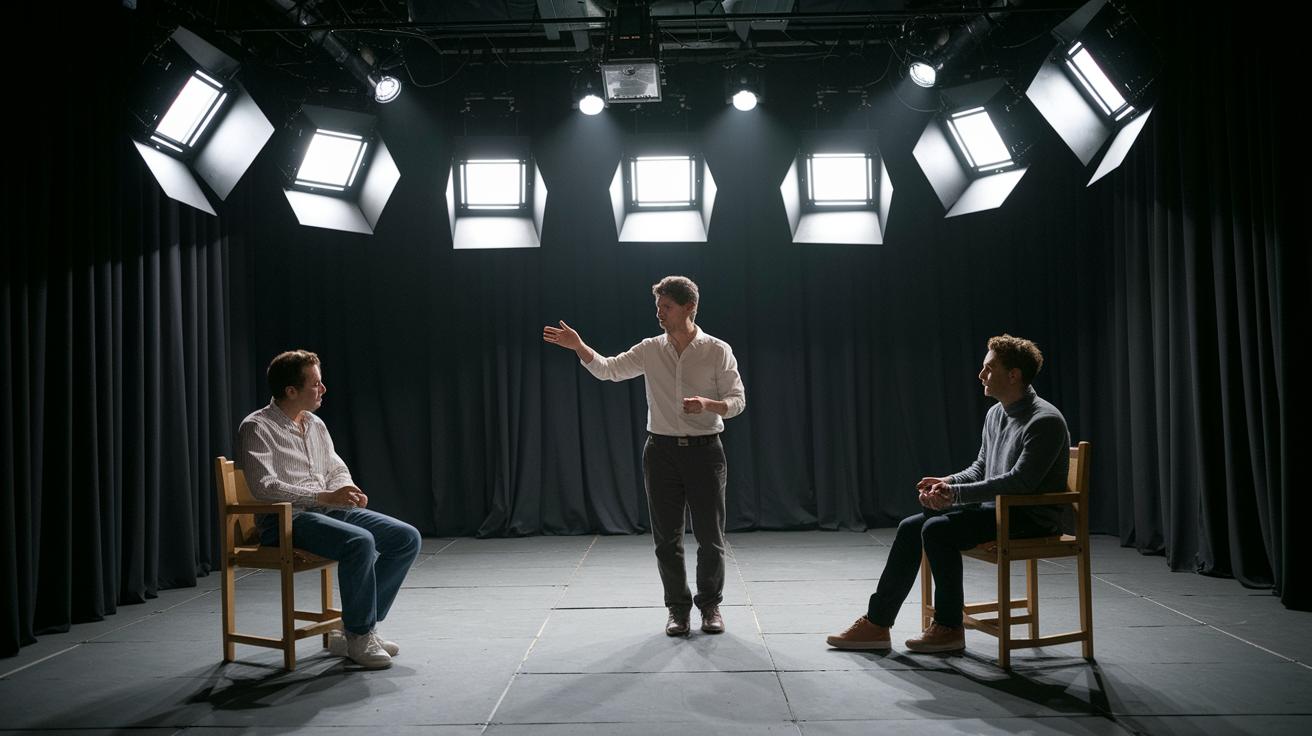
Directors guide actor performances by choosing clear blocking and rehearsal methods. They decide where actors stand and how they move so that key feelings and interactions come through. For example, a director may deliberately place two characters during a talk scene to build tension, making sure every step supports the story.
The pace of dialogue is important for showing who the characters are. By listening to feedback from interviews such as "10 Film Questions," directors adjust how quickly or slowly lines are delivered. This careful timing helps keep performances even and scenes flowing smoothly.
By fine-tuning tone through thoughtful rehearsals and blocking, directors create a steady narrative arc. They help actors show small shifts in mood, which keeps character growth consistent throughout the film. This method makes each scene build on the last, drawing in the audience and staying true to the director’s clear vision for each journey.
Reviewing Technical Execution in Film Direction
A director's technical choices are a big deal for storytelling. When you watch a film, take a closer look at the equipment and how it's used. The camera, lights, cuts, and sound all work together to create the film’s mood.
Camera Movement and Framing
Notice how the camera moves, whether it pans, tilts, or uses a handheld shot. A smooth gliding shot can feel calm, while a shaky, handheld moment might bring tension or intimacy to a scene. Good tools like a gimbal keep the shot steady, be it a DJI RS 5 or other stabilizers, and they often make all the difference.
Lighting and Color Grading Impact
Lighting and color set the stage for a film’s emotion. See how the director uses shadows or bright, vibrant colors to stir feelings. The switch from a classic 35mm look to digital can change a scene’s tone entirely. Look for thoughtful details that make the atmosphere stick with you.
Editing Rhythm and Sound Direction
How the film is cut and how the sound fits in shapes its pace. Check if the editing beats keep you engaged and if the sound design feels natural. When every cut and sound beat works together, the film’s story takes on a life of its own.
Assessing film direction: Inspiring Critique Tips
Trading Places (1983 comedy filmed on 35mm) and the funding saga of Reservoir Dogs offer real examples of clear storytelling, strong actor guidance, and solid technical work. They show practical ways to see what makes a film tick. For instance, good narrative clarity shines when you spot a scene where the camera lingers on a soft look that tells more than words could.
Keep these tips in mind:
- Look for a steady visual style with common themes.
- Check that the director’s vision links the story and the on-screen action.
- Notice how actor movements and stage blocking keep dialogue flowing.
- Watch for camera moves, lighting, and editing that support the scene.
- Use these points as a checklist to see how film examples connect with the director’s vision.
Jane Doe – Film Critic. Writes about film craft and compelling storytelling.
Final Words
In the action, this post broke down key areas for assessing film direction. You got a clear checklist covering narrative clarity, directorial vision, shot composition, actor guidance, pacing, technical execution, and overall cohesion. The guide showed how blending visual storytelling with technical observations helps you make sense of a director’s unique style. Applying this approach means you can confidently critique films and spot hidden gems. Enjoy using these insights to elevate your viewing experience and analysis of every frame.
FAQ
Assessing film direction reddit
The question on assessing film direction on Reddit signifies that users share insights on shot composition, pacing, and actor guidance, offering community-driven examples to clarify directorial decisions.
Assessing film direction example
The question on assessing film direction example signifies evaluating a film’s narrative clarity, visual layout, actor guidance, and technical elements as a practical method to benchmark effective directing.
Narrative analysis film example
The question on narrative analysis film example signifies looking at how film elements like plot structure and character arcs merge to form a clear and engaging story.
Film sequence analysis example
The question on film sequence analysis example signifies breaking down scene transitions, shot selection, and timing in individual sequences to reveal the storytelling craft behind fluid narrative progressions.
The ultimate film studies watchlist
The question on the ultimate film studies watchlist signifies a curated set of films known for standout directorial techniques and narrative structure, providing students and critics with prime examples for study.
Movie content analysis example
The question on movie content analysis example signifies reviewing a film’s story, character development, and technical elements to form a structured critique that is both clear and informative.
Matrix film analysis
The question on Matrix film analysis signifies examining the film as a case study in innovative narrative techniques, technical achievements, and groundbreaking visual effects that highlight strong direction.
How to write a film critique
The question on how to write a film critique signifies blending narrative explanation with technical observation and personal insight to create a clear, balanced review that helps viewers decide whether to watch.
What is the 2.5 rule for movies?
The question on the 2.5 rule for movies signifies a guideline where a film’s runtime multiplied by 2.5 hints at a balance between pacing and content structure, aiding in narrative assessment.
What is the 60/30/10 rule in filmmaking?
The question on the 60/30/10 rule in filmmaking signifies that filmmakers allocate 60% of focus to main narrative elements, 30% to secondary details, and 10% to supporting elements for coherent storytelling.
What are the 5 C’s of film?
The question on the 5 C’s of film signifies examining cinematography, continuity, composition, clarity, and creativity as fundamental criteria used to assess film direction and overall execution.
How to study direction of films?
The question on how to study direction of films signifies taking a structured approach that reviews narrative flow, shot composition, technical execution, and actor guidance, forming a comprehensive analysis of directorial work.