
Movies have a way of speaking without words. They use images and sounds to spark our feelings in subtle ways. This guide looks at each shot like a sentence that builds the movie’s mood. It shows how camera angles, cuts, and timing give a film its own voice. When you start to notice these details, even a simple scene turns into a lively conversation.
Mastering Film Literacy: An Introduction to Cinematic Language
Film literacy sees movies as a language that tells stories through images and rhythm. Each shot works like a sentence, and every scene flows together like paragraphs in a book. This way of looking at film helps you notice details like camera placement and the pace of editing. Every frame adds its own bit of meaning, shaping your overall experience.
Movies use visual style to turn scenes into a conversation. Wide, sweeping shots and tight close-ups all add to the film’s message. Directors point out symbols and use pacing to guide the story. These visual clues fit together like pieces in a puzzle, helping you follow the narrative just as words build paragraphs in a story.
Watching a film means noticing how pictures, sounds, and timing work as one. Each angle and cut steers your feelings and focus. When these elements come together, they deepen your understanding of the story. In this way, the tools of film literacy guide everyone, a helpful resource for viewers both new and seasoned. (For more details, check our deep dive into narrative and technical craft.)
Both fresh eyes and long-time fans get something from paying attention to visual clues. The hints we see on screen spark creativity and help us understand the film better. Paying attention to these visual cues is key for any movie lover.
Exploring Visual Composition in Film Literacy: Frames, Angles, and Perspective

Filmmakers use different camera shots to guide our eyes. They choose an establishing shot to set the scene, while medium, close-up, and point-of-view shots pull us into the details. Each shot is carefully lined up to build a certain mood.
Directors change the feel of a scene with these angles. A low-angle shot can make a character seem strong, while a high-angle shot might make them look vulnerable. This smart use of the lens helps us feel more connected to the story.
Modern tools like steadicams, fly-cams, and remote head cameras let filmmakers capture smooth, dynamic moves and unexpected views. Looking closely at these choices reveals hidden visual hints about the director’s intent. By studying each shot beyond its surface, filmmakers create a rich, layered experience.
Shaping Narrative Rhythm in Film Literacy: Editing and Montage Mechanics
Editing is key for controlling a film's pace and guiding how viewers feel. Directors mix techniques to build tension and keep audiences engaged. For example, in Parasite, rapid cuts mix with slower scenes to create a lively flow.
Montage sequences help tell a story quickly by compressing time and layering details. In The Godfather, the Baptism Murders sequence uses quick cuts alongside lingering shots to ramp up suspense. This approach makes every visual beat count and builds the overall mood.
Smooth transitions are vital for keeping the movie’s rhythm steady. Directors plan these shifts using guides that mark the right moment to change scenes. This careful planning balances high-energy action with quiet moments, making the viewing experience seamless. When all editing techniques work together, every cut adds meaning and holds your attention from the first scene to the last.
Sonic Storytelling in Film Literacy: Soundscapes, Music, and Dialogue Dynamics
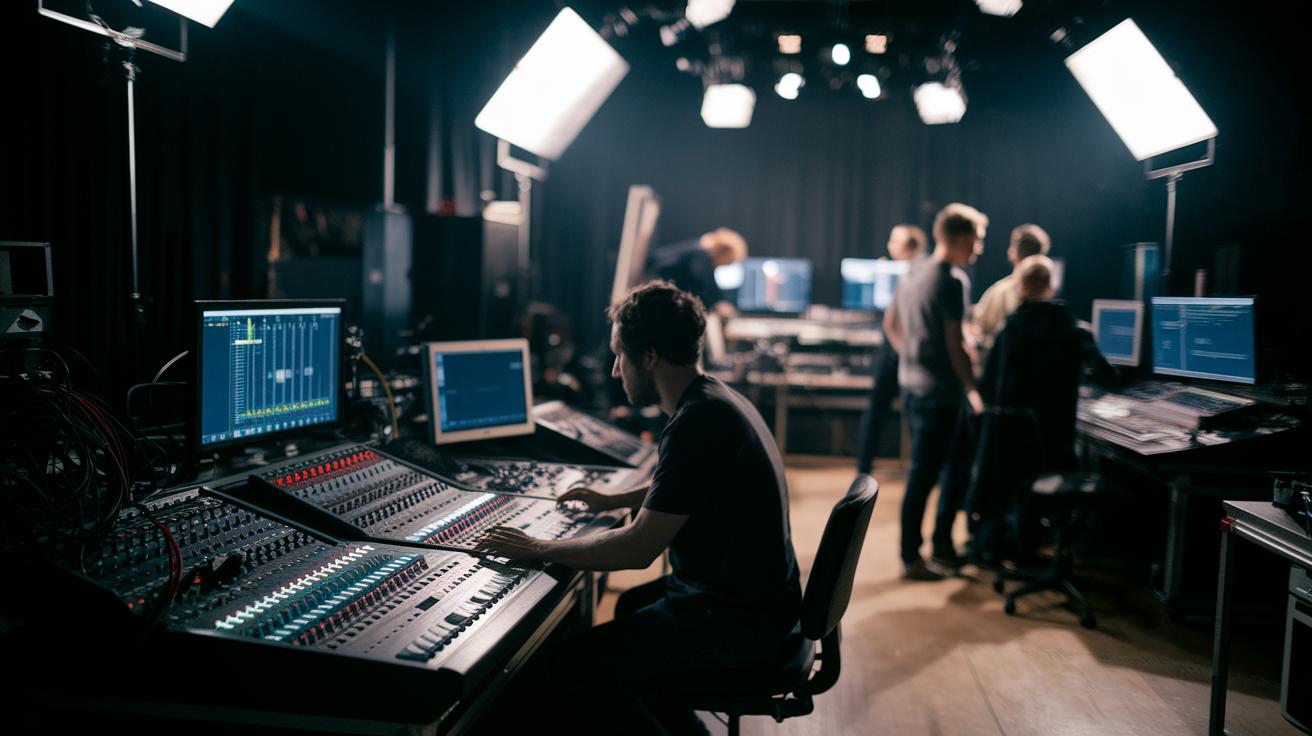
Sound is a key part of how we feel during a film. Directors mix natural noise with tiny sound effects to build an overall audio scene (soundscape: the background sounds in a film) that boosts the visuals. Every quiet whisper, creak, or murmur is picked carefully to match the film’s mood while keeping dialogue clear.
Music works hand in hand with sounds to pull you deeper into the story. A well-timed musical cue (background music note) can gently shift the mood and hint at themes without stealing the show. Smooth sound changes during scene shifts ensure voices, music, and background noise all blend well. This careful balance keeps the story clear and focused. Every sound detail matters, making audio essential to a film’s storytelling.
Crafting Atmosphere in Film Literacy: Lighting, Color Grading, and Set Dynamics
Lighting is more than a simple tool, it sets the mood and defines characters. In movies, using light to create contrasts helps show deep feelings and ups the visual impact. A dim room can build mystery or suspense, making you feel the tension without a word.
Colors also play a big role. A well-chosen color palette guides the story’s tone and can subtly shift emotions. Warm colors might bring a sense of comfort, while cool shades often feel lonely. Directors use these color choices on purpose to turn ordinary scenes into lively pictures. When different color layers work together, they make the story even stronger.
Set design gives the film its own world. Every prop and backdrop is picked carefully to support the story, blending modern style with classic touches to build a believable universe. Many period films lean on these details to recreate past eras perfectly, showing off classic lighting and color tricks.
In the end, focusing on lighting, color, and set design builds an atmosphere that speaks louder than words. Every careful choice in lighting and color echoes through each scene, linking every element into one immersive experience.
Symbolism in Film Literacy: Decoding Thematic Layers Between Frames
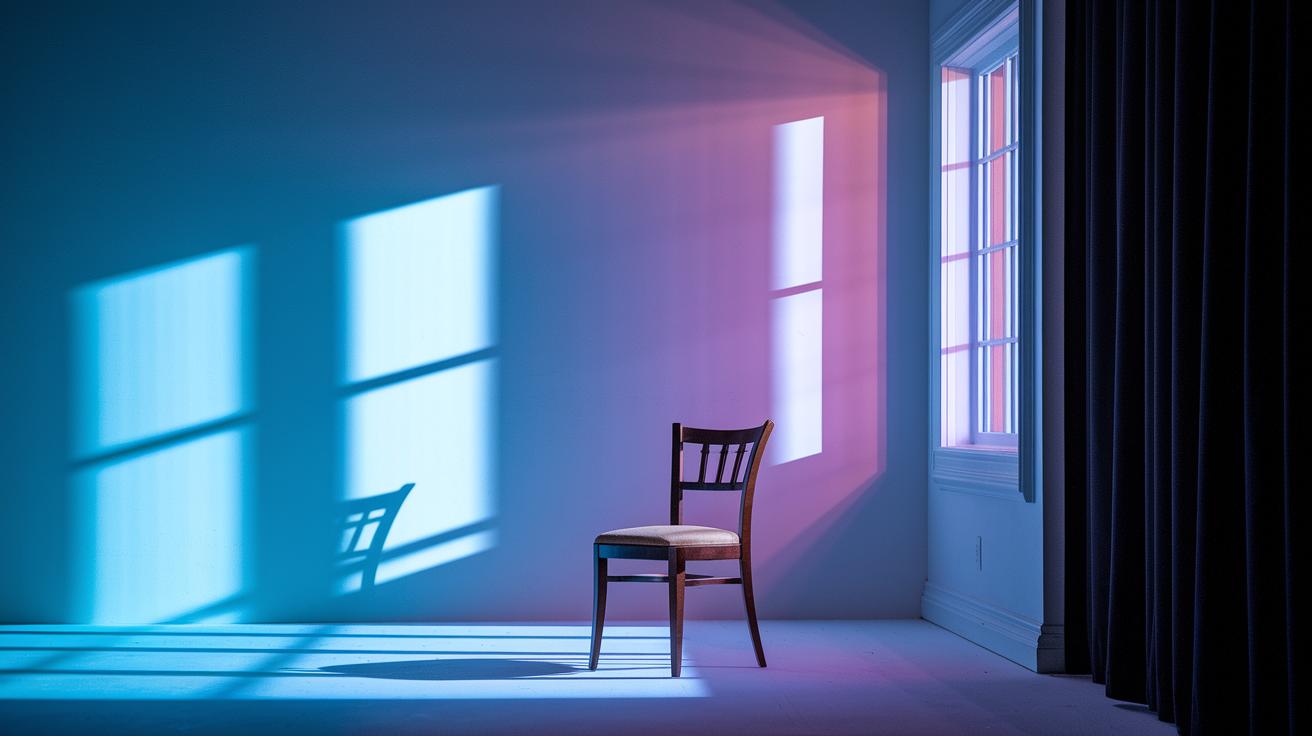
Filmmakers often hide extra meaning in what you see. A simple object or background detail can show a character’s hidden struggles or hint at a deeper conflict. Each scene feels like a mini puzzle, inviting you to notice recurring symbols. By watching closely, you pick up on small color shifts or props that act as clues to the story.
Directors even use shadows or reflections as signs of inner conflict. This turns a film into a visual conversation where every element has a purpose. At times, familiar images connect different movies and genres, creating a rich dialogue that stays with you after the film ends.
Case Studies in Film Literacy: Iconic Scenes and Cinematic Language
Filmmakers use unique visual styles to make their mark on every scene. In Parasite, the opening montage uses quick cuts and careful framing to show class differences right from the start. This single sweeping sequence reveals layers of social tension much like chapters in a visual story.
In Vertigo, Hitchcock uses point-of-view shots to pull you into his characters' troubled minds. These angles build tension and mystery while giving clear visual clues about shifting emotions. Each shot is a small hint meant to guide the viewer through the film's inner world.
In The Godfather, the Baptism Murders scene mixes shocking violence with calm, religious images. This matching of brutal acts and serene settings highlights the film's themes and deepens its impact, showing how carefully edited sequences can tell a powerful story.
| Film Title | Technique | Narrative Impact |
|---|---|---|
| Parasite | Opening montage | Sets tone with visual social commentary |
| Vertigo | Point-of-view shots | Pulls the viewer into the characters’ inner worlds |
| The Godfather | Baptism Murders sequence | Blends violence with symbolic imagery |
These examples show how smart visual choices can tell a story without words, making each film a deep study in cinematic language.
Final Words
In the action, the article punches through film literacy by exploring visual composition, editing, soundscapes, lighting, and symbolism. It shows how each element builds a film’s heartbeat and powers narrative flow.
The blog post dives into key techniques used in memorable scenes, helping readers see films as a crafted language rich with meaning. Embrace this film literacy handbook: understanding cinematic language, and let these insights boost your next movie night.
FAQ
What is the Film Literacy Handbook Understanding Cinematic Language PDF?
The Film Literacy Handbook Understanding Cinematic Language PDF explains key elements of film style, breaking down visual storytelling and temporal sequencing for a clearer grasp of cinematic language.
How do I access a free version of the film literacy handbook?
The free version of the film literacy handbook is available online via university libraries or educational platforms that share open resources on film analysis and cinematic techniques.
Can I find Moving Pictures: An Introduction to Cinema in PDF format?
Moving Pictures: An Introduction to Cinema is offered as a PDF resource that guides beginners through film storytelling fundamentals and explores cinematic language through structured examples.
What film analysis book PDFs and open educational resources are available?
Film analysis book PDFs and open educational resources include textbooks and guides that detail narrative techniques, visual composition, and film studies methods to help readers understand and critique cinema.
Where can I find Film Studies PDFs and other OER film studies materials?
Film Studies PDFs and OER film studies materials are accessible on academic and educational websites, offering structured insights into cinematic language, narrative flow, and technical craft for curious cinephiles.