
Ever wonder why some film festivals just click while others fall flat? It’s all about clear themes and smart planning. Organizers look at each film’s story, its unique vibe, and how well it fits into the festival’s overall mood. Think of it like assembling a puzzle where every piece counts. Taking cues from festivals like Sundance and Cannes, careful scheduling and creative choices can turn a simple list of films into a memorable, engaging experience.
Lineup Dynamics Breakdown: Structural Overview of Film Festival Programming
Film festival lineups begin with a clear idea that guides every choice. Organizers and filmmakers set a theme early on so that every film fits into a balanced story. This clear purpose shapes decisions right from the research stage.
Online tools like FilmFreeway help manage hundreds of entries easily. Films are then rated on storytelling, originality, technical skills, and how well they match the theme. This scoring process makes sure that choices appeal to both creative taste and practical needs.
Famous festivals like Sundance, Cannes, and SXSW show how a lineup is built around a strong theme and audience appeal. They mix big-name premieres with hidden gems. For example, organizers might compare a film’s blockbuster potential with its unique story, adjusting the schedule so each film gets its moment to shine.
Scheduling is key, too. Extra 15- to 20-minute breaks between screenings allow for Q&A sessions and smooth audience transitions. This smart planning not only improves the viewer experience but also highlights solid decision-making.
For more details on festival planning structure, check out "Upcoming Festival Lineup Analysis" on ReviewStrends. This approach brings creative vision and practical planning together in today’s evolving festival scene.
Event Curation Analysis in Film Festival Lineup Dynamics
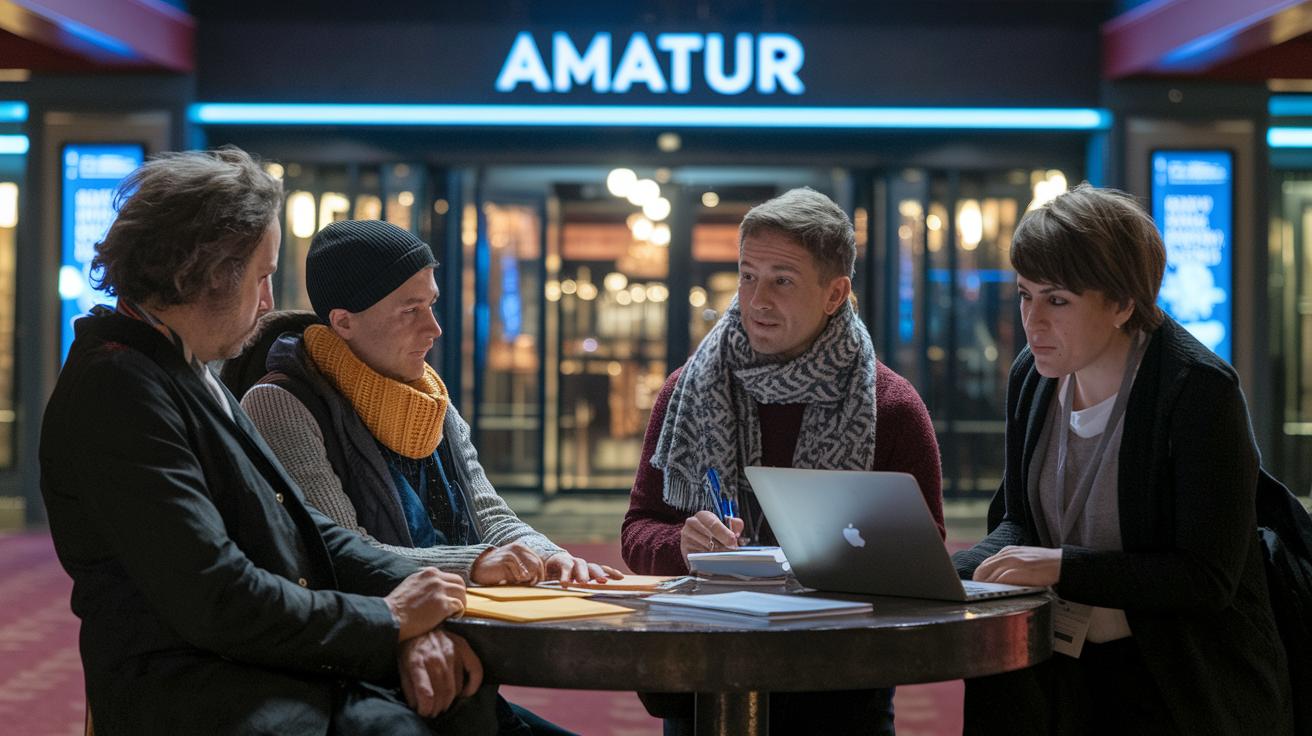
Festival curators mix creative vision with smart planning. They look at films in different ways to match the event’s main theme and what the audience expects. They plan a mix of premieres, classic screenings, and online showcases to build an engaging schedule. Some festivals run at a single small venue over a weekend, while others spread across a city and attract a wide range of viewers.
There are four main curation models. The International Arthouse approach focuses on standout global films by renowned directors, perfect for film lovers. Genre-Specific Blocks bring together films from one style for fans who want to dive deep. Local Indie Spotlight highlights regional independent films, offering fresh stories and voices. Retrospective Series honors classic pieces and film history through archival screenings.
Each model finds its own way to balance different types of content and genres. Organizers choose the mix that best fits the festival’s size and audience. See the table below for a quick summary of these approaches:
| Curation Model | Description | Example Festival |
|---|---|---|
| International Arthouse | Features global films by renowned directors | Cannes |
| Genre-Specific Blocks | Focuses on films of one style or genre | Toronto After Dark |
| Local Indie Spotlight | Showcases independent films from the region | SXSW |
| Retrospective Series | Highlights classic and archival screenings | BFI London |
Scheduling Strategy Overview in Film Festival Lineup Dynamics
Film festivals rely on smart scheduling to keep the event running smoothly. Organizers plan screening blocks that flow from one to the next with ease. They include a 15-minute break between movies to account for any small delays or quick room switches. For popular films, a 30-minute Q&A after the screening gives viewers a chance to engage with the creative team without interrupting the flow.
Festivals group movies by genre so that audiences can easily move from one film to another that fits their taste. Prime evening slots are reserved for marquee films expected to draw large crowds, boosting ticket sales and adding a special feel to each screening. Mobile alerts keep everyone in the loop with real-time updates on any last-minute changes.
- 15-minute breaks between screenings
- 30-minute post-film Q&As for major features
- Group films by genre for easier transitions
- Prime evening slots for high-demand films
- Mobile alerts for real-time schedule updates
Artistic Selection Criteria in Film Festival Lineup Dynamics
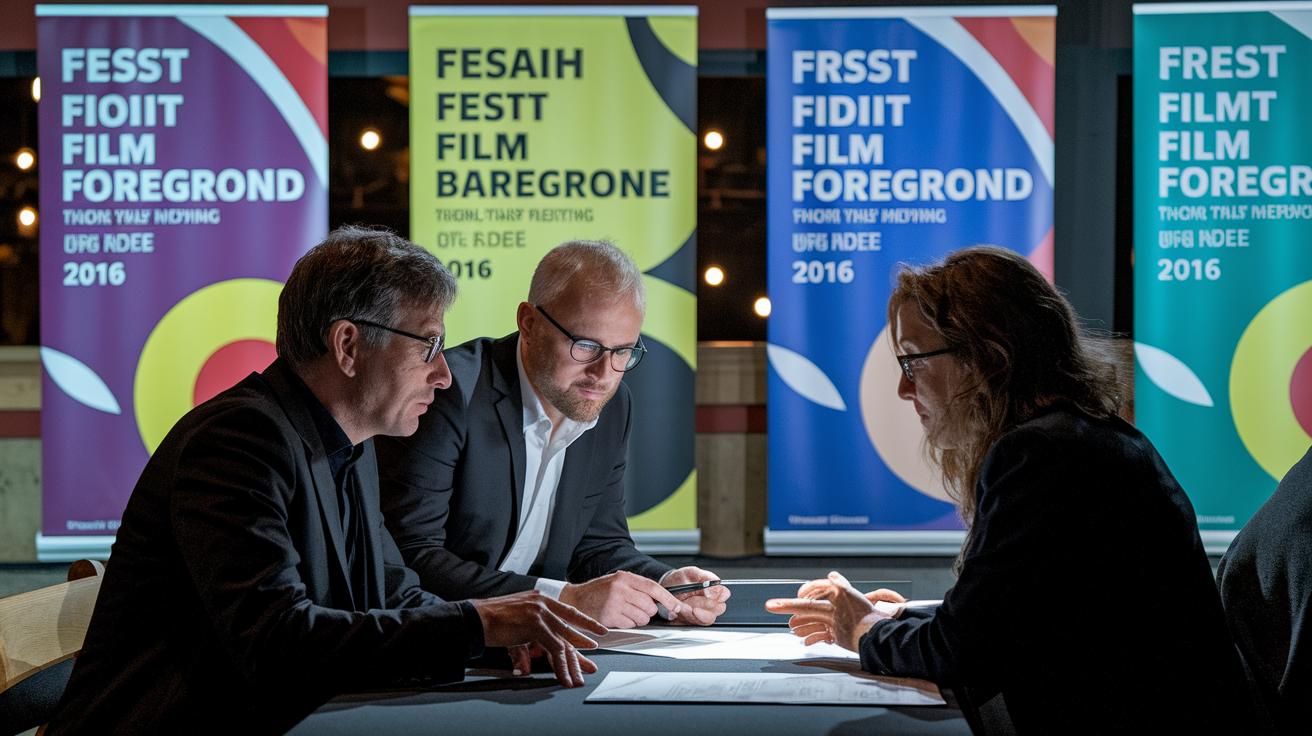
Filmmakers and organizers use simple score systems so every film gets a fair look. They rate movies on a 1 to 10 scale by judging storytelling, fresh ideas, technical skills, and how well the film fits the festival’s theme. This clear number system makes judging straightforward. Each movie is measured against these points to see if it matches the festival’s vision.
A diverse panel of industry pros works together to cut down on bias. Multiple voices balance the final call, with everyone sharing their take to keep a single taste from taking over. Plus, a separate award jury gives films extra scrutiny for special honors. For more on how these panels work, see Behind the Scenes at Film Festivals.
Transparent rules about film eligibility and submission deadlines are key to this process. The guidelines tell filmmakers what to expect before they submit their work. Organizers make these standards public so every entry knows the game rules. Fair scoring mixed with open discussions helps build a lineup that meets both creative dreams and audience tastes. This careful approach not only respects filmmaking but also makes the festival an engaging and dynamic event for everyone.
Genre Categorization Trends in Film Festival Lineup Dynamics
Film festivals are shifting how they group movies to better match what audiences want. Organizers now set aside special slots for documentaries and VR experiences (virtual reality shows) as new technology changes storytelling. They no longer stick to old categories; instead, they add mixes like docu-fiction and interactive displays to give viewers fresh ways to enjoy film.
These new grouping trends help festivals appeal to different crowd segments. For example, Cannes Doc Corner carefully curates non-fiction films, and SXSW Immersive experiments with interactive and VR formats that attract tech-friendly viewers. This focused approach not only boosts attendance but also makes the film-going experience richer.
Filmmakers benefit from this trend too. When festivals group films by specific interests, creators can pitch projects that connect with the right audience. By keeping up with these changes, festivals continue to welcome diverse crowds eager for new storytelling experiences.
Historical Selection Evolution of Film Festival Lineup Dynamics
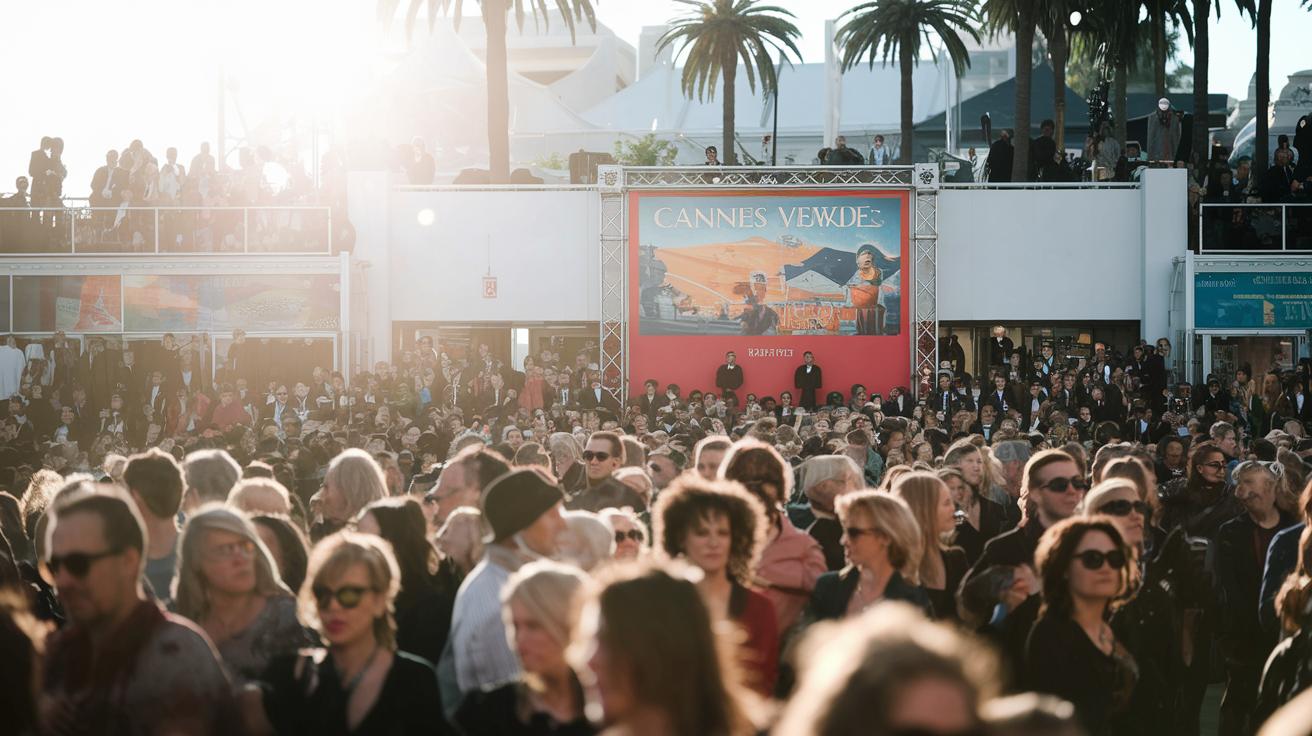
Over the years, film festival lineups have changed a lot, mirroring shifts in culture and tech. Back in 1946, Cannes stuck to one spot where people watched films that were usually classic and formal. As the film industry grew, more festivals popped up. Then in 1978, Sundance began as a home for indie films, giving fresh directors a stage to tell their personal stories.
Soon, smaller and niche festivals started to make their mark. Organizers began focusing on local talent and new creative ideas instead of only the big names. This change led to diverse lineups that suited different groups of film lovers. Many filmmakers enjoyed these events for their focused exposure and strong networking chances.
Lately, festivals have shifted again. After 2020, many events turned hybrid or went fully digital. They now offer online screenings along with virtual meet-ups. This change even affected the planning, with early bird and late submission deadlines shaping the schedule. Some festivals now hold screenings in several places across a city, blending real-life events with digital options so fans around the world can join in. This long journey shows that film festivals are always finding new ways to balance tradition with innovation to match changing audience habits and new tech trends.
Emerging Talent and Trend Metric Forecasting in Film Festival Lineup Dynamics
Film festivals are putting the spotlight on new voices by giving first-time directors key opening or closing spots. This approach not only brings fresh talent into view but also sets the energy for the event. Organizers now use detailed data dashboards to see which films might click with audiences. By watching social media buzz and early viewer reactions, they can pick films with strong potential.
Audiences get to join in too. Voting apps let moviegoers help decide the Audience Choice Awards, offering quick feedback that shapes future programming. This direct input helps festivals zero in on under-the-radar films that deserve more attention.
Networking mixers add another fun layer to the festival experience. These meet-ups, held around screenings, give filmmakers a chance to connect with industry insiders, sponsors, and other creatives. They build community and often spark new artistic partnerships.
Sponsorship deals are also playing a major role. Brands back events that highlight promising new directors, which can lead to special showcases or awards. By blending hard data with real audience feedback, festivals create a lively scene where fresh talent is discovered and groomed for tomorrow’s big trends.
Final Words
In the action, this post broke down film festival lineup dynamics, from how decision‐making processes and selection committees score films to how organizers set up scheduling buffers and genre slots. We traced event curation analysis and explored the balanced mix of premieres, retrospectives, and digital showcases. The discussion detailed everything from artistic selection criteria to historical shifts and emerging talent trends. Each section paints a clear view of the intricate process behind film lineups. The whole breakdown leaves us excited and ready to appreciate the art of festival programming. Enjoy your next film fest experience!
FAQ
Breakdown of film festival lineup dynamics 2023
The breakdown of film festival lineup dynamics 2023 covers how festivals blend submissions, scheduling strategies, and artistic selection to create a balanced program that meets both audience expectations and curatorial vision.
Breakdown of film festival lineup dynamics 2021
The breakdown of film festival lineup dynamics 2021 explains the evolving process from submission management to screening scheduling, highlighting shifts in artistic criteria and digital adaptation that set the stage for current festival programming.
How to organize a film festival?
Organizing a film festival means setting a clear vision, managing film submissions, forming a selection committee, arranging screening schedules with buffers, and planning audience events like post-screening Q&As to enhance engagement.
What are the 5 major film festivals?
The five major film festivals typically include Sundance, Cannes, SXSW, Toronto, and Berlin. These festivals are known for their robust programming, influential selections, and high-profile industry impact worldwide.
What is the hardest film festival to get into?
The hardest film festival to get into is often Cannes because its selection process is extremely competitive, with rigorous scoring on storytelling, innovation, and technical craft, drawing thousands of entries from globally renowned filmmakers.
What are the rules of a 48 hour film festival?
The rules of a 48-hour film festival require teams to complete filming, editing, and final submission within 48 hours. Contestants must work quickly to produce a finished film that meets set thematic and technical guidelines.