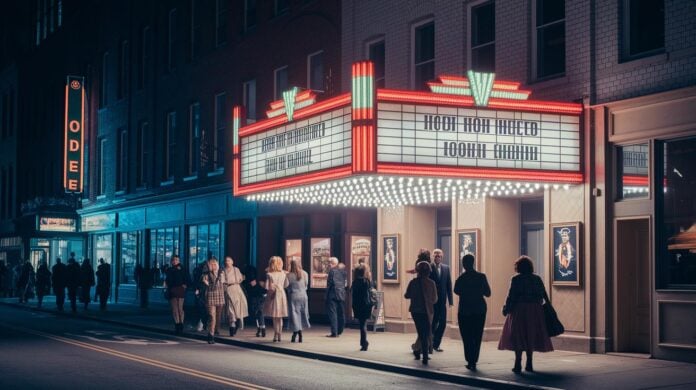

Have you ever noticed how old film reels still cast a spell in our streaming world?
Long ago, families gathered around projectors to watch movies on celluloid, creating memories that lasted a lifetime.
Now, classic footage pops up online for everyone to enjoy.
This post traces the shift from analog screening rooms to digital platforms and shows that treasured film reels can adapt to modern times, lighting up both dark theaters and bright screens.
Retro Film Reels Timeline: From Analog Screening Rooms to Modern Streaming
Before digital video took over, families kept memories alive with film reels. Home movies were shot on 8 mm, Super-8, and 16 mm films at birthdays, weddings, and vacations. These films offered a tangible way to relive warm, cherished moments that still feel special today.
In the late 1980s, digital camcorders changed everything. With the shift from celluloid to tape and digital files, everyday recordings became easier to capture and share. Moments that once needed a roll of film could now be saved and enjoyed without the extra hassle.
| Year | Milestone |
|---|---|
| 1932 | Standard 8 mm film launched for amateurs |
| Mid-1960s | Kodak introduced Super-8 for improved image stability |
| Late 1980s | Digital camcorders moved capture away from celluloid |
| Early 2000s | Streaming platforms began hosting digitized classics |
These milestones show a striking evolution from film reels, once the sole medium of personal storytelling, to the smooth, digital experience we have now. Modern devices invite us to rediscover classic footage, keeping the legacy of those analog treasures alive in a whole new way.
Vintage Cinema Screenings and Traditional Picture Viewing

Film screenings bring enthusiasts together for a real taste of the past. People gather to enjoy the warmth and charm that only an actual film reel can offer. These events recall family moments and shared celebrations, keeping alive a tradition when movies were physical and filled with personality.
Projector-Based Showcases
Movie lovers use 8 mm and 16 mm projectors to revive the magic of classic screening nights. Set your projector at a safe distance from the screen to avoid overheating, and handle each reel with care to prevent tears or warping. Picture a vintage projector casting flickering images on a plain wall. It reminds you of the unique, atmospheric screenings of yesteryear.
Filmstrip Viewers and Magnifiers
If you prefer a closer look, lightboxes and handheld magnifiers let you examine film frames without playing the reel. This method highlights every small detail and preserves the delicate nature of the film. It’s like inspecting an old photograph where each scratch tells a story from a long journey.
Community and Antique Exhibition Events
Local film clubs and museums host antique movie exhibits that bring collectors together. Retro festival nights and community screenings keep this tradition alive by showing classic films in settings that echo their original theatrical charm.
Conserving Classics: Historical Preservation Methods and Standards for Retro Film Reels
Old film reels are very delicate. They can break down if they face too much heat, moisture, or the wrong cleaning chemicals. These films need gentle care and careful handling to keep their original look.
When films are not kept right, they can develop vinegar syndrome (a chemical decay that makes them smell like vinegar) and lose their colors quickly. Using everyday cleaning products or running fragile reels on old projectors can hurt them. Following careful preservation methods is key to keeping them safe for the future.
| Preservation Method | Recommended Standard | Common Mistake |
|---|---|---|
| Storage temperature/humidity | Keep in a cool, dry space | Storing in hot, wet areas |
| Cleaning solutions and techniques | Use special film cleaning chemicals | Using household cleaning products |
| Handling and threading procedures | Handle slowly and carefully | Rushing the process |
| Vault and packaging materials | Use climate-controlled storage and proper packaging | Using unsuitable storage materials |
Sticking to proven archival rules not only protects these priceless films but also keeps our cultural memories alive for future generations. Experts use trusted standards from film restoration guides to care for every frame. This careful work helps guard historical footage against the daily wear of time.
Analog to Digital Conversion: Techniques for Reel Migration and Archive Digitization

Converting old film to digital is a smart way to protect your cherished memories. By transforming these reels, you save historic footage and can easily watch it on modern devices without worrying about film decay.
One easy method is a DIY setup where you project the film in a dark room while using a high-resolution camera to record each frame. This approach is simple and uses equipment you might already have.
Another technique involves attaching your digital camera directly to the projector lens with an adapter kit. This lets you capture the film as it plays, reducing extra steps and keeping the process smooth.
For those who want a more advanced solution, automated film scanners are available. They push the film through a scanner that captures each frame in high detail. While you may need to adjust the film threading or tweak the software from time to time, these scanners consistently deliver great quality.
The digital files are typically saved as MP4 or MOV, making it easy to edit, share, and store your film for the long run.
Restoration and Remastering: Enhancing Retro Film Reels for Modern Viewing
Remastering old films is vital to keeping our cultural history alive. Experts carefully clean and repair each frame to rescue family memories stored on aging film reels. A good cleanup turns a worn, dim image into a scene that still tells its story.
Top labs begin with a gentle cleaning and scanning of every frame. Next, they restore the film’s original colors and sync the audio, making sure everything fits together. A seasoned team that has digitized over 5 million feet of film shows how time-worn reels can become digital treasures for today’s audiences.
The final product is a high-quality archival master in formats like MP4 or MOV. These files capture every detail and offer a refined viewing experience that honors the original legacy while meeting modern standards.
Streaming Vintage Masterpieces: Classic Streaming Access and Platform Comparisons

Watching old films has never been easier. By turning fragile analog reels into digital files, you can enjoy these classics on your TV, computer, or phone. This process not only saves the original films from wear and tear, but also gives you a chance to see beautifully remastered classics without the need for bulky projectors or complex setups.
- Criterion Channel – A curated collection of timeless films paired with thoughtful commentary and themed selections.
- Archive.org – A vast public domain library that offers rare and hard-to-find classics in many formats.
- Classic Cinema Online – A large library of restored films with user-friendly navigation and smooth streaming.
- FilmStrends – A mix of popular remasters and hidden gems from vintage archives, presented in a modern style.
- RetroFlix – A deep catalog of vintage titles with affordable subscriptions and a straightforward streaming experience.
When choosing a platform, think about how many films they have, how clear the picture is, and the value of the subscription. Some sites offer a top-notch experience with a smaller catalog, while others give you a huge collection at a lower cost. This variety means every classic film lover can find a service that fits their taste and budget.
Projecting and Preserving Retro Film Reels: Equipment Care and Exhibition Evolution
Taking care of your screening gear saves your film reels and helps your projector last longer. In this guide, you will learn simple tips to keep vintage equipment in shape and see how classic halls have given way to modern setups.
Essential Projector Maintenance Steps
Always use a mild, film-safe cleaner on delicate parts to remove dust without causing damage. For example, gently clean the lens area with a safe solvent. Change lamp bulbs on a regular schedule to avoid overheating. Keep moving parts oiled and check projector alignment often to protect fragile reels. When making DIY adjustments for direct-to-lens setups, work carefully to keep the projector true to its vintage performance.
Evolving Exhibition Setups
Old screenings were held in community theaters with heavy projectors and dark rooms. Today, fans of retro films can set up home theaters and use creative DIY screening kits that capture the analog feel. These modern methods blend classic projection with today’s ease, letting you enjoy the best of both worlds.
Final Words
In the action, we followed retro film reels from their early analog days to today’s digital streaming experience. We reviewed key film formats, preservation tactics, and the tech that modernizes classic screenings. The post walked through milestones in equipment care, archival methods, and online access, offering clear tips for both enthusiasts and casual viewers.
Retro film reels: from screening to streaming remind us that history lives on in every frame. Embracing both old and new keeps our love for film vibrant and full of promise.
FAQ
How do retro film reels transition from screening rooms to streaming services like Netflix or free platforms?
The retro film reels transition as films move from analog screenings to digital platforms. They appear on services like Netflix or free online libraries, recreating the classic viewing experience digitally.
What is the cost of Retro Reels and how does its subscription work, including if it’s free?
The Retro Reels service offers different tiers. It typically features paid subscriptions with premium access but may include free trial periods that let you sample its vintage film library.
What exactly is the Retro Reels app?
The Retro Reels app is a digital platform designed to stream classic films. It lets you explore and watch timeless movies from home, bringing traditional film reels to modern devices.
How does the Retro Movie app work on Roku?
The Retro Movie app on Roku streams curated classic films directly to your TV. It replicates the nostalgic feel of old-film screenings with an interface designed for easy navigation on your Roku device.
How can someone watch old movie reels today?
Watching old movie reels today means transferring them into digital formats that support streaming or projector-based screenings. This approach preserves their vintage charm while offering modern accessibility.
What is the best streaming service for old classic movies?
The best streaming service for classic movies offers a robust library, easy navigation, and high-quality remastered films. Options like the Criterion Channel and Archive.org are popular for their extensive classic selections.
What should be done with old film reels?
Old film reels should be digitized and preserved professionally. This process not only safeguards them against decay but also enables sharing via screenings or streaming platforms, ensuring the films remain accessible.