
Ever wonder why some movie series keep grabbing your attention? This guide shows that new films build on the magic of their predecessors by blending familiar bits with new surprises. Each sequel digs deeper into the story while keeping the charm of the original. In this fun look at franchises, you'll see how each chapter adds fresh layers, making every film worth another watch.
How Movie Sequels and Franchises Build on Original Films
A sequel continues a movie’s story by following up on familiar characters, settings, and visual styles. Think of it as adding a new chapter to a beloved book. Each sequel deepens the plot and adds new twists, bridging what came before with fresh conflicts.
Sequels are common in action, horror, sci-fi, and comic book films. They borrow key elements from earlier movies, like established worlds and character bonds, while sprinkling in new surprises to keep you interested. Picture the camera panning over a city that looks the same but hides unexpected dangers. This mix of the old and new makes the movie both nostalgic and exciting.
Studios love sequels because they build on a proven story and lower the risk of a completely new idea. By reusing what worked before and testing new creative angles, sequels honor their roots while exploring fresh territory. In short, a great sequel respects its predecessor and challenges it at the same time, giving movie fans more of what they love with a new twist.
Cinema Guide to Sequels, Remakes, and Reboots
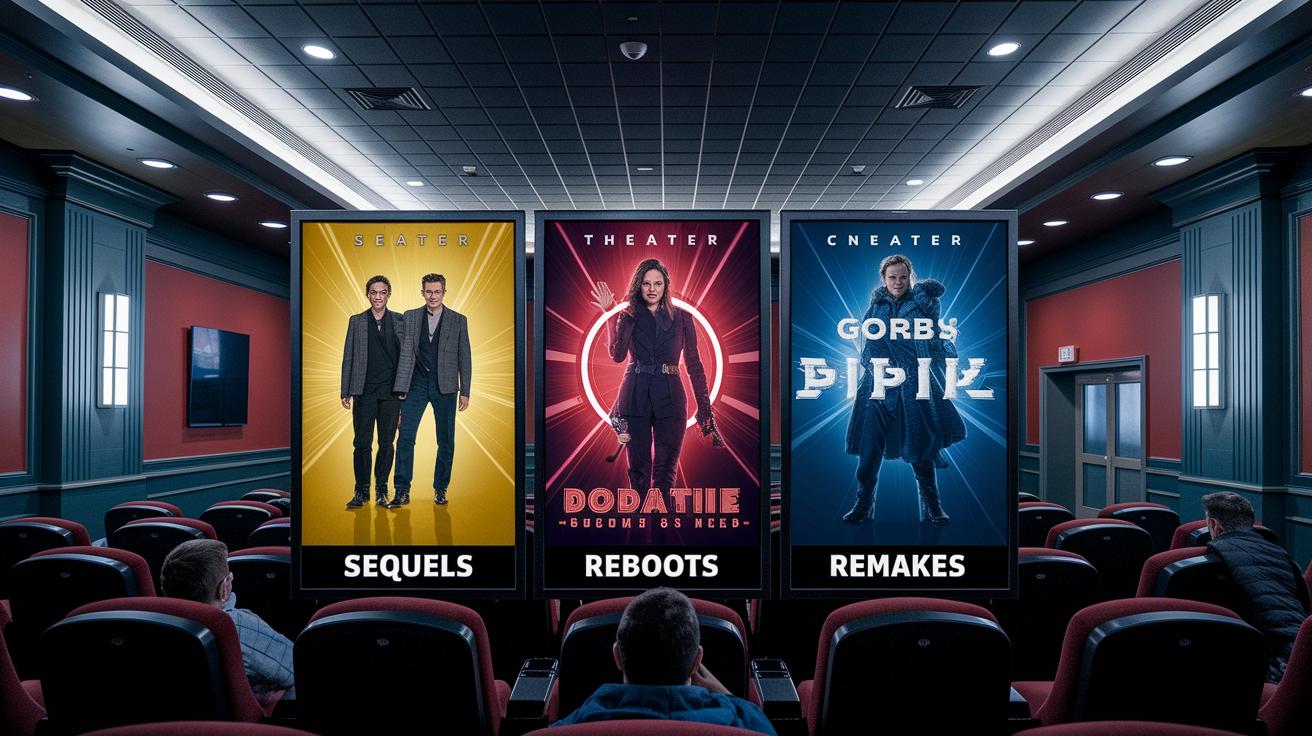
Sequels keep the story going, following the plot and characters as they were left in the earlier film. They build on themes already set up and give us more details about our favorite characters. Reboots, on the other hand, restart the whole story. They reimagine characters or ideas so the film feels new for a different crowd and often update the look and mood. Remakes tell a familiar story again but add a modern twist while keeping the heart of the original plot. For example, some Batman movies are reboots that bring the classic hero back in a fresh way instead of sticking strictly to previous versions.
Studios pick sequels, reboots, or remakes based on a few main points:
| Key Factor | Reason |
|---|---|
| Audience Expectations | A sequel works when fans want to know more about a story they already love. |
| Creative Bounce | A reboot can give a beloved character or idea a fresh look and new energy. |
| Business Play | A remake revives a classic tale with modern techniques to please old fans and attract new ones. |
Tracing the Evolution of Iconic Movie Franchises
Movies like The Godfather Part II (1974) and The Lord of the Rings: The Two Towers (2002) show how a well-made sequel can give a fresh twist to a beloved story. They build on the original by deepening characters and adding clever plot turns, raising the bar for what a sequel can be. For example, The Godfather Part II dives into power struggles that make familiar faces more complex, while The Two Towers expands its fantasy world in ways that truly surprise its fans. These films prove that a thoughtful follow-up can sometimes shine even brighter than its predecessor.
When a franchise continues to grow, it does more than just bring back nostalgic fans. Each new entry mixes old traditions with new ideas, helping shape a movie universe that influences both culture and box-office numbers. As stories grow in scope and detail, they become part of a bigger cinema tradition that entertains and creates lasting fan experiences. In this way, smart storytelling drives franchises into exciting, uncharted territory.
Analyzing Narrative Continuity in Film Series

Great sequels build on what made the original special. They expand the story while keeping the charm that first drew you in. A smooth narrative thread makes it easy for audiences to follow shifting storylines and notice how characters change. Paying attention to details like clear timelines, hints from earlier films, steady character growth, and strong world design keeps the series both clear and engaging.
- Timelines: Keeping events in proper order.
- Callbacks: Revisiting key scenes and dialogue to strengthen themes.
- Character arcs: Showing growth in both main and supporting characters.
- World-building: Crafting believable, layered settings.
When directors blend these techniques in every film, they create a richer and more immersive experience. This approach honors the original spirit while exploring new paths and adding fresh depth.
Still, some films may stumble. Small tone shifts or missing details can break the story's flow. If filmmakers change key elements without explanation, viewers might feel confused and less emotionally moved. Spotting and fixing these issues keeps the balance between the comfort of familiarity and the excitement of new storytelling.
Key Elements of Successful Sequels and Franchise Installments
Standout sequels balance what fans already love with new twists in the storytelling. They dive deeper into characters and themes while raising the stakes to keep you engaged. This quick rundown sums up key ideas without repeating everything from before.
Key creative and narrative drivers include:
- Strong character growth that deepens your connection.
- Steady themes that tie the story together.
- Higher stakes that challenge characters and keep you guessing.
- Broader settings that build on familiar worlds.
- Smooth storytelling that honors earlier films.
The Godfather Part II nails this mix by deepening character arcs and exploring complex themes while staying true to its predecessor. For example, it layers fresh takes on power and loyalty over a rich backstory, giving viewers new angles while respecting the original.
Financial and Audience Reception Patterns in Sequels and Franchises
A look at the top 100 grossing films shows that many of the biggest earners are sequels or franchise movies. These films stick to a winning formula that draws fans who already love the characters and story. Studios trust these familiar titles to bring in strong pre-sale numbers and steady profits. In many cases, sequels even beat the original movies at the box office, thanks to improved skills and loyal audience support. This reliable income makes sequels a safe bet for studios and keeps them vital in today's film industry.
| Year | Film Title | Box Office Rank |
|---|---|---|
| 2019 | Film A | 1 |
| 2020 | Film B | 2 |
| 2021 | Film C | 3 |
Sequels usually enjoy higher profit margins because they cost less to market and already have a built-in audience. This dependable performance at the box office boosts investor confidence. Both critics and viewers appreciate sequels that respect the original while adding creative new twists. The mix of familiar comfort and fresh innovation keeps sequels and franchise films as steady revenue generators in the film world.
Innovations and Trends in Modern Movie Franchise Continuations
Modern sequels are grabbing attention with bold marketing and standout visuals. Studios now roll out posters and trailers that pack a real punch, like the eye-catching Mean Girls 2024 sequel poster. These visuals recall the charm of the original films while offering a fresh, modern style. Filmmakers mix creative images with smart taglines that invite fans to dive back into familiar worlds with new energy. One campaign even hints at surprising plot twists while nodding to classic symbols from earlier films.
Streaming services also shape these trends by changing the way audiences enjoy new installments. They now combine big-screen releases with online premieres, giving viewers multiple ways to tune in. Here are some fresh digital moves:
- Real-time social media chats that build community buzz
- Exclusive behind-the-scenes online content to pull viewers in
- Clever release plans that mix streaming with limited theater runs
Together, these strategies are changing how sequels and franchises reach and thrill fans in today’s fast-moving entertainment world.
Tips for Viewers: Maximizing Your Cinema Guide Experience
-
Try watching movies in the order they were made. This way, you'll see characters grow from their very first appearance. For example, begin with the original film and then watch each sequel as it was released.
-
Check out fan theories before the movie comes out. Reading community predictions can reveal cool hidden details and connections that add extra fun.
-
Use a movie marathon planning guide when you want to watch several films in a row. For example, set up a themed night to enjoy the whole series from start to finish.
-
Look at both reviews and trailers to spot any changes in tone or storytelling from one film to the next.
-
Talk things over with friends. Sharing your thoughts can help you see new angles and deepen your understanding of the movies.
Remember, it's best to balance high expectations with a relaxed mindset. Enjoy the film at your own pace, taking in both the familiar moments and the unexpected twists along the way.
Final Words
In the action, we explored how movie sequels and franchises evolve from their originals. We traced definitions, genre tendencies, narrative links, and financial trends. Each section offered a clear look at what makes modern film series work.
A key takeaway is using this cinema guide: understanding movie sequels and franchises to boost your viewing choices. Enjoy watching films that build on past hits, and let these insights steer you to fresh, engaging experiences at the movies.
FAQ
Q: Top 100 movie franchises
A: The top 100 movie franchises represent a curated list of film series known for high revenue and broad appeal, showcasing a variety of genres that have captured audiences worldwide.
Q: Movie franchises a to Z
A: The movie franchises a to Z refer to an alphabetical listing of film series, making it easier for fans to find details about popular series and discover lesser-known titles.
Q: Top 10 biggest movie franchises
A: The top 10 biggest movie franchises rank series by revenue, audience reach, and cultural impact, highlighting those that have achieved notable success both financially and critically.
Q: Top 10 best movie series
A: The top 10 best movie series emphasize quality storytelling and lasting appeal, featuring franchises that combine strong character development with innovative direction to consistently engage viewers.
Q: Movie franchises with the most movies
A: The movie franchises with the most movies include series that have grown significantly over time, encompassing numerous sequels, prequels, spin-offs, and reboots that build an extensive cinematic universe.
Q: Movie franchises ka
A: The term “movie franchises ka” often appears in casual queries, generally referring to inquiries about the details and offerings of popular film series and their expansive entries.
Q: Film franchise meaning
A: The film franchise meaning explains that a franchise is a series of related movies sharing characters, settings, or themes, with each installment expanding the overall narrative universe.
Q: Top 50 movie franchises
A: The top 50 movie franchises focus on series that stand out for storytelling, box-office success, and cultural influence, offering viewers a mix of time-tested classics and modern blockbusters.
Q: What is considered the best sequel of all time?
A: The best sequel of all time is often seen as a film that elevates the original with refined storytelling, character depth, and strong critical acclaim, with many considering The Godfather Part II as a prime example.
Q: What are the different types of sequels?
A: The different types of sequels include direct continuations, softer follow-ups with loose ties, and installments that expand the original narrative, each offering a unique approach to building on established stories.
Q: What is the movie franchise with the most sequels?
A: The movie franchise with the most sequels refers to those series that have spawned an extraordinary number of follow-ups, highlighting long-running series that extend their storytelling with multiple installments.
Q: What do you call a 3rd sequel?
A: The term for a 3rd sequel typically denotes the fourth film in a series, continuing the narrative beyond the initial film and its immediate follow-ups with further character and plot developments.