
Ever wonder why film noir still hooks us? These films feature hard-edged detectives, dark alleys, and twisty plots that grab you from the start. They mix bold, memorable visuals with layered stories to create an atmosphere that feels new every time you watch it. In this post, we explore how classic film noir turns simple crime tales into timeless, gripping thrillers. Let’s uncover why these movies continue to pack a powerful punch.
Top Must-Watch Film Noir Classics
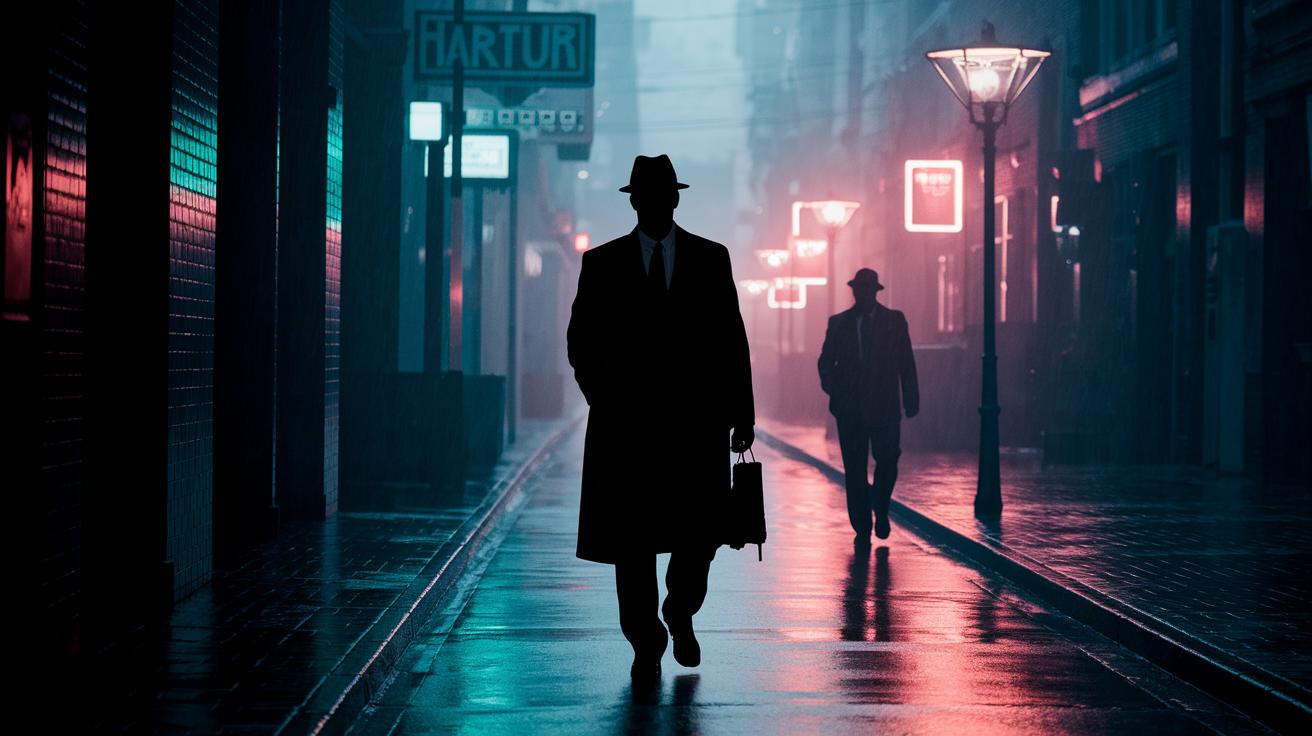
These film noir classics are old-school crime thrillers with tough detectives and striking shadowy visuals. They mix dark visuals with clever, twisting stories that set the bar for the entire style. Here are five top picks you cannot miss:
- Double Indemnity (1944, Directed by Billy Wilder, starring Barbara Stanwyck and Fred MacMurray) tells a gripping story about greed and doomed love. It reshaped the tough detective tale and remains a cornerstone of noir storytelling.
- The Big Sleep (1946, Directed by Howard Hawks, starring Humphrey Bogart and Lauren Bacall) blends a complex plot with sizzling chemistry. It perfectly captures the vintage crime feel and stays a favorite with noir fans.
- Out of the Past (1947, Directed by Jacques Tourneur, starring Robert Mitchum) is a masterclass in mood and mystery. Its haunting story paired with quiet, strong performances still inspires filmmakers today.
- The Lady from Shanghai (1947, Directed by Orson Welles, starring Welles and Rita Hayworth) surprises with bold visuals and daring scenes, like a tense mirror maze showdown that powerfully uses shadow and light.
- Sunset Boulevard (1950, Directed by Billy Wilder, starring Gloria Swanson and William Holden) combines sharp irony with unforgettable characters to take on Hollywood. Its mix of decay and intrigue set new standards for film noir.
For more film noir treats, visit the Classic Movie Guide. You’ll find a bigger list of vintage crime thrillers and timeless detective stories that still spark today’s movies.
Chiaroscuro Aesthetics in Film Noir Classics

Chiaroscuro is a lighting trick that uses dark shadows and bright spots to create a strong visual feel. In film noir, directors often use these bold contrasts to set the mood and add mystery. For example, cinematographer John Alton’s work on Raw Deal (1948) showed how stark light can make a scene feel lonely and intense.
In The Lady from Shanghai (1947), a hall-of-mirrors scene twists reflections and shadows into a maze that builds tension. Here, artistic lighting captures decay and contrasts in every frame. Fritz Lang in Scarlet Street (1945) uses expressive shadows to give the story an eerie vibe. Meanwhile, Venetian-blind effects in Kiss Me Deadly (1955) cleverly cut the light, adding grit that defines the noir look.
The mix of deep shadows and bright highlights fills each frame with emotion. This play of light and dark not only ups the suspense but also shows why film noir has a lasting charm.
Post-War Influences in Film Noir Classics

World War II changed America in big ways, and film noir shows that with a dark, thoughtful look. These movies tap into the fear and loss felt after the war, showing a broken world where old values faded away. They use stories to explore the pain and struggle of finding meaning in chaos. The conflict pushed filmmakers to dig into deep fears and mixed morals, exposing our true human vulnerability.
In Act of Violence (MGM, 1949), four characters face the lingering horrors of war. Their relationships are tense and full of fragile trust. The Blue Dahlia (1946) reunites Alan Ladd and Veronica Lake in a murder mystery that mirrors the alienation many veterans felt. Both films mix post-war drama with psychological suspense that pulls you into a world of hidden pain.
Christmas Holiday (1944) shows how a breakdown in home life can mirror the internal collapse caused by wartime stress. In Shadow of a Doubt (1943), mirror-like themes reveal how innocence can be corrupted, making it clear that no one escapes the dark shadows of conflict. Together, these films lay bare how war can twist our sense of right and wrong and leave lasting scars on our souls.
Visionary Directors of Film Noir Classics

Billy Wilder changed film noir with Double Indemnity (1944). This movie is known for its dangerous femme fatale that grabs your attention right away. His clear, bold style and sharp dialogue gave the genre a fresh twist. One scene even turns a simple conversation into a moment that reveals a deadly secret, shifting the entire story.
Otto Preminger mixed romance with mystery in Laura (1944). His film blends love and detective intrigue so neatly that it keeps you guessing. With carefully arranged shots that mirror his characters' inner struggles, his work brings a new look to classic noir.
Orson Welles broke the rules in The Lady from Shanghai (1947). He used daring camera moves that change the usual flow of a story, adding tension and drama. The famous hall of mirrors scene stands out as a testament to his creative approach.
Robert Siodmak added depth to noir in The Killers (1946). His take on a Hemingway adaptation weaves together a web of betrayal and shared struggle. By linking many different scenes, he gives the film a stylish feel that still resonates today.
Nicholas Ray explored a screenwriter's inner turmoil in In a Lonely Place (1950). His careful storytelling shows how a character's personal battles reflect the chaos around him. This nuanced look at human weakness has influenced many noir films that came after.
Recommended Viewing Order for Film Noir Classics

Begin with a mix of classic mystery and crime stories that feature deep, introspective characters. This order builds mood and complexity as you go.
Detour (1945) sets the tone with a dark, raw vibe that tells you things aren’t always bright.
Raw Deal (1948) uses sharp contrasts in light and shadow, thanks to John Alton’s impressive camera work, which heightens the film’s gritty feel.
The Third Man (1949) whisks you away to post-war Vienna, where a detailed city backdrop creates a growing sense of tension.
Kiss Me Deadly (1955) brings in suspenseful twists that keep you curious and add a fresh spin to the classic noir rhythm.
Touch of Evil (1958) closes out the lineup with a daring border-town drama that challenges old rules while serving up unforgettable visuals.
For more retro mystery adventures and nuanced noir moments, check out Movies to Watch.
Final Words
In the action, our blog broke down a must-see list of gritty film noir classics. We touched on legendary titles, intense chiaroscuro camera techniques, and the piercing impact of post-war drama. We also highlighted visionary directors and a viewing order that brings timeless hardboiled detective narratives to life. This guide on classic film noir films offers a quick, reliable roadmap for anyone seeking to enjoy movies that pack a punch. Enjoy the thrill and immerse yourself in these remarkable cinematic gems!
FAQ
Film Noir FAQ
What are some top film noir movies to watch?
Top film noir movies include classics like Double Indemnity (1944) and The Big Sleep (1946). They mix gritty crime plots, stark lighting, and complex characters that defined a generation of cinema.
What is the most iconic noir film?
The most iconic noir film is often seen as Double Indemnity. It embodies the signature tension, femme fatale intrigue, and hard-hitting narrative that set the standard for film noir.
What are the original film noir movies?
The original film noir movies are mid-1940s classics such as Double Indemnity and The Big Sleep. They broke new ground with dark visuals, morally ambiguous characters, and suspenseful crime stories.
What does classic film noir mean?
Classic film noir refers to movies from the 1940s and 1950s known for their shadowy visuals, intricate plots, and characters caught between right and wrong, capturing a uniquely moody and tense atmosphere.
What is the 69 year old film noir thriller?
The 69 year old film noir thriller describes a timeless title from the classic era that still captivates with its suspenseful narrative and distinctive visual style, proving that its dark charm endures through the years.
What are the best neo-noir films?
Best neo-noir films update classic themes with modern settings and visuals. They retain the moody lighting and complex plots of traditional noir while exploring fresh angles in storytelling and style.