
Ever wonder why old horror movies still give you goosebumps? These films started in the silent era and grew over time, using striking visuals and eerie sounds to create lasting chills. They turned basic special effects and clever lighting into true art. In this post, we dive into how simple, old-school tricks sparked timeless thrills and paved the way for modern scares.
Classic Horror Films Defined: Characteristics and Historical Roots
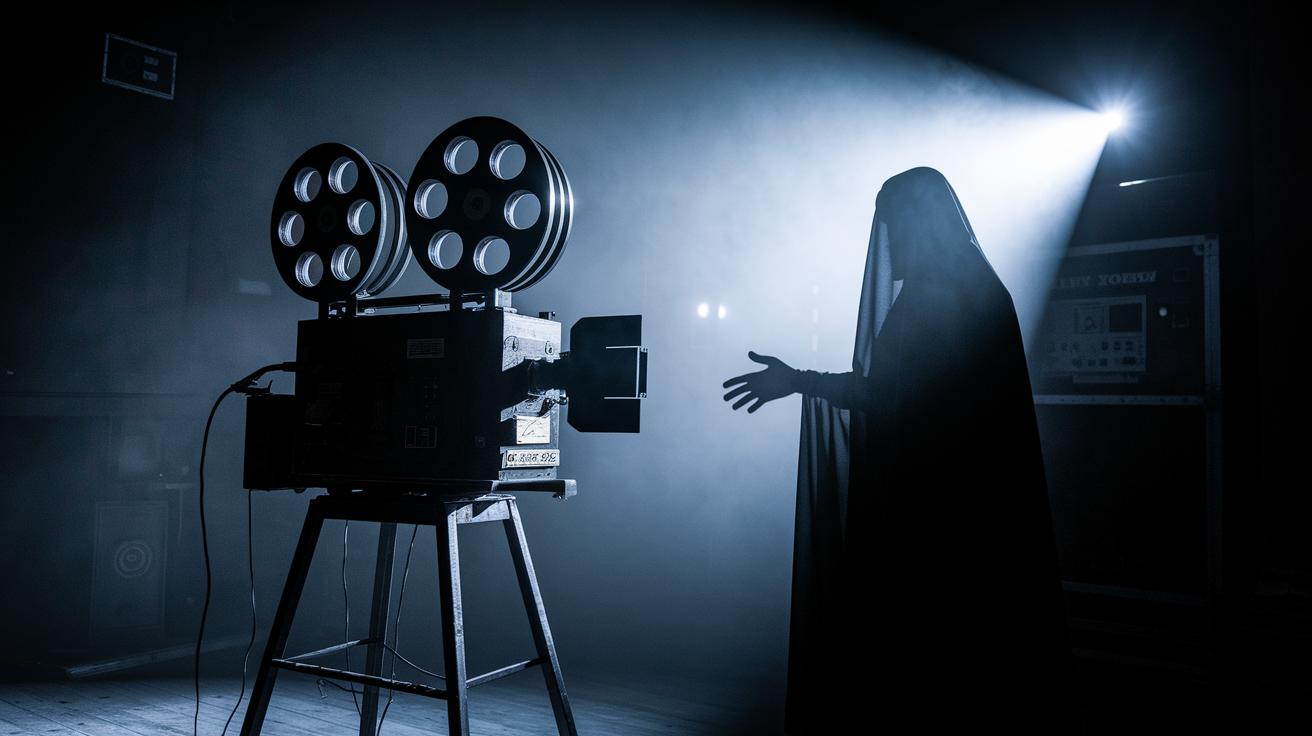
Classic horror films began in the silent era and ran through the 1980s. Early movies used simple effects and dramatic lighting to pull viewers into mysterious and eerie tales. Fun fact: some of the first ghost images were made with experimental techniques that later influenced ghost studies. This creative beginning still shapes the genre today.
These movies are known for their dark, gothic settings, suspenseful supernatural vibes, and striking black-and-white visuals. With haunting soundtracks and little dialogue, they build tension and transport you into gloomy worlds. Each shot is carefully set up to keep you on edge, leaving a lasting mark that modern horror movies still try to match.
Landmark films like Dracula (1931) and Frankenstein (1931) created unforgettable monster legends that continue to haunt audiences. Other titles, like The Innocents (1961), show that subtlety and atmosphere often do more than startling scenes. Major studios such as Universal Pictures and Hammer Films laid down the visual and narrative rules that still define what classic horror is all about.
Evolution of Classic Horror Films from Silent Era to Golden Age
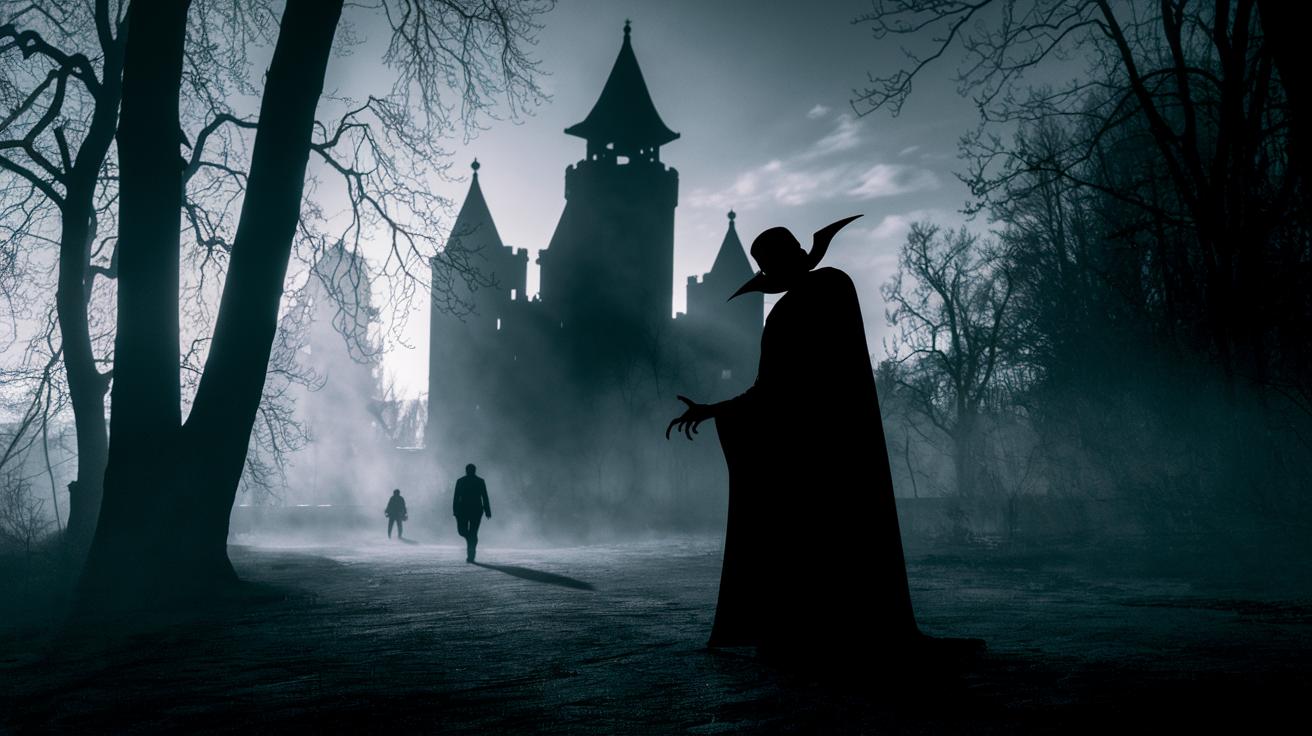
Back in the 1920s, silent films like Nosferatu (1922) broke new ground for horror movies by playing with light and shadow. Directors used sharp contrasts and mysterious shapes to hint at unseen terrors rather than showing everything up close. This style sparked the audience's imagination, giving them their first taste of fear through powerful visuals. For instance, Nosferatu used eerie dark figures and ghostly movements to set an unsettling mood long before sound changed the film world.
When sound hit the screen, films such as Dracula (1931) added a whole new layer of spookiness. With spoken dialogue and haunting music, these movies created a richer, more immersive atmosphere. The combination of gothic tales, chilling soundtracks, and suspenseful pacing got viewers on the edge of their seats. This change proved that blending sound with visuals could deepen the horror experience.
As the sound era matured, Universal Pictures pushed the limits with monster hits like Creature from the Black Lagoon (1954). This period saw the rise of larger-than-life creatures and creative makeup effects that captivated audiences. The films introduced unforgettable monsters, mixing thrilling special effects with classic horror setups. The balance of fear and spectacle from this era still inspires modern horror today.
Later, Hammer Studios breathed new life into the genre with inventive takes like Black Sunday (1960). By using bold colors in gothic settings and surprising twists in storytelling, they refreshed old horror ideas. This evolution connected the early, silent visuals with the sound-filled and monster-driven films of later years, creating a golden age that continues to shape horror for generations.
classic horror films: Timeless Thrills and Iconic Scenes
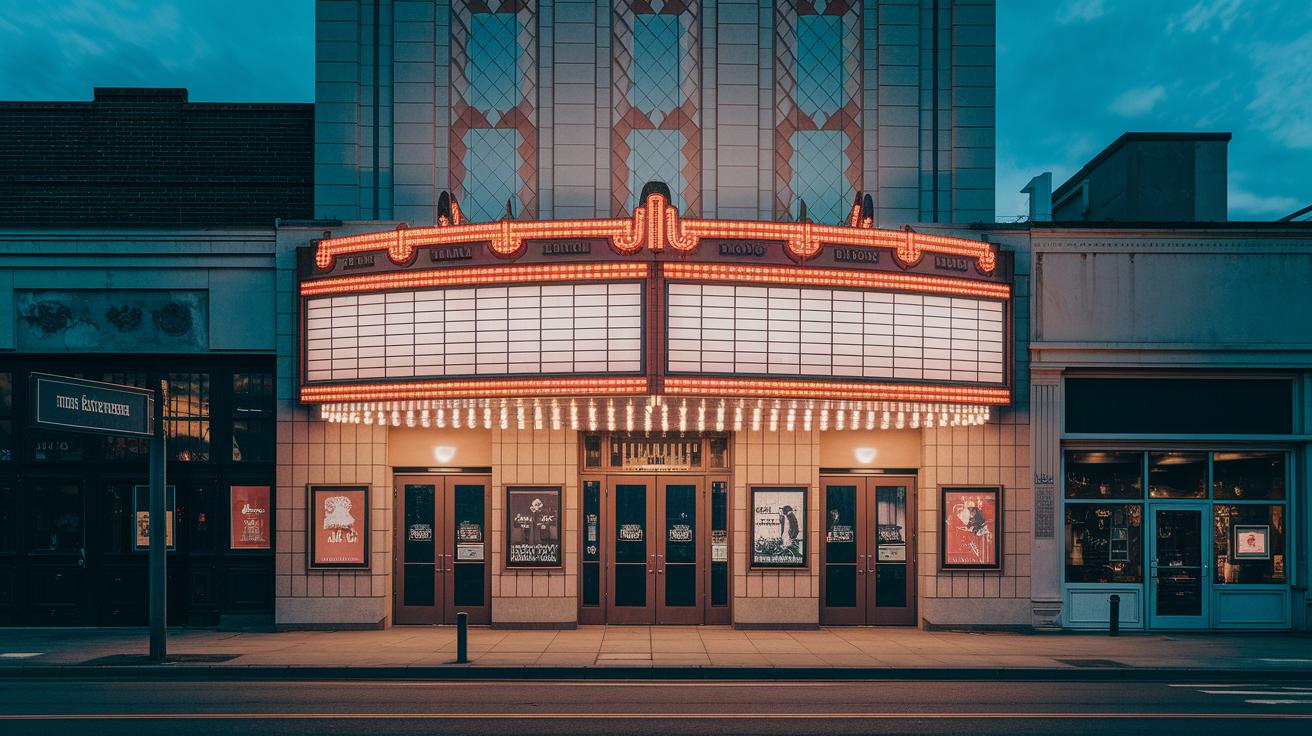
Classic horror movies have a special old-school charm. They use traditional ghost story tricks to bring us into spooky worlds with simple effects and bold moods. This list covers ten must-see films that defined the genre. Whether you’re a long-time horror fan or just curious, these movies offer chilling stories, creative visuals, and standout acting. Some films whisper subtle ghost tales while others burst with zombie chaos. Many of them are even available for free on YouTube as well as on popular streaming services.
- THE INNOCENTS (1961) – Directed by Jack Clayton; a ghostly tale based on The Turn of the Screw.
- THE LAST MAN ON EARTH (1964) – Starring Vincent Price; a twisted take on I Am Legend.
- NOSFERATU (1922) – Directed by F.W. Murnau; a pioneer in eerie film visuals.
- WHITE ZOMBIE (1932) – Directed by Victor Halperin; an early film exploring zombie themes.
- NIGHT OF THE LIVING DEAD (1968) – Directed by George A. Romero; reshaped how we see the undead.
- REBECCA (1940) – Directed by Alfred Hitchcock; delivers a masterful ghostly suspense.
- HOUSE ON HAUNTED HILL (1959) – Directed by William Castle; known for its theatrical scares.
- BLACK SUNDAY (1960) – Directed by Mario Bava; a stylish gothic horror retelling.
- EARTH VS. THE FLYING SAUCERS (1956) – Directed by Fred F. Sears; mixes sci-fi scares with classic horror thrills.
- THE UNDYING MONSTER (1942) – Directed by Erle C. Kenton; a cult favorite among horror fans.
| Title | Year | Director | Platform |
|---|---|---|---|
| THE INNOCENTS | 1961 | Jack Clayton | Theatrical/Streaming |
| THE LAST MAN ON EARTH | 1964 | Ubaldo Ragona / Sidney Salkow | Streaming |
| NOSFERATU | 1922 | F.W. Murnau | YouTube |
| WHITE ZOMBIE | 1932 | Victor Halperin | Streaming |
| NIGHT OF THE LIVING DEAD | 1968 | George A. Romero | YouTube |
| REBECCA | 1940 | Alfred Hitchcock | Streaming |
| HOUSE ON HAUNTED HILL | 1959 | William Castle | YouTube |
| BLACK SUNDAY | 1960 | Mario Bava | Streaming |
| EARTH VS. THE FLYING SAUCERS | 1956 | Fred F. Sears | Theatrical |
| THE UNDYING MONSTER | 1942 | Erle C. Kenton | YouTube |
Enjoy these films to experience the eerie thrills and classic style that continue to inspire modern horror. Whether you stream them at home or watch them free on YouTube, these movies offer a direct link to the past and a clear look at the creative spirit of early horror cinema.
Signature Cinematic Techniques and Iconic Scenes in Classic Horror Films
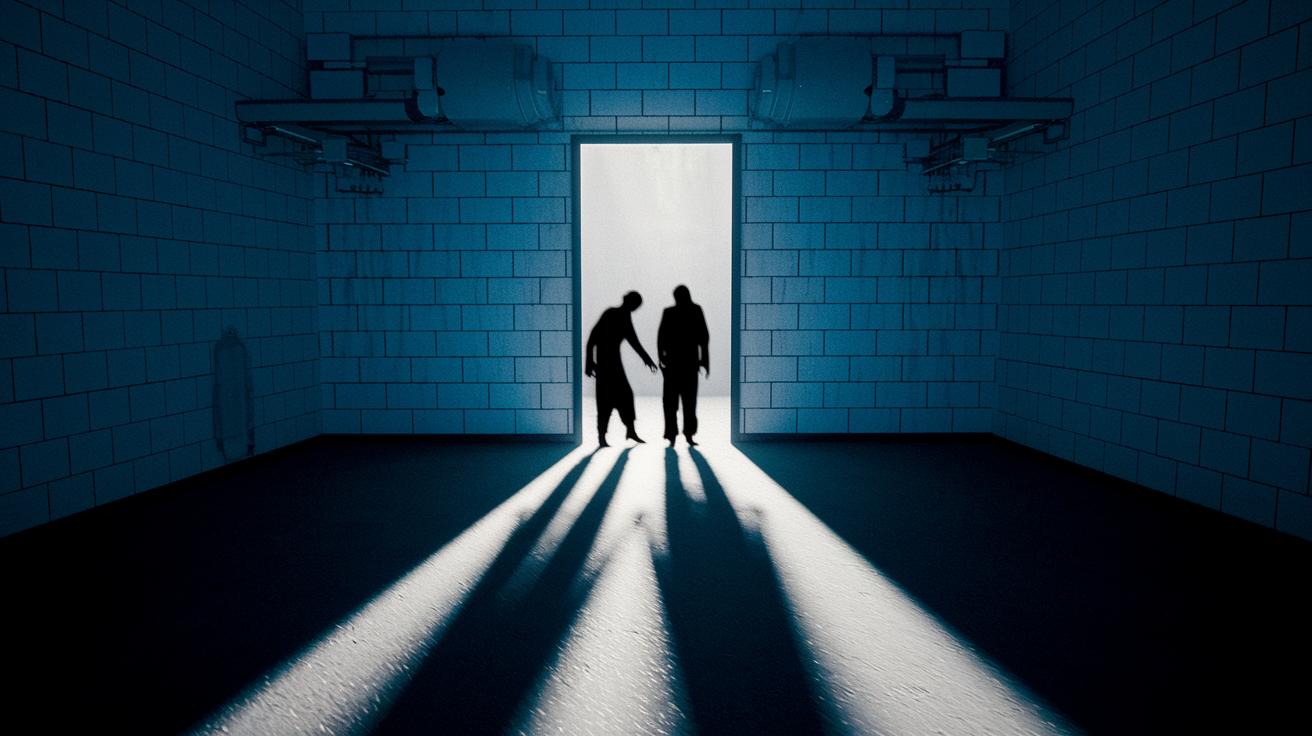
Classic horror films use real effects to scare us with strong visuals and careful cuts. Filmmakers choose every shot and light the scene with hard shadows while keeping the music quiet. These smart choices still set the bar for a good scare today.
The Shadowy Entrance in Nosferatu
In Nosferatu, low and uneven lighting makes deep shadows that hide unseen terrors. The camera shows quiet figures moving slowly against spooky backgrounds. A simple doorway turns into a dark entrance that hints at great, hidden horrors.
The Ghostly Vision in The Innocents
The Innocents builds fear from small details. A quick glimpse of a strange face or a barely seen figure adds a quiet, nervous feeling. The film uses few words and long, soft shots so that our own imagination fills in the scary parts.
The Zombie Horde Reveal in Night of the Living Dead
Night of the Living Dead shocks us with its sudden editing that shows a mass of zombies. Quick cuts and close-ups create a burst of chaos and dread. This style changed how we see zombie movies by adding an extra jolt of fear.
- Chiaroscuro lighting
- Practical makeup effects
- Minimalist score
- Gothic set design
- Black-and-white contrast
Influential Directors and Monster Portrayals in Classic Horror Films
Tod Browning changed horror with his dramatic touch in Dracula (1931). He built a stage-like feel full of mystery and ritual. His style mixed bold visuals with a slow, growing sense of dread. In contrast, James Whale brought warmth and emotion to Frankenstein (1931). His work shows the inner pain of both the creator and his creature, making their stories both sad and scary. Both directors moved the genre beyond cheap frights by adding deeper meaning in each scene.
Mario Bava gave us Black Sunday (1960) with striking Gothic colors that turn every frame into a piece of art. William Castle, known for his playful showmanship, made House on Haunted Hill (1959) a fun ride with surprises that catch you off guard. These films became even more memorable because of great performances. Bela Lugosi as Dracula and Boris Karloff as the creature in Frankenstein gave their roles a mix of charm and mystery. Barbara Steele’s eerie witch characters and Vincent Price’s blend of warmth and danger have stuck with horror fans for years.
| Director & Actor | Film | Highlight |
|---|---|---|
| Tod Browning & Bela Lugosi | Dracula (1931) | Stage-like vibe and growing dread |
| James Whale & Boris Karloff | Frankenstein (1931) | Emotional depth and iconic monster |
| Mario Bava & Barbara Steele | Black Sunday (1960) | Bold, Gothic visuals |
| William Castle & Vincent Price | House on Haunted Hill (1959) | Interactive thrills and clever scares |
| James Whale & Colin Clive | Frankenstein (1931) | Refined narrative with classic horror |
Legacy of Classic Horror Films on Modern Cinema and Culture
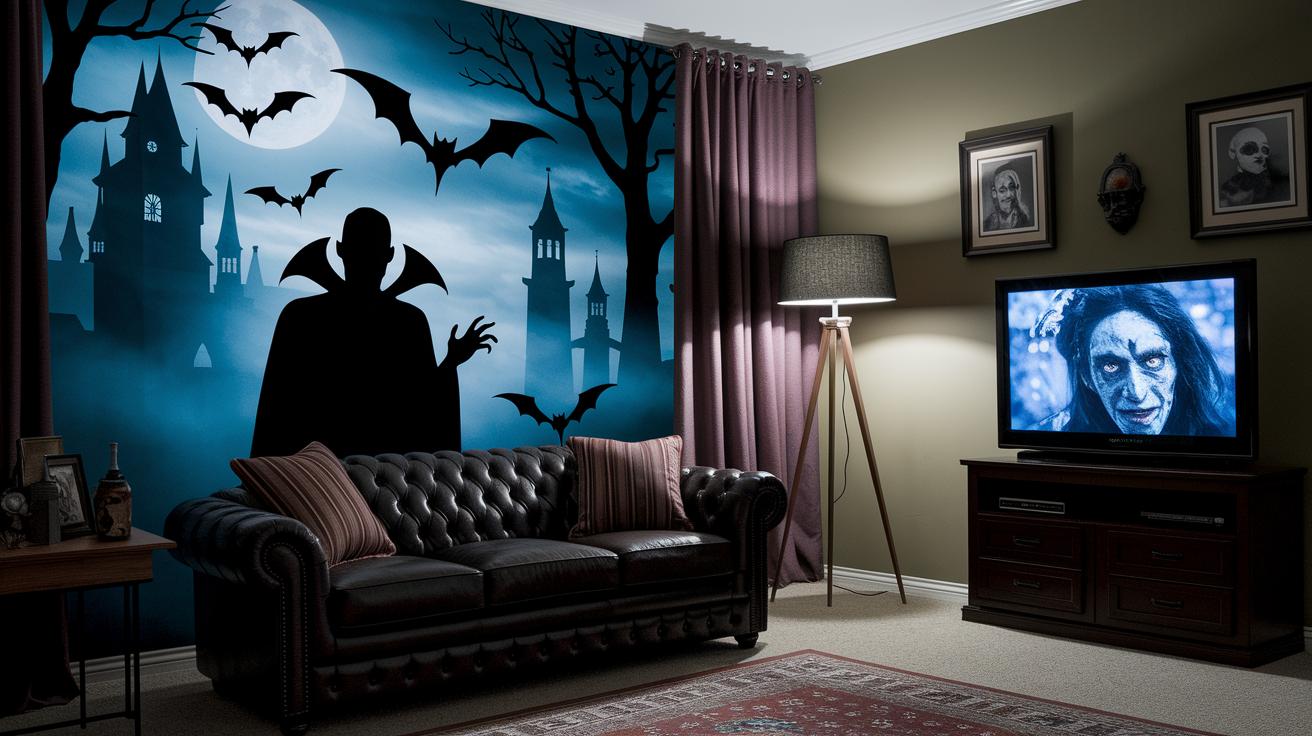
Classic horror films have made a lasting impact on our culture. Night of the Living Dead not only scared audiences but also made them think about real issues, inspiring many indie horror projects. The bold visuals of Nosferatu and Black Sunday still influence movies today, with films like Suspiria using dark shadows and creative lighting as a nod to earlier works. Well-known monsters such as Dracula and Frankenstein continue to play a key role in Halloween traditions and merchandising, keeping these classic characters relevant.
Streaming services have given a fresh life to these old favorites. They make it easy to watch silent-era and 1950s horror movies, letting a new generation enjoy the simple yet effective practical effects and the unique atmosphere that defined early horror. Modern films pay tribute to these classics by borrowing their tension and innovative style, ensuring that the spirit of early scares lives on in today’s cinema.
Final Words
In the action, we broke down what makes classic horror films so enduring. We traced their roots from the silent era to iconic golden-age masterpieces through memorable visuals, eerie settings, and unforgettable monster portrayals.
Each section offered a clear look at historical milestones and signature techniques that still stir emotions today. These films remain a must-watch for anyone craving thrills and a fresh take on film history.
Enjoy the chills and let classic horror films set the mood for your next movie night.
FAQ
Q: What does it mean when we say classic horror films are black and white?
A: Classic horror films in black and white emphasize mood with stark contrasts and shadows, which heighten suspense and create a timeless eerie feel.
Q: How have old horror movies evolved from the 1980s through the 2000–2020 period?
A: Old horror movies from the 1980s, 1990s, and 2000 to 2020 show changes in special effects and storytelling while still keeping core fears and a distinctive, atmospheric style.
Q: What are considered the best horror classics or top 10 horror movies of all time?
A: Best horror classics include enduring titles like Dracula and Frankenstein, and top horror movies embrace both iconic scares and modern twists that continue to push the genre.
Q: What defines classic horror movie characters?
A: Classic horror movie characters are iconic figures such as vampires, ghosts, and monsters whose timeless designs and fears persistently influence the makeup of modern horror.
Q: What is regarded as the #1 scariest movie ever?
A: The scariest movie ever often varies by opinion, but many point to films like The Exorcist, known for its intense atmosphere and lasting impact on viewers.
Q: What is known as the big 3 of horror movies?
A: The big 3 of horror movies usually refer to the influential monsters—vampires, Frankenstein’s creature, and the werewolf—that set foundational fears and themes in the genre.
Q: What Netflix movie do people commonly turn off after 9 minutes?
A: A Netflix movie that viewers tend to switch off after 9 minutes is noted for a slow introduction that fails to capture attention early, prompting many to stop watching quickly.