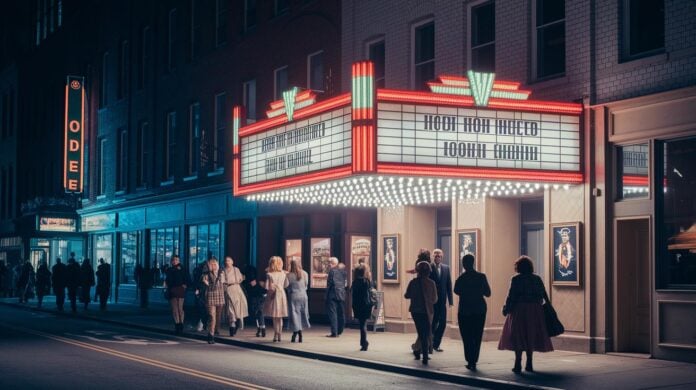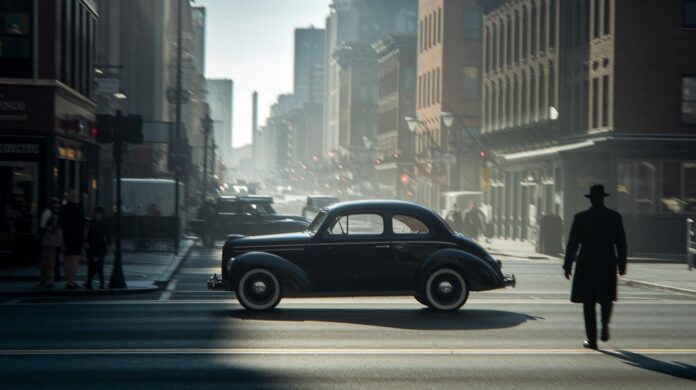

Have you ever noticed how a grainy film clip feels like a portal to another era? That retro look brings a rush of nostalgia with raw, imperfect visuals that open a window to forgotten times. The faded colors, gentle flickers, and unexpected details come together like hints of a cherished memory. This style shows that beauty can be found in flaws and invites us to appreciate art even in scratches and smudges. In a world that often chases perfection, these vintage touches challenge us to celebrate the unique charm of the past.
Core Principles for Decoding Retro Film Reel Aesthetics
Retro film reel aesthetics create a raw and unforgettable look. They take cues from past decades by showing visuals that may seem imperfect but feel full of warmth and memories. This style mixes the charm of old home movies with artistic intent, where every flaw is a detail to admire. Think of a scene that looks like a keepsake from an old video camera, a gentle reminder that perfection is not always needed. Its magic lies in connecting viewers to a bygone era of film while inspiring a creative vibe with its natural, unpolished texture.
- Grain
- Color fade
- Flicker
- Tracking lines
- Aspect ratio
- Timestamps
Analog capture uses real devices like point-and-shoot cameras and handheld camcorders. These tools give images their natural texture and random details. Digital simulation, on the other hand, uses modern editing tools and overlays to recreate these vintage markers. The analog approach brings an unpredictable, heartfelt quality, while digital methods let creators fine-tune each element to match their story. This mix gives filmmakers and content creators the freedom to either keep the true spirit of retro style or recreate it with precision, based on the charm and clarity they want to achieve.
Historic Roots of Retro Film Reel Aesthetics
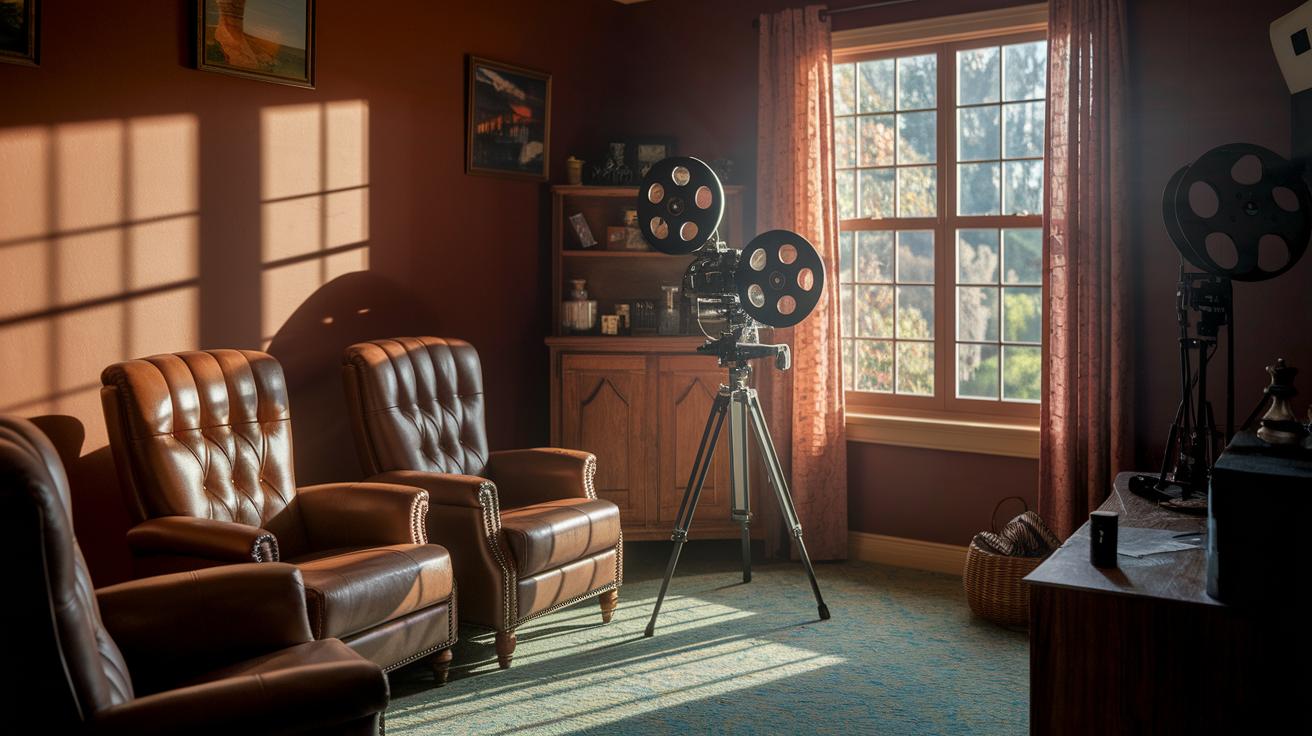
Early films got creative with techniques like Technicolor and tinting. Filmmakers used these tricks to add soft, muted colors that set a gentle, nostalgic tone. They played with hues to create a mood that whispered tales of the past. Subtle shifts in color and smart use of shadows helped viewers feel the warmth behind each moment. Classic movies even used natural light alongside hand-applied tinting to bring out a charming period feel that still sparks inspiration today.
Later, the rise of consumer video formats changed the look of film. VHS tapes and handheld camcorders introduced washed-out colors, on-screen timestamps, and that flickering projector vibe in dim screening rooms. This raw, imperfect style gave movies a nostalgic touch that stands apart from modern digital clarity. Its spontaneity continues to inspire filmmakers to tell visual stories that feel honest and true.
Texture, Grain and Color: Dissecting Retro Film Aesthetics
Film grain gives retro visuals an authentic, lived-in vibe. It creates mood by echoing textures from years gone by. Whether captured on real analog cameras or added in post, grain brings an organic touch that helps you feel the past. Imagine a scene where tiny speckles remind you of classic home movies, with every imperfection adding extra warmth.
Muted colors and soft distortions deepen this nostalgic effect. Faded hues and a slight blur can turn a crisp digital image into a look that feels like an old photograph. Lowering contrast and reducing saturation transforms a bright outdoor scene into one that carries the gentle memory of days past.
Modern editing tools make these effects easy to achieve. Programs like Premiere Pro, Final Cut Pro, and DaVinci Resolve include options for VHS and grain effects. Meanwhile, plugins such as FilmConvert and Magic Bullet Looks let filmmakers fine-tune the amount of grain and color fade to fit their vision perfectly.
Layering techniques add to the realism of retro aesthetics. Start with a low-resolution base clip to mimic old film, then overlay digital glitches or static bursts. Pair these with a soft, muted color grade to create a harmonious look where every detail, from grain to color distortion, works together to evoke a timeless feel.
Composition and Light: Shaping Classic Reel Visuals
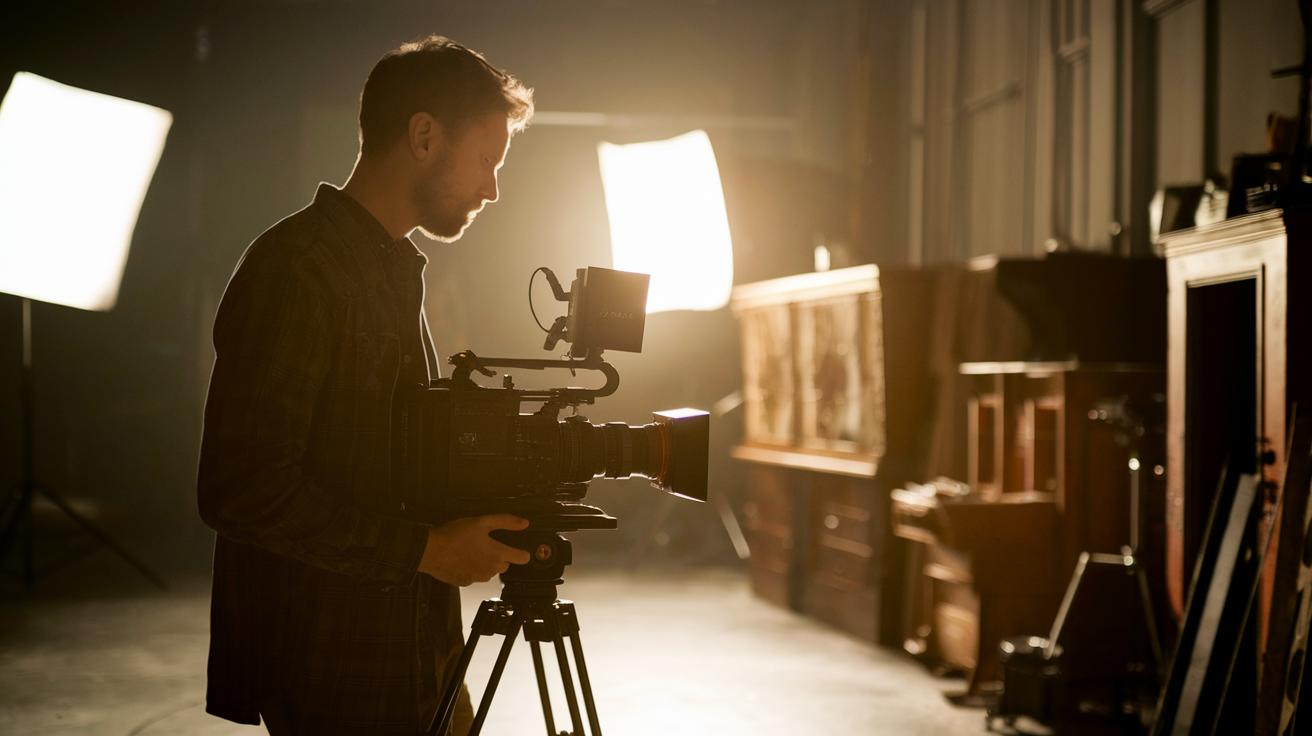
Old film looks come from smart use of composition and lighting. Directors use framing to pull you into small details and embrace little imperfections that make the scene feel real. Using a 4:3 aspect ratio gives that warm, nostalgic touch by balancing what you see in the front and the back of the shot.
Aspect Ratio and Framing
The 4:3 aspect ratio is a real hallmark of vintage film. Its tighter frame makes scenes feel more intimate or isolated. With a limited view, every element of the frame, from a character's glance to a subtle detail in the background, gets special attention. This traditional setup makes moments feel carefully frozen in time, accentuating the charm of retro visuals.
Light Artifacts
Things like flickering projector beams, unexpected light leaks, and even a hint of static add life to old-fashioned films. These effects create soft edges and shifting shadows that give each scene a dream-like quality. A slight shake from a handheld camera deepens that sense of realism. Every one of these elements comes together to build a unique, timeless vibe that defines classic analog visuals.
Analog Techniques and Equipment Behind Retro Aesthetics
Cameras and film stocks have long shaped the look of vintage films. Starting in the silent era and carrying on into the ’90s, formats like Super 8 and 16mm gave movies a grainy, retro feel. Early point-and-shoot and handheld camcorders captured life with a raw, spontaneous touch. Fun fact: many classic home movies were shot on simple devices, with each frame's little flaws telling its own story. These tools didn’t just record history, they set the style of eras defined by their real and tactile charm.
Home video formats also helped mold the retro look we love. VHS tapes and camcorder recordings brought faded colors, tracking lines, and worn imagery that spark a sense of nostalgia. Every glitch and soft focus detail adds a warm, unpolished vibe. For instance, a scene shot on a camcorder shows off both the limits and the unique power of analog recording.
CRT monitors and old-school projectors complete the vintage experience. Their flickers and slight color shifts, along with the familiar glow and static of old TVs and the gentle hum of film projectors, recreate the feel of a classic screening room. This setup brings back the excitement of watching movies in dim spaces, a trend that even appeals to Gen Z fans who value real analog gear over digital imitations.
Adapting Retro Film Reel Aesthetics for Modern Productions

Digital simulation now brings the old film look into the clear style of modern productions. It is not simply about adding a grain effect. Instead, filmmakers blend high resolution, simple color changes, and a touch of digital noise to create a hint of the past. For example, a film might add a small burst of static on a high-definition scene to remind you of the unpredictable feel of vintage film. This method calls for careful software tweaks that respect classic styles while keeping today’s sharp image quality.
Modern editing tools let creative teams experiment beyond basic presets. Today’s workflows require small, thoughtful adjustments that honor the vintage era while taking full advantage of modern precision. This change means filmmakers work hard to keep simulated textures subtle even on high-res footage and to make color fades feel natural, not forced.
Final Words
In the action, we walked through the basics of decoding retro film reel aesthetics, from the nostalgic textures and vintage grain to the unique light, composition, and analog techniques that give old movies their charm.
We unpacked key elements like 4:3 framing, tracking lines, and the contrast between analog capture and digital simulation. The discussion even shared modern tips to keep the classic vibe alive while using new tools. Embrace the warmth of these styles and enjoy the timeless feel of retro film art.
FAQ
Q: Decoding retro film reel aesthetics on Reddit and download
A: The discussion on decoding retro film reel aesthetics on Reddit and through download guides covers how enthusiasts share tips on achieving nostalgic textures and film grain looks using both digital tools and analog references.
Q: What are the 5 C’s of film?
A: The 5 C’s of film include camera angles, continuity, cutting, close-ups, and composition. Each element plays a key role in shaping the storytelling and visual style of a film.
Q: What are the elements of film aesthetics?
A: The elements of film aesthetics consist of features like grain, color fade, flicker, tracking lines, aspect ratio, and on-screen timestamps. These combine to create a nostalgic and textured visual experience.
Q: How to get the retro film look?
A: Achieving the retro film look requires using film grain overlays, muted color grading, reduced resolution, and glitch effects. These techniques help recreate the vintage feel of analog recordings.
Q: What are the different types of old film reels?
A: Old film reels come in various formats, including Super 8, 16mm, and VHS. Each type offers a distinct texture and resolution that captures the technological vibe of its corresponding era.