
Ever wonder why some film reviews really stand out? A good review mixes clear facts with honest opinions to paint a vivid picture of a movie. It checks if the story holds up, if the actors make their characters come alive, and if the soundtrack fits the mood just right. Every detail adds its own flavor. In this guide, we cover the ten essential parts every film critique needs to have to spark insight and help you decide what to watch next.
Key Elements Every Film Critique Must Address
Film reviews must balance clear facts with personal views. A good critic connects a filmmaker’s work with what audiences feel. They check ten main parts: Plot, Attraction, Theme, Acting, Dialogue, Cinematography, Editing, Soundtrack, Directing, and the "It" Factor. For example, one review might say, "See if the story moves steadily and keeps you hooked, much like a trailer that never lets go." This method looks at how the story is told and the emotions it sparks.
Critics also use scores from well-known sites to show a film's overall appeal. You might see ratings like 72% on Rotten Tomatoes, 6.4 on IMDb, or 43 on Metacritic. These numbers give a quick look at how the audience feels, while the detailed review breaks down each part of the film.
A good review asks clear, simple questions about the movie. It might ask, "Does the script make sense?" or "Do the actors bring the characters to life?" By doing this, every part of the film gets a fair look.
| Element | What to Check |
|---|---|
| Plot | Look at how well the story is structured and if it stays clear |
| Attraction | See if the idea is fresh and grabs your attention |
| Theme | Notice the main messages and how deep they run |
| Acting | Judge if the performances feel real and give life to the characters |
| Dialogue | Check if the lines sound natural and help tell the story |
| Cinematography | Observe the visual style and scene setup |
| Editing | Look at the pace and how well scenes transition |
| Soundtrack | See if the music and sound enhance the mood |
| Directing | Check if the overall vision is clear and inventive |
| It Factor | Consider the magic that makes the film stand out |
Plot and Narrative Elements in Film Critique

When we analyze a film's plot, we check that the story feels complete, believable, and easy to follow. Critics look at the clear arc of the story by watching how the film builds up the introduction, tension, climax, and resolution. A surprising fact: even a simple twist in the middle of a film can change the flow entirely. This simple check helps see if each part of the plot leads smoothly into the next.
Reviewing a film’s script means making sure every cause and effect fits the story. Critics examine the order of events and how scenes work together. They also focus on the dialogue, conflicts, and the way things get resolved to ensure everything supports the main story. This careful review combines creative storytelling with clear, technical checks so any problems in structure or pacing stand out. Every element is looked at to make sure it makes sense, which is key to a strong movie critique.
Character Development and Acting Performance in Film Critique
Evaluating character development means looking at a character’s traits and what drives them. A good character grows and changes over the film, turning a simple role into someone real. For instance, you might see a quiet lead slowly take bold steps as challenges rise. This shows a believable journey rather than a flat role.
When it comes to acting, the key question is whether the actor makes the character feel real. Does the performance capture small details, like a pause before a line that hints at hidden feelings? Such moments show if the actor’s range matches the film’s tone and the script’s goals.
It is also important to check if the actors work well with the dialogue to bring out the scene’s emotion. Even great actors need good writing to shine. When the actor and the script click, it gives the film deeper emotional and storytelling strength.
Cinematography and Visual Aesthetics in Film Critique

When you review a film's visuals, you break down how each frame is put together. Critics look at shot composition and the flow of images to see if the camera work supports the film's theme. For example, noticing the use of a dolly shot or a quick jump cut can reveal a lot about the director's choices. One scene shows this clearly, as the camera glides through a busy market, turning everyday moments into art.
A solid cinematography review also looks at how lighting and framing tell your eyes where to go. Every shot's layout plays a part in the overall story. It’s not just about technical skill; it’s about how naturally all the visual elements connect.
Another important piece is examining the set design, costumes, and locations (called mise en scène, which means how items in a scene are arranged) to see how they create a unified look. On top of that, checking the color grading, how hues and saturation shift throughout the film, helps set the mood and theme. Each element, from camera movement to color choices, builds the film’s unique visual tone.
Sound Design, Music Score, and Audio Editing in Film Critique
When reviewing a film, the audio deserves a careful listen. Start with the sound design. This means checking if the background noises and ambient sounds blend well with the dialogue to create a rich atmosphere. Good sound design brings the story to life, making every sound count.
Next is the musical score. A strong score matches the film’s mood and helps push the emotion of each scene. Listen for recurring musical themes that connect with the characters or moments on screen. Even a soft piano note during a quiet scene can make a big impact.
Finally, look at the audio editing. This part is all about timing and smooth transitions. The sound should flow naturally, without sudden changes in volume or tone, and by keeping dialogue clear while still building the overall mood. When the editing and score work in sync, every beat helps boost the emotional punch of the film.
Editing Rhythm and Pacing in Film Critique
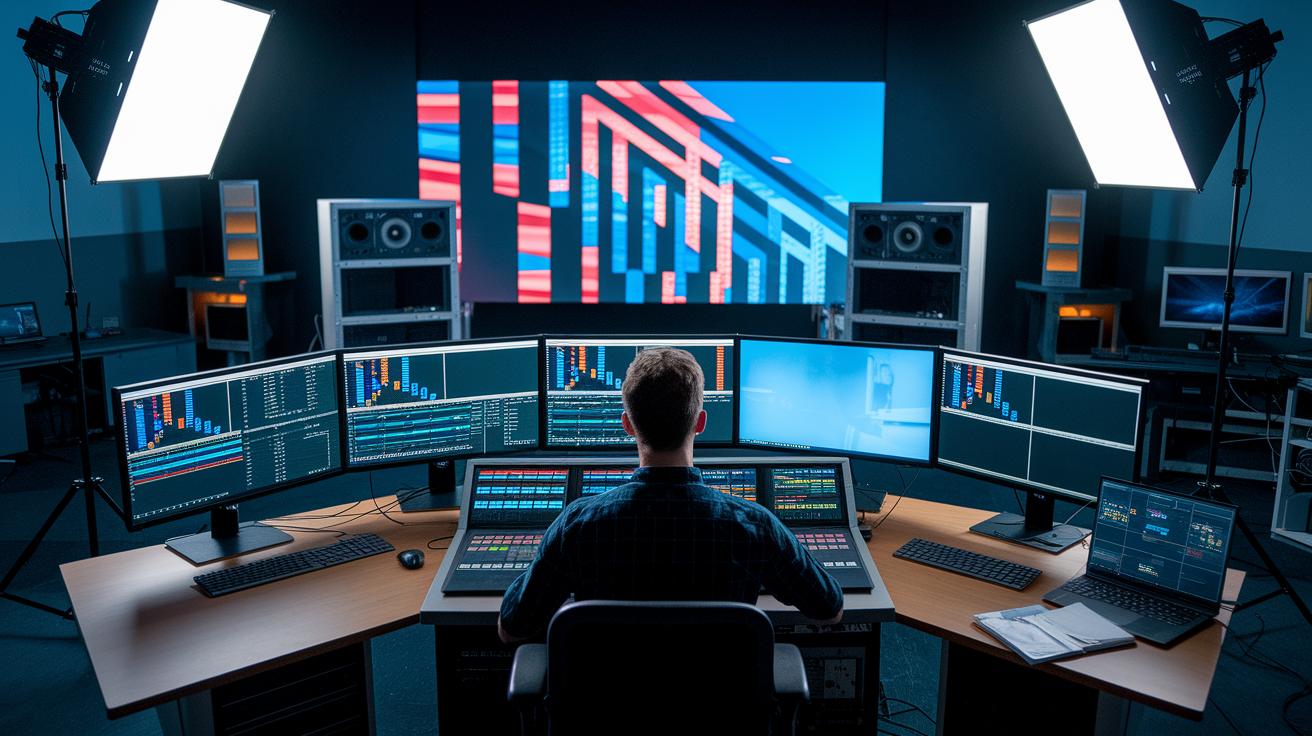
Editing is the heart of a film's story. When we look at editing rhythm, we ask if the style suits the tale. Critics check how scenes change and how often cuts happen to make sure the flow feels smooth and interesting. They also watch montage sequences and see how well the visual effects blend in without breaking your focus. The aim is to see if each cut adds emotion and makes the scene clearer.
For example, fast cuts during a tense dialogue can feel like a racing heartbeat. Pacing looks at the flow from the beginning of the story, through all the action, to the end. A well-paced film moves along with every change feeling purposeful. Precise editing makes sure no scene feels too rushed or too slow, keeping you hooked on the story. Every cut plays a key role in making the film clear and stirring your emotions, ensuring you easily follow the story.
Directorial Style and Vision Assessment in Film Critique
A good review of directorial style looks at how every part of the film comes together with a single clear vision. When you judge a director, ask if the storytelling feels steady, original, and planned. Check the film’s mood to see if the director uses recurring ideas and careful shot choices to link the actors, set design, and camera work. For example, think of a director like a painter who arranges colors on a canvas to create a feeling that touches you. This shows how you can evaluate both the technique and the creative decisions made.
When you examine a director’s vision, see if they guide the actors well and capture the right emotions. Ask if the film brings new ideas to its storytelling and if the scenes flow together smoothly. These questions help you decide whether the film feels cohesive. A director's choices about working with actors and timing shots should support the main themes without losing focus. By looking at both the visuals and the performances, you can judge the strength of the director’s vision and creative choices.
Thematic Exploration and Symbolism in Film Critique

Thematic analysis in film looks at the main ideas that drive a movie. Critics search for hidden messages about social issues or personal growth. For example, a film may use a repeating image, like a wilting flower, to hint at how short life can be. As you watch, notice if these visual clues back up the film's core message.
A good review checks if the film's themes match its cultural setting. One scene might show a lone beam of light piercing a dark room, suggesting hope in a time of despair. This example shows how clear symbols can add depth and hold the story together.
Critics often revisit themes as a film unfolds to see if the message stays steady. They also pay close attention to subtle hints in dialogue and images, which can reveal hidden meanings (subtexts: underlying ideas) within the story. Looking deeper in this way uncovers layers beneath the surface plot and reveals the film's true artistic vision.
Genre Perspective and Audience Engagement in Film Critique
When critiquing a film, you should check if it follows its genre rules or breaks them in new ways. Compare it to typical movies in the same category and spot moments where it surprises you. Look out for common themes that set up your expectations, but also note when something fresh gives the film its own style. For instance, a thriller might use familiar suspense techniques yet mix in unexpected twists.
Next, think about how the film connects with you emotionally and culturally. Does the story pull you in with its engaging style? Does the film's look and feel match today's trends? Notice scenes that make you laugh or think deeply. Reviews and scores from other viewers can also hint at how much the film resonates overall.
Also, check how the film makes you feel overall. Does it spark excitement, empathy, or build anticipation? By looking at both the genre techniques and your emotional reactions, you can see how well the film holds its own and captivates its audience.
Integrating Essential Elements into a Film Critique Checklist
Critics often stick to one checklist to keep reviews steady and fair. This guide mixes a broad overview with clear prompts to help you break down what makes a film work, all without repeating yourself. Follow these steps to cover the key points:
- Plot: Does the story move forward logically, where one event leads to another? For example, "The story sped up with every twist, making each turn feel important."
- Character: Look at how well the characters are built and how they change over time.
- Theme: Find the main idea and see how it runs throughout the film.
- Acting: Check if the performances feel real and capture a range of emotions.
- Dialogue: Notice if the characters speak naturally and if their exchange pushes the story ahead. For instance, "The dialogue flowed like everyday banter, showing the layers of each character without feeling forced."
- Cinematography: See how the camera work, lighting, and overall visual style add meaning to the film.
- Editing: Does the pacing and transition between scenes hold your attention?
- Sound: Are the music and sound effects a good fit for the overall mood?
- Directing: Do the director's decisions blend well to form a clear vision?
- It Factor: What special quality makes this film stand out from the rest?
| Element | Evaluation Prompt |
|---|---|
| Plot | Does the story move forward naturally with clear links between events? |
| Character | Are the characters well-built and do they evolve over time? |
| Theme | Is the main idea clear and woven seamlessly into the narrative? |
| Acting | Do the performances feel genuine while expressing a range of emotions? |
| Dialogue | Is the conversation natural and does it drive the narrative effectively? |
| Cinematography | How does the visual style, including composition and lighting, add to the film’s impact? |
| Editing | Do the scene cuts and pacing keep you engaged throughout? |
| Sound | Are the score and audio effects a good match for the film’s mood? |
| Directing | Do the director’s choices work together to create a clear and unified vision? |
| It Factor | What unique quality sets this film apart from the others? |
Final Words
In the action, we broke down a film critique approach that covers the essential elements of film critique. We explored how plot, character, visuals, sound, editing, and directing work in tandem to create cinematic magic. Each section provided clear guidelines on evaluating these core aspects and offered a checklist to enhance your review strategy. The discussion makes it simple to gauge a film’s narrative, style, and emotional resonance, ensuring you have everything needed to decide confidently what to watch next. Enjoy your viewing, there’s plenty to learn and love.