
Watch , 8.0/10
"Special effects blend classic filmmaking with cutting-edge tech to create a thrilling new cinema experience."
• Story: Clever mix of timeless art and digital wizardry
• Direction: Boldly fuses old school and modern techniques
• Acting: Supports the narrative without getting lost in the visuals
• Technical Craft: Dazzling effects that elevate every frame
Today's films mix digital magic with traditional craft. Modern directors use new tech alongside classic tricks so each scene feels both fresh and familiar. Special effects do more than impress the eye, they drive the story, adding tension and emotion. This creative blend shows that modern cinema isn’t replacing art but rethinking it for a new era.
Technical and Creative Impact of Special Effects in Film
Special effects are a big part of modern movies. They bring exciting visuals and new tech to storytelling. Filmmakers mix real effects like miniatures and controlled explosions with digital tricks to build amazing worlds. For instance, before CGI became popular, directors used matte paintings and real props to create huge backdrops that still inspire digital designs today.
Tech upgrades like real-time rendering and virtual production pipelines have made visual effects work easier. Shows such as The Mandalorian use giant LED walls that display digital sets right on set. This lets directors film live scenes in controlled light and weather, which cuts down on editing time and makes scenes look even better.
Digital effects also play a big role. Movies like Avatar (2009) and Avengers: Endgame (2019) mix CGI with live action to pull viewers into lifelike worlds. These movies not only make the action and battles pop but also give characters extra depth and a more engaging story. The creative blend of tech and art opens up new ways to tell stories and build worlds that feel vibrant and real.
In short, the mix of cutting-edge tech and creative vision is changing movies for the better. Special effects now turn wild ideas into vivid visuals that thrill audiences and set a high bar for future films.
Historical Evolution of Special Effects Shaping Modern Filmmaking
In early films like Metropolis (1927), filmmakers used techniques such as matte paintings and stop-motion to create a sense of wonder. King Kong (1933) built on this work by using real, practical effects that made the impossible feel within reach. These early experiments set the stage for mixing hands-on tricks with new technology.
A big leap came with Star Wars (1977), where tiny models paired with motion control brought dynamic and believable scenes to life. Tron (1982) then opened the door to computer graphics, hinting at a digital future. Jurassic Park (1993) pushed the limits by blending animatronics with digital effects to bring dinosaurs into a believable world. Each step helped shape the smooth, visual storytelling we enjoy in modern films.
Selected Case Studies: In-Depth Special Effects Breakthroughs
Jurassic Park (1993) blended old-school animatronics with early CGI. Behind the scenes, Spielberg’s crew juggled tight schedules and careful teamwork to mix real creature effects with digital magic. Imagine a technician adjusting a dinosaur model while computers add lifelike muscle movements in real time.
Avatar (2009) raised the bar by using full performance capture. Director James Cameron and his team balanced live actor expressions with digital scenery. He explained that these technical challenges opened up new ways to create deep, immersive worlds.
The Mandalorian (2019) used LED-volume virtual production to allow quick, live tweaks. The crew solved software and lighting issues to blend real filming with digital backgrounds, marking a shift from slower, layered CGI methods.
Avengers: Endgame (2019) brought together hundreds of CGI elements with precise coordination. VFX leaders shared how matching realistic physics with digital worlds set new industry standards and pushed the limits of replacing practical effects with digital ones.
Digital Effects and CGI Breakthroughs in Modern Filmmaking
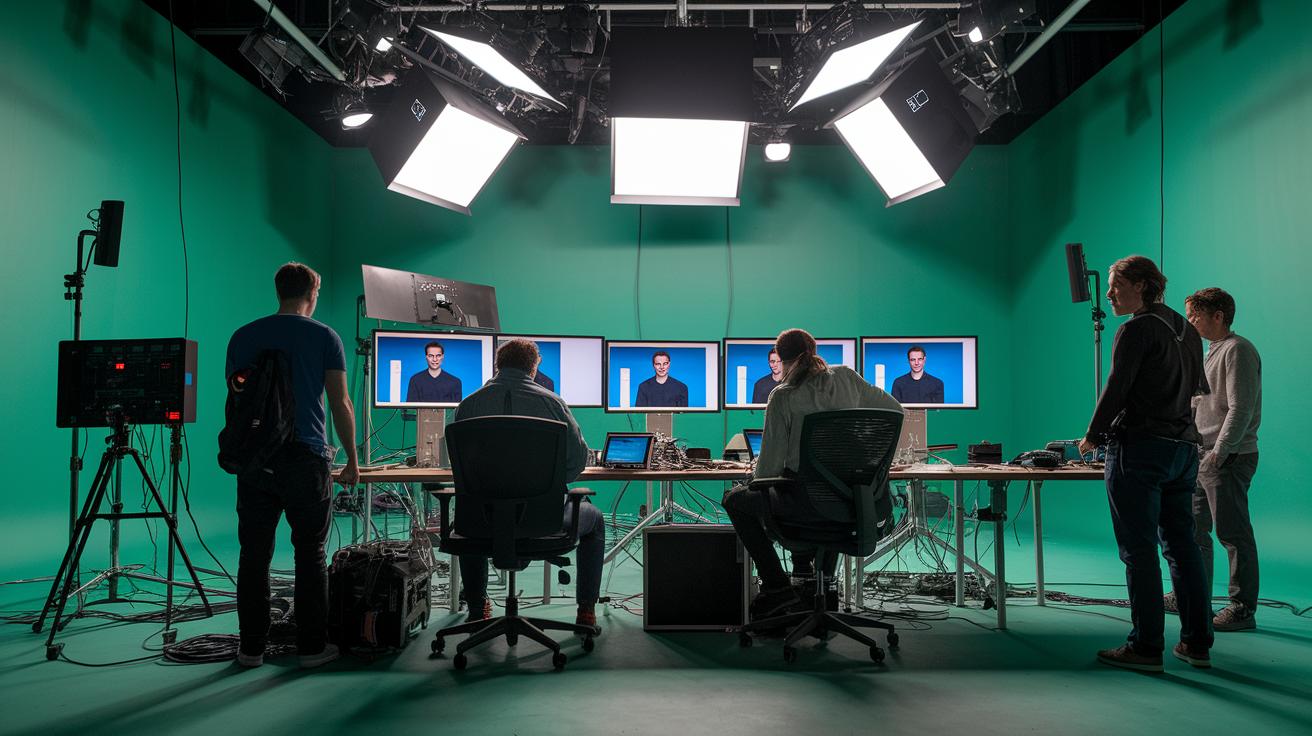
Modern films now use AI-powered CGI and real-time ray tracing to change the way scenes are shot. Directors can watch digital doubles that adjust on the fly using sensor data. Picture a digital twin so exact it copies even the smallest facial twitch.
New methods, like high-tech facial capture teamed with AI, fix old problems in showing real emotion on screen. These techniques handle large chunks of digital data and tweak lighting quickly, which is key for outdoor scenes with changing light.
Cloud-based rendering now plays a big role, letting teams work together remotely and speeding up production. This move from pre-made scenes to real-time image blending shows how digital effects are always pushing visual limits.
Practical Effects Impact on Modern Filmmaking
Practical effects offer clear, on-set benefits. Actors feel more connected when they work with real props like detailed miniatures that add life to a scene. For example, a sword built to look worn and ready for battle makes a fight scene more exciting.
Today’s films update classic techniques with modern tools. Advanced makeup and improved prosthetics make scenes feel even more real. These genuine elements give actors clear cues and boost their performance.
Often, movies mix real-world animatronics for close-up shots with digital imagery for wider scenes. This blend keeps the organic feel of hands-on work while enjoying the scope of digital effects.
Key benefits include:
- Better actor performance with real, tangible props
- Sharp, natural close-up details
- A smoother blend of physical and digital techniques
VFX Studios and Industry Trends Driving Special Effects in Modern Filmmaking
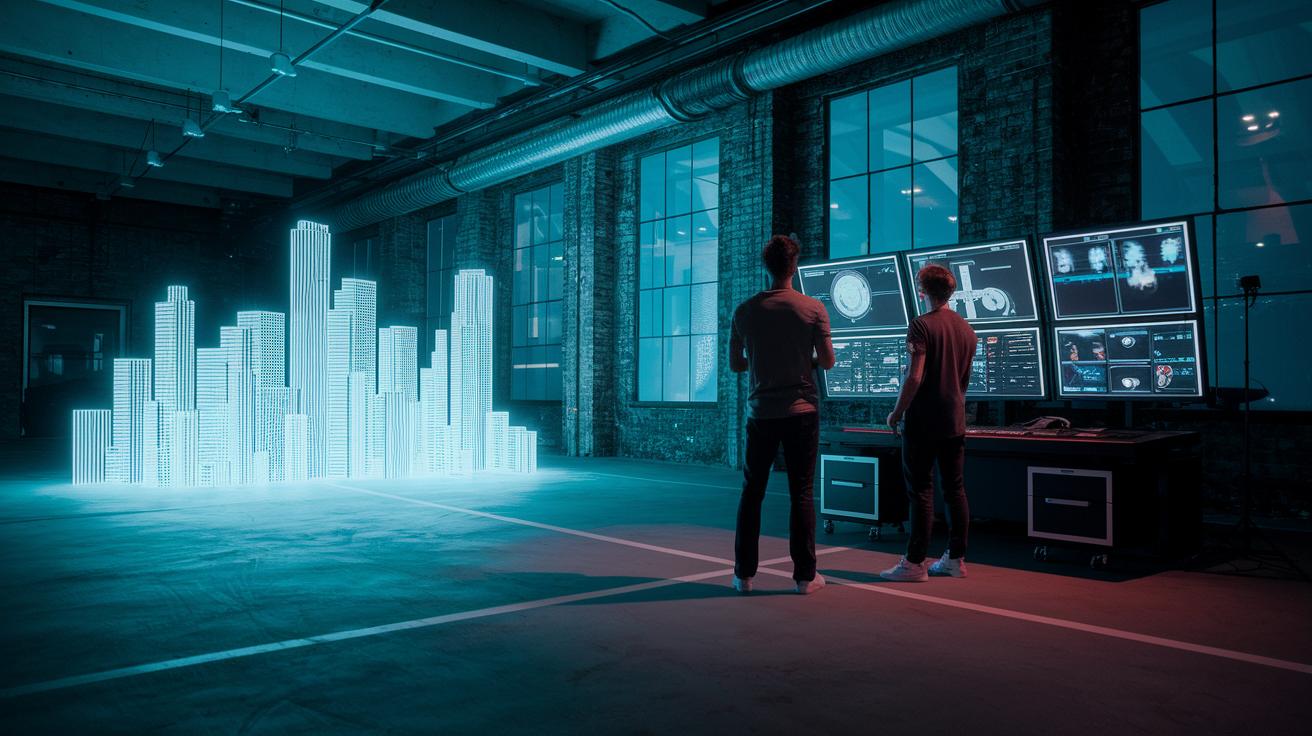
VFX studios are the heartbeat of today’s film magic. Big names like Industrial Light & Magic, MPC, DNEG, Framestore, Pixomondo, Digital Domain, The Mill, and Crafty Apes push creative boundaries every day by mixing clever digital tricks with live action. For example, Industrial Light & Magic might blend breathtaking digital landscapes with real-world scenes to boost the film’s emotion.
Data-driven tools now guide these creative choices. Vitrina’s tracking platform, for example, watches VFX projects in over 100 countries. It shares real-time facts about budgets, schedules, and technology trends. When a studio sees that virtual production budgets are rising, they can quickly shift their plans, much like a director tweaking a scene on the fly.
Key benefits include:
- Better planning with quick insights
- Smoother workflows that cut down delays
- Smarter decisions on tech investments and creative risks
Studios rely on this mix of creative vision and real-time data to organize complex schedules and manage budgets wisely. This blend of art and analytics keeps pushing every new film to explore new levels of storytelling and technical innovation.
Future Trends in Special Effects for Modern Filmmaking
AI-driven methods and smart computer programs are changing how films are made. Real-time rendering engines let directors see digital tweaks on set, cutting editing time nearly in half. This means stories can shift as they are being filmed, blending live action with digital art smoothly.
Virtual production, first seen with The Mandalorian, is now more within reach for many filmmakers. LED screens and digital set extensions allow live filming with backdrops that can change instantly. This setup gives crews the freedom to experiment with lighting and framing right on the spot. Motion capture is also stepping up, underwater capture now lets filmmakers record delicate water scenes with amazing detail.
Interactive visual effects and virtual reality film tools are opening new ways to pull audiences into movie worlds. As metaverse ideas grow, viewers might soon explore films interactively on their screens. These innovative tools promise a future where special effects not only dazzle the eye but also shape the entire storytelling experience.
Final Words
In the action, we explored technical breakthroughs and creative leaps that bring films to life. Special effects, both practical and digital, fuel immersive storytelling and bring lasting visual impact to blockbusters and indie fare alike.
We looked at case studies from Avatar to The Mandalorian and noted how special effects influence modern filmmaking. This clear look at VFX innovations serves as a reminder that exciting visual transformations are here to stay, lighting the way for future breakthroughs. Enjoy watching these visual marvels come alive on screen!
FAQ
FAQ
What are some examples of special effects and visual effects in movies?
The examples of special and visual effects in movies include physical techniques like makeup, miniatures, and stunts, as well as digital effects such as CGI seen in films like Avatar and Jurassic Park.
What is meant by special effects and what types are available?
The term special effects refers to illusionary techniques used in films and includes practical effects (like makeup and miniatures) as well as digital effects, which enhance a movie’s visuals.
What is the difference between special effects and visual effects?
The difference lies in their creation; special effects are often done live on set with physical methods, while visual effects are added later in post-production using digital tools.
What do terms like “special effects in films crossword” and “special effects in films Abbr” mean?
These terms point to the use of abbreviations, such as SFX, that are often featured in puzzles and crosswords related to film effects terminology.
What is a special effects app?
A special effects app is a software tool that allows users to add digital effects and animations to images or videos, enhancing their visual appeal without professional equipment.
How do special effects impact a film?
Special effects impact a film by boosting its visual storytelling, creating immersive environments, and intensifying dramatic scenes that make a movie more engaging for its audience.
Why are special effects such a crucial element in making a movie?
Special effects are crucial because they help bring imaginative scenes to life, support the story’s atmosphere, and provide memorable visuals that captivate viewers throughout the film.
What are the advantages of using special effects in filmmaking?
The advantages include enhanced visual appeal, greater creative possibilities, more realistic world-building, and the ability to produce scenes that might otherwise be impossible to film.
How are special effects added to film?
Special effects are added through a combination of on-set physical techniques and digital post-production processes, which include using CGI and VFX software managed by skilled technicians.