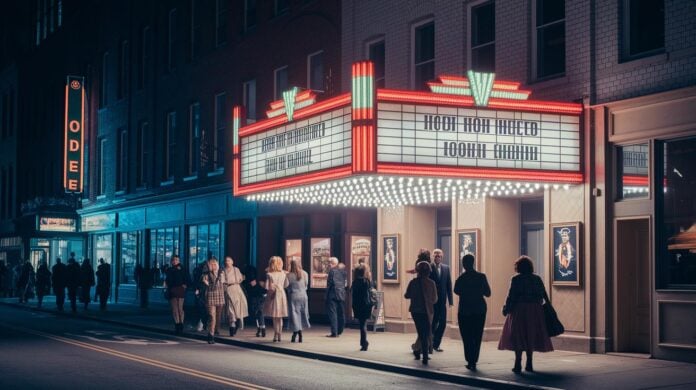

Ever wonder why some film fans treat movies like hidden treasures? A vintage film collection is far more than a casual hobby; it is a gallery of memorable moments that revive the past. This guide shows you how to choose films that echo earlier eras, set a smart budget, and explore the story behind each title. Follow these simple steps to build a collection that captures the charm and style of vintage cinema while keeping those memories alive for years to come.
Step-by-Step Guide to Build a Vintage Retro Film Collection
A vintage retro film collection is more than just a random mix of old movies. It’s a handpicked archive that captures the look and feel of past eras. From grainy black-and-white classics to colorful 80s blockbusters, each film shows a different part of cinema’s history. Some collectors spend years gathering movies that reveal a century’s worth of style shifts. This approach appeals to nostalgic movie lovers and new viewers who want to experience the retro charm.
To start your collection, follow these steps:
- Pick your focus: Choose an era, genre, or format. For example, decide if you want silent films or 80s cult favorites.
- Set a budget and timeline: Plan your spending and schedule like a small project.
- Do your research: Look for trusted sources such as local auctions, estate sales, or reliable online sites.
- Buy smartly: Check each film’s condition, authenticity, and history before you purchase.
- Preserve and display: Use archival sleeves, acid-free boxes, or shadow boxes to keep your movies in top shape.
By choosing a clear theme, planning your budget, and researching carefully, you can build a collection that tells a vibrant story of film history while keeping your treasures safe and showcased.
Defining Focus for Your Vintage Retro Film Collection
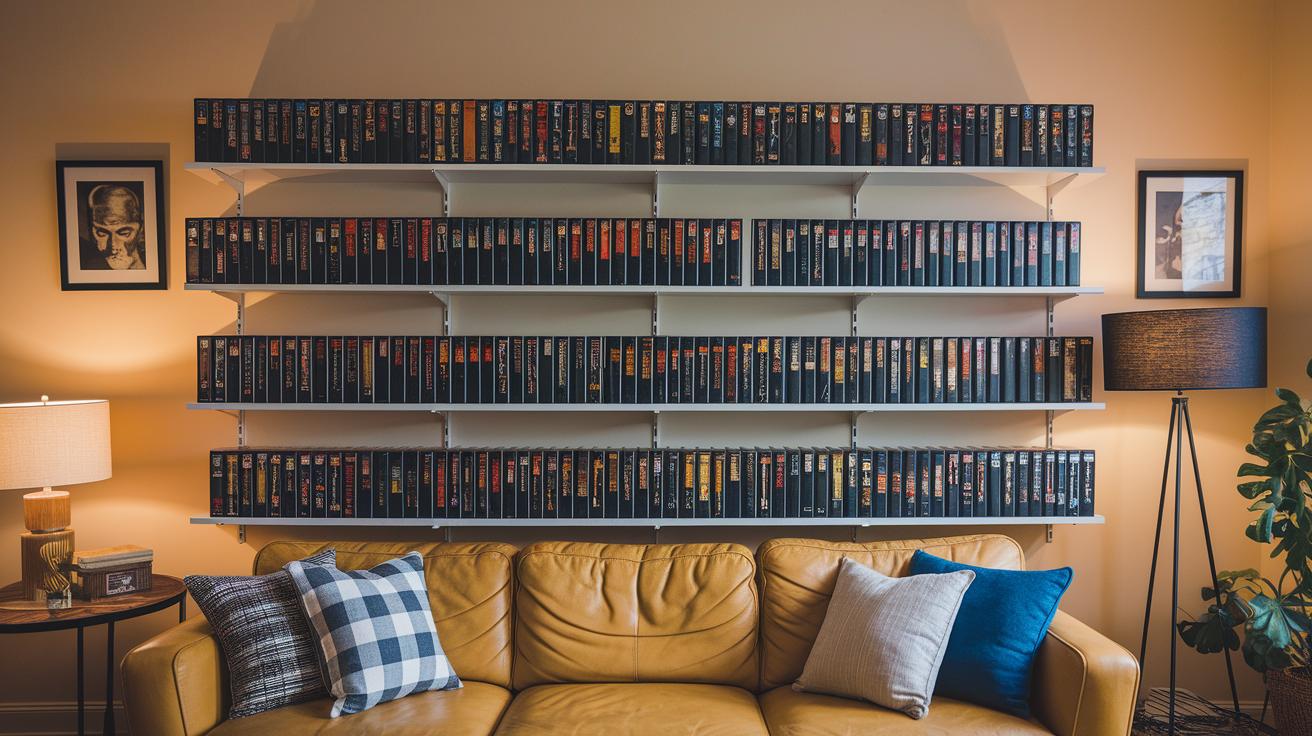
Keeping your film collection focused is the smartest way to avoid a chaotic pileup. When you decide on a clear theme, you steer clear of adding movies that don’t fit your personal vision. This means you can put your time and money into films that matter to you. For instance, you might say, "I collected films from the 1920s to capture the raw excitement of silent movies." This careful choice of films helps you build an archive that truly tells the story of cinema’s past.
Think about organizing your collection around four simple ideas: time period, film type, a director’s style, or studio work. Picking a time period like Golden Age Hollywood or 1980s cult classics sets a clear limit. Focusing on one film type, such as film noir (a style known for its dark, moody look) or comedy, makes your collection feel consistent. Choosing films by a specific director lets you explore their unique vision, and grouping movies by studio links them with similar production vibes. Each option helps you pick films with a strong, clear focus, keeping your collection interesting and true to your taste.
Sourcing Rare Titles for a Vintage Retro Film Collection
Finding hidden film treasures means checking both in-person spots and online hubs. Visit auction houses, estate sales, local stores, or even a flea market where collectors often bring in rare finds. Don't overlook online marketplaces and film forums either – they sometimes have titles that local shops miss. Try niche retailers that specialize in cult classics. Treat each search like a fun treasure hunt, as if you were deciphering a secret message on an old postcard.
When browsing listings, look closely at every detail. Use high-quality photos and clear condition notes as clues to a film's authenticity. Review the film’s backstory (provenance) to help avoid overpaid items. Armed with this info, you can negotiate prices confidently and join collector communities to swap tips and early leads. Over time, this careful approach turns your collection into a unique mix of rare, personal, and historically rich pieces.
Preservation Strategies for a Vintage Retro Film Collection
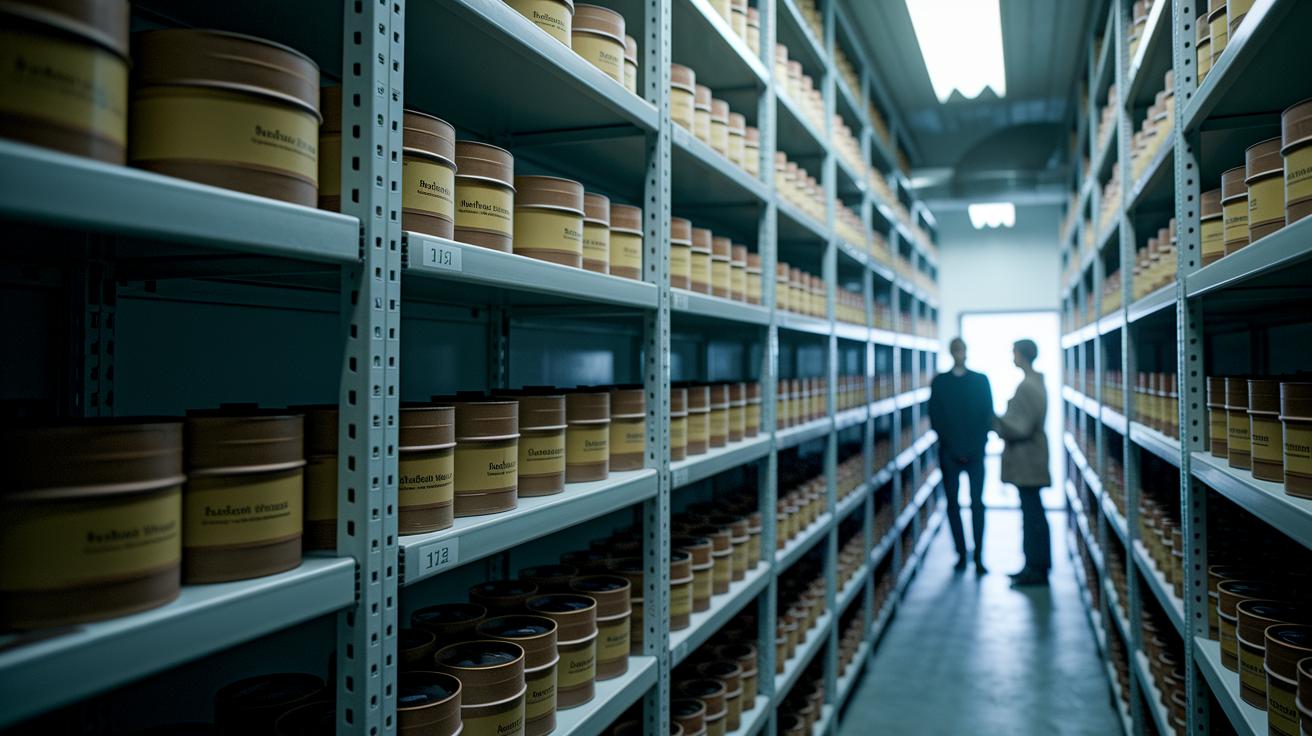
Old film is very delicate. To keep its chemical makeup and images intact, store it in a stable space. Aim for a temperature between 50 and 60°F to avoid warping. Keep humidity around 30-40% to prevent mold and moisture damage. Low light exposure stops fading, and dust-free shelves help avoid scratches. Use archival sleeves, acid-free boxes, and the right canisters to block chemical damage. Always follow the manufacturer’s care instructions; even minor shifts in temperature or humidity can harm your films, much like mishandling a treasured artifact.
Handling your films with care is just as important as storing them correctly. Always use soft-cotton gloves to stop oils from your skin and to prevent scratches. Each step works together to shield your vintage films, keeping their timeless charm alive for future generations. Taking these precautions gives you a lasting connection to the past.
| Condition | Ideal Range | Recommended Material |
|---|---|---|
| Temperature | 50–60°F | Climate-controlled cabinet |
| Humidity | 30–40% | Silica gel packs |
| Light Exposure | Dark storage | Opaque containers |
| Handling | Gloves & support | Soft-cotton gloves |
Organization and Display in a Vintage Retro Film Collection
Start by creating an easy system to track your films. Make a simple list with each film's title, format, and the date you got it. Label your shelves or storage bins by similar film eras or types. Think of it like a family photo album, each film has a special place that makes finding your favorite a breeze.
Get creative with your display. Use shadow boxes to show off vintage lobby cards or framed posters, and try a scrapbook layout for a nostalgic feel. Keep reels safe in small glass-front cabinets away from harsh light and heat. You can even plan simple screenings to share your collection with friends and bring the experience to life.
Expert Tips for a Vintage Retro Film Collection
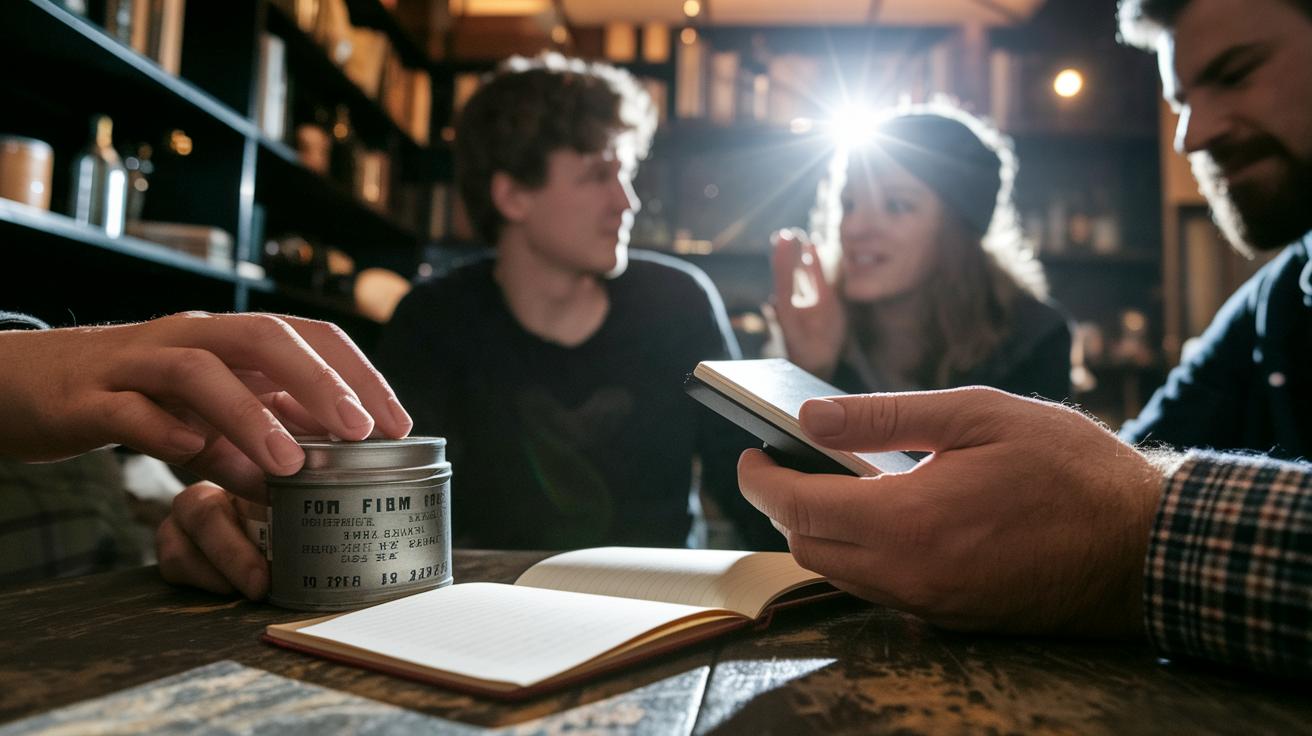
Top collectors say it’s best to choose movies with deep personal meaning rather than focusing solely on cost. Start with a few films to learn how to handle these delicate items safely. Keeping simple, detailed records with care tips for each film will help your collection stay in top shape.
Also, join community forums or local film clubs. Many collectors find that these groups offer trade leads, early access to rare finds, and plenty of practical advice. One experienced collector even discovered a hidden gem through a club suggestion. Networking with others not only teaches you new methods but also keeps the passion for collecting alive.
Historical Context for a Vintage Retro Film Collection
Film history tells a story of constant change. Early movies from the 1890s to the 1920s were made on a type of film stock that breaks down with time. This era offers a window into the raw and experimental beginnings of cinema. Later, during the Golden Age from the 1930s to the 1960s, rich color and classic studio films emerged. These films, with their bold visuals and artistic touch, are beloved by collectors despite the challenges of preserving old materials.
As time moved on, film formats evolved once again. From the 1970s to the 1990s, the home-video boom brought VHS tapes and laserdiscs, making movies more available to everyone. However, these formats come with their own preservation issues, like physical wear and outdated technology. Understanding this history helps collectors pick titles that celebrate both cinematic art and our cultural past.
Final Words
In the action from start to finish, this guide broke down how to build a vintage retro film collection into clear, manageable steps. It touched on defining your focus, sourcing rare titles, proper preservation, and creative organization. Each section gave you a solid blueprint for curating a unique archive while keeping the process straightforward.
The guide shows that a well-planned film collection can transform your viewing experience. Enjoy building your collection and uncovering timeless cinematic treasures.
FAQ
How to build a vintage retro film collection reddit
The query about building a vintage retro film collection on Reddit refers to gathering tips by focusing on era selection, budgeting, sourcing reliable sellers, and preservation techniques to create a cohesive archive of retro films.
How can digital camera settings and editing software like Premiere Pro create vintage film effects, including film camera features for digital media?
The question about achieving vintage film effects explains that adjusting contrast, adding grain, and using free presets in Premiere Pro or digital camera settings helps mimic the look of old film and lends videos a nostalgic vibe.
How to make a vintage film?
The question on making a vintage film means using period-inspired visuals, careful editing, and appropriate color grading to capture the distinct look and feel of classic films, ensuring an authentic retro style.
How to develop old films?
The inquiry about developing old films means employing traditional darkroom techniques with precise chemical mixtures and temperature controls to process and preserve delicate film negatives safely.
Why are people buying old digital cameras?
The question about buying old digital cameras points out that enthusiasts value their unique design, nostalgic charm, and the distinctive image qualities they bring, which differ from current digital camera models.