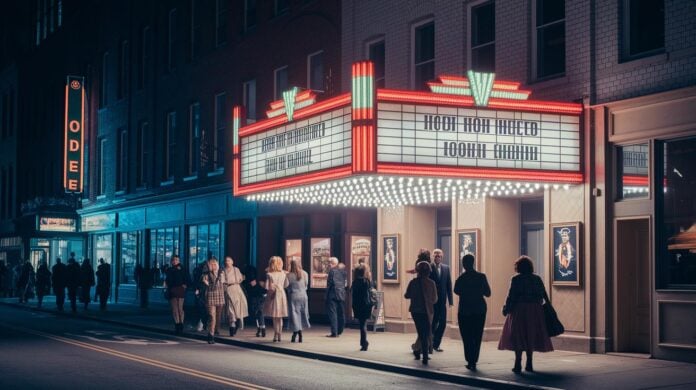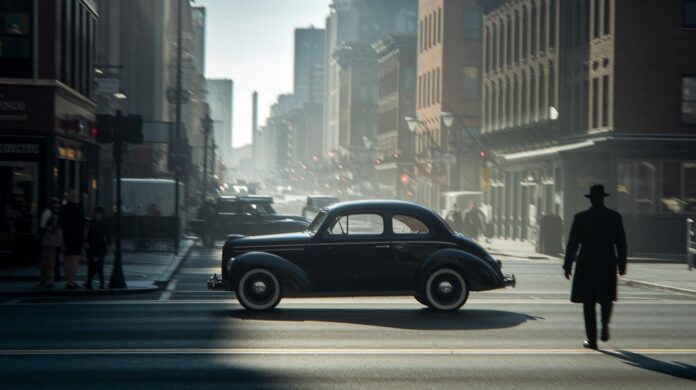

Ever wonder why movies from decades ago still pack a punch? Think about the towering spectacle of King Kong or the memorable, two-note score of Jaws. Films from the 1930s to the 1970s blended strong characters, striking visuals, and timely social ideas to mirror their times. Their bold style and clear storytelling not only paved the way for modern cinema but also continue to inspire today’s filmmakers. This post explores how these classic films have created a lasting impact that still echoes in every era of film.
Iconic Retro Films: Foundations of Cultural Influence

Retro films are movies made roughly between the 1930s and the 1970s that still speak to audiences today. During that time, filmmakers mixed moral lessons, political ideas, and a sense of community to create stories that have lasted. Movies like King Kong (1933) offered gripping plots and set the stage for new ways of storytelling with bold visual tricks and smart techniques.
These classics are also known for their striking images and simple, unforgettable lines. Take King Kong’s breathtaking scene atop the Empire State Building, which blends victory with a hint of fragility. Or remember the two-note score in Jaws (1975) and its famous line, "You're going to need a bigger boat." These moments quickly capture the mood of danger and thrill in just a few seconds.
Even today, directors and storytellers look back at these films for inspiration. The blend of clear character work, strong visuals, and timely social commentary from early Hollywood still helps shape modern cinema.
Iconic Retro Films That Redefined Social Norms

Movies from the later 1900s changed how we see youth, love, and society. They introduced fresh ideas in a rapidly changing world and showed new ways to understand relationships, communication, and cultural divides. These films used everyday life as a backdrop to tell their stories, connecting with audiences and paving the way for modern storytelling. Here are five classic movies that entertained us while also shaping social ideas when they hit theaters:
-
Saturday Night Fever (1977)
This film shines a light on city youth and Brooklyn's lively disco scene. It explores the gaps between social classes and captures the fierce energy of urban nights. The movie made working-class dreams and style feel bold and real. -
When Harry Met Sally… (1989)
With smart dialogue and a story many can relate to, this movie set the stage for modern romantic comedies. It reflects the dating worries of its time and became a guide for countless films that followed. -
Sleepless in Seattle (1993)
This film reimagined long-distance love. It turns radio calls and written letters into symbols of true connection, blending old-fashioned romance with new ways to communicate. -
You’ve Got Mail (1998)
Looking at early digital romance, this movie offered a new view on dating in the email age. It also highlighted the growing challenge small businesses faced against large corporations in a changing market. -
James Bond series (1954–)
This long-running series created memorable characters and stories that mirror the cool style and mystery of the Cold War. Its slick take on spy adventures set trends in action and intrigue for decades.
These films not only brought us entertainment but also reflected the big cultural shifts of the 20th century.
Iconic Retro Films: Visual Aesthetics and Musical Innovations

Retro films broke away from old-school poster art and standard on-screen design. Studios took bold chances by pairing striking visuals with thoughtful music. For example, King Kong (1933) used early stop-motion to create unforgettable images and give its promotional art a heroic flair. In the 1950s, sci-fi movies stunned audiences with vivid colors and new typography that reset the look of film promotions. Even a simple two-note cue in Jaws changed how music built tension. These choices helped tell stories visually right from the first moment and set a film’s unique style.
| Film Title | Aesthetic Innovation | Soundtrack Element |
|---|---|---|
| Jaws | Two-note motif | Minimalist orchestration |
| King Kong | Stop-motion artistry | Heroic orchestral theme |
| Goldfinger | Bold typography/poster | Jazz-influenced score |
Today, filmmakers still draw on these classic ideas. They look to bold visuals and signature musical cues to connect classic style with modern storytelling.
Iconic Retro Films: Narrative Innovations and Unforgettable Dialogue

Old films changed the way stories were told. They mixed strong visuals with sharp, memorable dialogue to create movies that still influence us today. These early experiments turned films into cultural touchstones and set the stage for modern screenwriting.
For instance, Casablanca (1942) made movie history with the line "Here's looking at you, kid." This simple phrase captured both romance and a quiet form of rebellion. The Godfather (1972) relied on deep characters and a promise as haunting as "I'm gonna make him an offer he can't refuse" to explore complicated family ties. Citizen Kane (1941) shook up storytelling with flashbacks that jump around in time, inviting viewers to piece together the plot like a puzzle. And in Psycho (1960), Hitchcock used unseen sound cues and tight suspense to redefine the thriller.
Today, many filmmakers look back at these classics for inspiration. They borrow ideas like layered flashbacks and clever sound tricks to craft stories that feel fresh while paying tribute to those groundbreaking old movies. Even blockbuster directors say that innovative dialogue reminds them to keep their storytelling honest and engaging.
Iconic Retro Films’ Techniques in Today’s Filmmaking

Old film techniques are back in style. Today’s movies mix hands-on effects from the 1970s with modern digital magic. Filmmakers use mini models and practical sets alongside computer-generated visuals. They borrow lighting tricks from 1940s film noir and widescreen styles from 1950s epics to boost the drama in big blockbuster scenes. This blend of past and present shows how classic films still shape modern storytelling.
Story pacing and camera framing now echo the quick wit of screwball comedies and the careful timing of classic thrillers. Directors add nods to retro cinema by using precise camera moves that build tension or highlight a funny moment. For example, a close dialogue scene may be set against a wide shot that brings to mind the grandeur of classic epics.
Young filmmakers are embracing these tried-and-true methods, especially at festivals like Sundance. They experiment with traditional framing and old-school model effects to give their movies a real, tactile feel. By reviving these classic techniques in today’s films, they honor the past while bringing a fresh touch to modern cinema.
Iconic Retro Films: Nostalgia, Revivals, and Cultural Resonance
Streaming services and film festivals are sparking fresh interest in old cinema gems. Platforms like the Criterion Channel bring restored classics such as Casablanca and King Kong to new and old fans alike. Festivals and on-demand releases let audiences enjoy these films in crisp, updated quality. In this way, digital revivals keep vintage movies a lively part of today's culture.
Fans and niche media also play a big role in keeping these films alive. Online discussion boards and review sites drive animated debates about how best to preserve and celebrate those iconic moments. Even adaptations, like video and board games inspired by classics (think of Pac-Man references), create fun, interactive links to the old films. Social media chatter and fan groups turn these movies into common points of reference that shape modern pop culture and storytelling.
Final Words
In the action, we explored how classic films set the stage with memorable visuals, bold storytelling, and groundbreaking dialogue.
We examined how these movies shaped modern filmmaking and continue to influence cultural trends today.
The breakdown highlighted everything from iconic moments to innovative technical craft.
This deep dive shows that iconic retro films and their cultural impact still spark excitement and creativity in our viewing choices.
Keep an eye out, great films of the past pave the way for an inspiring future.
FAQ
What defines pop culture movies from the 2000s and modern pop culture movies?
The movies from the 2000s and modern pop culture films combine engaging narratives, memorable characters, and trends that appeal to wide audiences. They mix current styles with time-tested storytelling techniques to remain influential.
Where can I find pop culture movies on Netflix and curated classic movie lists?
Many streaming services like Netflix feature pop culture movies, along with online curated lists that highlight both modern hits and classic titles. These resources help you easily select films that suit your viewing tastes.
What are cultural movies for students?
Cultural movies for students are films that spark conversation about history, society, and shared values. They present stories and memorable scenes that provide context and serve as engaging educational tools.
What are classic movies?
Classic movies are films that have stood the test of time due to their significant storytelling, iconic characters, and unique production styles. They continue to influence modern cinema and captivate audiences.
What movie impacted American culture and is considered a culturally significant film?
A movie that impacted American culture weaves memorable quotes and scenes into the national dialogue. Films like Jaws set high standards in suspense and storytelling, leaving a lasting mark on society.
What is the #1 most inspirational film of all time?
The idea of the most inspirational film is subjective, but many consider titles like Casablanca as timeless. Such films inspire audiences with their enduring themes of love, sacrifice, and resilience.
Who were the biggest retro movie stars?
The biggest retro movie stars were icons whose performances left a lasting legacy. Their roles in films like King Kong and early James Bond series shaped film history and continue to influence cinematic style.