
Watch – 8.5/10: A visually striking revenge thriller that fuses brutal emotion with artful craft.
• Story: Dark, intense, and relentless
• Direction: Bold and imaginative
• Acting: Raw and captivating
• Technical Craft: Stunning visuals and eerie sound
Oldboy, directed by Park Chan-wook, turns revenge into a mesmerizing work of art. The film pulls you in from the first frame with dark, empty settings and a haunting sound that seems to echo deep pain. Every scene feels deliberately crafted, as the director transforms despair into a powerful visual experience. This is a film that uses its raw energy and bold imagery to explore what true justice might really look like.
In-Depth Breakdown of Oldboy’s Revenge Saga

In 1988, Oh Dae-su is suddenly taken away and held captive for 15 years with no explanation. During his imprisonment, the film shows us its mood through sparse sound, careful framing, and camera shifts that capture his deep despair. These opening scenes reveal director Park Chan-wook’s unique mix of raw realism and bold violence. The tight, oppressive setting tears away the comfort of normal life while hinting at cycles of revenge, social critique, and even moments of psychological tragedy. For instance, the dim prison cell makes every heartbeat echo like a reminder of past pain.
Then, without warning, Dae-su is released, sparking a dangerous search for answers about his broken past and thirst for revenge. Each step deepens the mystery until a shocking twist on his birthday forces both him and us to face difficult truths. Bold images and Choi Min-sik’s intense performance build the film’s emotional power, as tension slowly unveils the dark, hidden corridors of human feelings. At one point, the sudden opening of the prison door feels like hope and fear colliding, beginning a risky journey through moral gray areas.
Park Chan-wook’s Directorial Style in Oldboy

Park Chan-wook grabs your attention from the very first frame. He slips in hidden cuts that slowly drop clues until everything comes together at the climax. Picture a quiet scene where a surprise edit suddenly changes everything. This careful pacing pulls you deeper into the drama.
The film blends raw, gritty realism with scenes that pulse with tension. Brutal action meets intimate, unsettling visuals that make each moment feel heavy, like a fight scene where every camera linger captures a heartbeat. This mix heightens the stakes and sharpens the moral conflicts.
There are also hints of ancient, mythic tragedy woven throughout. Small nods to old stories, including troubled family myths, give the film a timeless feel. These echoes invite you to consider bigger personal and social questions while adding extra depth to the revenge tale.
Character Study: Oh Dae-su and Lead Performances
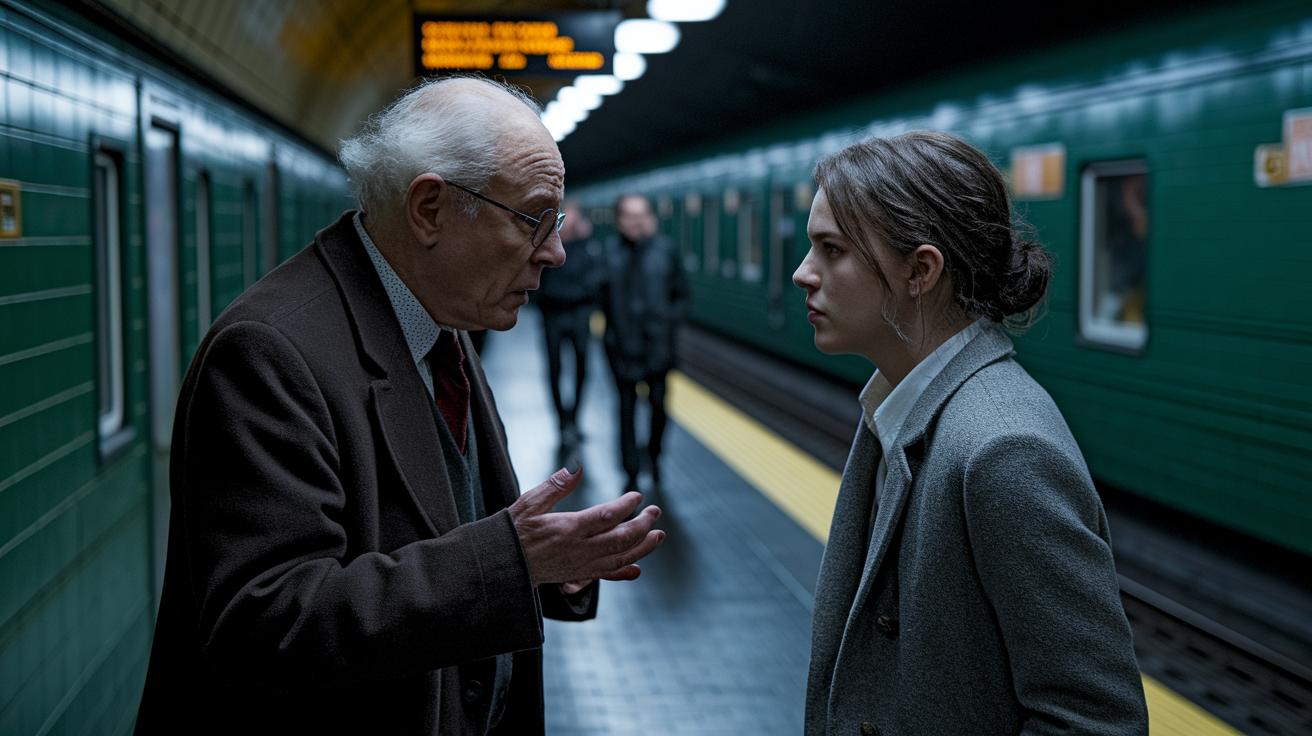
Choi Min-sik gives a powerhouse performance as Oh Dae-su. After 15 years of isolation and despair, his acting shows raw anger and a slow search for redemption. Every look and gesture is filled with a haunted past and a deep need for revenge. Watching him walk through his memories, you can feel the rising tension that reflects his internal battle between past pain and the hope of change.
The film also benefits from a strong supporting cast that adds rich emotional layers. The scenes between Dae-su and Mi-do mix fear with a surprising gentleness, while other characters bring out themes of shared guilt and loneliness. Their interactions raise questions about personal duty and betrayal. Each subtle whisper and glance builds a deep psychological mood, reminding us that even in a dark world of revenge, there are sparks of compassion and reminders to question our own limits.
Cinematography and Visual Aesthetics in Oldboy

Chung Chung-hoon gives Oldboy a unique look that mixes raw force with hidden beauty. He uses a burst of colors and strong lights to set a tense mood from the first glance. His smart framing shows both the wild action and the quiet sadness beneath it. One scene that stands out is the long, uncut corridor fight. With wide-angle lenses and smooth handheld shots, this scene pulls you right into the intensity and raw emotion of the moment.
- Vibrant colors that heighten the film’s emotional pull.
- Sharp lighting that carves out dramatic spaces and deep shadows.
- Thoughtful framing that uncovers hidden layers and meanings.
- A long, uncut corridor fight that captures physical might with fluid camera work.
- Close-ups that pick up on tiny expressions, boosting the sense of inner turmoil.
All these visual tricks work together to create a striking picture that matches the film's dark story. The play of light and shadow, along with careful camera angles, keeps the feeling of constant tension and inner conflict. Chung Chung-hoon’s distinctive style makes every frame count, turning each shot into a memorable piece of the film’s overall mood.
Plot Structure, Pacing, and Twist Analysis in Oldboy
Oldboy tells its story in three parts that pull you deep into its dark world. First, we see Oh Dae-su snatched away in 1988 and locked up for 15 long years. The slow, careful editing hides clues while making you feel the deep despair of his isolation. Once he’s freed, the film shifts into a faster pace as Dae-su races to uncover the truth. Quiet, thoughtful moments mix with bursts of frantic action, setting the stage for a twist that flips the entire story on its head.
| Act | Description |
|---|---|
| 1 | Oh Dae-su is kidnapped and held in a 15-year solitary confinement. |
| 2 | He is unexpectedly released and immediately begins his search for answers. |
| 3 | The film bursts with energy during a famous corridor fight scene. |
| 4 | Dae-su’s bond with Mi-do grows, raising the stakes and tension. |
| 5 | An incest twist and a later memory-erasure dilemma force a reevaluation of everything. |
That twist not only stuns but also makes you question the whole journey. It comes from a captor who is determined to punish Dae-su for a childhood rumor, creating a moral maze that the film explores deeply. When the idea of erasing memories appears, it reminds us that facing the truth can have a high price. Oldboy uses a mix of slow build-up and sudden surprises to leave a lasting, psychological impact on its viewers.
Thematic Depth and Symbolism in Oldboy’s Revenge Drama
Oldboy tells a revenge story that sticks with you long after the movie ends. The film sets up a loop of payback that makes the feeling of being trapped seem strangely like a glimpse of freedom. As secrets come to light, characters wander through a maze of confused memories and identity issues. A recurring image, a small, lonely cell, reminds us of isolation and the heavy burden of past mistakes.
The film also turns violent moments into a deeper look at human nature. One standout scene uses a hammer not just as a tool for retribution but as a symbol of what revenge really means. A twist in the story even hints at old myths about desire and guilt. By diving into these dark, tangled ideas, Oldboy leaves us with questions about where right ends and revenge begins rather than giving us clear answers.
Symbolic Motifs
Oldboy often uses images like a confined cell and a hammer to show both physical and emotional traps. These symbols turn acts of violence into a language of fate and consequence that feels real and immediate.
Moral Ambiguity
The characters in the film make choices that blur the lines between good and bad. Their decisions make us think about whether true justice is ever possible in a world stuck in a cycle of revenge.
Soundtrack and Editing in Oldboy
Jo Yeong-wook's score, "The Last Waltz," fills Oldboy with raw emotion. It flows from gentle, tender tunes to harsh, jarring sounds that bring the film's darker moments to life. In one key scene, a soft, calming piece bursts into a storm of sharp notes, capturing Oh Dae-su's inner chaos. This seamless change in music deepens every scene and pulls you right into the heart of the story.
Editing works closely with the score to set the film's driving rhythm. The movie shifts between long, quiet takes that let you feel the characters' deep emotions and quick, snappy cuts that crank up the tension. Every edit feels deliberate, adding to the unpredictable pace and making you feel the suspense with every moment.
Legacy and Cult Status of Oldboy Film
Oldboy shocked the world when it won a big award at Cannes in 2004. That win lifted director Park Chan-wook’s profile and proved the film's power to surprise and grip viewers. It was like the film was saying, "This story matters." The award set a high bar for revenge thrillers, and filmmakers have admired its bold storytelling ever since.
Across the globe, Oldboy has pushed directors to take risks and explore darker, tougher storylines. Its mix of a fast pace, raw characters, and stylish visuals has inspired many to try new ideas. For example, some filmmakers use sharp visual twists (sudden changes in what you see) to keep the audience on their toes, showing Oldboy's lasting influence.
Oldboy’s cult status is also built on midnight screenings and a devoted fan community. These late-night showings create a shared experience where people discuss its intense themes and mysterious feel. This sense of community has helped Oldboy remain a standout film that continues to be celebrated by movie lovers around the world.
Final Words
In the action, the blog post breaks down Oldboy’s revenge saga with a clear focus on plot twists, bold visual style, and deep character studies. It maps out Oh Dae-su's shocking 15-year confinement and explosive journey while highlighting Park Chan-wook’s distinctive directorial choices and Chung Chung-hoon’s striking cinematography.
The thematic and stylistic analysis offers a compact synopsis that resonates with fans and newcomers. This oldboy film review leaves us with an energized outlook, inviting you to experience the film's unforgettable intensity.
FAQ
Q: What do Reddit users say about Oldboy film reviews?
A: Reddit users often highlight Oldboy’s twisted narrative, intense visuals, and Choi Min-sik’s strong performance, praising the film for its raw emotion and unforgettable twists.
Q: How do the Oldboy 2013 and Oldboy 2017 versions differ from the original?
A: Discussions suggest that the 2013 remake alters the narrative tone and style, while any 2017 references remain ambiguous; most viewers still favor the original for its bold direction and powerful impact.
Q: Is Oldboy available on Netflix?
A: Netflix availability for Oldboy varies by region, so it’s best to check your local catalog to see if the film is available for streaming.
Q: What does the Oldboy ending explain?
A: The Oldboy ending reveals a shocking twist that reframes the entire story, underscoring themes of revenge, loss, and the far-reaching consequences of past actions.
Q: What can be expected from Oldboy 2023?
A: Oldboy 2023 sparks renewed interest and discussions around its legacy, reinforcing its status as a groundbreaking film with enduring themes and a unique, dark aesthetic.
Q: Whose hand was cut off in Oldboy?
A: The film reveals that a key character loses his hand, symbolizing a profound personal and emotional loss that ties deeply into the narrative’s exploration of revenge and despair.
Q: Is Oldboy a Japanese or Korean film?
A: Oldboy is a Korean film, celebrated for its striking visual style and intricate storytelling that helped define modern South Korean cinema.
Q: What is the message of Oldboy?
A: Oldboy’s message centers on the destructive power of revenge and the unforeseen, tragic consequences that follow personal vendettas, prompting viewers to consider the moral costs of vengeance.
Q: Based on reviews, is Oldboy worth watching?
A: Reviews consistently recommend watching Oldboy for its innovative direction, compelling performances, and a storyline that challenges viewers with unexpected twists and thought-provoking themes.
Q: How does Oldboy compare with films like Memories of Murder, Parasite, I Saw the Devil, The Handmaiden, and The Prestige?
A: Oldboy stands out with a mix of raw action and deep psychological themes, earning comparisons to films like Memories of Murder and Parasite, while its twisty narrative resonates with fans of I Saw the Devil, The Handmaiden, and The Prestige.