
Ever thought you could bring a complex sci-fi film to life on a tiny budget? Primer proves that doing more with very little is possible. Writer and director Shane Carruth handled everything, from writing and filming to even creating the score, all on a $7,000 budget. This post walks you through each stage of production, from careful planning before shooting to a simple, effective post-production process. Discover how a modest budget led to a creative breakthrough that continues to inspire indie filmmakers everywhere.
Primer’s $7,000 Movie Budget at a Glance
Released in 2004 on a tiny $7,000 budget, Primer shows how a smart idea can overcome financial limits. Creator Shane Carruth handled almost everything himself, writing, directing, producing, editing, acting, and even the music, over a span of three years. His hands-on work proves that even with little money, creativity can lead to innovative storytelling.
Filmed on Super 16 (a smaller film format) during five intense weeks in the Dallas area, every shot was planned to make every dollar count. The tight schedule and choice of film create a raw, almost documentary feel that adds to the movie’s charm. Primer is a clear example that great sci-fi can come from modest means when creativity guides the process.
Primer Movie Budget Breakdown by Production Phase
Pre-production Expenses
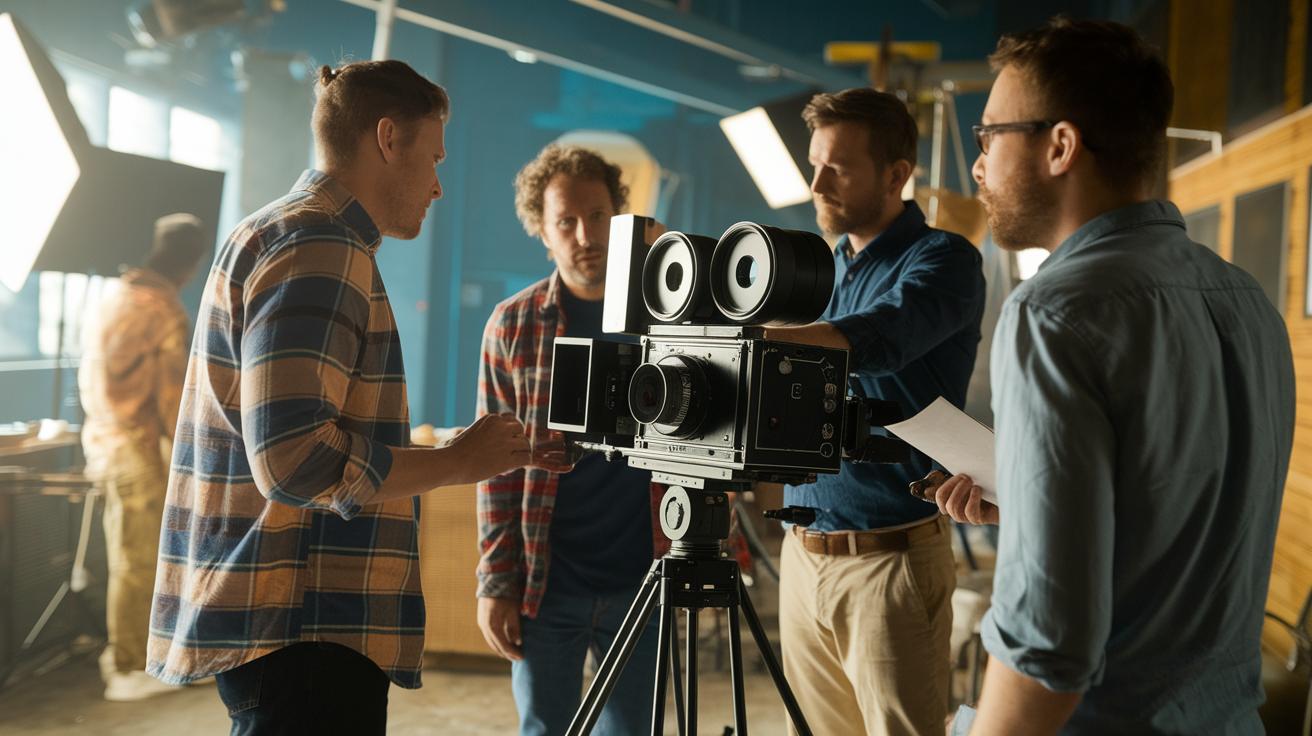
In pre-production, Primer made every cent count. The script was honed with very few resources, and every scene was planned in detail to avoid expensive fixes later. Location scouting happened on a tight budget in Dallas, using local spots creatively. Simple, everyday settings replaced costly sets, ensuring each dollar was spent wisely from the start.
Production Costs
During filming, Primer stuck to a no-frills style. The movie was shot on Super 16 film stock over just five weeks. Every shot was carefully planned so nothing was wasted. The crew worked for modest pay, and equipment was mostly borrowed or rented. Using real locations and everyday wardrobe meant there was no need for fancy special effects, keeping expenses low while maintaining a raw, realistic look.
Post-production Allocations
Post-production stayed just as lean. Shane Carruth edited the film himself on a strict schedule that fit the film’s minimalist style. The sound mix was handled in-house, and Carruth also composed the original score. With no outside help, every creative choice reinforced its indie charm while keeping the budget minimal.
| Phase | Primary Expenses |
|---|---|
| Pre-production | Script development, location scouting, DIY set prep |
| Production | Super 16 film stock, five-week shoot, minimal crew, borrowed equipment |
| Post-production | Hands-on editing, in-house sound mix, original score |
Primer Movie Budget and Low-Budget Filmmaking Techniques
Primer works on a tiny $7,000 budget, so every production decision has to serve two purposes, telling the story and cutting costs. The film uses real Dallas locations, everyday clothes, and a documentary feel. Instead of pricey visual effects, it relies on smart, technical dialogue to move the plot forward.
Carruth keeps things tight by handling the writing, directing, editing, and even the music. This hands-on method saves money by cutting out extra hires. Filming on location, sticking to single takes, and avoiding reshoots all help keep the production lean. Every decision is a clever move that shapes both the story and the budget-friendly style.
Primer Movie Budget Versus Other Independent Sci-Fi Productions
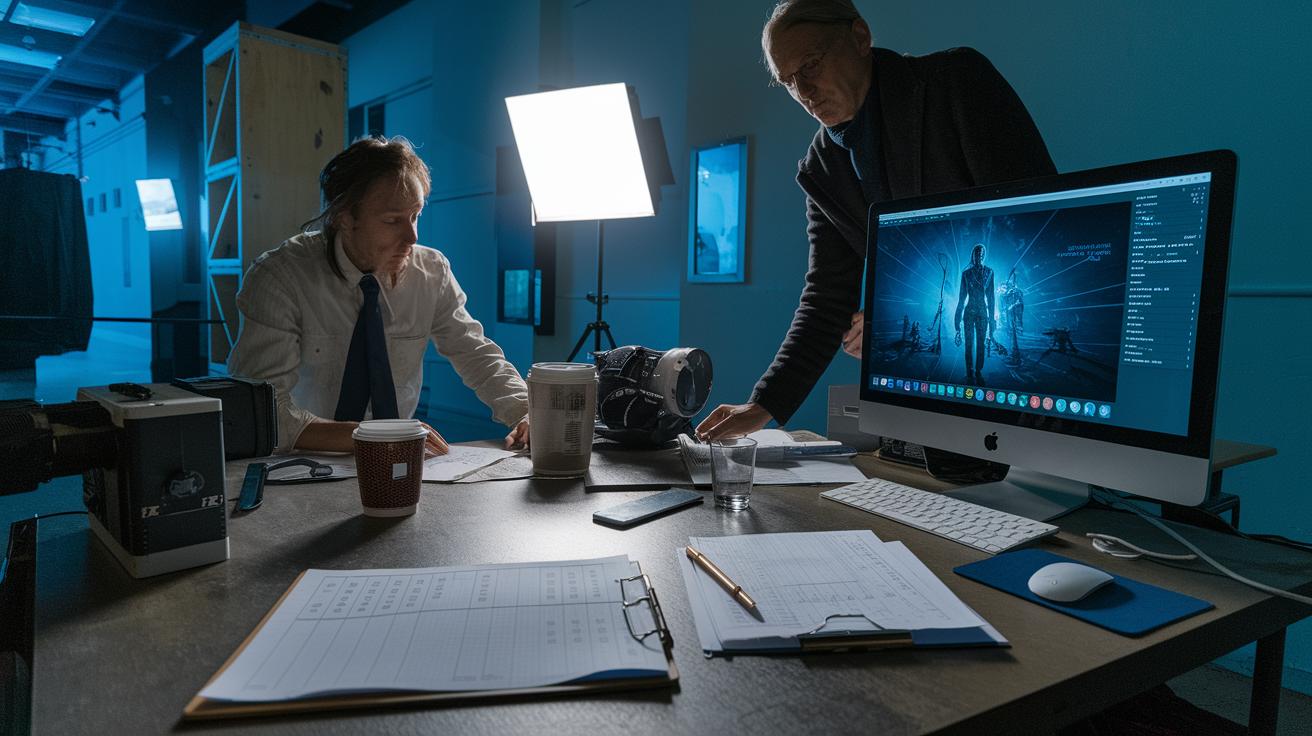
Indie films usually work with very tight budgets. They lack the big studio funds that pour millions into every project. Primer is a top example of ultra-low-budget indie sci-fi, made for just $7,000. That sum is tiny compared to other films in the genre, even ones that are labeled as low-budget. Primer shows that smart storytelling can stand out without spending a lot.
Look at Primer next to a film like 10 Cloverfield Lane. Although 10 Cloverfield Lane had a lot of money behind it, Primer’s simple approach is just as gripping. Keeping costs low proved that creative risks and frugal production can craft a layered story without needing flashy visual effects or large crews.
A small budget forces filmmakers to be inventive. It also changes how a film reaches its audience. Movies like Primer often build a loyal following through word of mouth and streaming sites. This cost-saving method makes Primer rise above the noisy sci-fi market by using financial limits to create a one-of-a-kind vision that connects with viewers.
Primer Movie Budget: Awards, Recognition, and Financial Return
With just a $7,000 budget, Primer surprised everyone by taking home major awards. The film won the 2004 Sundance Grand Jury Prize and the Alfred P. Sloan Prize. It shows that a clever, low-budget film can impress festival juries and critics without huge financial help. Carruth took on many roles, using his creativity to turn a small budget into a strong point.
Over time, Primer has grown into a cult favorite. Its smart use of limited funds has built a reputation for efficiency that both movie fans and industry insiders admire. The film still finds new audiences on streaming platforms and through word of mouth. This success proves that careful spending and artistic vision can keep a film relevant long after its initial release.
Final Words
In the action, we explored the $7,000 production of Primer, a film where Shane Carruth played every role from writer to composer. This tight, low-budget setup gave the film its distinctive indie sci-fi flair.
We broke down each production phase, spotlighting cost allocations and clever filmmaking techniques. The primer movie budget stands as a bold testament to making every dollar count while earning critical acclaim. It’s a must-see for anyone curious about crafty, cost-conscious filmmaking.
FAQ
Q: What is the total budget for Primer?
A: The $7,000 movie budget produced in 2004 drove Primer’s indie sci-fi innovations, with Shane Carruth taking on multiple roles to keep costs low.
Q: How does Primer perform in terms of movie profit and box office?
A: While detailed profit figures aren’t public, Primer’s success lies in its critical acclaim and cult following, proving influential among indie sci-fi films despite its modest box office draw.
Q: How is the movie budget for Primer discussed on platforms like Reddit?
A: Reddit discussions spotlight Primer’s $7,000 budget and clever resource use, sparking admiration for its innovative, DIY filmmaking approach among indie film enthusiasts.
Q: What is the duration of Primer?
A: Primer runs approximately 77 minutes, offering a compact, intense sci-fi experience that keeps viewers engaged without overextending its intricate narrative.
Q: Who is in the cast of Primer film?
A: The cast is led by Shane Carruth, who also took on multiple production roles, supported by a small ensemble that enhances the film’s intimate, experimental feel.
Q: What language is Primer filmed in?
A: Primer is filmed in English, making its intricate narrative accessible to a wide audience and reflecting its straightforward, dialogue-driven style.
Q: Is Primer considered a good movie?
A: Primer is widely praised for its innovative narrative and technical approach, earning high regard among sci-fi enthusiasts and critics for pushing the limits of low-budget filmmaking.
Q: Where can I watch the Primer movie trailer?
A: The Primer movie trailer is available on popular video-sharing platforms like YouTube, offering a sneak peek into its unique visual style and complex narrative.
Q: Is Primer a low-budget film?
A: Yes, Primer is a classic example of low-budget filmmaking, produced on just $7,000, which forced its creator to innovate and multitask across several roles.
Q: What was the lowest budget movie ever, and how does Primer compare?
A: While several films have been made on extremely low budgets, Primer’s $7,000 investment remains one of the most influential examples of effective indie sci-fi filmmaking.
Q: What was the first $1 billion movie, and how does it relate to Primer?
A: Titanic is cited as the first movie to cross $1 billion at the box office, contrasting starkly with Primer, which demonstrates that minimal budgets can produce impactful, cult-classic films.
Q: How does Primer compare to films like The Fountain, Coherence, Predestination, Donnie Darko, and Interstellar?
A: Primer sets itself apart with its micro-budget, complex narrative, and DIY approach, influencing its peers while contrasting with higher-budget, visually polished sci-fi films.