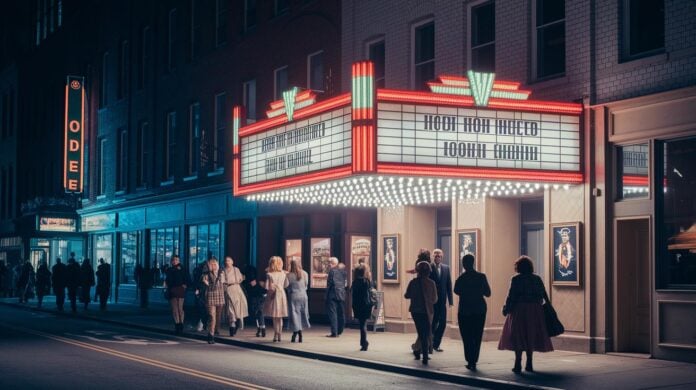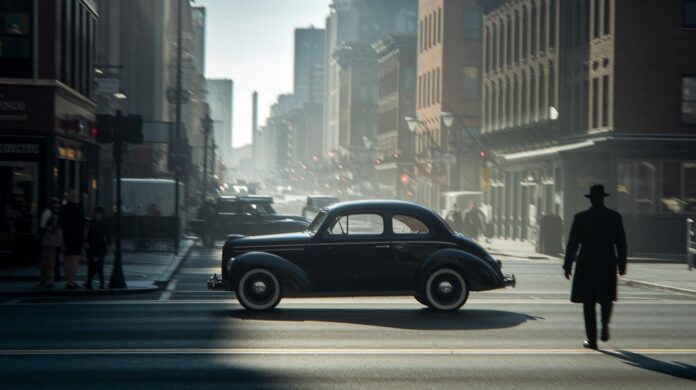

Ever notice how some films seem to quietly share secrets with you using light and shadow? Old school films treat each shot like a personal note from the director, blending nostalgic feels with clever visual hints. A single frame can be like a secret diary entry that tells its own subtle story. In this post, we explore how directors use skillful lighting, bold colors, and smart framing to show off their unique style. These creative choices mix classic charm with fresh storytelling, inviting you to look at films from a whole new angle.
How Retro Reels Showcase the Director’s Signature Style
Retro reels act like a director’s visual diary. Each shot, whether a close-up or a wide-angle view, reveals smart choices that go beyond the story itself. Legends like John Ford and Hitchcock set the bar, making every frame pack a mix of emotion and insight. For example, when shadows mix with warm light, it feels like the film is speaking in secret, much like early cinema experiments where each light beam carried meaning.
The real charm of retro reels is in the details. From picking a color scheme to using natural background sounds (diegetic sound: sounds that occur naturally in the scene), every element works together to capture a distinct era. This approach turns a film into a living canvas that reflects the director’s personal vision and history.
Visual Aesthetics in Retro Reels: Lighting, Color, and Composition
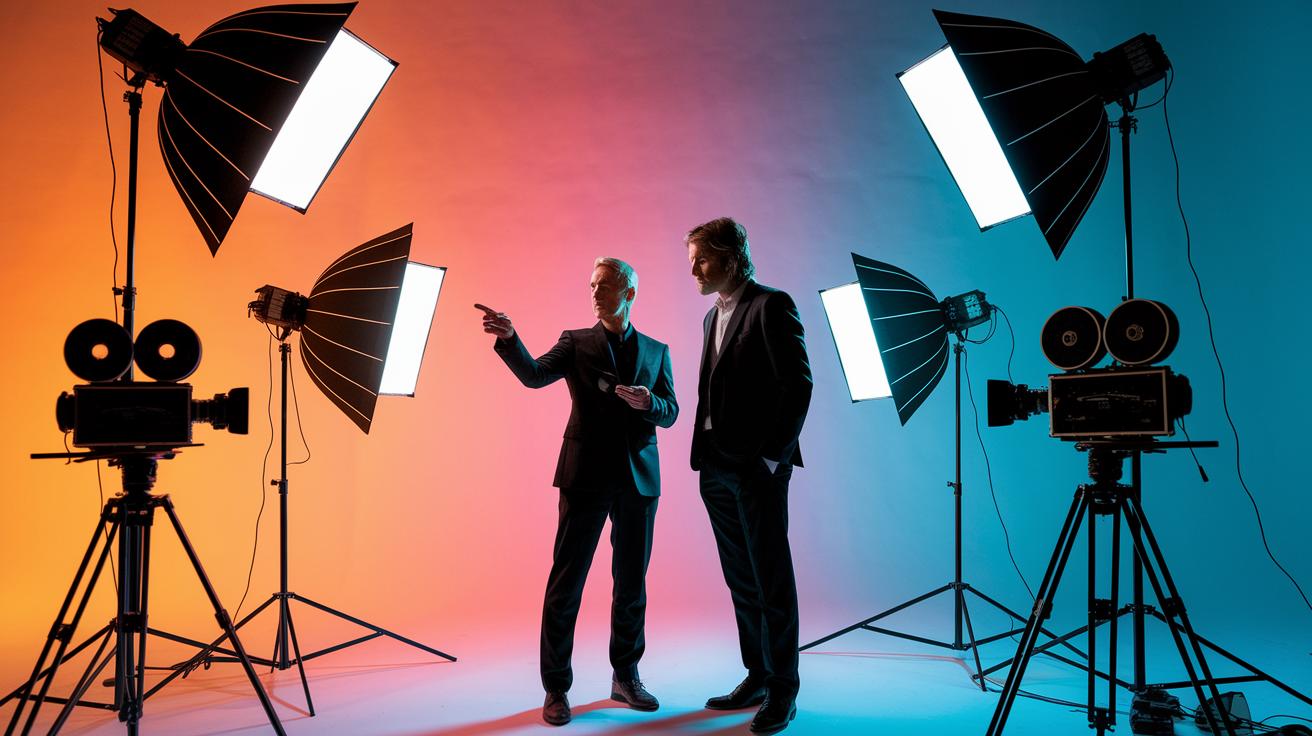
Retro reels shine a light on film history by celebrating how visuals tell a story. Filmmakers mix warm and cool colors to spark specific moods while keeping that old-school vibe. They use bright, high-key lighting for an open feel and switch to low-key lighting with chiaroscuro (using deep shadows and bright spots) to add mystery and depth. Every lighting choice is made on purpose to boost the story's emotional beats.
The way each shot is framed also plays a big part. Directors use symmetry to echo a character's inner feelings and the rule of thirds (a guideline to place subjects off-center) to build tension. Every frame is carefully planned to lead you through the film, blending historical charm with a fresh narrative touch.
Key techniques that shape these visuals include:
- High-key lighting
- Low-key lighting
- Chiaroscuro
- Symmetrical framing
- Rule of thirds
- Varied shot composition
Each of these choices is like a deliberate brushstroke on a cinematic canvas, mixing classic style with smart storytelling to deliver a bold, artistic vision.
Auditory and Musical Techniques in Retro Reels Director Style
Retro directors use sound and music to tell their stories. They mix sounds that fit the era with a film score that sparks emotion and reveals a film’s inner life. They combine sounds from the scene with background tunes (non-diegetic elements, or music added for effect) to create layers of vintage audio. Old-school recording methods add a warm, grainy touch that makes the sound feel real.
The sound design works almost like a quiet character that guides the mood and follows the film’s rhythms. Music in retro reels is never an afterthought. Every note is placed carefully to reflect the tension or calm seen on screen. For example, a soft, sad melody might play over lively background chatter, or a single piano tune might stand out during a thoughtful moment. These choices deepen the film’s themes and invite viewers into a fully immersive, period-specific story.
Recurring Narrative Themes in the Director’s Retro Reels
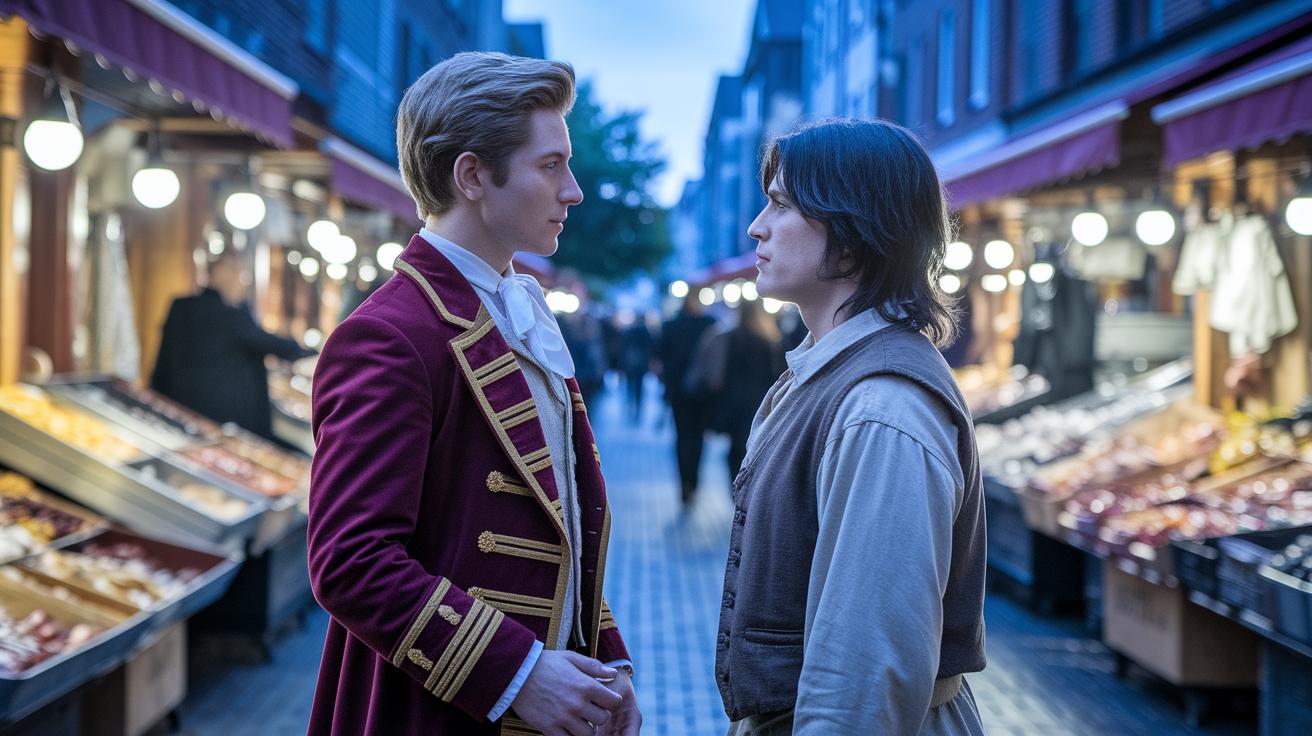
Retro reels use repeating story ideas to build a clear, cohesive vision. One main idea is wealth inequality. The films show stylized characters that mirror our divided society. Scenes often include symbolic actions that ask how money gaps shape our sense of self.
Another common theme is exploring the mind. Characters fight inner battles that also touch on big questions about human nature. Directors bring up deep life problems by showing characters weighing tough choices and the pull of fate. Thoughtful monologues and quiet moments let ideas about life's meaning come through naturally.
The sense of fate runs quietly through the storytelling, hinting that each choice feels set out already. This builds a feeling that events in life are sometimes both controlled and random. By repeating these ideas in different ways, directors invite viewers to see society and themselves in a new light. Every directorial choice shows how personal history and larger social forces mix on screen, creating layers that really resonate.
Evolution of the Director’s Retro Reels Style from Early Works to Mature Vision: Bold Artistic Flair
In his early retro reels, the director burst onto the scene with raw energy and a spirit of experimentation. His film-school training and guidance let him try new shot lengths and quirky editing styles, much like testing out unexpected brushstrokes on a blank canvas. You can almost see him pairing quick cuts with lingering scenes that hinted at something bigger.
Over time, his work became more focused. His later reels feature a steady pace and clear visual patterns that show his growing skill. The wild, unplanned experiments of his early work gave way to a style where every shot is there for a reason. This shift marks a journey from freewheeling creativity to careful planning, mixing raw inspiration with solid technique in a way that feels both bold and personal.
Comparing Retro Reels Director Styles with Other Iconic Filmmakers
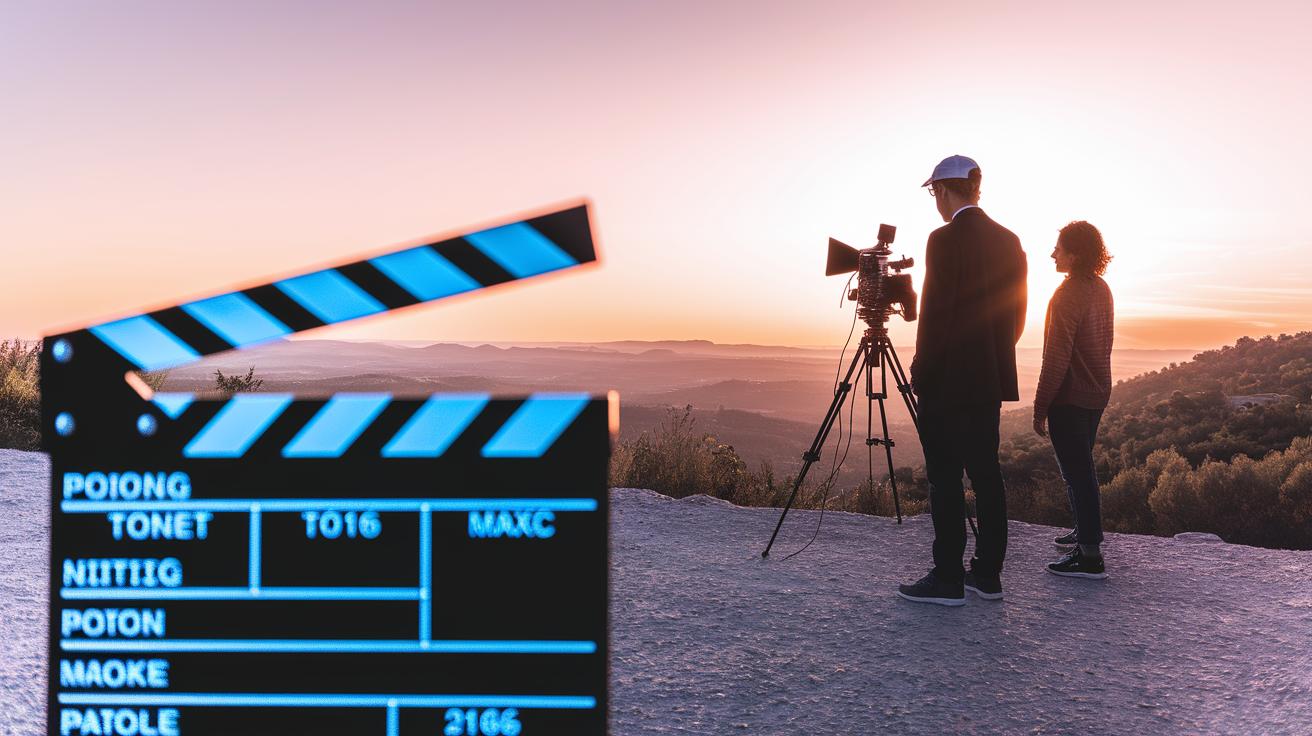
Modern retro reels directors borrow visual cues from the legends while adding their own spark. They blend classic wide shots and natural scenery, much like John Ford, with modern editing that creates tension similar to Hitchcock’s style. These directors mix familiar techniques with fresh twists, making each film feel like a conversation between past and present.
Some filmmakers focus on dynamic, story-driven scenes similar to Spielberg, while others dig into gritty, off-the-beaten-track details comparable to Rob Zombie. Each choice reveals a distinct vision that bridges old-school techniques with today's creative energy.
| Director | Visual Style | Narrative Focus | Signature Technique |
|---|---|---|---|
| John Ford | Wide, breathtaking landscapes | Human drama in nature | Wide panoramic shots |
| Hitchcock | Dark, moody visuals | Slow-building suspense | Clever camera moves |
| Spielberg | Smooth, lively compositions | Emotion-led storytelling | Innovative shot design |
| Rob Zombie | Bold, contrasting imagery | Edgy, intense themes | Unconventional editing |
This breakdown highlights how retro reels directors keep the spirit of classic cinema alive while carving out a space for modern storytelling, creating films that feel both timeless and new.
Auteur Theory Applied to Retro Reels Director Style Analysis
Retro reels show how film theory works in modern movies. Directors build a clear visual language that does more than repeat familiar cues. They mix ideas like film structure (formalism) and the meaning of visual signs (semiotics) to give every shot its own weight.
For example, director Alex Carter once said, "Every frame I shoot is a conversation with film history." This means that his choices in lighting and framing are not mere callbacks to the old days. Instead, they are deliberate signals of his changing storytelling style. Critics see these films turning familiar motifs into proof of a unique vision that chats with movie history.
By blending academic ideas with creative style, retro reels shift from simply looking back to sparking a lively mix of theory and practice. Directors use well-known visual techniques to push genre boundaries, connecting the past with fresh ideas for today’s audience.
Final Words
In the action, we explored how retro reels capture a director’s unique style. The post broke down visual cues, lighting and composition techniques, auditory choices, and narrative motifs that define both raw experimentation and mature vision. We compared these elements to those of iconic filmmakers, shining a light on striking differences and shared traits. The retro reels director style analysis offers a fast, clear glimpse into creative choices that shape memorable films. Enjoy the insights and let your next movie choice bring fresh excitement.
FAQ
Q: Retro reels director style analysis reddit
The retro reels director style analysis on Reddit examines community insights on directors’ unique visual, auditory, and narrative choices, highlighting detailed examples and personal opinions that uncover each director’s standout style.
Q: Retro reels director style analysis example
The retro reels director style analysis example shows how directors imprint their films with distinct looks and storytelling methods, often using lighting, camera work, and sound to create an unmistakable film experience.
Q: What is a director’s reel and what should it look like?
A director’s reel is a short compilation that showcases a director’s best work. It should feature strong visuals, tight editing, and clear creative choices that demonstrate the director’s signature storytelling voice.
Q: What is a commercial director reel?
A commercial director reel highlights work from advertising projects, emphasizing visually engaging content, crisp pacing, and narratives that promote brand messages while showcasing both creative and technical skills.
Q: How long should a director’s reel be?
The ideal directors reel is typically around three to five minutes long. This length allows a diverse selection of work to be showcased without losing the viewer’s attention.
Q: What is Sam Raimi’s directorial style?
Sam Raimi’s directorial style is recognized for its dynamic camera movements, creative framing, and a blend of horror with humor, offering surprising visuals and energetic storytelling for a gripping film experience.
Q: What are the 5 C’s of filmmaking?
The 5 C’s of filmmaking include camera angles, continuity, composition, cutting, and character. They are fundamental visual techniques that help create engaging and coherent film narratives.
Q: What is Baz Luhrmann’s style of directing?
Baz Luhrmann’s directing is known for extravagant visuals, energetic editing, and a strong musical integration. His work features vivid imagery and a theatrical presentation, creating a bold, immersive cinematic experience.