
Watch , 8.0/10
A twisty tale that transforms an everyday experiment into a puzzle of time and identity.
• Story: A simple mishap unravels into a complex web of cause and effect.
• Direction: Clever and unpredictable twists challenge what you think you know.
• Acting: Researchers feel real and relatable in their scientific quest.
• Technical Craft: Sharp, inventive use of time loops to deepen the mystery.
Imagine if a routine lab test suddenly flipped your idea of time. In Primer, two researchers stumble into a time loop during what looks like a normal experiment. With each repeat, cause and effect get tangled in surprising ways that make you see science, and even yourself, in a new light. This post dives into Primer’s bold twists, showing how a small experiment can spin huge questions about fate and time. Explore its hidden layers and see why this film twists your mind from start to finish.
Primer Plot Twists: Core Revelations
Primer (2004) tells the story of two underpaid researchers, Abe and Aaron, who accidentally stumble on time travel during a simple experiment to lower gravity. What began as an everyday test soon turns into a puzzling journey that questions how cause and effect normally work. Instead of time moving in a straight line, it loops in mysterious cycles.
The film shows a machine that shuttles objects between two points for 1,300 cycles, over 2,600 minutes of back-and-forth time travel. This process creates a complicated pattern of interaction with past and future selves. Many reviews note that these cycles bring up more questions than answers about the nature of time.
- The discovery comes from an unexpected gravity experiment.
- Abe sees another version of himself using an oxygen tank.
- A failsafe device appears to manage the overlapping timelines.
- The final scene hints at a new, bigger machine with no clear explanation.
Each twist builds on the last, layering the story with more mysteries. By mixing everyday science with surprising turns, Primer invites you to rethink how small innovations can spark huge changes in our understanding of time and identity.
Primer’s Temporal Paradoxes: Dissecting Time Loops
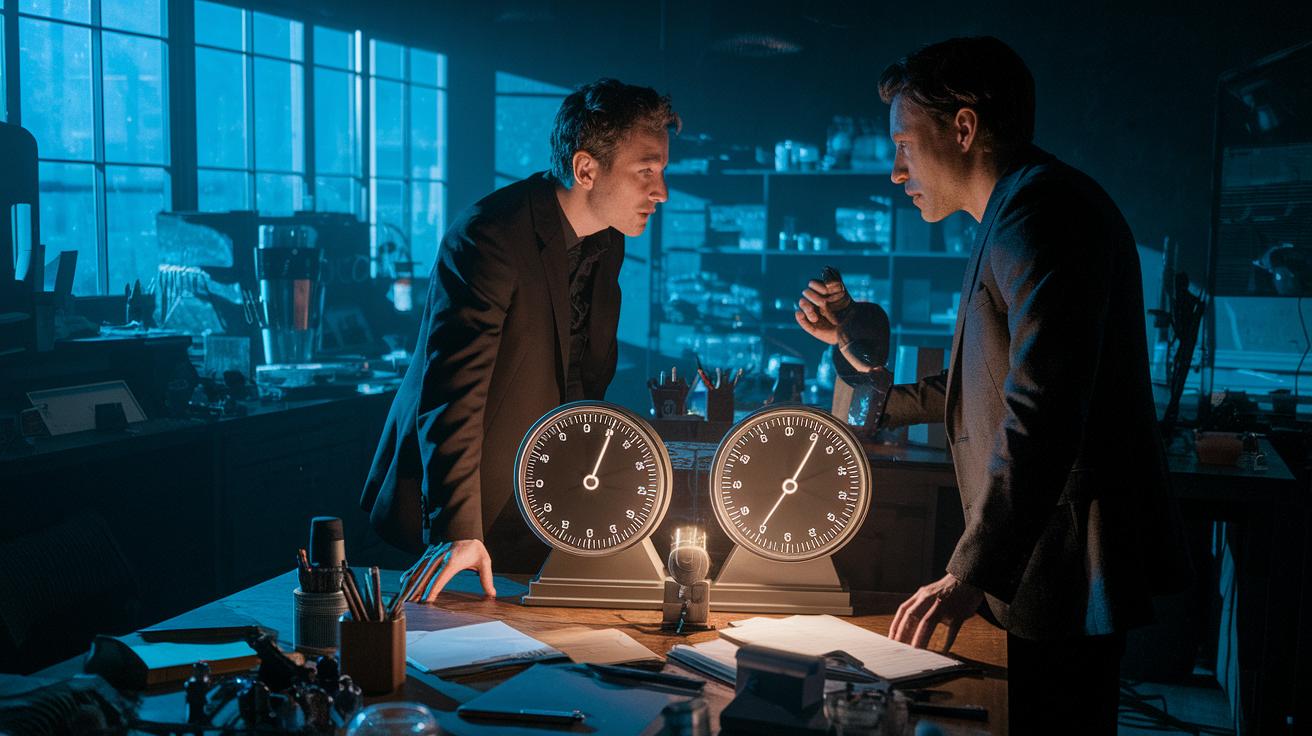
In Primer, time travel works by sending things and people between two set times. If you put an object into a machine at 12:00 PM and start it at 12:01 PM, it goes through 1,300 quick back-and-forth cycles. A strict 15-minute timer runs each cycle, layering and repeating moments. This precise timing pulls the story into wild, unexpected paths, making Abe and Aaron face ripple effects across different versions of time.
Abe finds that these cycles split into three separate timelines. In one, he comes back six hours later, leaving a noticeable gap in his own day. In another, his actions accidentally stop Aaron from making his commute, which mixes up past and present events. In the third, both characters use what they know about the future to tweak small choices, like nudging stock trades. Each timeline adds depth to the film’s take on cause and effect, making you wonder just how much control we really have.
| Timeline | Key Events | Duplicate Count |
|---|---|---|
| Timeline 1 | Abe returns 6 hours later | 1 Abe |
| Timeline 2 | Abe stops Aaron’s commute | 1 Abe, 1 Aaron |
| Timeline 3 | Using future clues for stock trading | Multiple versions |
The film’s tight control over these 15-minute loops makes us think about how every moment stacks up time itself, leaving us with more questions than answers.
Primer Plot Twists in Character Encounters: Revealing Duplicates
At the start of the experiment, four partners work together until time travel shifts the focus to Abe and Aaron. In one striking moment, Abe peers through binoculars and sees another version of himself arriving with an oxygen tank. This unexpected duplicate shows that time travel doesn’t simply rewind events, it creates new, parallel lives. The scene hints that the story isn’t a straight line, raising questions about identity and the ripple effects of even small changes.
Later, Aaron uses a simple trick by stashing a collapsible machine box in his car, which ends up creating multiple copies of himself. This clever move deepens the narrative by presenting moral dilemmas and personal conflicts. Forced to face copies of themselves, the characters must make tough decisions. These encounters show how tiny twists can lead to big, unpredictable challenges in both their personal lives and moral choices.
Primer’s Failsafe Twist: Unexpected Plot Turn Dissection
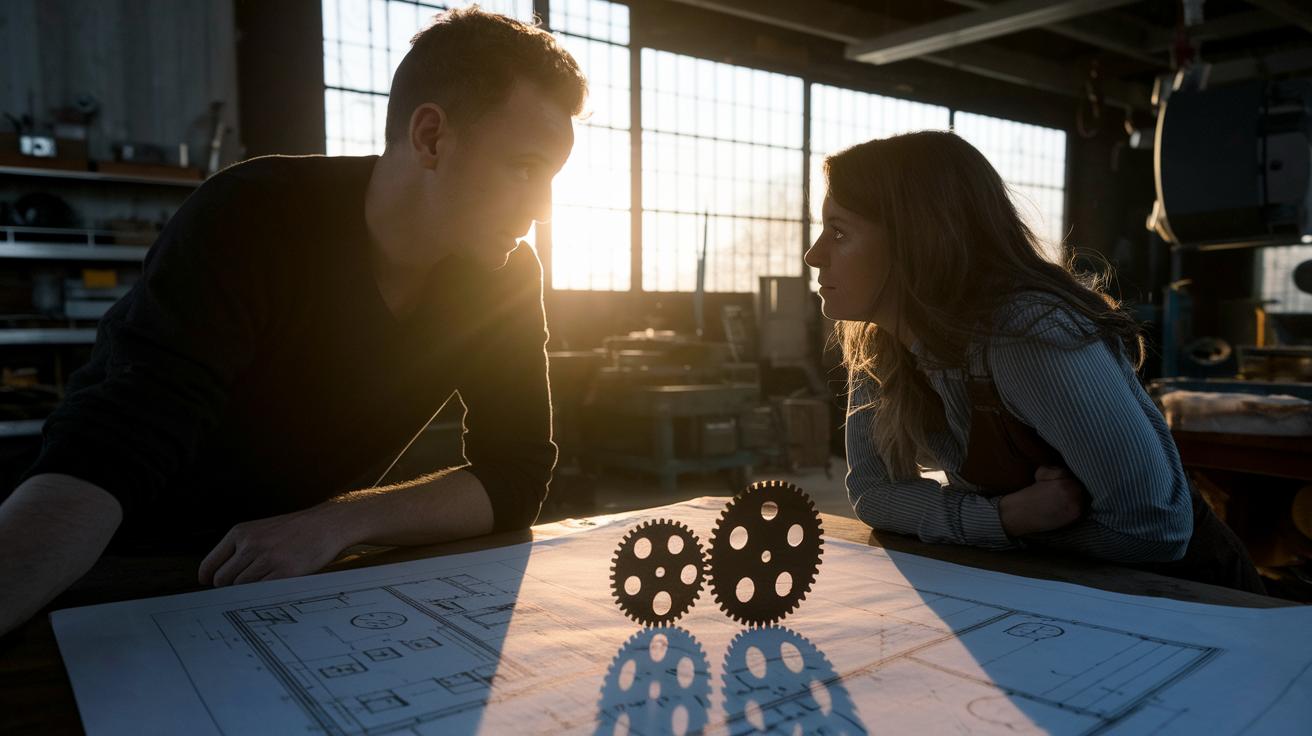
Primer shifts its twist from a neat plot trick to a deep look at how we imagine controlling time. The so-called failsafe device goes beyond a clever gimmick; it stands as a symbol of how our efforts to tame technology can soon backfire. Instead of simply stating "Abe builds a failsafe machine," the film asks if science can really outsmart time. It shows that even careful plans can trigger a surge of unexpected events.
The movie mixes careful precautions with bold moves. It doesn't just focus on Abe’s daring steps or Aaron’s secret car setup. Instead, it invites us to think about the clash between order and randomness. In doing so, it mirrors our own struggles with technology that often defies our control.
This new perspective layers the classic time travel puzzle with a probing question about control versus chaos. By stressing the theme over the predictable details, Primer leaves us wondering if any safety net can truly hold back the unforeseen consequences of meddling with time.
Primer Plot Twists Explained: Ambiguous Ending and Theories
Watch , 8.0/10
A mysterious finale sparks debate over the film's puzzles and cause-effect twists.
• Story: Intriguing puzzles that invite deeper thought
• Direction: Bold and intentionally unclear
• Acting: Subtle performances that leave room for interpretation
• Technical Craft: Complex narrative structure that challenges viewers
In the final scene, we see Aaron building a huge machine with few clear answers. This open ending pushes viewers to question how cause and effect work in the story. Shane Carruth hints that the loose threads are meant to get us thinking and sharing our own ideas.
One idea is that the massive machine shows a desperate bid to fix past mistakes, a struggle against inevitable chaos. Another view sees the machine as a symbol for the tough burden of knowledge, where accepting a difficult future is better than trying to erase what came before. A third theory points to odd shifts in dates and dialogue, suggesting that even the best plans fall apart when time itself starts to slip away.
All these ideas tie back to the film’s focus on how small choices can spiral out of control. The ambiguous ending leaves us with a lingering sense of doubt and mystery. It invites us to savor each twist and to reflect on the fine line between control and unforeseen consequences.
Primer’s Indie Innovation and Plot Twist Impact
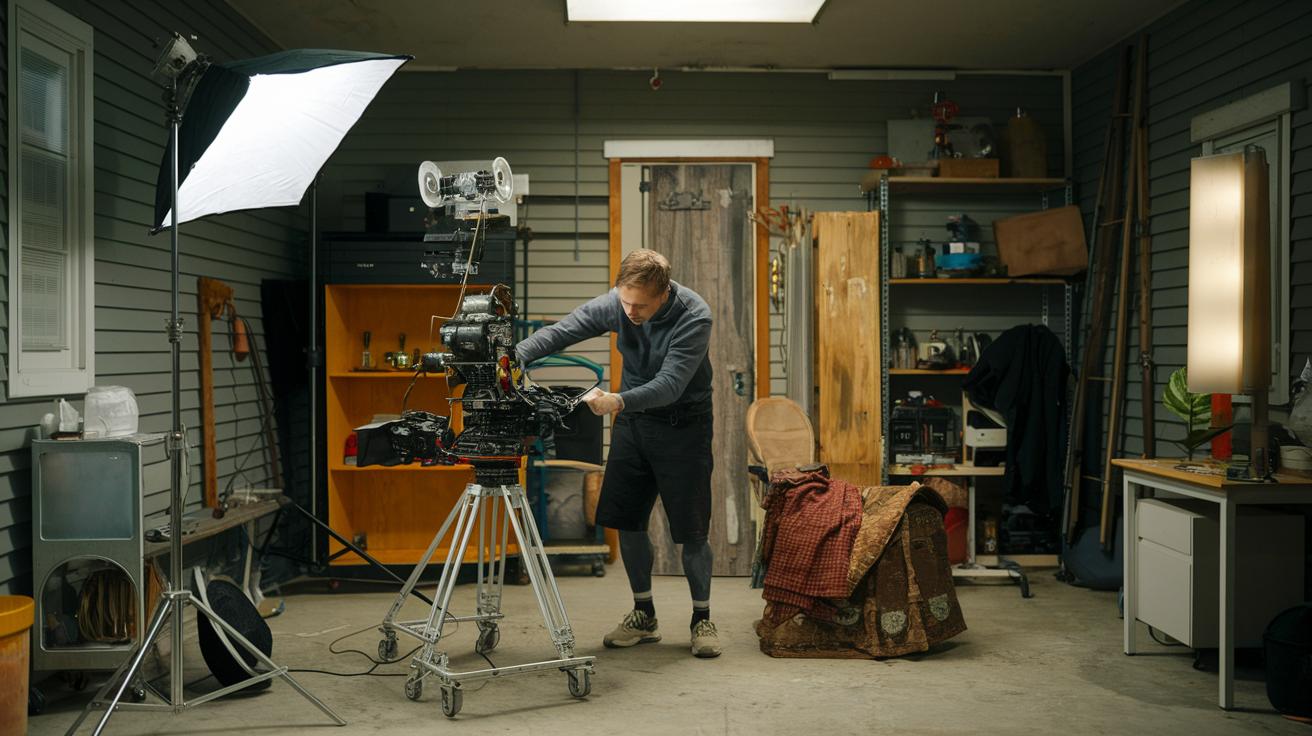
Made in 2004 on a tiny $7,000 budget, Primer shows how resourcefulness can spark creativity. The filmmakers built every prop and scene using real engineering setups instead of pricey effects. This simple approach creates a raw look, where modest tools turn a limited budget into a stage for smart ideas.
Carruth wore many hats by writing, directing, acting, and editing. His hands-on style transforms budget challenges into creative strength, giving the film an intimate and inventive feel. Critics note that these tight funds push the crew to invent bold twists without relying on heavy visual effects. The film’s limitations sharpen each surprise moment, making every twist feel genuine and earned.
Final Words
In the action, we explored Primer’s core twists – from the accidental time machine to the nonlinear timeline shifts and failsafe surprises. We reviewed Abe and Aaron’s encounters, the shocking duplicate moments, and that ambiguous finale that leaves plenty to debate.
This breakdown shows how primer movie plot twists explained build a tightly woven, thought-provoking narrative. Each turn invites viewers to rethink time, causality, and indie ingenuity. The discussion leaves you ready to appreciate the film’s smart, unconventional style with renewed enthusiasm.
FAQ
What do online sources like Wikipedia, Reddit, and Quora say about Primer’s plot twists?
Online sources explain that Primer uses a time travel experiment gone wrong to create duplicate timelines, leading to surprising twists and a narrative that leaves room for many interpretations.
What is the Primer movie flowchart?
The Primer flowchart visually maps how the film’s timelines branch and overlap. It outlines the sequence of events and duplicate encounters to simplify the film’s complex time travel mechanics.
Who is in the cast of Primer?
Primer stars Shane Carruth, who wrote, directed, and acted in the film, with David Sullivan playing a key role. The other names are not part of Primer’s actual cast.
What is the plot twist and paradox in Primer?
The film’s twist comes as duplicate selves appear due to time travel, while the paradox lies in tangled timelines where actions affect their own causes, leaving the film open to interpretation.
What were Abe and Aaron trying to build in Primer?
Abe and Aaron attempted to create a time machine by altering gravitational effects. Their experiment unintentionally results in multiple timelines and duplicate versions of themselves.
Is Primer a confusing movie?
Primer can feel confusing because it uses nonlinear storytelling and intricate time loops, challenging viewers with its deliberately ambiguous narrative structure.
What roles do Shane Carruth, David Sullivan, Daniel Radcliffe, Mary Elizabeth Winstead, Paul Dano, and Timothy Eulich have with Primer?
Shane Carruth is the creative force behind Primer, with David Sullivan in a key role. The other names are not involved with the film and are often mistakenly linked to it.