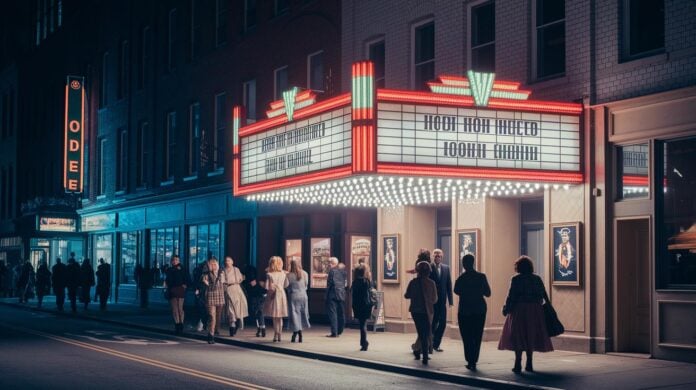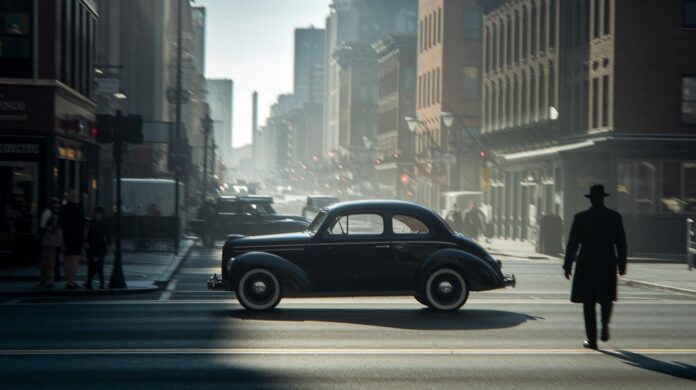

Ever notice how old movies have a real, lived-in feel? They use grainy textures, vintage colors, and soft lighting that take you back to classic films from decades ago. Every shot is carefully planned, with natural scratches and warm tones that give each scene its own character. In this post, we break down the retro film look and explain how these old-school touches bring a nostalgic charm to modern movies. It’s a reminder that film history still shapes the visuals we love today.
Core Features of Retro Film Aesthetics
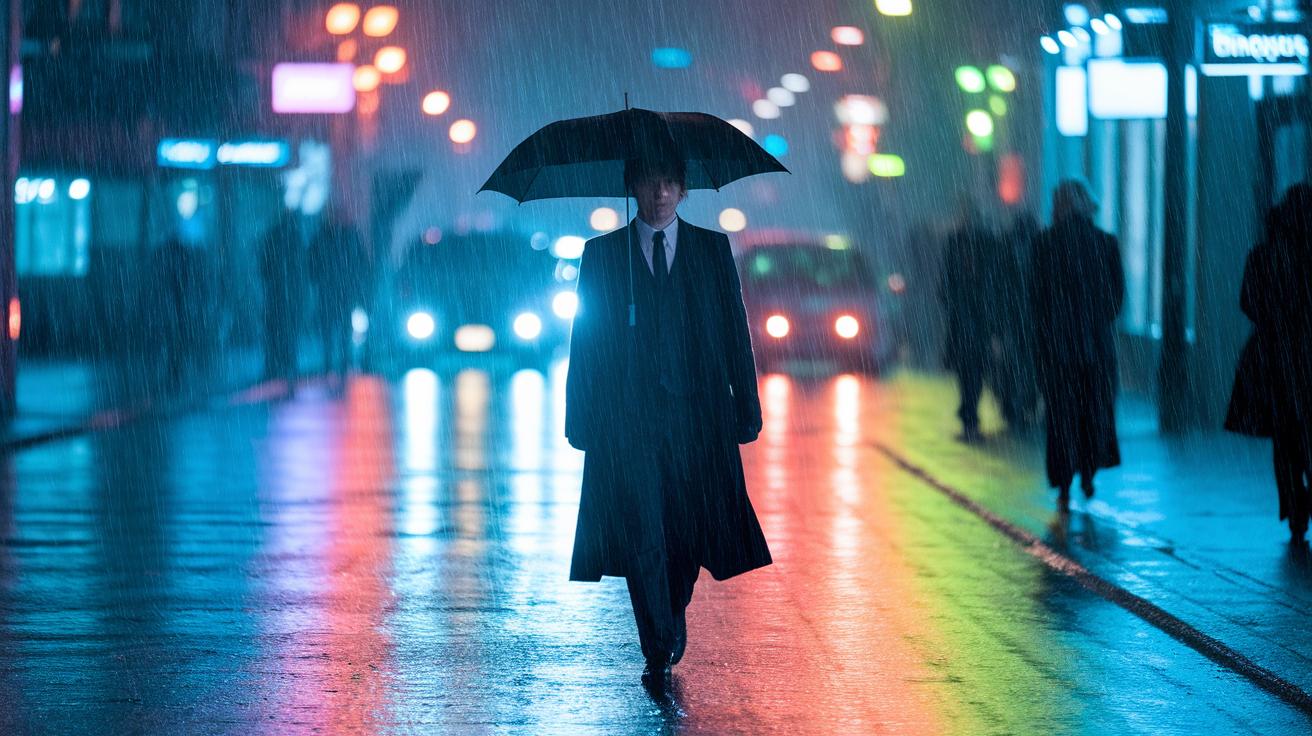
Retro film aesthetics capture the charm of classic movies. Filmmakers purposely add grainy textures, vintage colors, and costumes that remind you of 1980s adventures and 1970s noir. They might use soft pastels or bold, rich hues to warm up a scene and give it an authentic, old-school feel. Imagine a rain-soaked street where every frame glows with that timeless look.
Grain, light leaks, and other film flaws add a unique, tactile quality that digital images often miss. These details bring back memories of old film reels with their natural scratches and gentle flicker. Since film reels only allow 36 shots, not the endless snaps of digital, each frame becomes more meaningful and carefully composed.
Directors also pay close attention to how scenes are set up. They use balanced compositions, symmetry, and period-appropriate props along with soft focus and grain overlays. This mix not only tells the story visually but also creates a warm, nostalgic mood for anyone who loves a good tribute to cinema’s classic era.
Grainy Textures and Analog Film Grain in Retro Cinematography
Film has its own special charm with a rough texture, unexpected light leaks, and natural scratches that remind us of an earlier time. A film camera only allows 36 shots per roll, while a digital camera can hold nearly 6000 images on an SD card. Because of this limit, every shot is chosen carefully, making each frame feel like a crafted work of art.
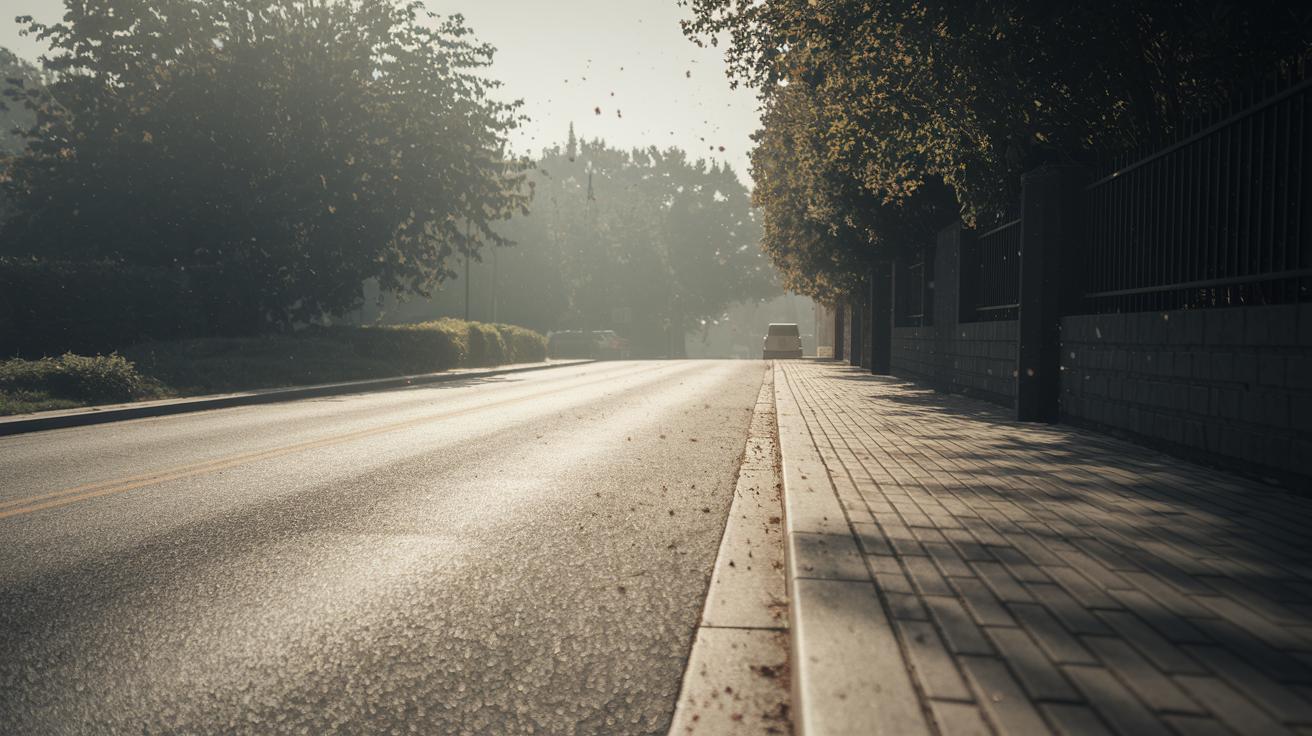
Picture a quiet street bathed in soft, dusty light. The gentle grain in the image gives it an old-school vibe, as if it were captured on analog film. Little imperfections like dust specks and brief flickers add to the nostalgic look.
Today, filmmakers mix old and new by using digital tools to mimic film. They add digital grain and adjust the contrast to recreate the tiny scratches and light leaks seen in traditional film. This blend brings modern precision together with the timeless feel of retro cinematography.
Traditional Color Grading Methods in Classic Motion Images
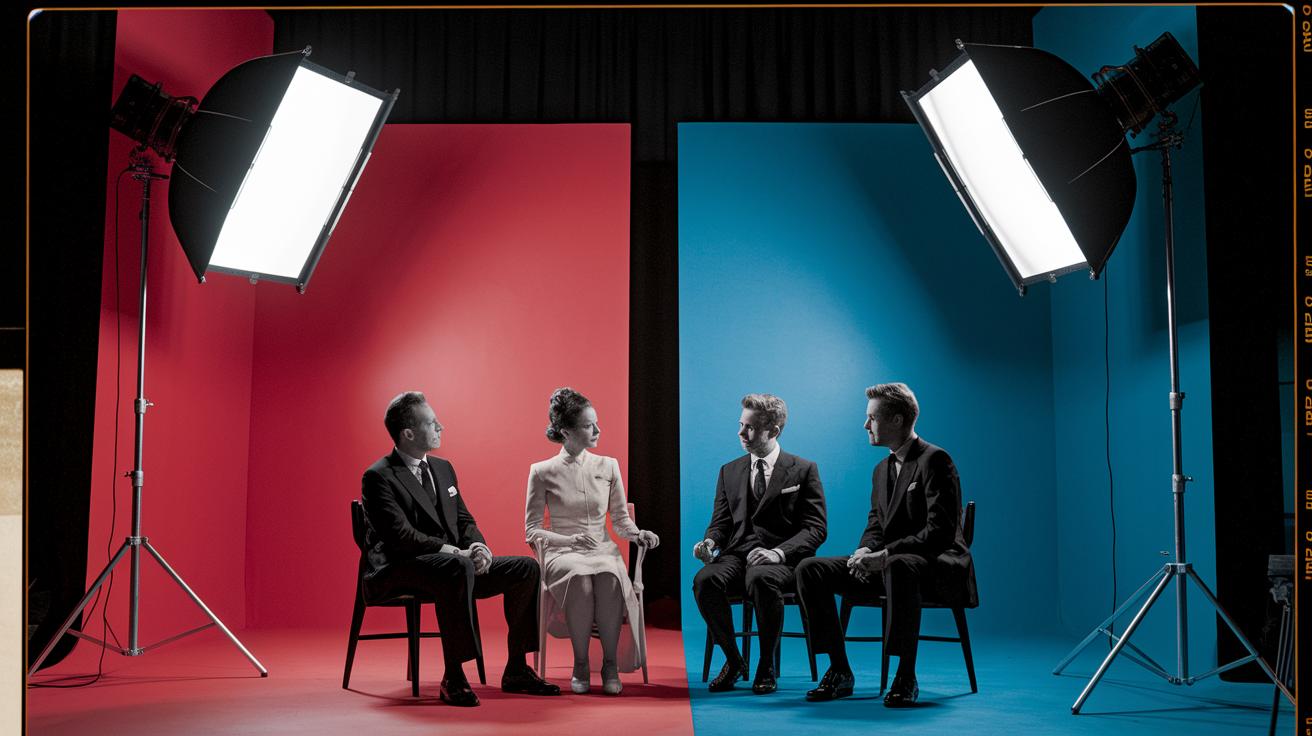
Classic films used old methods to create a unique look. They played with bold primary colors and soft pastels in processes like Technicolor, setting a visual style for their time. Imagine a scene with bright reds mixed with gentle blues that stir your emotions. Today, filmmakers use film-emulation presets and LUTs (lookup tables that map colors to get a certain look) to bring back that warm feel with deep shadows. For instance, many recreate the look of Fujifilm 400 to capture the aged charm of old reels. Small changes in contrast and hue not only copy these historic methods but also give directors creative freedom. The result is a blend of vintage style and modern technology that makes the visuals feel both familiar and fresh.
Composition and Framing Secrets of Old-School Picture Styles
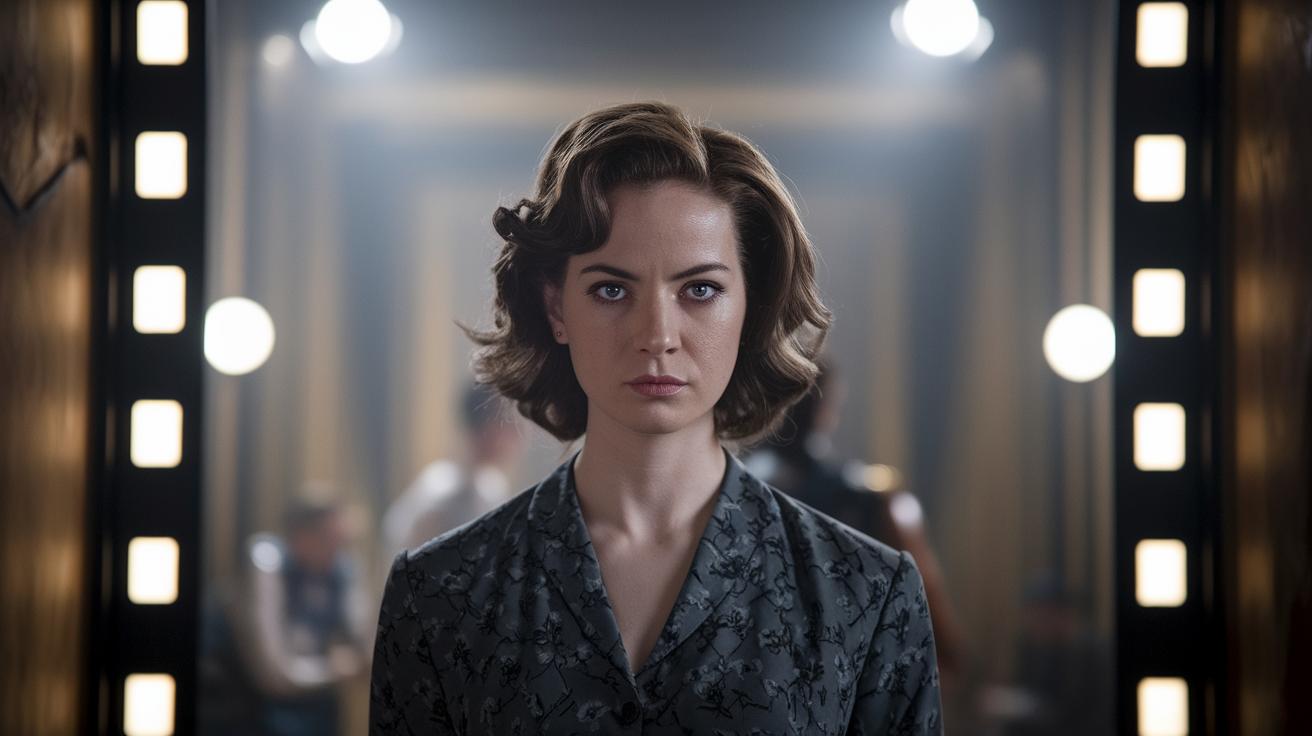
Classic films used careful framing choices to tell their stories and build mood. Directors often worked with a 4:3 look that recalls early TV and film screens. Centering the subject draws your eyes to the main character, much like a cherished family photo. A shallow depth of field (blurring the background) makes emotions and small details pop. Picture a tense scene where the subject is centered and the background softly fades, it makes every look feel extra powerful.
Letterboxed images (wide black borders) gave scenes a classic movie feel that enhanced the story. Longer takes let moments breathe and build tension while viewers pick up on subtle details. Fewer jump cuts kept the flow smooth and natural. Careful montage pacing tied all these elements together, creating a retro look that modern edits sometimes miss.
Mixing steady framing with relaxed editing is a secret sauce for old-school charm. Filmmakers who combine fixed shots with a gentle editing style create a timeless vibe, complete with a bit of nostalgic grain and vintage visuals. This approach not only honors classic cinema but also feels warm and familiar for today's audience.
Lighting Design and Projection Styles in Vintage Celluloid
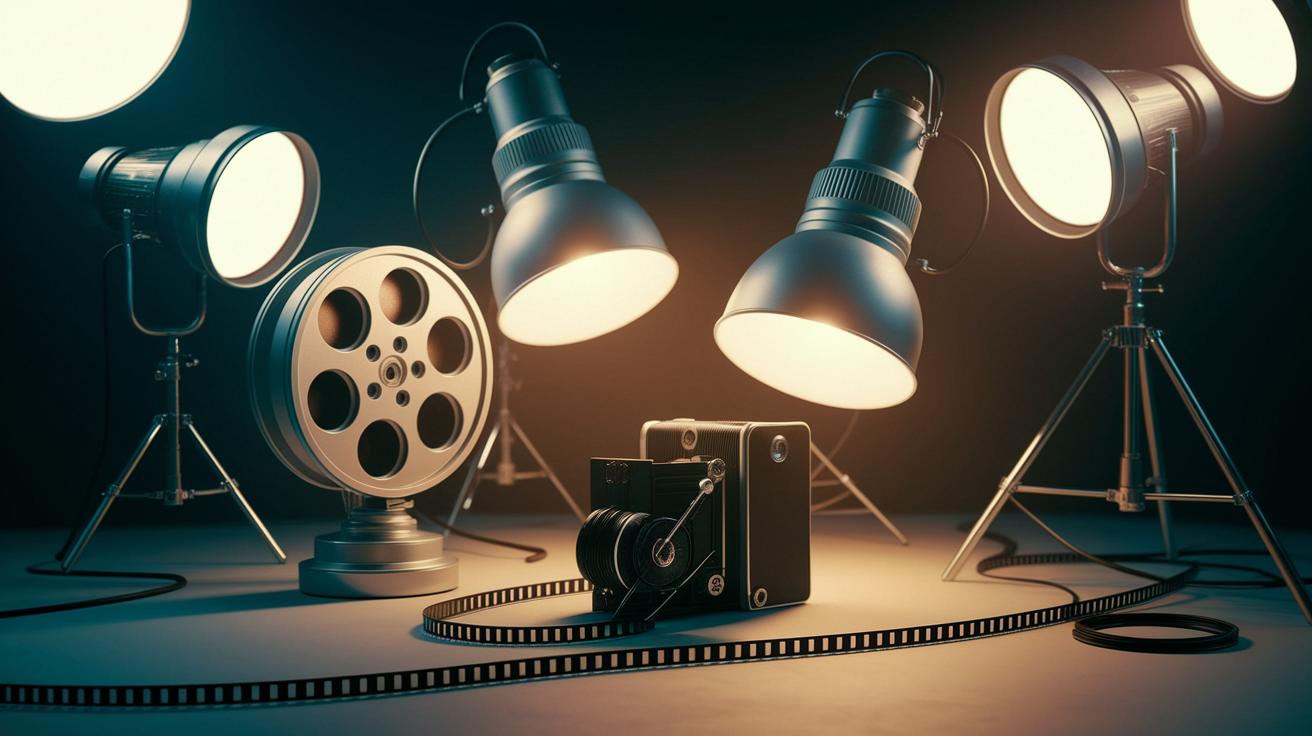
Early films used tungsten lights to create warm highlights and deep shadows that set a rich mood. Directors chose strong lights that not only brightened scenes but also reflected the technology available at the time. Projection halation, a gentle glow around bright areas, added an organic feel that modern digital screens struggle to capture. Soft focus techniques deepened that dreamy look in classic cinema. When filmmakers switched from flammable nitrate film to safer stocks, the changes in light and grain altered contrast and texture. This careful play with light guided viewer attention and remains a key element in film aesthetics. Classic films show us how each frame uses light and dark details to tell its story, a technique that continues to inspire modern directors.
Historical Context and Cultural Impact of Retro Film Aesthetics
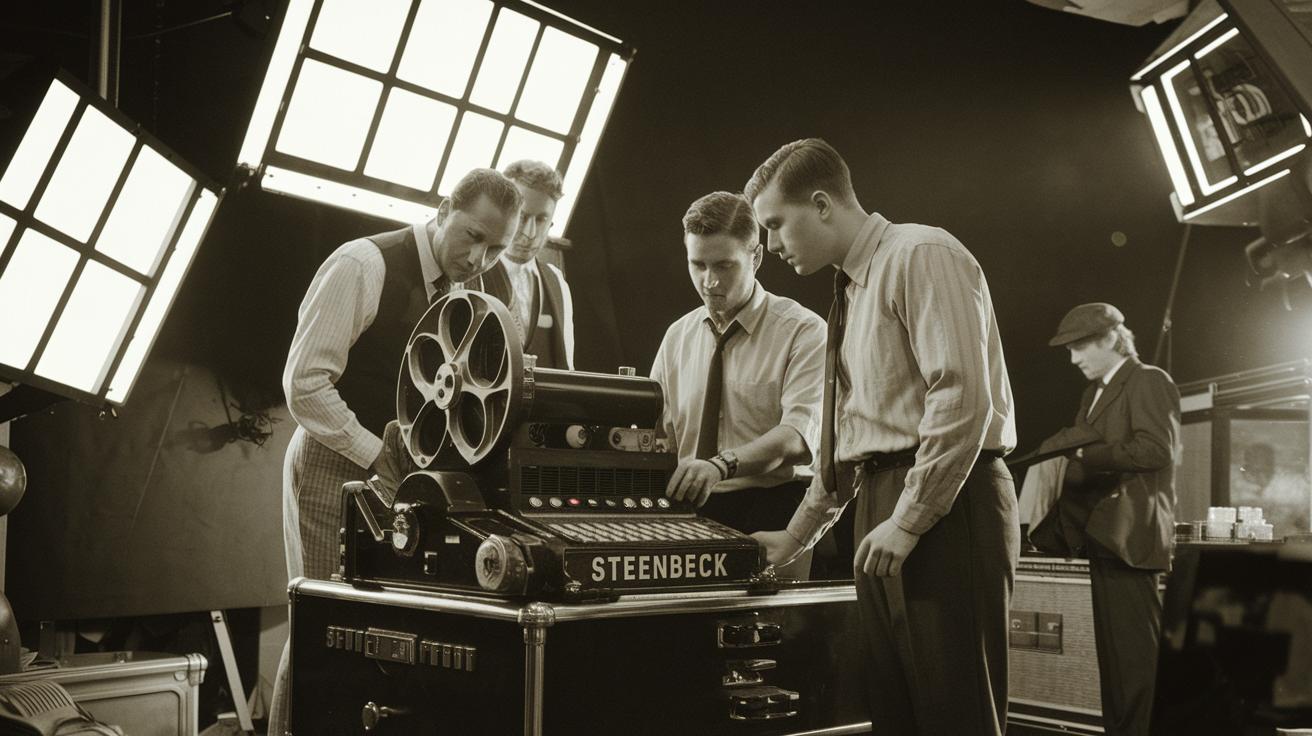
Retro film aesthetics started in the early days of movies and still shape how we see visuals today. Back then, film was the only way to tell a story, so every frame was carefully crafted. The grainy textures and occasional light leaks were not mistakes but a charming part of the look. Today, many digital tools and filters add a layer of nostalgia by mimicking these vintage details.
Old methods like celluloid processing and classic reel editing set the pace and mood of early films. Directors and editors once relied on these techniques to shape how stories unfolded. Now, modern filmmakers and photographers pay tribute to that era by re-creating the look digitally. It is common to see social media filters and wedding photography that mix sharp digital quality with the warm, nostalgic feel of old film.
Some critics worry that an over-emphasis on nostalgia might limit fresh storytelling. Yet platforms like TikTok and Instagram show us that combining old film looks with modern techniques can feel both comforting and innovative. This blend of past and present keeps the spirit of analog alive while inviting new ways to tell classic stories.
Practical Tips for Recreating Retro Film Aesthetics Today
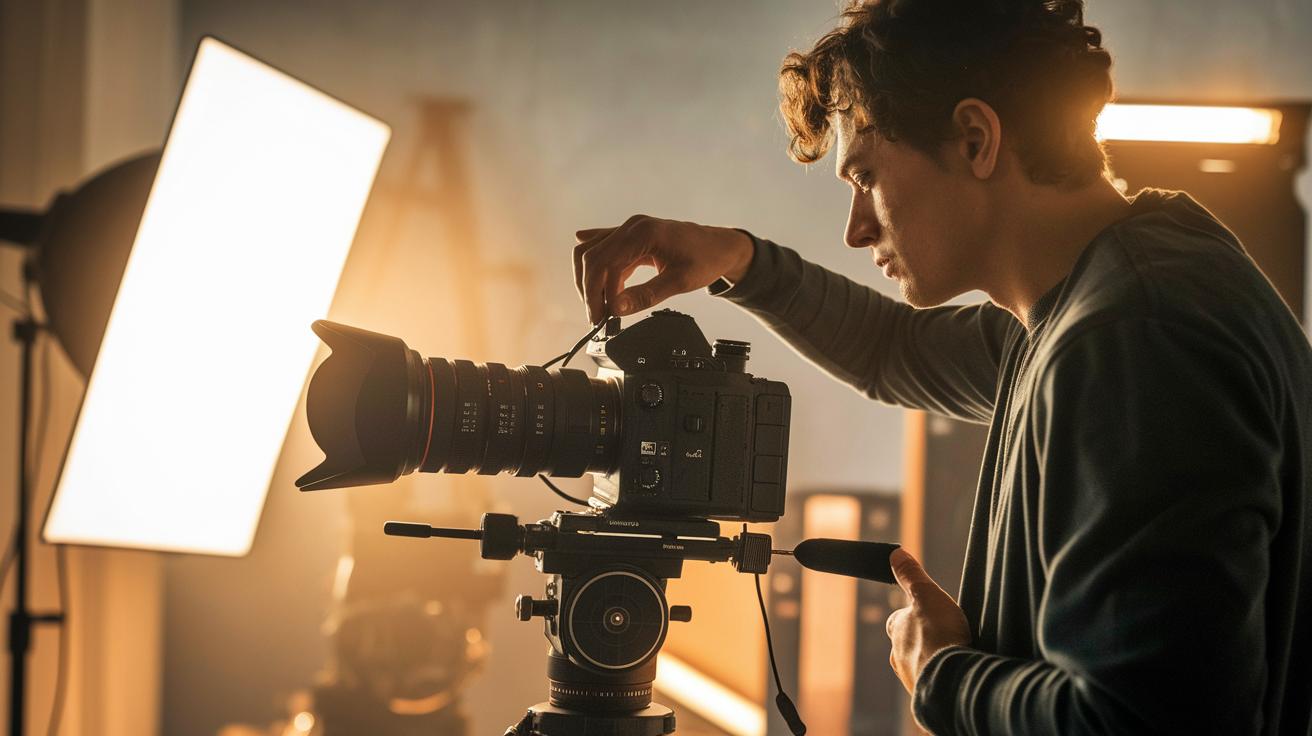
Modern filmmakers and photographers can use today's technology to capture the feel of old film. A great trick is to use film-simulation LUTs (color presets that mimic classic film looks) along with grain packs. Start with a LUT that changes your digital colors to resemble vintage film stock, and then add grain packs that bring in the familiar texture and light wear of old reels. This mix gives you modern clarity with a warm, retro charm.
Another tip is to limit the number of digital shots like you would with a 36-frame film roll. When you do this, you plan each frame with care, making every shot count. This approach improves your composition and highlights the classic grain effect. Try skipping endless takes for a few well-crafted visuals. You can boost the old-school vibe even more by adding light-leak overlays and jitter effects to mimic the natural flaws of old film.
Finally, use textured filters to finish off your vintage style. These filters soften edges and add subtle scratches or flickers, much like the editing quirks of classic reels. Blending these effects carefully gives your digital work an authentic feel that fans of old film and modern viewers alike will appreciate. The goal is to bring back the era when every shot had meaning and was thoughtfully planned. Start with a test project and fine-tune each element until your images glow with that timeless vintage appeal. Keep adjusting until you find the right mix of imperfections and clarity that captures the true analog feel.
Final Words
In the action, we witness how retro film aesthetics explained pave the way for a unique viewing experience.
Grainy textures, vintage color grading, and classic framing turn simple scenes into nostalgic visuals.
The piece covered everything from analog celluloid allure to practical tips, all while showing how old-school lighting and projection styles enhance modern storytelling.
This fresh take offers practical ideas and invites a renewed passion for film art. Enjoy the charm and keep exploring these timeless visual motifs!
FAQ
Frequently Asked Questions
What does retro film aesthetics explained on Reddit mean?
The retro film aesthetics explained on Reddit mean showcasing a look that uses grainy textures, vintage color palettes, and analog imperfections to evoke a classic film style.
What does retro film aesthetics explained in a PDF include?
The retro film aesthetics explained in a PDF typically details how filmmakers use grain, light leaks, and period-specific visuals to recreate an old-school cinematic feel.
What defines Old Hollywood meaning and style?
The Old Hollywood meaning and style refer to the glamorous, polished look of classic cinema, using centered compositions, elegant costumes, and iconic lighting to create nostalgia.
What is meant by vintage film in retro aesthetics?
Vintage film in retro aesthetics refers to movies marked by textured grain, light leaks, and analog imperfections that bring an authentic, nostalgic quality to the visuals.
What are examples of aesthetics in film?
Examples of aesthetics in film include grainy textures, muted color schemes, classic framing, and period-specific costumes that collectively craft a distinct retro visual experience.
What is the difference between vintage and retro aesthetics?
Vintage aesthetics come directly from older film techniques and materials, while retro aesthetics mimic that old look using modern technology to recreate grain, color tones, and framing styles.
How do Old Hollywood Aesthetic outfits influence style on Pinterest?
Old Hollywood Aesthetic outfits on Pinterest channel classic glamour with streamlined, elegant designs reminiscent of iconic film stars, reinforcing a timeless and nostalgic fashion vibe.
What defines a retro aesthetic?
A retro aesthetic is defined by visual elements that replicate earlier film styles, including textured grain, nostalgic color palettes, and carefully composed framing that echo past eras.
What defines an Old Hollywood movie?
An Old Hollywood movie is defined by its polished visuals, classic framing, luxurious costumes, and iconic lighting that together produce a timeless, glamorous cinematic experience.