
Ever wonder why some film trailers spark excitement while others barely register? Good trailers do more than flash cool cuts, they hint at the movie’s true story. This guide breaks down what to watch for: a clear story, smooth transitions, and visuals and sound that catch your eye. Learn to spot the signs of a trailer that promises a worthwhile movie experience versus one that might fall flat. Get ready to tune up your film sense and see what lies beneath the surface.
Film Trailer Foundations for the Cinephile
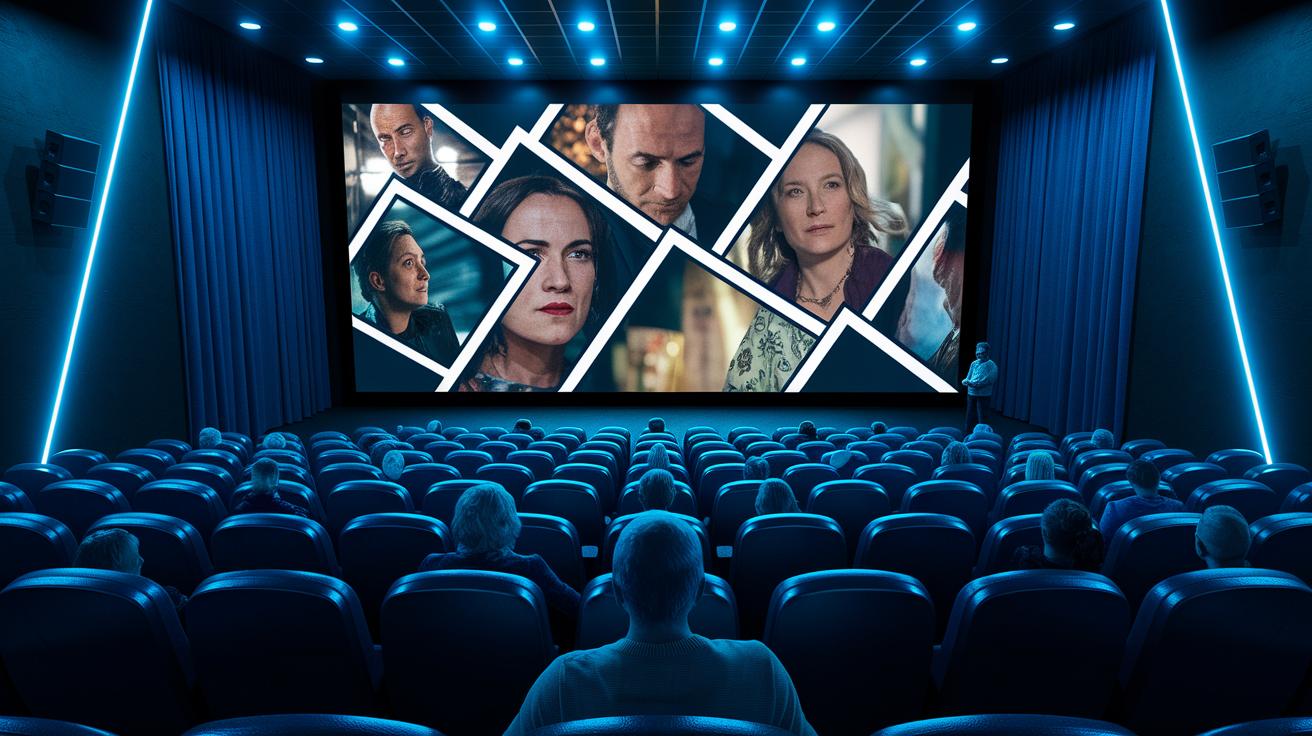
Film trailers give you a sneak peek into a movie's promise. For dedicated film fans, every trailer is a chance to learn what works and what might fall flat. Take Jackie Chan’s Vanguard, for example, directed by Stanley Tong, its editing shows how choices can either sharpen or blur the film's message. This guide, first put together in March as "THINGS TO LOOK OUT FOR- A GUIDE TO A BUDDING CINEPHILE," helps newcomers spot the hits and misses in trailers.
In this guide, we highlight the key parts to watch for. Look for a clear story, strong visuals, and a smooth pace. Think of a trailer as a short story that sets the mood for the full film. It grabs you with vivid scenes and hints at the overall narrative. For fans looking to dive deeper into film analysis, the Indie Film Viewing Guide for Cinephiles is a great next step.
- Story clarity and structure
- Visual storytelling and composition
- Pacing and smooth transitions
- Sound design and score integration
- Marketing hooks and clear calls-to-action
When these elements come together, a trailer not only grabs your attention but also gives you a solid idea of the film's style and quality. This checklist helps you decide which trailers offer more than just flashy cuts, they point to a movie experience worth looking forward to.
Analyzing Narrative Structure in Film Trailers
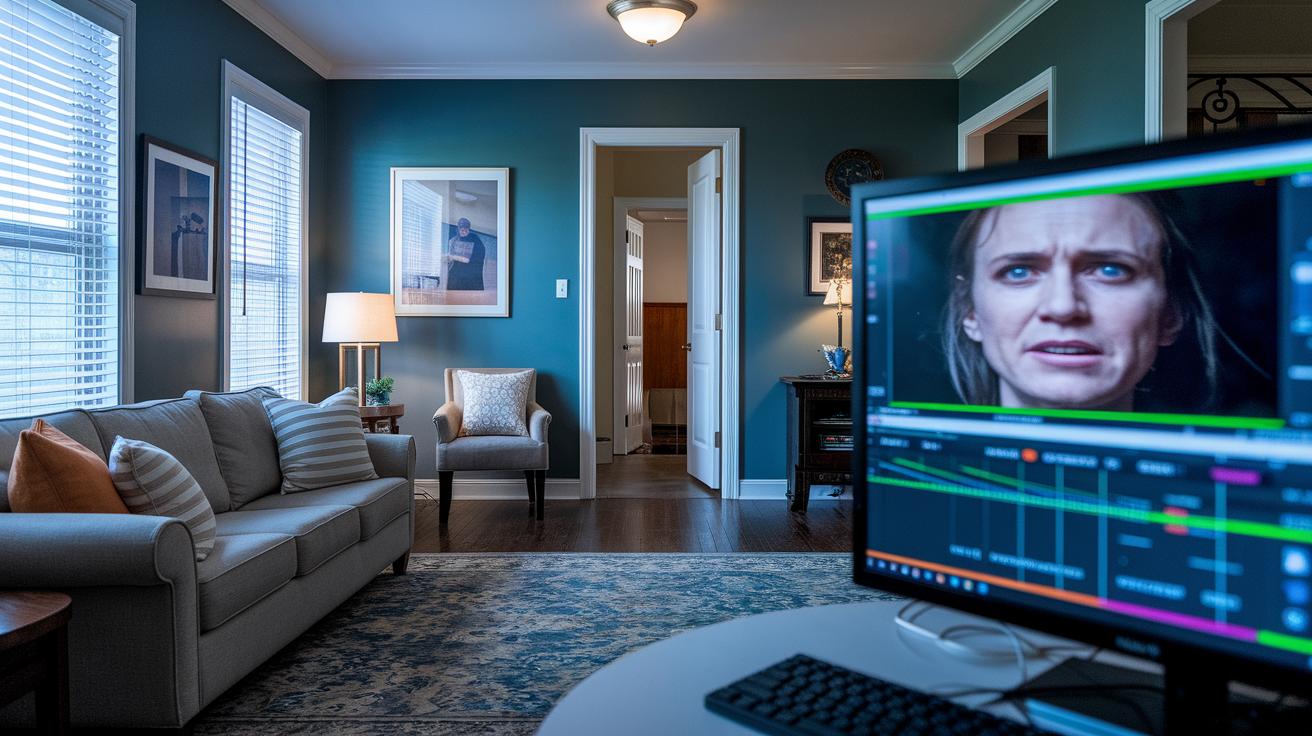
Trailers work like short stories. They start by setting the scene, introduce an event that shakes things up, and hint at trouble ahead. You might see a calm moment with simple routines, then suddenly the scene shifts, a door slams, and danger appears. This clear series of events helps you know what might come next without giving everything away.
Notice how quick cuts build momentum and keep your attention. A well-organized trailer shows a step-by-step build in excitement, with each scene pushing the story further. For example, if a trailer like Vanguard’s scrambles its order, it can confuse the buildup of conflict and energy. Look for these clear shifts; they show you if the trailer is carefully crafted to peak your interest.
By keeping an eye on these storytelling beats, you can tell if a film holds promise. A well-structured trailer with rising stakes is a good sign that the movie might be worth your time.
Film Trailer Cinematography and Visual Storytelling
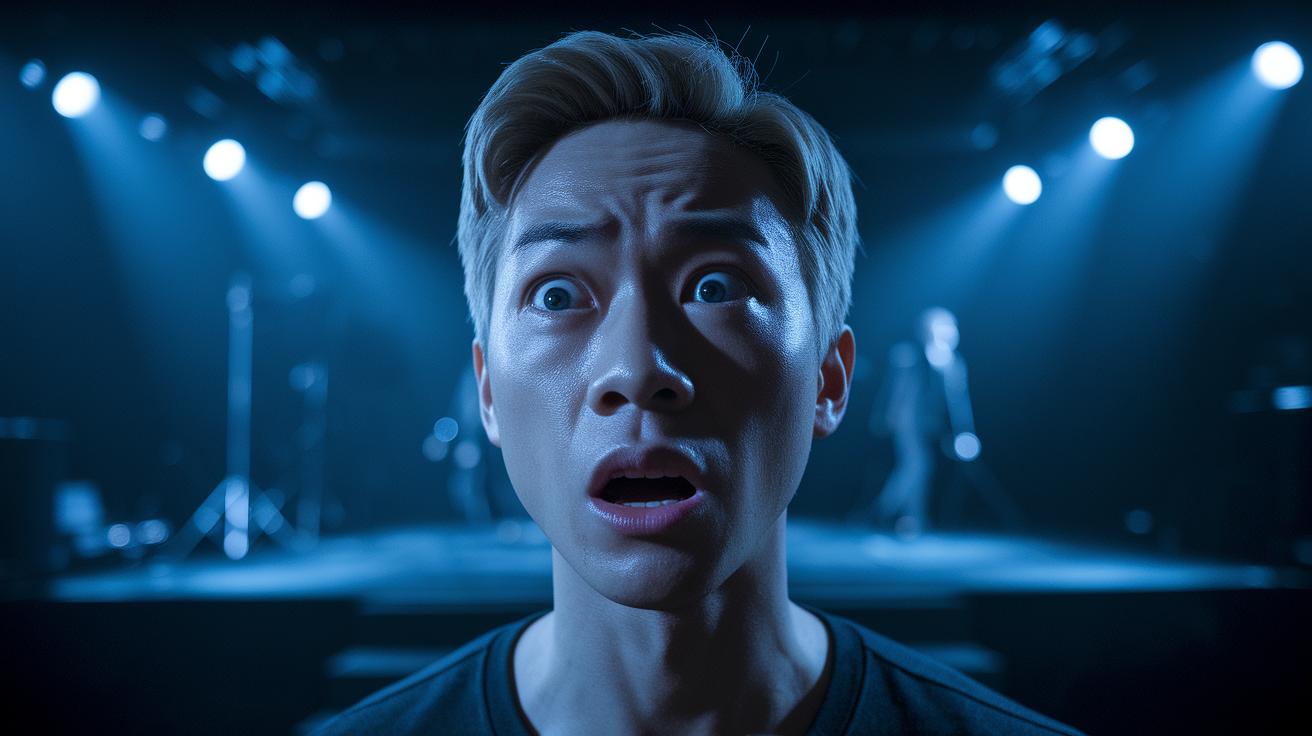
The visuals in a trailer are what catch your eye first. They set the mood and hint at what the movie might be like. Imagine a scene that shocks you right away, a close-up that turns a simple glance into a puzzle of mystery.
How a trailer makes you feel comes from choices like framing, camera angles, and color treatment. A smartly framed shot points you to what matters most. The camera's view can make you feel like a character is powerful (low-angle) or vulnerable (high-angle). Color tones add to the mood: cool shades create a sense of mystery, while warm colors invite closeness. Overdoing close-ups, as seen in the Vanguard trailer, can crowd the screen and take away from the bigger picture.
These smart visual choices can either make a trailer clear and emotional or leave you puzzled and disconnected.
| Element | Purpose | Impact |
|---|---|---|
| Framing | Highlights key parts of the scene | Makes the story clear |
| Camera Angles | Shows power or vulnerability | Shapes how you see the characters |
| Color Grading | Sets the tone | Evokes the right emotion |
| Shot Selection | Guides the story | Keeps the scene moving smoothly |
Assessing Pacing and Editing Techniques in Film Trailers
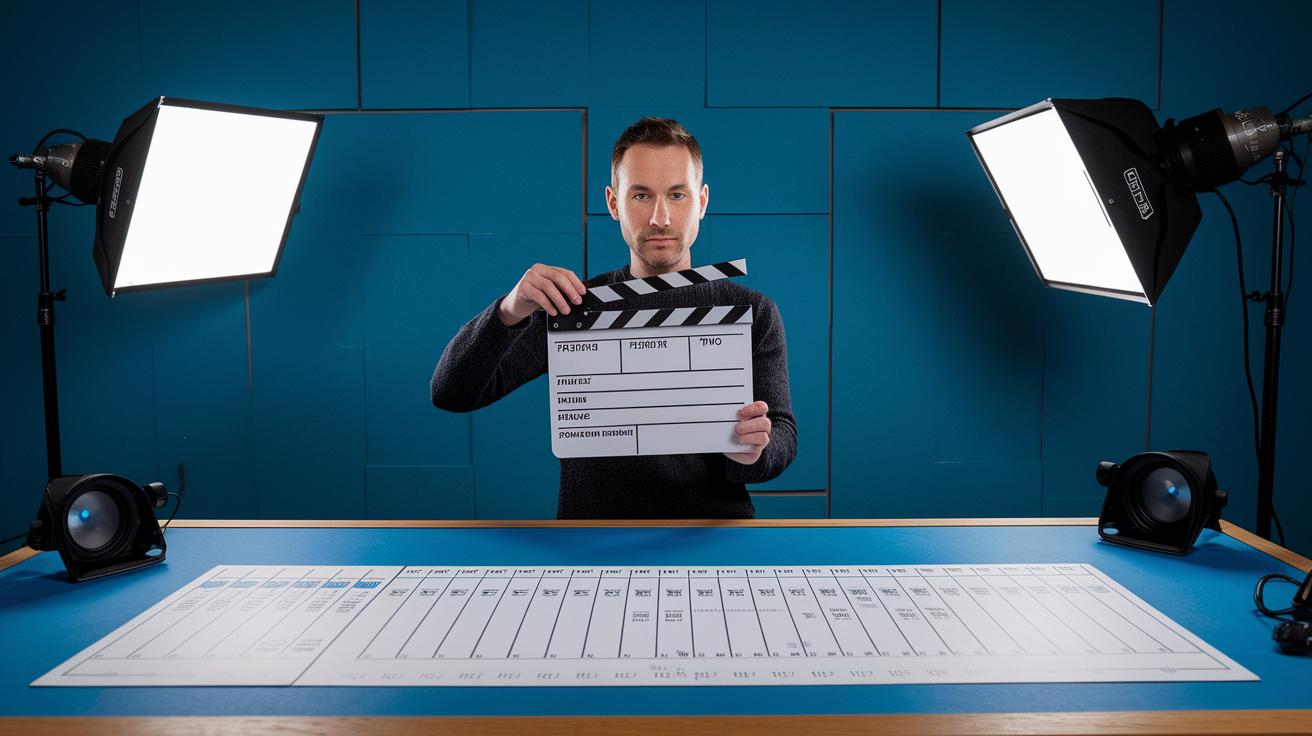
Pacing in film trailers shows how fast or slow the scenes change to build energy. Quick cuts and lively sequences grab your attention and create excitement. A good trailer moves from one scene to the next with clear flow and purpose. For movie fans, noticing the mix of fast and slow cuts can tell you if the trailer builds tension or feels rushed. The overall pacing should match the tone of the film while keeping you interested.
Editing in trailers often uses clear clip changes to signal a shift in mood or story. For example, montage sequences use fast cuts to build energy or gentle fades to create emotion. If the rhythm feels off, it may be a sign that the scenes were not put together with care. How the clips are arranged can either sharpen the film's appeal or give a sense of disjointed chaos.
Ask yourself if the trailer feels too busy or too empty. Too many abrupt cuts can confuse instead of excite, while too few may miss key moments. Paying close attention to the flow of transitions helps you decide if the trailer adds to the story or takes away from it.
Evaluating Sound Design and Music in Film Trailers
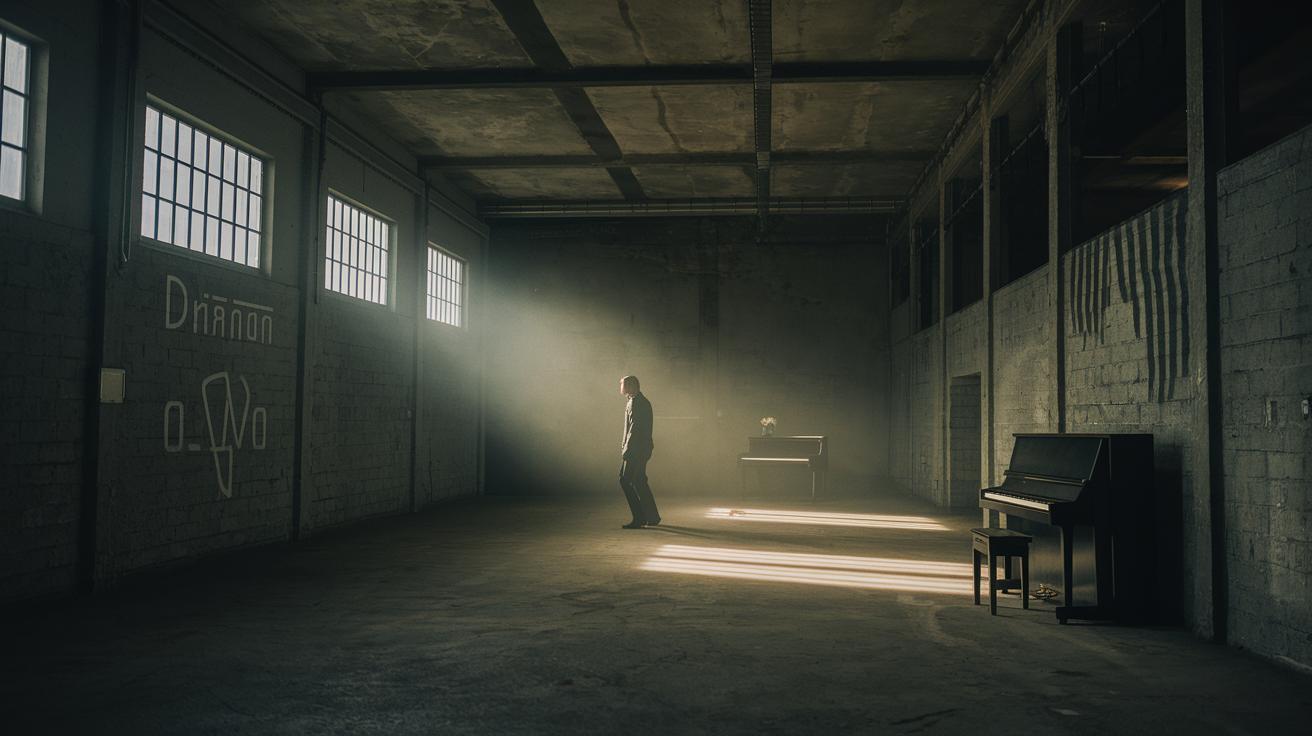
Sound in a trailer sets the mood even before you see anything. A mix of dialogue, music, and effects gives you an instant feel for what’s coming. Imagine a quiet piano note rising at the same time as a tense line of dialogue, like when a hero walks into a shadowy warehouse and danger seems near. This kind of sound layering hints at the film’s vibe without spilling any secrets.
Music and sound effects are key to building suspense and showing the film’s style. A sudden string hit or a deep bass drop can make a scene feel full of tension and energy. Clear dialogue mixed with a soft background score shows the director’s care in not overwhelming you. Even little sounds, a gentle breeze or a loud slam, help the trailer feel complete and pull you into the story.
All these audio elements work together to create the energy and emotion of the trailer. When they blend just right, they boost the suspense and invite you to experience the full film world.
Identifying Genre and Tone Cues in Film Trailers
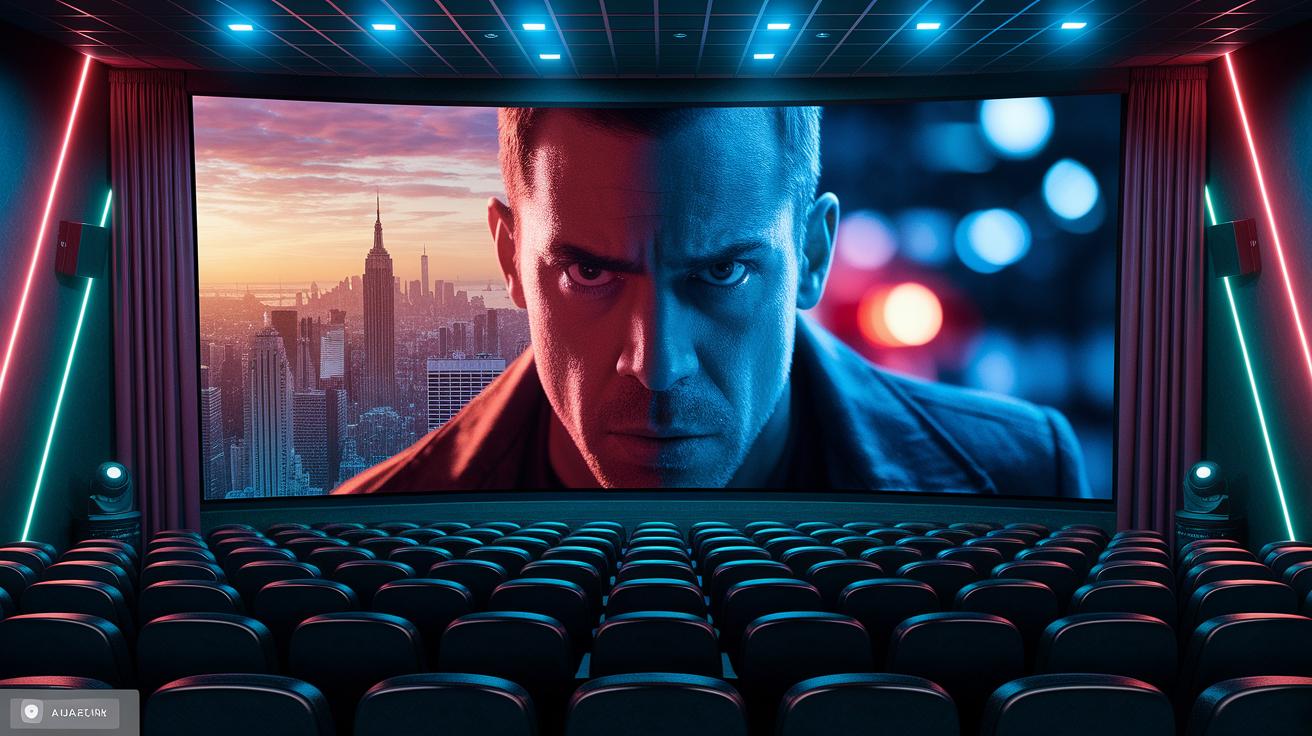
Film trailers give you a quick peek at what to expect. They use colors and sounds to hint at the movie's style. Warm colors like red and orange can signal romance or adventure, while cool tones like blue may point to mystery or horror. Wide shots and tight close-ups also tell you if the film leans toward an epic landscape or a personal, intense moment.
The music sets the mood too. A playful tune might hint at a comedy, while a steady, tense rhythm could mean action or thriller vibes. When these visual and audio cues match what you expect, the trailer sets the stage perfectly. But if a movie uses dramatic, shadowy visuals with an upbeat beat, it might leave you puzzled, just like the Vanguard trailer did.
Spotting Marketing and Promotional Elements in Film Trailers
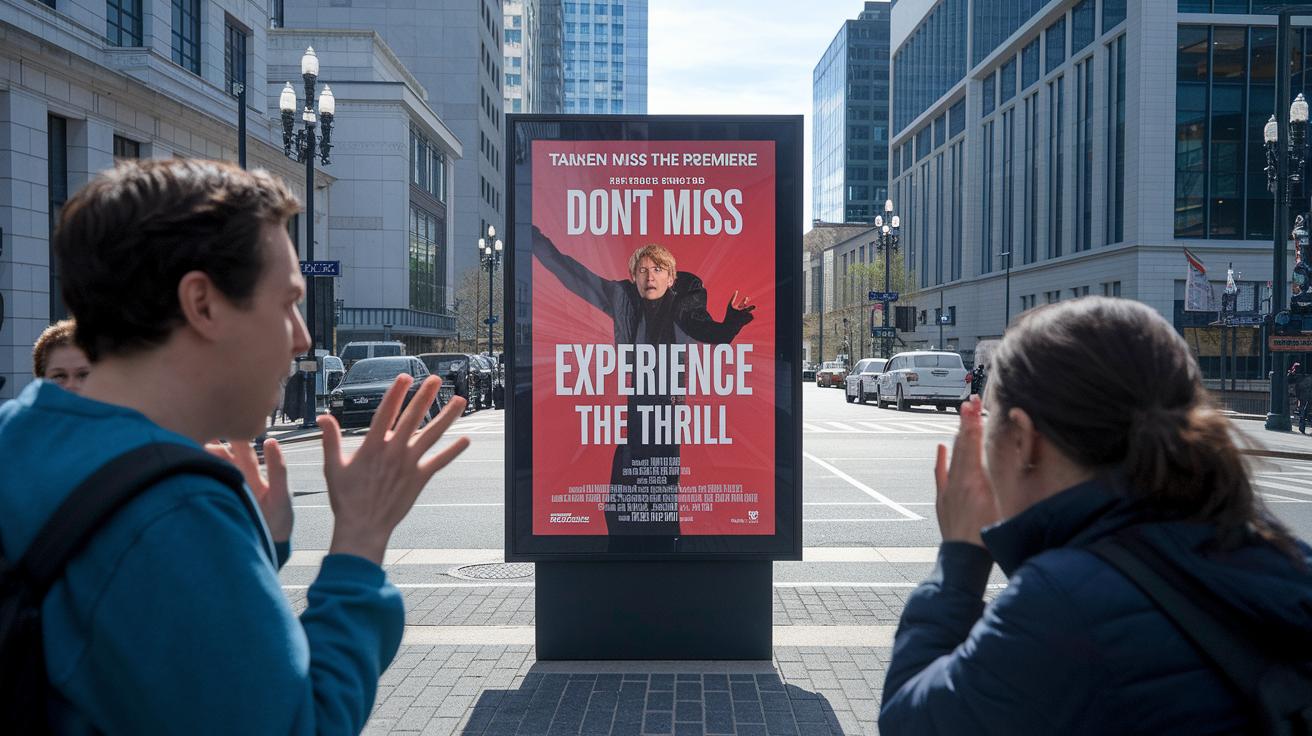
Film trailers use fast visual signals like text overlays and call-to-action messages. These overlays display key details such as release dates or special offers and use bright fonts and colors to catch the eye. Picture a message slowly coming into view on a bold background that reads "Don't miss the premiere." This simple trick grabs attention instantly.
Taglines also serve as a strong marketing tool. A well-timed tagline hints at the film's mood and theme while adding a layer of mystery. They often appear when the music and visuals are at their peak, creating a memorable moment. Think of a bold line like "Experience the thrill" during an exciting scene that sticks with you.
Logo placements and timely call-to-action prompts back up the film's marketing plan. Typically, the logo shows up near the end of a trailer to cement the film's brand. Promotional messages, such as repeated "Sign up/Sign in" prompts, follow familiar marketing techniques. These elements work together so that even after the trailer ends, the film remains fresh in the viewer's mind.
Crafting a Personal Cinephile Trailer Checklist
Your own checklist makes evaluating trailers more personal. Instead of relying on one set of standard rules, you can trust your own taste. Your life experiences and little quirks, like preferring surprising twists over rapid cuts, shape what you enjoy. For instance, if a trailer builds tension with a quiet shot before a sudden burst of sound, note that as a sign of films that grow suspense in a gentle way.
Customize your checklist to match the films you love. If you’re into heart-pounding thrillers, pay close attention to how sound effects and silence work together. For fun, lighthearted comedies, focus on quick wit and clever visuals. Jot down a few guiding questions for each viewing: Does the trailer flow in a way that excites you? Do its images set a mood you connect with? Have you ever been drawn to a trailer because it used humor in an unexpected twist, turning a familiar scene on its head?
Final Words
In the action, this guide moved through every key aspect of film trailers, from core foundations and narrative structure to visuals, pacing, sound design, and marketing cues.
It clearly laid out how to mix these elements for a well-rounded, spoiler-safe review. You now have a solid method to build your own checklist, capturing what to look for in a film trailer: a cinephile's guide, that helps you decide quickly and spot genuine quality. Enjoy the thrill of finding previews that point to films worth your time!
FAQ
How to make a trailer for a short film or a movie trailer for a school project?
The process of making a short film trailer or a school project trailer begins with planning, choosing key scenes, setting pace, and selecting music to build excitement while hinting at the plot.
What to look for in a film trailer—a cinephile’s guide 2022?
The guide advises checking narrative clarity, visual storytelling, editing pace, sound design, and marketing cues to judge a trailer’s quality and overall appeal.
What is the structure of a film trailer?
The film trailer structure typically includes an engaging opener, narrative buildup, hints of action or drama, and a clear call-to-action, where visuals and audio work harmoniously.
How do you make a movie trailer on Canva or Capcut?
The approach for making a movie trailer on Canva or Capcut involves selecting a template, customizing clips and text, adding music, and refining transitions to create an engaging promotional piece.
How long should a trailer be for a short film?
A trailer for a short film should be concise, generally between 30 to 90 seconds, providing enough detail to spark interest without revealing too much of the story.
What is an example of a movie trailer?
An example of a movie trailer is one that teases key plot points with dynamic visuals and soundtracks, much like the style seen in popular blockbuster promotional pieces.
How do you analyze a film trailer?
Analyzing a film trailer involves assessing its narrative structure, visual composition, editing rhythm, audio layering, and its effectiveness in building anticipation for the film.
What should be included in a movie trailer?
A movie trailer should include a compelling hook, key plot hints, striking visuals, fitting music, and clear promotional elements that entice viewers to learn more.
What is the most disliked trailer of all time?
Many viewers say the most disliked trailer is one that overpromises while underdelivering, failing to match audience expectations for clarity, pace, and honest storytelling.
What is the 20 minute rule for movies?
The 20 minute rule suggests that films should capture audience interest within the first 20 minutes, establishing tone and engaging viewers early on to hold their attention.