
Ever wondered why old movies still hold our attention? Every scratched reel hides a legacy waiting to be brought back to life. Retro film restoration uses careful fixes alongside modern digital tools to turn delicate classics into lively treasures. This guide shows how experts repair broken frames and clear away dusty prints while keeping the original magic intact. In doing so, they protect a piece of art that will continue to enchant future audiences.
Getting Started with Retro Film Restoration and Preservation
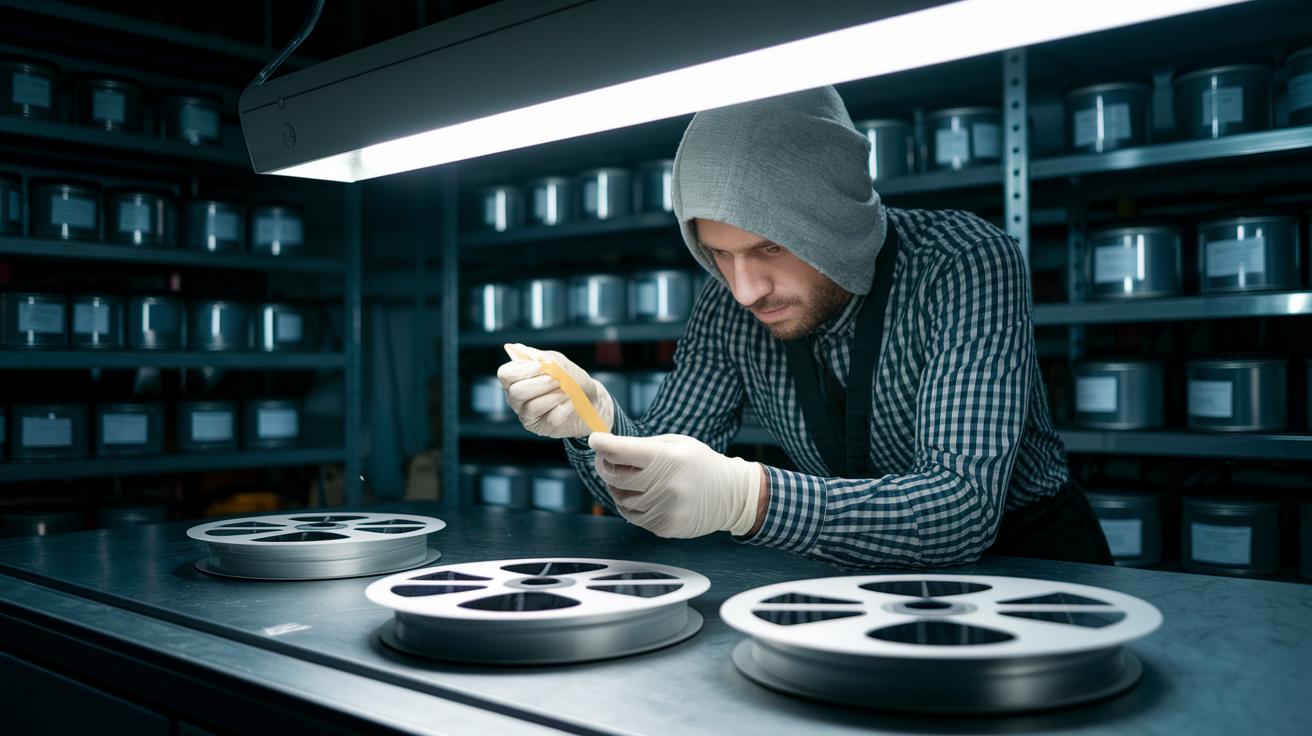
In labs that focus on preserving film, experts start by checking the reels for any tears, scratches, or damage. They fix problems by hand using splicing tape and special cleaning liquids. They also use chemical and ultrasonic cleaning methods to wipe away dust and grime. For instance, a technician might say, "This frame needs a gentle cleaning because of small imperfections." These careful steps set the stage for a smooth digital makeover.
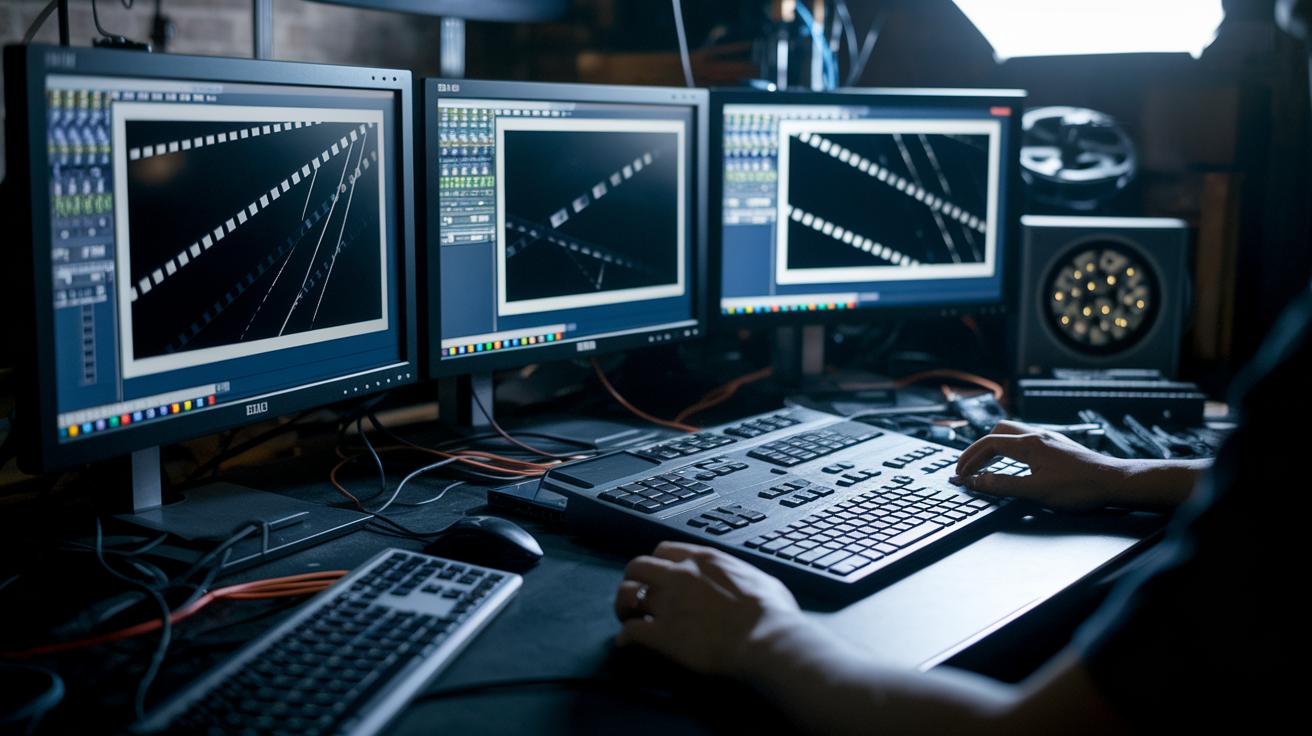
Next, the films are scanned with tools like telecine devices or dedicated film scanners that record each frame in high detail, such as 2K or 4K. The audio is separated from the visuals so both can be enhanced properly. Digital software then removes scratches and dust one frame at a time, while also stabilizing the picture. At the same time, the audio is cleaned up, carefully lined up with the video, and even gets extra help with subtitles when needed. This two-part process makes sure the film’s picture and sound stay true to its original feel.
The last part is all about final touches and storage. Once the digital repair and sound cleanup are done, the film gets a boost from color enhancements and quality checks using grading tools to balance tones and contrast. The finished movie is then synced and stored in a cloud system so it is easy to access later for viewing or research. This complete process is vital for restoring and safely preserving classic films.
Physical Restoration Techniques in Retro Film Restoration
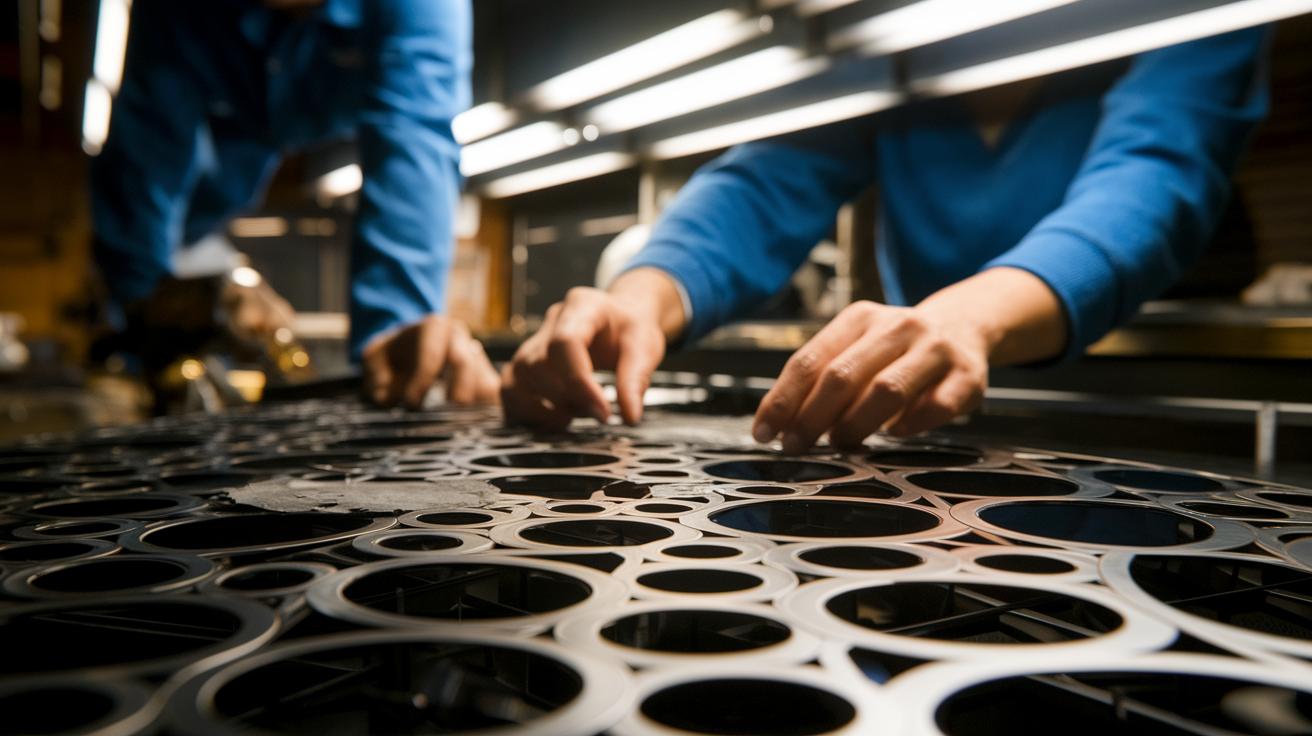
In a film lab, experts start by checking every reel of celluloid film. They look for scratches, tears, or shrinkage that might hurt the final result. Each frame gets a close visual check to catch even tiny flaws before repairs begin. A technician might say, "This frame shows slight shrinkage and needs gentle care before scanning."
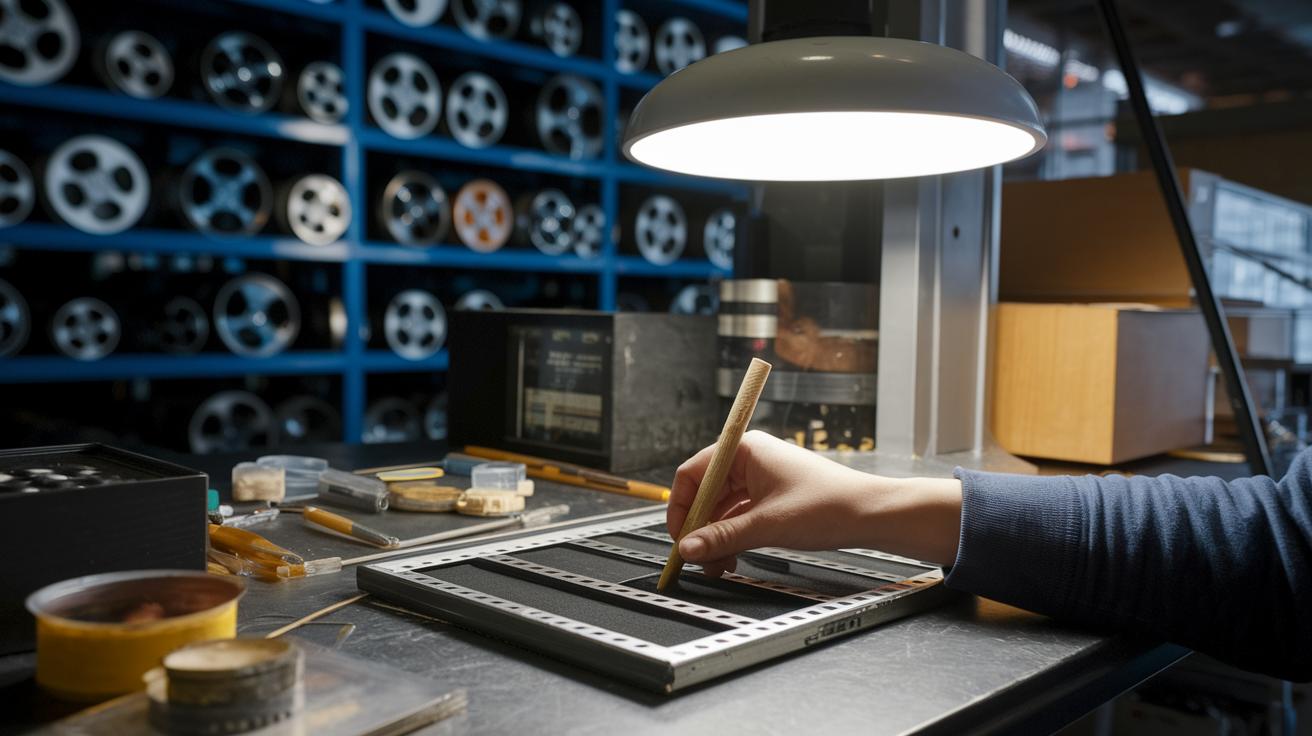
After finding problems, technicians begin the repair phase. They fix small damages with splicing tape and special solvents that mend breaks and smooth small tears. Manual repairs work side by side with careful cleaning, so the film is stable and ready for its digital journey. One operator might add, "We rely on precise manual fixes to keep each frame intact."
| Step | Description | ||||||||||||||||
|---|---|---|---|---|---|---|---|---|---|---|---|---|---|---|---|---|---|
| Gauge Check | Assess the film’s condition | ||||||||||||||||
| Solvent Cleaning | Remove surface contaminants | ||||||||||||||||
| Ultrasonic Bath | Dislodge stubborn dust and grime | ||||||||||||||||
| Splice Mending | Repair tears and join broken sections
Era-Specific Scanning and Yesteryear Digitization Methods
Choosing the right scanning gear is key to saving classic films. Labs usually go with telecine systems because they work great for 16 mm and 35 mm film. They offer fast 2K or 4K scans and split the sound from the image easily. Some places also use film scanners that capture each frame one by one so that every little detail is kept. Your choice depends on the film type and how much detail you need. One technician put it simply, "A telecine setup lets us cleanly separate sound from picture, making the digital process smoother." These systems also handle common speeds like 24 or 25 frames per second, which keeps the movement natural.
Once the film is digitized, the next step is moving the files safely to the restoration workstation. The digital files are checked for alignment and proper color before they’re backed up and loaded into a dedicated editing system. This extra care helps avoid data corruption and makes sure every frame is ready for more restoration work. Secure digital pipelines also verify frame rates and sync the separated audio tracks with the image perfectly. By following these careful methods, labs keep a film's technical and artistic charm intact for high-quality restorations and viewing. Digital Picture Restoration Software and Tools
Modern digital restoration software like DaVinci Resolve, PF Clean, and FilmLight Baselight brings old films back to life. These tools let experts work on every frame, clearing scratches and dust while keeping the film's original look intact. One technician said, "I always back up the original scans before starting any edits to protect the film’s raw quality." With hardware acceleration speeding up processing, each frame gets the detailed attention it deserves. These programs offer features such as scratch removal, dust busting, and image stabilization (a tool that smooths out shaky footage). Users can mix plugins to tackle persistent issues like streaks or jitter. For example, PF Clean examines each frame closely to mend even the tiniest flaws. As one technician explains, "Using a stabilization filter helps sync the frames perfectly so that the playback feels smooth, much like watching the film as it was meant to be seen." Keeping projects organized is essential. Restorers label file versions and save backups at every step, making it easy to track changes or revert to an earlier version if needed. One specialist noted, "We save each edited version separately, which helps us compare results and fix any issues." This careful process not only preserves the film's character but also makes collaboration on vintage restoration projects a lot easier. Color Correction and Image Stabilization for Vintage Film
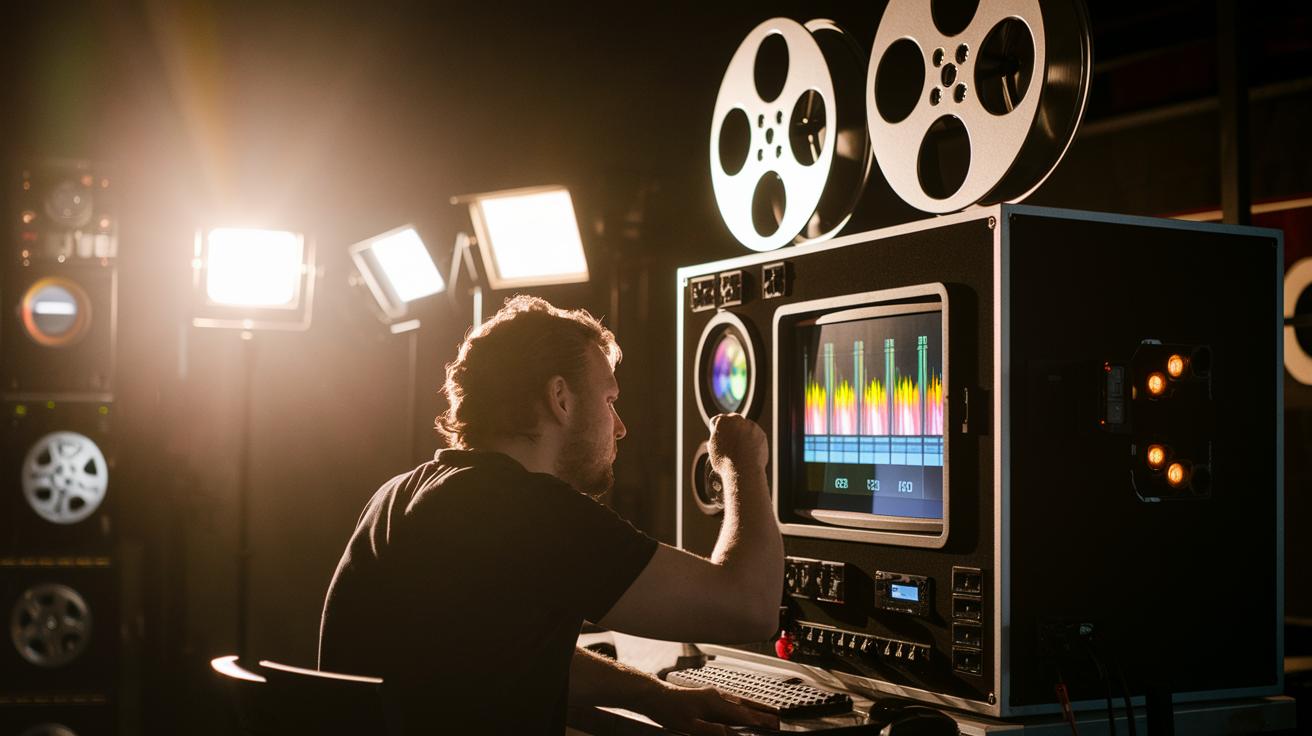
When we do final digital color grading, we use tools like LUTs, waveform monitors, and vectorscopes to balance tones and adjust contrast for an authentic vintage feel. One technician shared, "The new LUT settings bring out the warmth in these vintage scenes while keeping the shadows intact." This method helps keep the original look the filmmaker intended while creating a balanced color scheme. After grading, we apply stabilization filters to smooth out the jitters and shakes found in old reels. For quick daily reviews, we use a looser stabilization so previews can move faster, but the final master copy gets a full, careful treatment. This approach keeps the important details clear while creating a smooth digital restoration. Audio Restoration Best Practices for Classic Films
Audio restoration starts with a focused clean-up using trusted tools like iZotope RX and Pro Tools. Skilled technicians begin by removing background noise, clicks, and pops that can distract from the film. They listen to each audio track and carefully reduce unwanted static without losing clarity. One specialist noted, "I use iZotope RX to clear background noise, making sure every sound fits perfectly with the visuals." Once the audio is cleaned up, the next step is to re-sync it with the visually restored frames. This step is key to keeping the film's original rhythm and ensuring that dialogue feels natural. When the original recordings are incomplete or badly damaged, experts look for replacement sounds from other archives. They might sample sound from available copies and blend these elements into the main track so that the transitions feel smooth. As one technician explained, "Replacing missing audio helps bring back the film's energy while keeping its original vibe." These methods help classic films deliver a well-rounded and modern sound experience. Heritage Archiving: Storage Environment Standards and Cloud Backup
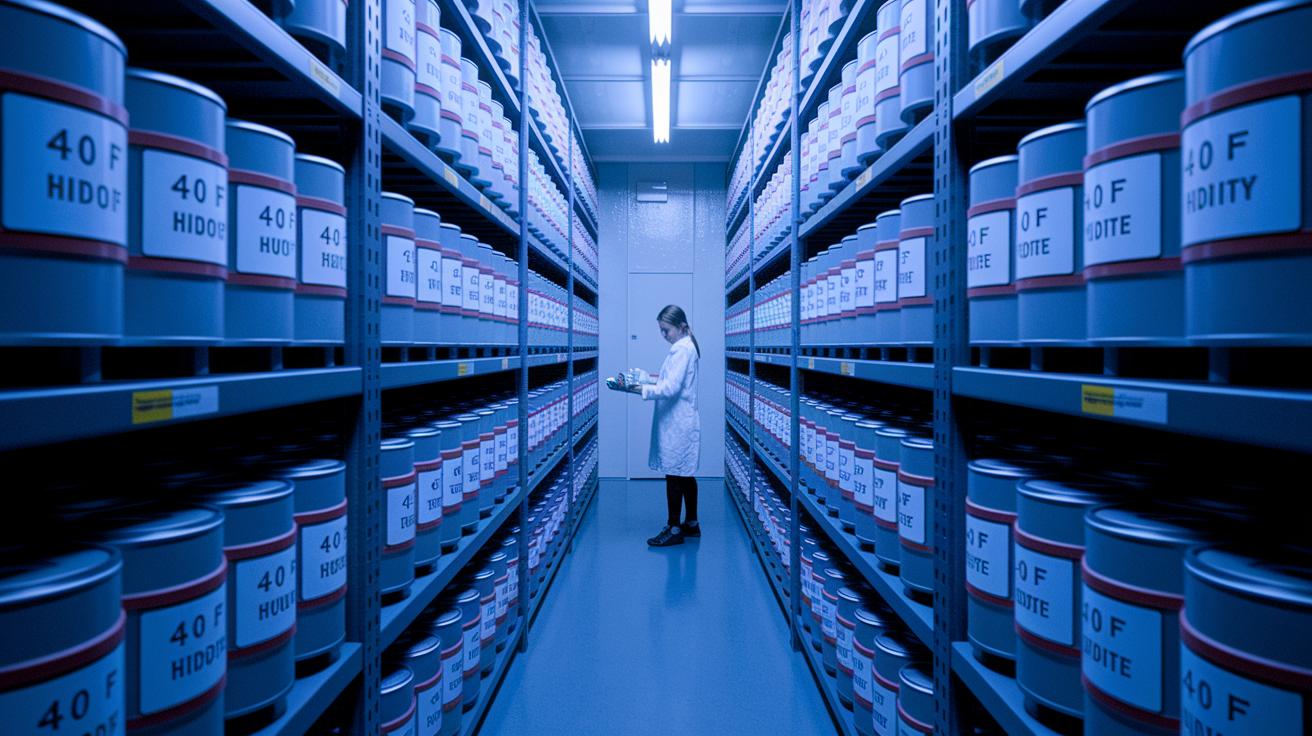
Storing films properly is key to keeping our classic movies safe for the future. Keeping films in a controlled space slows down damage and preserves their quality. Experts say the ideal storage is around 40°F (4°C) with a humidity level between 30% and 50%. It’s best to use acid-free film cans for storage. For nitrate films, avoid freezing because it can make them unstable. These steps protect films until they’re ready for restoration or digital archiving.
Digital backup is just as important. Archivists now create several copies of films and keep them in a cloud system. This method protects the master files from accidental loss or damage. Each digital copy is tagged with detailed information (metadata), which makes it easier to organize and retrieve later. A strong digital backup plan not only protects valuable work but also supports future efforts to improve classic film preservation. Troubleshooting Common Retro Film Restoration Challenges
Retro film restoration often runs into problems like vinegar syndrome (a condition that causes a sour smell when film chemicals break down) and mold, which weakens fragile film. Films can shrink too, causing jams during scanning and making it hard to line up frames properly. They may also lose much of their color, stripping scenes of their original brightness, or suffer from missing and torn frames. One technician explained, "When every frame has a unique flaw, careful inspection is our best first step." To fix these issues, experts use specific treatments and regular checks. They separate damaged reels to stop decay from spreading and use controlled rehydration to help films regain their proper size and shape. They smoothly bridge missing segments with frame interpolation (a method that creates gentle transitions) while matching color references to restore faded hues. Routine inspections catch recurring issues early, ensuring timely fixes that protect the film’s original artistic vision despite its age. Case Studies in Retro Film Restoration and Expert Insights
Real-world examples show how different methods can breathe new life into old films. A non-profit group founded in 1990 restored a 1920s nitrate print by carefully repairing and cleaning fragile frames. They focused on protecting cultural history by repairing and rehydrating each frame by hand and using digital touch-ups only when needed. In another example, a major studio refreshed a 1950s classic with a 4K restoration. They scanned every frame using advanced hardware and improved each one digitally. Both projects highlight how vital it is to preserve films while tackling each unique technical challenge. Non-Profit Cinema Heritage RestorationThis non-profit works hard to save film history by repairing old nitrate prints. Experts inspect every reel, fix physical damage, and use gentle cleaning methods. Their work not only saves deteriorating films but also offers a glimpse into nearly a century of cinema. One technician said, "Every frame is a part of our shared history." Studio-Led 4K Restoration ProjectUsing modern scanning and digital enhancement tools, the studio captures fine details in 4K. They correct each frame one by one with software that balances color and sharpness. The final result is an archival-quality film master that keeps the classic look intact for future audiences. Final WordsIn the action from physical film care to digital fixes, this blog laid out a complete plan. We covered everything from initial inspection and lab work to precise scanning, digital touch-ups, and safe archiving. The guide breaks down each step of retro film restoration and preservation guide, making complex techniques seem manageable. Enjoy the process of breathing new life into classic films. Embrace these practical tips, and let your passion for film preservation shine on every screen you touch. FAQFrequently Asked QuestionsWhere can I find the retro film restoration and preservation guide pdf?The retro film restoration and preservation guide pdf offers a step-by-step outline for cleaning, scanning, and digital restoration, available on film archiving websites and through preservation institutions. How can I access a free retro film restoration and preservation guide?The free retro film restoration and preservation guide provides essential tips on film care and digitization, often shared by film restoration communities and archival organizations online. What is included in the retro film restoration and preservation guide 2022 update?The retro film restoration and preservation guide 2022 update focuses on current practices, featuring advanced digital color correction, cloud archiving, and improvements in scanning technology for classic films. What information does a film preservation guide pdf provide?A film preservation guide pdf explains both physical and digital techniques, covering inspection, cleaning, scanning, and long-term storage to help maintain career classics efficiently. What does American film preservation involve?American film preservation involves restoring and maintaining classic films through meticulous lab work, digital restoration, and secure archiving, ensuring these cultural artifacts endure. What is the Film Preservation Society and what role does it serve?The Film Preservation Society is a dedicated group that works to restore and archive classic movies, educating the public and preserving film history for future viewers. What does film archiving entail?Film archiving entails careful handling from physical cleaning and scanning to digital backups, ensuring that both film materials and their cultural significance remain intact. Where can I find National Film Preservation Foundation jobs?National Film Preservation Foundation jobs are listed on official heritage websites and non-profit networks, offering opportunities in restoration, archiving, and preservation projects. More like this Classic Movie Series Celebrate Vintage Magic
Experience classic movie series that reshape film history, where iconic characters and daring stunts raise the question:...  Classic Movie Scenes (most Influential Scenes In Film History)Experience classic movie scenes that spark cinematic brilliance, transforming every frame into a provocative moment before an...  Classic Movie Posters (most Iconic And Why They Work)...Explore classic movie posters bursting with charm and clever design that made film marketing art, but what... |