
Ever noticed how your favorite film might hide secret clues right in front of you? Analyzing movies doesn’t need to be tough if you follow a clear, step-by-step approach. By tuning in to subtle sounds, small changes in character, and visual cues that boost the story, you can unlock layers that make each scene richer. Start by gathering background details and jotting down what stands out as you watch, and you’ll soon turn a casual viewing into a smart, engaging exploration. This guide shows you an easy way to enjoy film analysis without overcomplicating things.
Core Film Analysis Steps at a Glance
Using a set of clear steps can help you catch all the little details in a movie. Breaking down the process ensures you don't miss anything, from the director's style to the soft sound cues that add depth to the scene. This approach builds a strong, fact-based view of the film.
- Learn about the film's background
- Watch carefully and jot down notes
- Spot key movie features
- Look at the story and how characters change
- Check out the sound, editing, and visuals
- Rewatch to gather deeper insights and put your notes together
Starting with basic background info sets you up to notice important visual signals during your viewing. Rewatching later can confirm your first impressions and reveal hidden details. This clear, step-by-step method helps turn quick impressions into a solid analysis that stands up to a closer look.
Gathering Film Context: Background Research for Analysis

Begin by checking out the director's style and filmmaking background. Look at their earlier films to see what unique touches they bring. For instance, if you notice recurring visual themes in their past indie projects, it can clue you in on what to expect in their latest work. This step helps you frame your thoughts and makes your note-taking more organized.
Next, learn about the cultural and historical setting in which the film was made. A movie produced during turbulent political times or set in a distinct era can carry extra meaning that might be overlooked without context. Knowing the social and genre norms of that time helps you see the film as it was meant to be understood, without adding modern ideas.
Altogether, this background research grounds your movie analysis. By tying production insights to the film's context, you build a strong base for deeper, well-informed observations later on.
Active Viewing Practices for Film Analysis
Start with a dedicated viewing log where you jot down key moments as you watch. Write down the time, a quick note, or even draw a small sketch. For instance, you might note, "Scene 00:15:32 – the camera pans slowly to show background details." This simple record helps you remember what caught your eye.
While watching, pause the film to capture important details like shot lengths, dialogue bits, and camera moves. If a character delivers a key line or the lighting shifts sharply, write down the time and why that moment matters. This way, you build a clear map of standout scenes for later review.
Break the film into smaller segments to keep things manageable. Focusing on short sections makes it easier to absorb the details and improves your recall for a deeper analysis later.
Identifying Cinematic Elements: Analyzing Visual Style and Composition
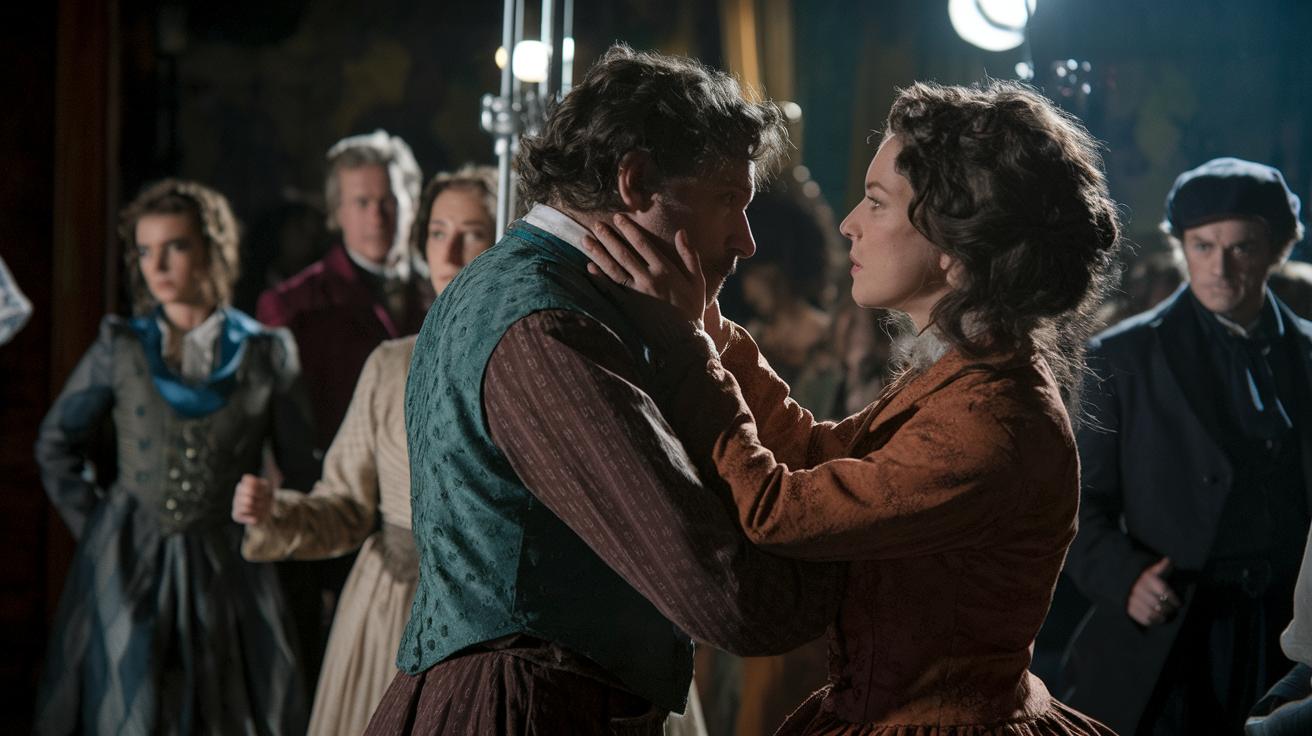
Every part of a film's look tells a story. By noticing details like actor placement, lighting, costumes, camera angles, colors, and props, you get clues about relationships and mood. A well-thought-out actor setup might hint at power struggles, and a smart lighting choice can reveal a hidden side of a character. Together, these elements create a visual language that shapes how we feel about the story.
| Element | What to Watch For | How It Affects the Story |
|---|---|---|
| Mise-en-scène | Where actors stand and what objects are around | Shows relationships between characters |
| Lighting | Shadows and bright spots | Sets the mood |
| Costume/Set | Colors and style | Tells about the background and status |
| Camera/Framing | Angles and shot size | Guides what you focus on |
| Color | Hues and brightness | Creates mood and hints at themes |
| Props | Items in the scene | Adds layers of subtext and ideas |
Keep an eye on these six visual components as you watch a film. Noticing a change in light or a bold costume builds a base for deeper analysis. For example, if the camera suddenly shifts from the main character to a shadowy corridor, it might be hinting at a coming conflict or a change in tone. For more on framing and lighting, check out the detailed breakdown at the provided link.
Examining Narrative Structure and Character Motivations
Start by looking at how the story unfolds as a series of clear, connected events. Notice how the conflict begins and grows, and point out the key moments when the hero’s journey really takes off. Focus on the buildup to the big climax and see how every scene pushes toward a final, decisive end. For instance, if a movie builds tension with a string of setbacks before a final showdown, notice how these moments show the hero’s determination. Breaking the plot into parts like conflict, rising action, climax, and resolution helps you see how the film takes you on an emotional ride.
Now, focus on what makes the characters tick. Look at how the hero’s inner struggles and goals clash with outside challenges. Compare what the villain does with how the hero reacts to highlight their different drives. Notice techniques like changes in viewpoint or jumps in time (flashbacks) that give you a better sense of each character’s background and motivations. These tricks not only reveal personal stakes but also add extra layers of meaning to the story.
By paying close attention to both the events and the choices characters make, you see how each action links to wider themes. This approach shows that personal decisions are what drive the overall message of the film.
Technical Aspects to Include in Your Film Analysis
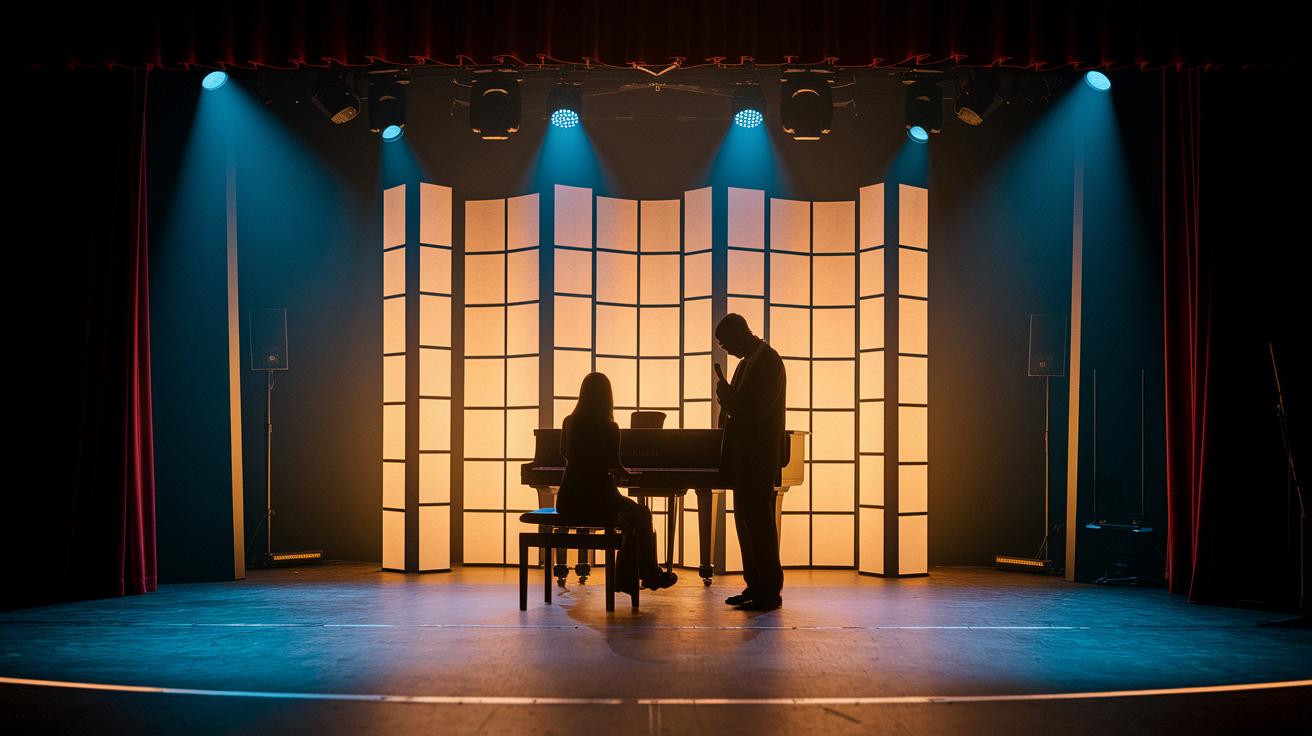
Sound design and the musical score guide a film's mood. Clear dialogue paired with background sounds adds meaning that images alone might miss. Imagine a scene where a soft melody heightens a tense conversation. For example, at 00:12:15, a gentle piano note turns a calm moment into a swirl of feeling. Noting details like these shows how sound builds a rich audio world.
Editing and pacing also shape how the story unfolds. The quick cuts or smooth transitions can add tension or give you a moment to absorb a detail. A short montage might pack many emotions into just a few seconds, while a slow shot draws your attention to important parts. Recording these moments, like a rapid edit at 00:45:30, helps you follow how the film moves its story along.
These technical elements work together to support the film's mood and story. When editing blends well with sound, the film creates an atmosphere that pulls you in. For example, a smooth transition with rising music can turn an ordinary scene into a sign of a character’s inner change.
Synthesizing Observations: Rewatching and Formulating Conclusions
Watching a movie more than once can help you catch little details you might miss on the first viewing. When you rewatch a film, you can confirm your first impressions and notice subtle hints like a change in a character’s expression or a tweak in the background lighting. These small clues can give you a deeper understanding of the story.
Next, try organizing your observations into groups. Break your notes into themes like visual motifs, character journeys, and important dialogue moments. For example, you might note, "At 00:32:10, dim lighting and close framing show the hero's isolation." Grouping your insights this way builds a strong case for how the film tells its story.
Finally, back up your ideas with clear examples and exact timestamps. This method makes it easy to see how each detail contributes to the film’s overall impact.
Final Words
In the action of this guide, you saw a clear roadmap for film analysis steps, from digging into background context to rewatching and synthesizing insights. This structured approach helps busy viewers capture key cinematic elements without missing details. The outline shows practical steps to analyze a film, encouraging active viewing and thoughtful examination of narrative and technical craft. Stick with these techniques to quickly gauge a film’s worth and make confident watch decisions. Enjoy exploring each layer with a fresh, clear mindset.
FAQ
What are the basic steps to analyze a film for beginners?
The steps for analyzing a film begin with researching its context, watching actively while taking notes, identifying cinematic elements, breaking down narrative and character arcs, evaluating technical aspects, and then rewatching to synthesize insights.
What does a film analysis example or essay look like?
A film analysis example or essay outlines clear sections: an introduction with background research, detailed observations from active viewing, analysis of narrative structure, and an evaluation of technical choices leading to a coherent conclusion.
How do you use a film analysis worksheet for a structured approach?
A film analysis worksheet helps by listing key steps such as compiling context, recording observations during active viewing, noting cinematic elements, and evaluating narrative and technical details, all of which support clear, organized conclusions.
Where can I find film analysis resources like PDFs?
Film analysis PDFs provide ready-to-use guidelines, step-by-step templates, and examples that help structure your notes and support thorough evaluations for essays or academic projects.