

Have you ever noticed how a small object or a simple color carries a big message in movies? This idea, known as film symbolism (using visuals to hint at deeper meanings), means everyday details can reveal hidden truths about characters or society. When you catch these clues, you'll see movies in a fresh, more exciting way that goes beyond the surface.
Defining Film Symbolism: Core Concepts and Purpose
Film symbolism is a way directors use everyday visuals to hint at deeper ideas. They mix objects, actions, colors, characters, sounds, camera angles, and cuts to suggest abstract thoughts that stick with you long after the movie ends. For instance, in Parasite, a simple stone changes from a sign of hope to a signal of desperation, mirroring a character's inner conflict. Likewise, in The Dark Knight, the Joker isn’t just causing chaos, he represents society’s wild, unpredictable side, quietly pushing a strong message.
At its core, film symbolism invites you to look closer and find hidden clues in every scene. A small detail like a background color shift can suggest a big change, hinting at a character’s internal struggle or a turning point in the story.
By weaving these symbols into their films, directors add extra layers to the story. This approach makes you think beyond what you see and discover the deeper feelings and themes at work. In short, film symbolism conveys emotions and ideas without a single word, crafting a richer and more engaging experience.
Exploring Types of Film Symbolism

Film symbolism is a clever tool directors use to add a hidden layer of meaning to movies. They sprinkle subtle clues through objects, characters, colors, sounds, or even the plot, inviting you to read between the lines. This visual language deepens the story without saying a word.
For example, a familiar item might symbolize a character’s secret hopes or fears. It isn’t just part of the scenery; it tells you more than dialogue can.
Consider object symbolism. A simple stone in Parasite shifts from a sign of hope to one of downfall, mirroring how the characters' lives change. Then there’s character symbolism. Think of the Joker in The Dark Knight. He’s not just a villain, he’s a living symbol of chaos. Color symbolism is just as powerful. In The Shining, an intense red isn’t only for effect; it signals danger and tension. Music can also carry deep meaning. The Imperial March in Star Wars isn’t merely a tune; its dark notes warn of an oppressive force. Finally, plot symbolism turns the very storyline into a metaphor. Akira uses its narrative as a bold allegory of power and transformation.
| Symbolism Type | Film Example | Symbolic Meaning |
|---|---|---|
| Object Symbolism | Parasite | Represents aspiration and downfall |
| Character Symbolism | The Dark Knight | Embodies anarchy and the clash of ideals |
| Color Symbolism | The Shining | Signifies danger and violence |
| Music Symbolism | Star Wars | Signals the presence of authoritarian power |
| Plot Symbolism | Akira | Acts as an allegory for power and transformation |
Methods for Decoding Film Symbolism
When watching a film, keep an eye out for signs that keep reappearing. Look at details like props, color choices, and how the sets are arranged. The camera angle you see can point you toward key symbols. For example, raindrops in The Shawshank Redemption hint at freedom and a deeper longing. Sometimes, pausing a scene to study its layout can reveal small cues that build up to the film’s main ideas.
Try these steps to break down film symbolism:
- Watch for color shifts that match changes in mood or show a character’s growth.
- Notice when the set or props change at important moments in the story.
- Look at how the editing (the way scenes are cut together) creates a rhythm that highlights certain symbols.
- Compare scenes to see how the same details are used in different ways.
By matching the story with these visual hints, you uncover a hidden language in the film. This method turns watching movies into an active search for meaning, piecing together clues that reveal the core ideas behind the story.
Case Studies in Film Symbolism: Iconic Examples

In Inception, a spinning top hints at the blurry border between dreams and reality. Its constant spin makes you wonder if what you see is real or just an illusion. Similarly, Everything Everywhere All At Once fills its scenes with circle imagery to show how life repeats and connects. These visuals encourage you to dig deeper into the characters' struggles and the film's message of balance.
In Get Out, an early scene with a deer gives a subtle warning about the racial tensions bubbling under the surface. This quiet yet eerie moment sets the stage for the film's social commentary. In contrast, The Shining uses strong red visuals, like a striking red door or a brightly lit room, to create a feeling of danger and looming disaster. Both films use these visual touches to enhance their themes and build tension.
In Shawshank Redemption, a simple rainstorm turns into a symbol of freedom and new beginnings for the main character. The downpour works as a cleansing moment that shows an escape from both literal confinement and inner limitations. Meanwhile, The Dark Knight contrasts its characters visually, with the Joker representing chaos and Batman standing for order. This clear use of imagery invites you to think about the personal battles that drive the story.
Role of Film Symbolism in Narrative and Themes
Film symbolism links the plot with the characters in a way that adds extra meaning to each scene. Directors often use visual clues like changes in color, recurring images, or special objects to reflect a character’s inner feelings. A small shift in a scene’s color can point to a change in mood or hint at a hidden conflict, inviting viewers to see beyond what is simply on screen.
Repeated visual elements work like road signs for key moments in the story. When a symbol keeps showing up, it can hint at major events ahead or build up to a big climax. Each appearance boosts the mood of the film and encourages audiences to think about the message behind it, deepening the overall narrative.
Directors carefully place these visual cues to draw us into the story and keep it flowing naturally. By mixing symbolism with both character growth and the plot, films create layers of emotion and thought. These hints build suspense and guide our understanding, making every scene count as part of a richer, more layered experience.
Historical Evolution of Film Symbolism
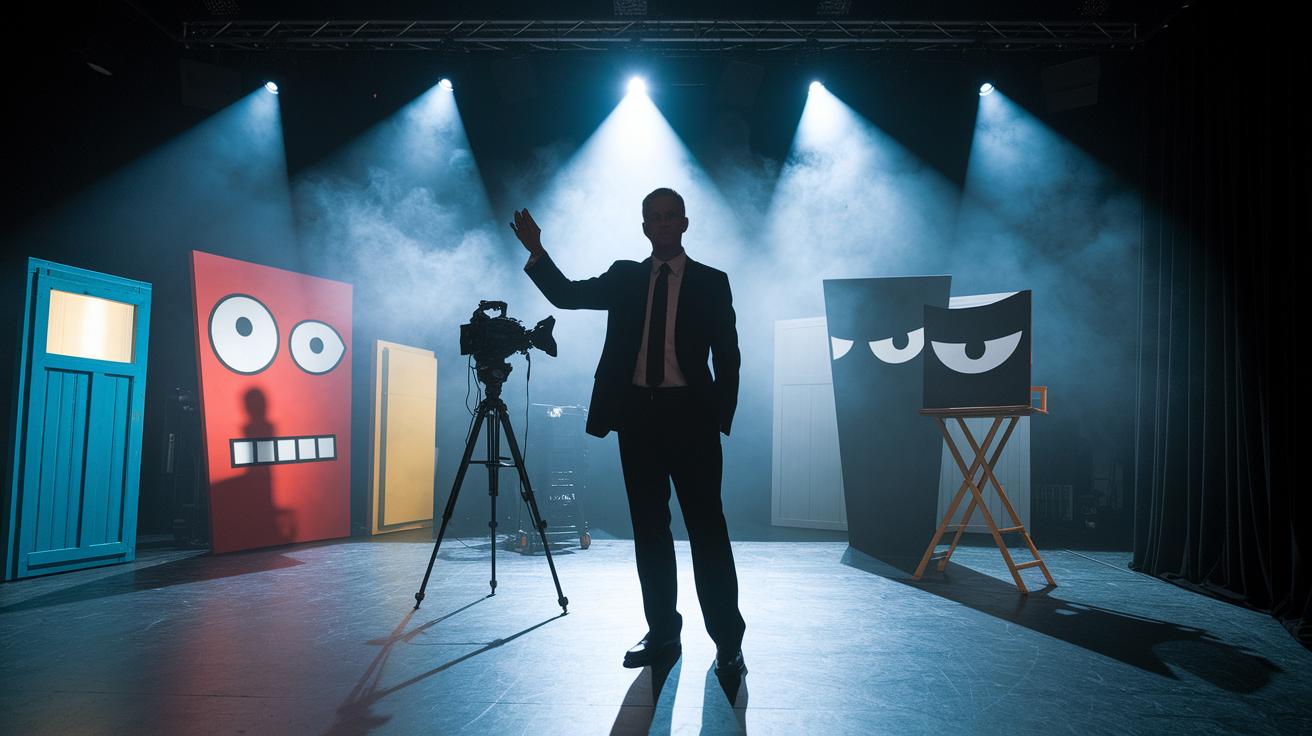
Film symbolism began in the silent era when movies had no sound and images had to do all the talking. Directors used bold props and exaggerated expressions, so a large hat or a stark background could instantly show a character's inner turmoil.
In the 1920s, German Expressionism took a creative turn. Filmmakers built sets with sharp angles and odd shapes that turned everyday scenes into clues about a character's mental state.
By the 1940s and 50s, film noir had perfected the art of shadow-play. Dark corners and strategic lighting set a moody tone, hinting at hidden conflicts and moral gray areas.
Today, directors like Christopher Nolan mix the old with the new. They add modern touches like mirrors and clocks into the scene (mise-en-scène: how everything in a frame is arranged) to mark time or hint at shifting identities. This evolution keeps every frame charged with both emotion and thought.
Final Words
In the action, we broke down film symbolism and its power to infuse movies with deeper meaning. The blog post defined key elements, compared different types like object and color symbolism, and offered clear tips for decoding hidden visual cues. We also examined iconic film examples and tracked the evolution of symbolic storytelling through the decades. This recap gives you a sharper perspective on understanding film symbolism. Enjoy your next movie with this insight in hand and catch those subtle cues that uplift every scene.
FAQ
How is film symbolism discussed on Reddit?
Film symbolism on Reddit is explored through user discussions, where they analyze how objects, colors, and actions hint at bigger ideas that add depth to a movie’s narrative.
What does an essay on film symbolism cover?
An essay on film symbolism covers how films use visual elements like colors, objects, and characters to subtly express hidden themes and emotions that enrich the storytelling.
What are some examples of symbolism in movies?
Examples include the spinning top in Inception symbolizing reality and the red hues in The Shining that signal danger, both of which give extra layers of meaning to each film.
Which movie symbols are considered famous?
Famous movie symbols include the Joker in The Dark Knight, embodying chaos, and the scholar’s stone in Parasite, representing a shift from hope to demise.
What movies on Netflix feature strong symbolism?
Some movies available on Netflix use symbolism by layering visual cues and narrative motifs, inviting viewers to explore deeper meanings behind the characters and plot.
What are examples of symbolism in Disney movies?
In Disney movies, symbolism appears through elements like enchanted objects or recurring animals, which help illustrate themes of hope, growth, and transformation effectively.
What defines the best movie symbolism?
The best movie symbolism features multiple layers of meaning. It uses subtle visual cues and recurring themes to encourage viewers to interpret the film beyond its literal storyline.
What is symbolism in films?
Symbolism in films involves using images, objects, and sounds to represent abstract ideas or feelings, offering viewers a richer experience by adding depth to the narrative.