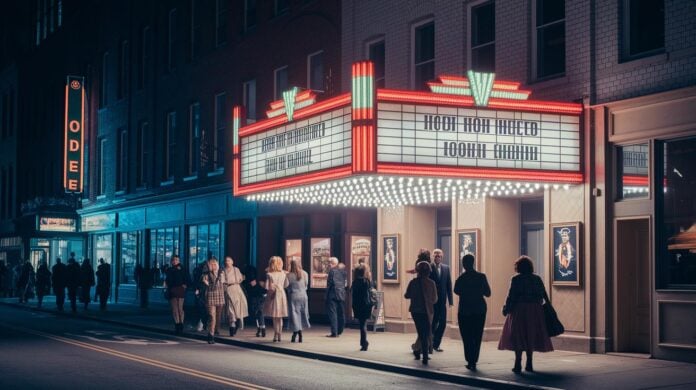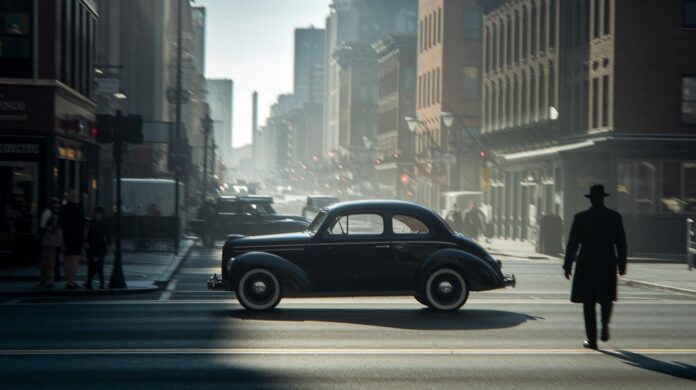

Ever wonder why old movies still have that special spark? Back in the day, filmmakers used real effects, smart camera moves, and built sets by hand. They relied on miniatures, on-set tricks (methods done during filming), and inventive lighting to create scenes that feel both fresh and timeless. In this piece, we explore how these hands-on skills shaped classic cinema and continue to influence modern films, proving that true craft keeps movie magic alive.
Iconic Vintage Filmmaking Techniques That Defined Retro Cinema
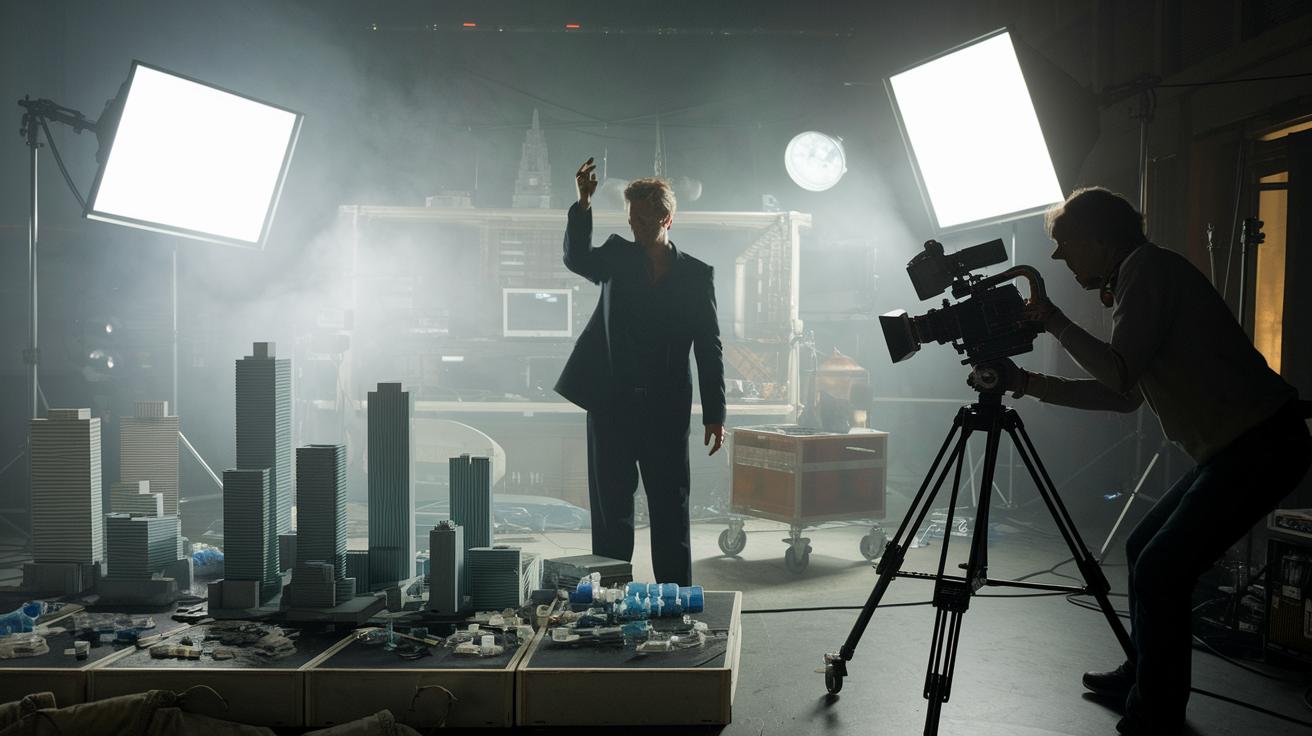
The 1980s changed how movies were made. Directors used real, hands-on methods that still shape today's big films. Instead of relying on digital tricks, filmmakers built tiny models and used practical effects to create vast cityscapes like the ones in Blade Runner. They mixed fresh storytelling ideas with magic done on the set. One neat trick was a floating fountain pen in 2001: A Space Odyssey, which used clever hand movements similar to old airline designs to make a quiet, memorable moment.
Old school methods like in-camera double exposure and the classic Pepper's Ghost (an effect that makes things look ghostly) were real game-changers. Using vintage gear wasn't a setback, it added real depth and texture to films. With careful lighting, rigging, and lens work, these techniques produced images that still connect with us today. Effects like Douglas Trumbull’s slit-scan stargate (a visual sequence achieved by shooting through a narrow slit) prove filmmakers were all about keeping visuals honest.
- Miniature model photography
- Practical pyrotechnics and mechanical set effects
- In-camera double exposure
- Pepper's Ghost illusion
- Slit-scan optical effects
- Matte painting and projection
- Analog lens flare and distortion
These classic techniques remind us that practical effects are more than just tricks. They capture a spirit of creativity and charm that continues to inspire modern cinema.
In-Camera Effects and Optical Innovations in Vintage Filmmaking
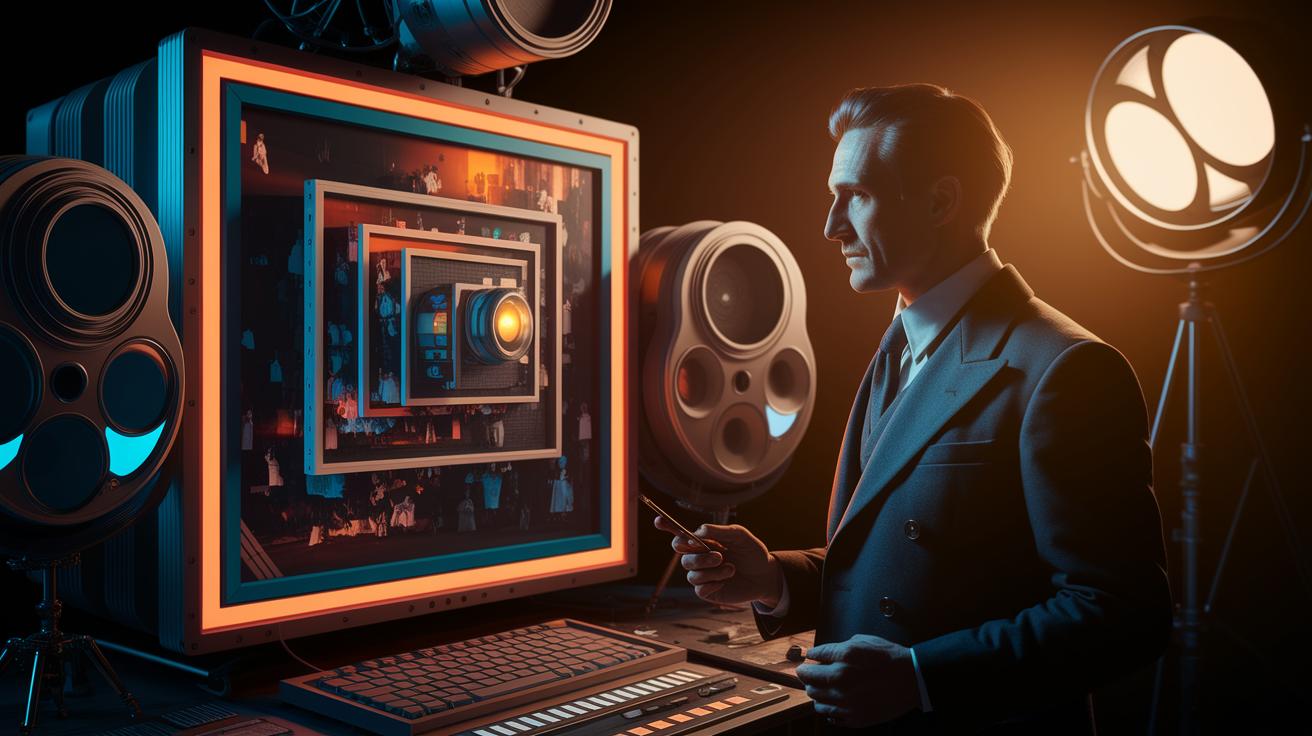
Old filmmakers left behind the idea of just filming live scenes. They began layering images by using techniques like double or multiple exposures that mixed different shots into one scene. This creative shift let directors blend real footage with hand-drawn or painted elements. It was a game-changer that allowed them to create magical images long before digital tricks existed.
Optical printers and matte setups were the secret ingredients. With optical printing, filmmakers could carefully layer different film parts by recording multiple passes, which merged separate scenes into one smooth picture. Matte paintings and rear projections helped create detailed backgrounds painted by hand. This process took serious skill and called for a clear understanding of old theater tricks, giving off spooky vibes similar to the Pepper’s Ghost illusion from the 1800s. The final look not only boosted the story but also offered a timeless, handcrafted style that still sparks ideas in today’s film world.
| Technique | Method | Example Film |
|---|---|---|
| Pepper’s Ghost | Glass reflection | The Haunted Castle (1896) |
| Slit-Scan | Multipass exposure | 2001: A Space Odyssey (1968) |
| Optical Printing | Image layering | Metropolis (1927) |
Practical Effects Mastery: Miniatures, Pyrotechnics, and Set Mechanics in Retro Cinema
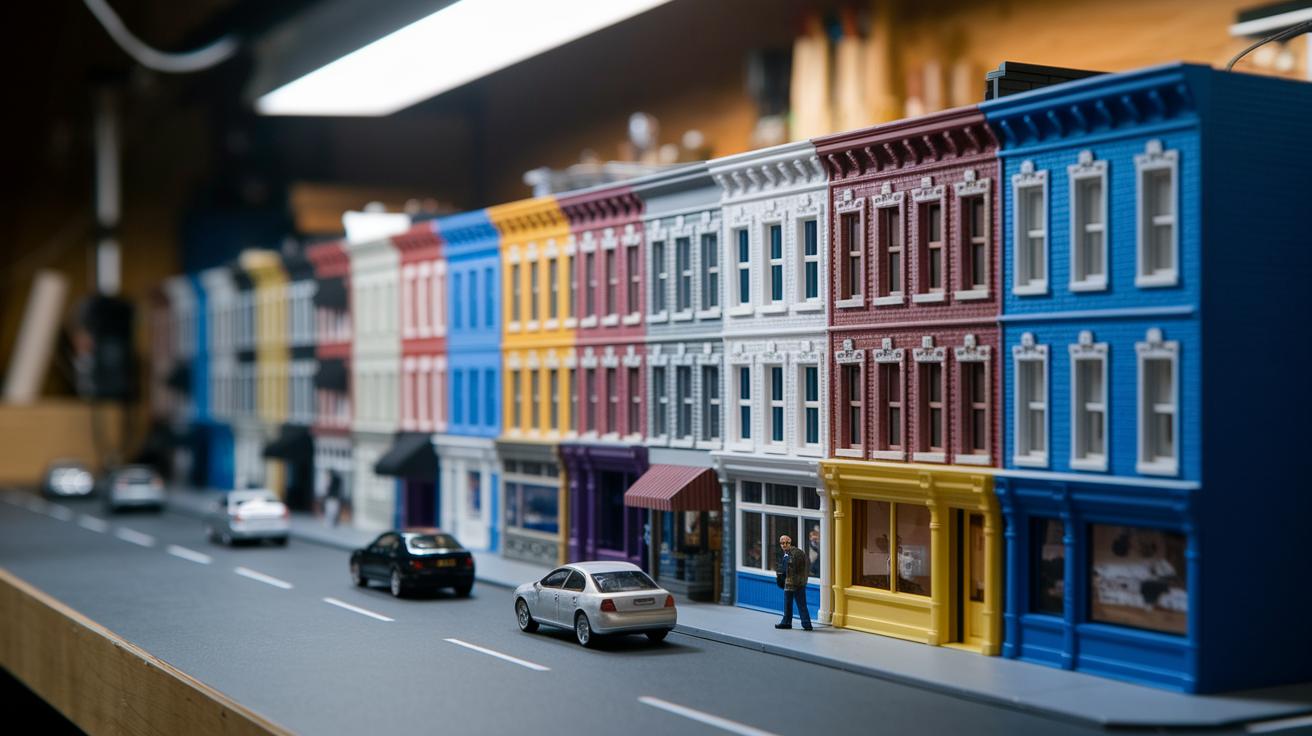
Back in the day, filmmakers used real, hands-on tricks to bring their visions to life. They built large miniatures to mimic busy city streets and detailed interiors, keeping costs low while still creating stunning scenes. They also staged real explosions and crafted dynamic pyrotechnic sequences that gave each moment a tangible, immersive feel. By using mechanical motion-control setups, they achieved natural motion blur and genuine scale, details that modern digital effects sometimes miss.
Key techniques include:
- Scale accuracy to capture realistic perspectives
- Choosing the right materials like foam, plaster, or metal
- Using controlled ignition methods for safe pyrotechnics
- Calibrating rigs to manage natural motion blur
- Placing lights to mimic real-world illumination
Each set and effect was carefully planned and executed. These hands-on methods not only saved money but also built a legacy of craftsmanship that continues to influence today’s film style.
Mechanical Camera Methods: Motion Capture, Manual Focusing, and Operator Techniques
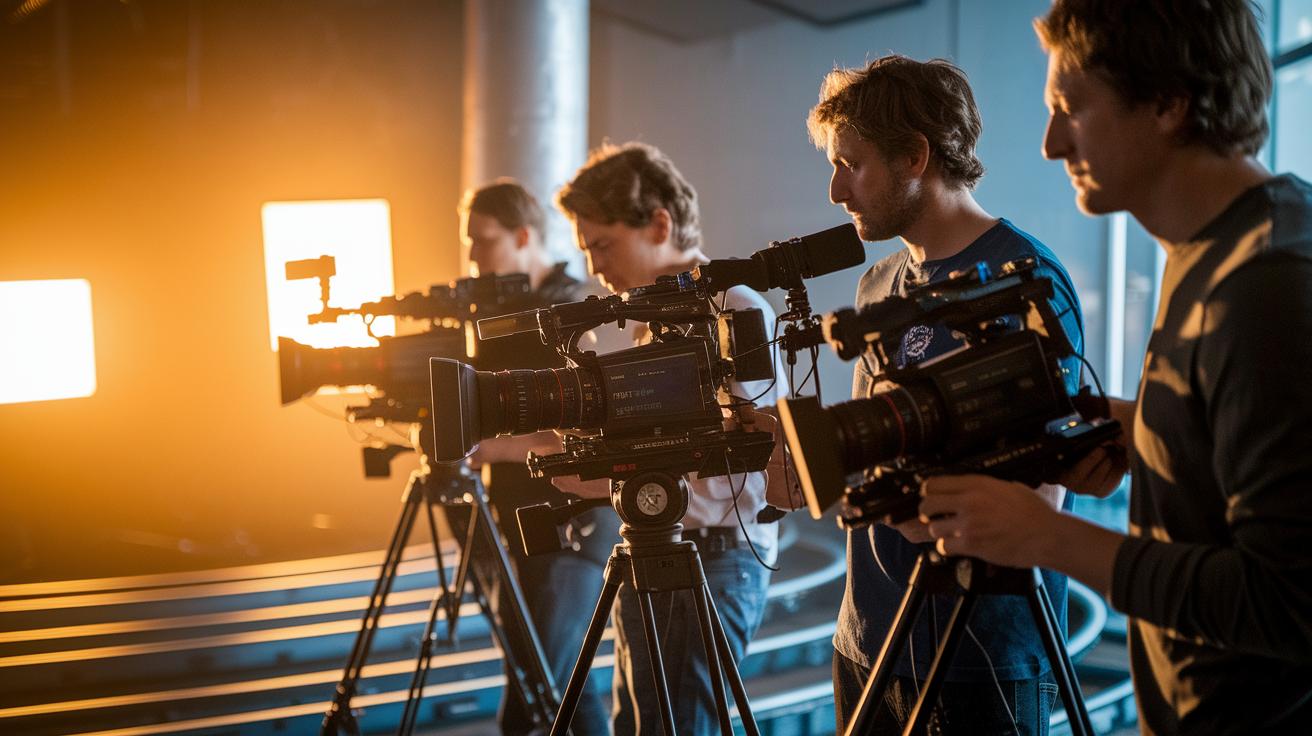
Old films moved away from static tripod shots and embraced a more lively, operator-led style. Camera crews started using handheld moves and smooth dolly shifts instead of sticking to one place. This change brought a natural flow and energy to every scene, making the action feel more real.
Manual Focusing Strategies
Directors depended on careful manual focus methods to keep shots sharp during fast movements. They used split-diopter lenses (special lenses that keep both near and far subjects clear) to keep subjects in focus from foreground to background. Operators often did focus pulls, simply adjusting the focus ring as the camera moved. They also used stop-down methods (narrowing the lens opening) to control depth of field, keeping busy scenes clear even when the camera was on the move.
Operator-Driven Camera Movements
Handheld filming made scenes feel immediate and genuine, while dolly and crane setups delivered wide, sweeping views. Early motion-control rigs allowed repeatable moves that added stability to complex shots. These hands-on techniques gave directors the freedom to try dynamic framing and create sequences that still inspire today. Combining classic lens design with these movement methods produced a tactile style that captured the energy and authenticity of retro cinema.
Master Editing Techniques and Traditional Narrative Storytelling in Retro Films
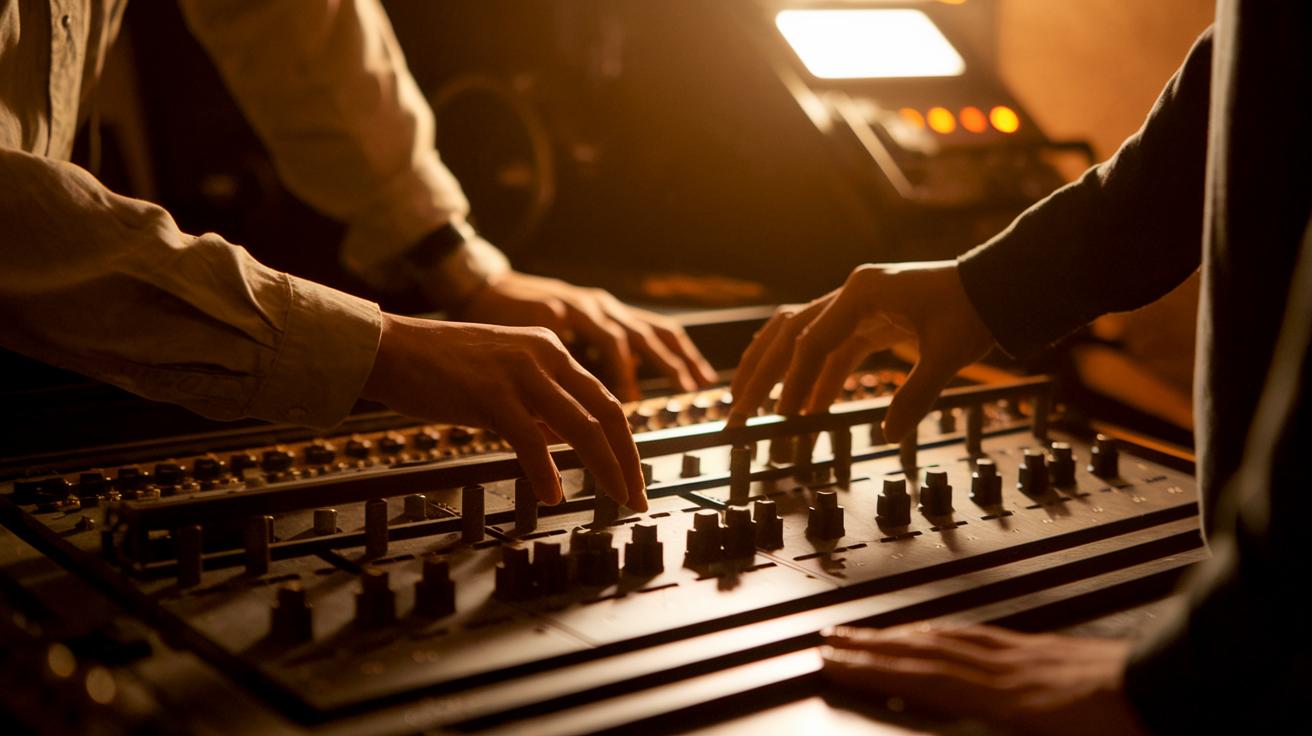
Back in the day, film editing was all about working with real tools like the Moviola and flatbed editors such as the Steenbeck. Editors cut and joined strips of film by hand to set the pace and rhythm, making every cut a thoughtful, creative act that tied closely to the movie’s story.
Montage theory, a method that started with silent films, played a big part in shaping these movies. Editors used simple techniques like cross-cutting and steady pacing to build drama and pull out emotional moments. Look at classic film noir, every transition helped spotlight mood shifts and guide the viewer through the story clearly.
These practical editing methods not only crafted the narrative but also hooked the audience. With each deliberate splice and montage, films turned into intimate experiences that connected scenes smoothly and kept viewers engaged from start to finish.
Old-World Illumination Setups and Classic Color Grading in Vintage Cinema
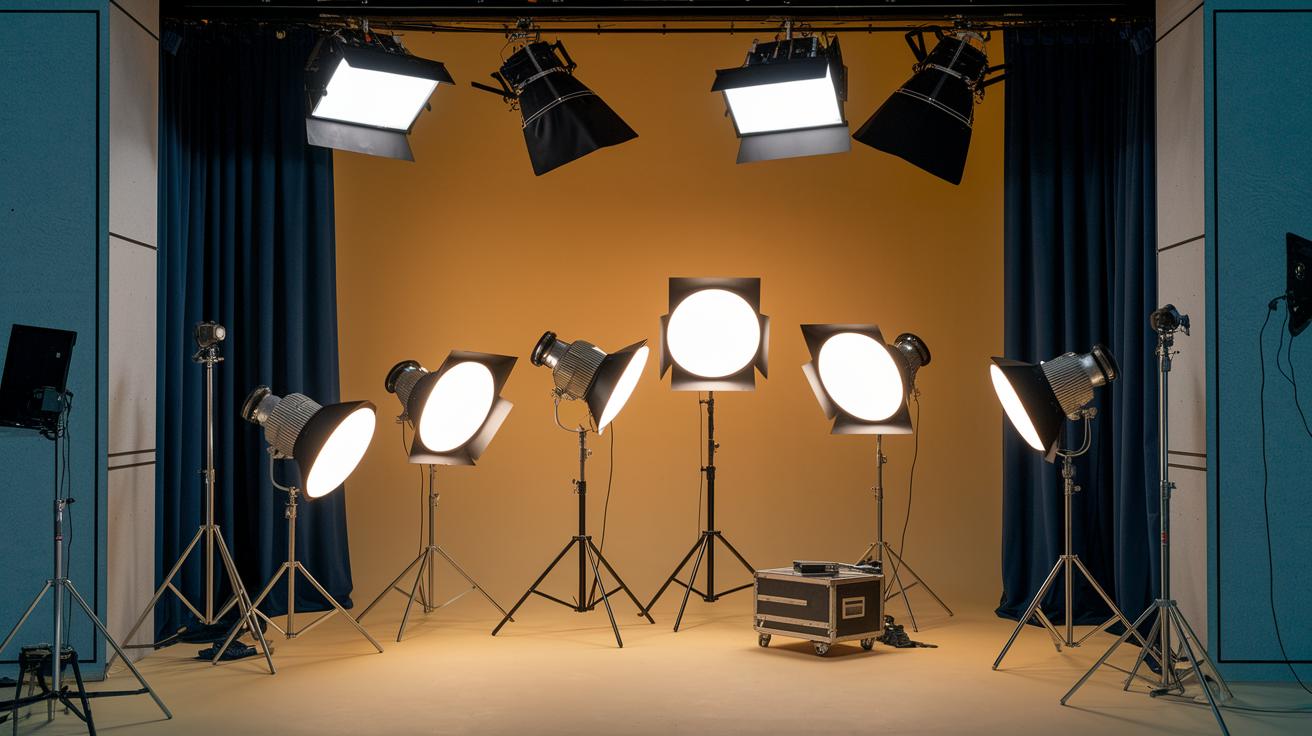
In classic films, cinematographers set up studio lights with great care to create a special look for every scene. They used a four-point lighting kit with key, fill, back, and background lights to balance light and shadows. Fresnel lamps (focused lights) were used to reveal important details, while arc lamps spread a softer, even glow across the set. This careful placement not only lit the scene but also added mood and depth to the textures and details of their retro sets.
Behind the scenes, photochemical color timing was a hands-on process that defined the authentic feel of old movies. This process meant working directly with chemicals to adjust the colors and exposure of each frame. Technicians managed light levels using iris settings and neutral density filters, and they picked filters that enhanced the natural colors of the scene. Each frame was processed by hand to create rich contrasts and soft tints that keep the nostalgic charm of vintage cinema alive.
Replicating Timeworn Visual Effects: Grain, Emulsion Processing, and Film Stock Choices
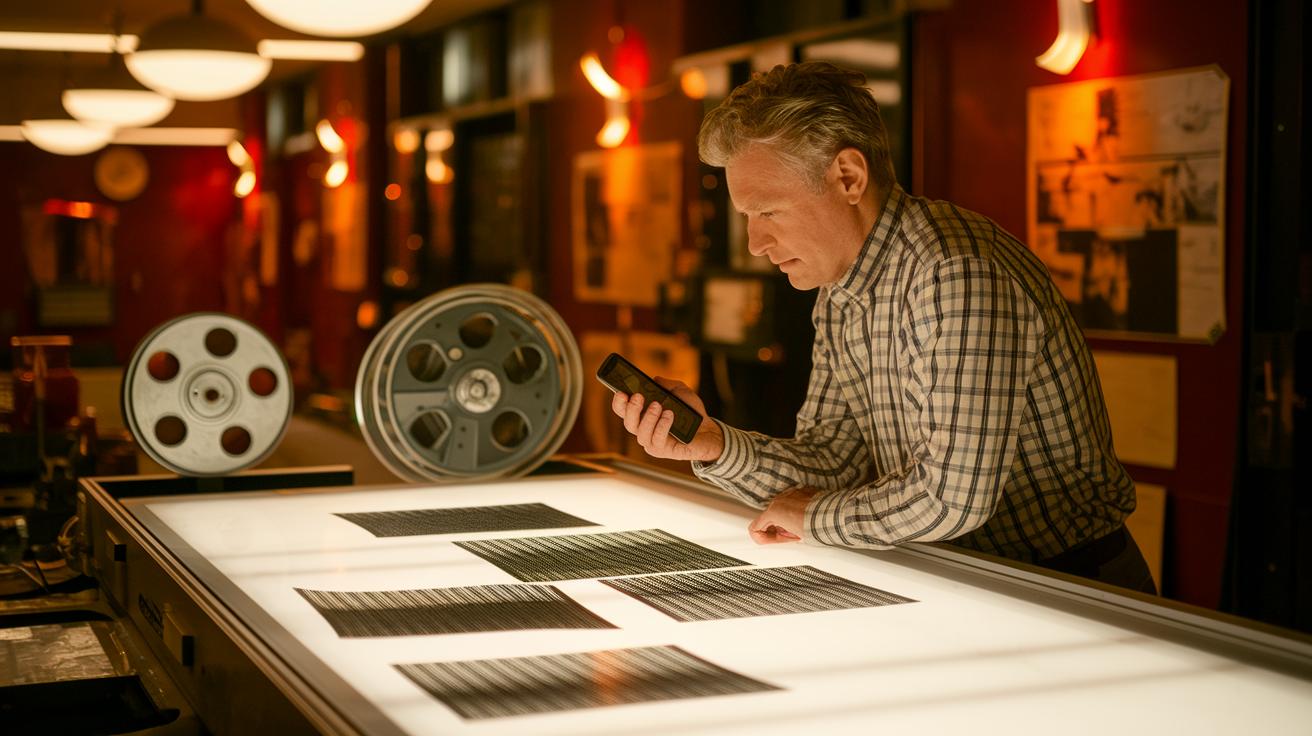
Grain and film emulsion give old movies a warm, real feel. The film textures tell their own story, showing both creative ideas and the technology of the past. Directors looking for a retro vibe work hard on these details, knowing that grain adds extra character to every frame. How the film is processed changes its grain pattern. For example, some film shows a bold, rough grain like classic negatives, while others have softer, subtler tones. Understanding these film types opens up ways to restore movies with a blend of old-school charm and modern tech.
| Film Stock | Grain Character | Emulation Method |
|---|---|---|
| Kodak Tri-X | High contrast, coarse grain | Digital noise overlay + contrast boost |
| Ilford FP4 | Fine grain, smooth midtones | Subtle film grain filter + desaturation |
| Technicolor Negative | Vibrant color, medium grain | Color LUT + grain plugin |
| Orwo UN54 | Muted tones, heavy grain | Monochrome lookup + heavy noise map |
Digital tools now let us copy these classic looks. They can create harsh contrasts or soft shades. Software like After Effects can mimic motion blur and see-through effects, but some still love old film methods. Keeping the original grain needs careful film scanning and proper chemical work, preserving the surprises that digital filters sometimes miss. Both ways respect old filmmaking, mixing historical texture with modern clarity for filmmakers who want a true retro look.
Final Words
In the action, we traced the evolution of practical effects, in-camera tricks, and careful editing that gave retro films their charm. We explored everything from miniatures and dynamic camera moves to classic color grading and optical innovations. Each technique brought history to life, proving that vintage filmmaking techniques in retro films continue to shape and inspire storytelling today.
This recap reminds us that even old tricks spark new creativity, making cinema a constantly refreshing experience.
FAQ
Frequently Asked Questions
Q: What do modern vintage filmmaking techniques in retro films involve?
A: Modern vintage filmmaking techniques involve using in-camera effects, practical miniatures, optical printing, and analog editing processes that give retro films an authentic, tactile look.
Q: What film techniques are used in vintage cinema and film noir, including the Kuleshov Effect?
A: Vintage film techniques include in-camera double exposures, practical effects, and editing styles like the Kuleshov Effect (the juxtaposition of shots) that build mood and tension in film noir.
Q: What are the old film methods and how do they function?
A: Old film methods use analog processes such as practical set effects, optical printing, miniature model photography, and manual editing to create layered images and mood in classic cinema.
Q: What are the 5 C’s of cinematography?
A: The 5 C’s of cinematography encompass camera angles, continuity, cutting, close-ups, and composition, all of which work together to create visually engaging and coherent storytelling.
Q: What are the 4 traditional approaches to film history?
A: Traditional film history approaches typically focus on narrative structure, economic influences, technological innovations, and cultural contexts to explain a film’s impact over time.
Q: How do you make your film look vintage?
A: To make your film look vintage, use period lighting, analog color grading, practical effects, authentic set designs, and film grain simulation to replicate the classic aesthetic of retro cinema.