
Ever wonder how a simple idea transforms into a blockbuster? Film production turns raw thoughts into vivid stories. In this post, we break down the journey from script to screen into five clear steps. We explain how early ideas are reworked during planning, captured during shooting, and perfected in editing. Discover the real work behind the camera and see how movies truly come to life.
Film Production Basics: The Five Core Production Phases
Film production starts with development. It’s when ideas begin to take shape as a script. Writing the script (sometimes with tools like StudioBinder) turns rough ideas into a clear plan. A go-ahead decision and early funding show that the project is worth pursuing.
After development, pre-production takes over. This is the planning stage. Detailed checklists, up-to-date schedules, careful budgets, and location scouting all come into play. Crew hiring and tech scouting also happen here, setting up a smooth shooting process.
Next is production, where the film comes alive on set. The crew works together to capture each scene as planned. Updated schedules help everyone adjust quickly, keeping the budget and timeline in check. Every team, from lighting to sound, plays an important role.
Then comes post-production, which turns raw footage into the finished film. Editors cut and arrange the shots while the sound and effects teams sync everything perfectly.
Finally, distribution gets the completed film in front of audiences. Promotional materials, festival entries, and digital releases complete the journey from script to screen, reaching viewers and marking key milestones.
Film Production Basics: Development Phase
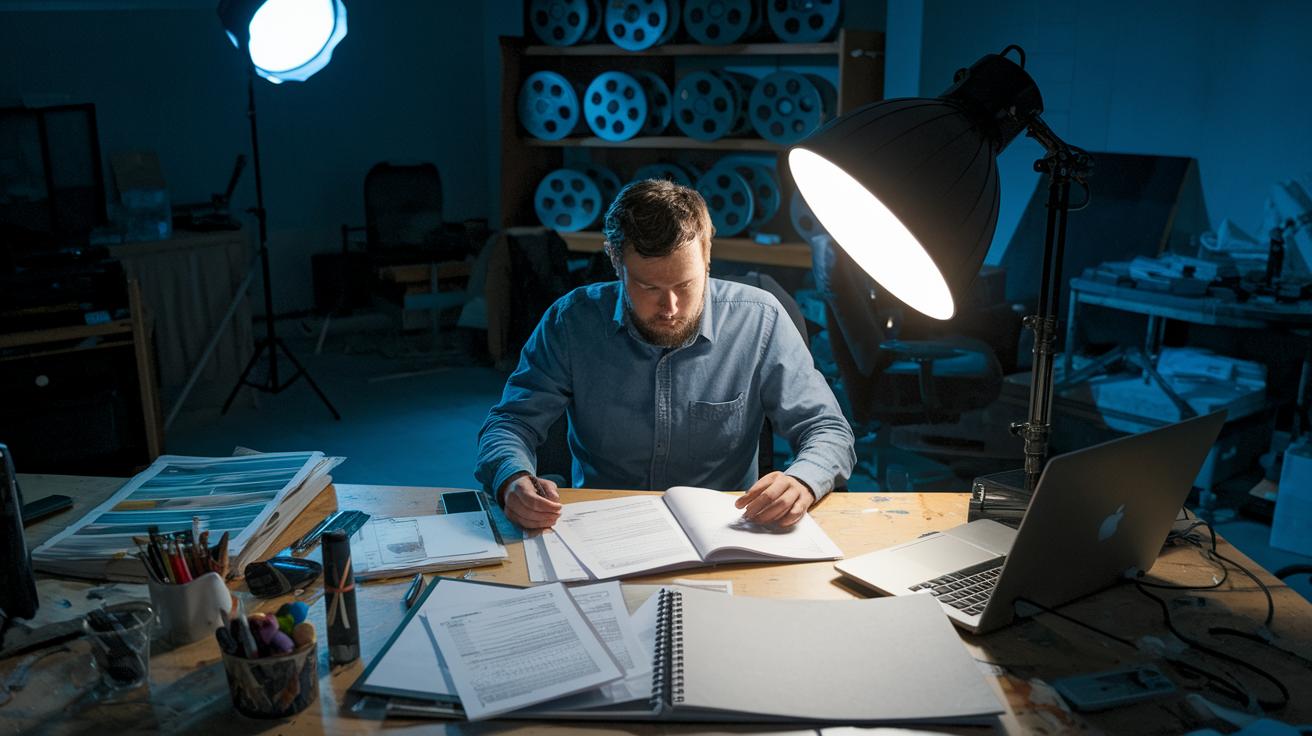
The development phase kicks off a film's journey by turning a raw idea into a solid script. Sometimes writers write a complete first draft in just a few hours by letting their thoughts pour out overnight before they polish the dialogue. Screenwriting at this stage means keeping the dialogue clear and the story strong. Tools like StudioBinder let writers draft, import, and fine-tune their work until every scene counts. Workshops and peer feedback then offer fresh ideas, helping writers fix weak parts and rearrange scenes for better flow. Once the project secures its initial funding, it gets the go-ahead. At this point, the creative spark has been refined into a workable script ready to move into production.
Film Production Basics: Pre-Production Phase
Pre-production is the blueprint for every film. It is the stage where plans, budgets, and schedules are set before any cameras start rolling. Schedules act like living documents that change with every update. At this point, making sure the crew works well together is a top priority. Department heads are brought on board and their roles are clearly defined so everyone is on the same page. A well-prepared call sheet, for example, guides each team member smoothly through their tasks.
Key tasks include finding the right locations and getting the necessary permits. Filmmakers visit potential sites to check lighting, sound, and other practical needs. They also conduct a technical survey (tech scout) to make sure the equipment fits the location. Budget plans are made to support the entire shoot, much like a sturdy tripod holds a camera steady. Every scene, extra day, and rehearsal is scheduled to prevent conflicts and delays. Call sheets are prepared to ensure that everyone knows exactly where to be and when.
Other important steps in pre-production are outlined below:
| Task | Description |
|---|---|
| Hiring Department Heads | Finalizing crew roles and establishing clear communication. |
| Location Scouting & Permit Acquisition | Finding suitable sites and securing the needed permits. |
| Call Sheets | Creating detailed daily guides for the team. |
| Tech Scout | Checking every detail to match equipment with site conditions. |
| Scheduling | Planning scenes, rehearsals, and extra days to keep things on track. |
By taking care of these tasks early, pre-production lays a strong foundation for a smooth production. This careful planning helps avoid surprises on set and brings the film’s vision to life.
Film Production Basics: Production Phase
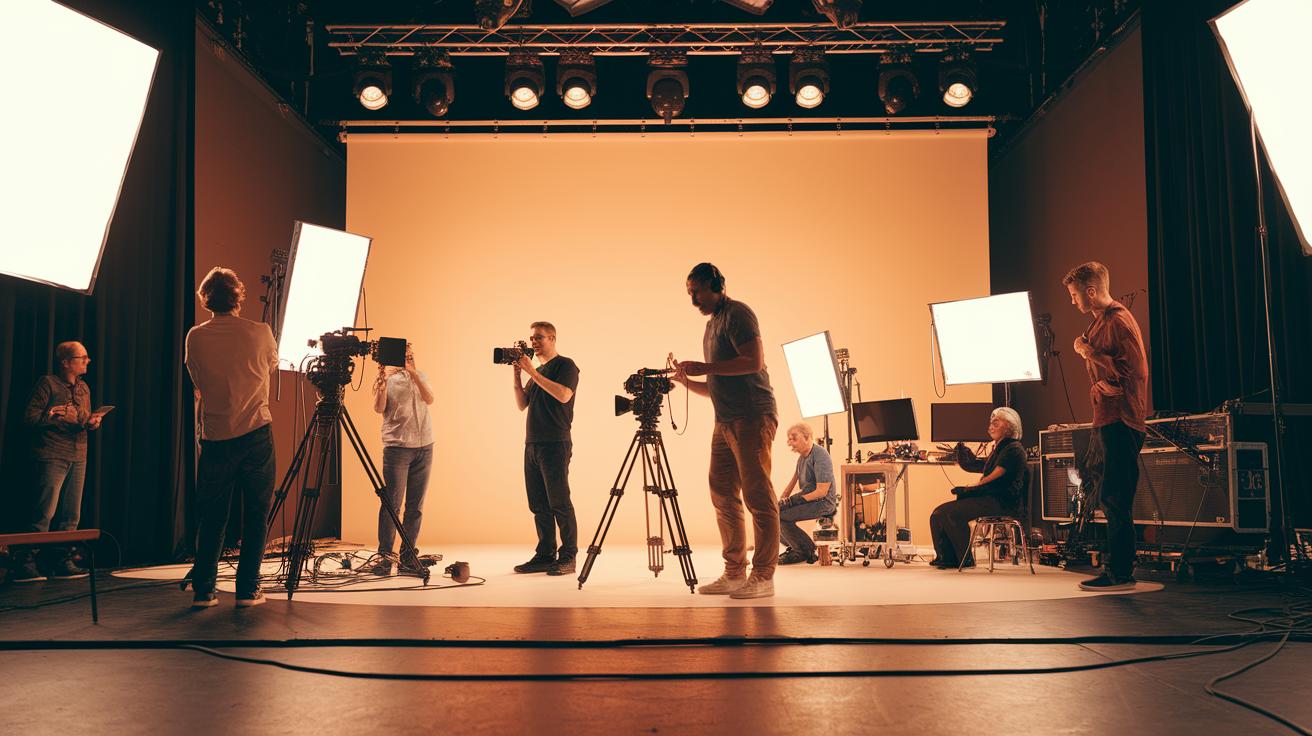
This is where a film really takes shape. Cameras start rolling, lights brighten the set, and actors bring their characters to life in real time. Every second counts, from the very first shot to the final take. The process is both thrilling and tiring, pushing everyone to give their best while sticking to a tight schedule.
Every crew member plays a key role. A camera operator, for example, keeps shots steady even when things change unexpectedly. A lighting technician adjusts the lights to create the right mood, and the sound team works hard to record clear audio in tricky settings. Good communication among these team members is essential to stay on schedule and keep each scene looking consistent.
Safety is a top priority on set. When a scene features tough stunts or special setups, the crew runs thorough safety checks. For instance, during a fast-paced chase, the director might ask the crew to double-check all the rigging to keep everyone safe. If any quick changes are needed, they always consult with the production manager to avoid budget or timeline issues.
Directing actors in real time is also a crucial part of production. The director gives immediate feedback to help refine each performance and sometimes suggests small changes to how actors move (blocking: the planned movement of actors). This helps keep scenes clear and consistent.
Lastly, detailed planning is key. Crew members keep careful notes and update schedules to ensure every shot matches the last. This organized approach allows the team to handle unexpected challenges and turn the script into a series of well-executed scenes.
Film Production Basics: Post-Production Phase
After the cameras stop rolling, the film really begins to take shape. First, the director hires an editing team to sort through the raw footage and create a rough cut, a basic sequence that sets the film's pace and style.
Editors use powerful editing software to line up scenes and smooth out transitions so everything flows naturally. Imagine a scene where the sound team perfectly matches dialogue with the images. This precision helps the audience feel connected to the story.
Sound then comes into play. Sound editors mix dialogue, background noise, and music until they work in harmony. Sometimes actors' lines are re-recorded in a studio (a process called ADR) to make sure every word is clear. Foley artists also add real-world sounds, like footsteps echoing in an empty hall, to enhance what you see on screen.
Visual effects experts add computer-generated elements and polish the color and tone of every frame. Their work, from subtle tweaks to big effects, helps lock the picture for the final cut, ensuring the film reflects the filmmaker's true vision.
Film Production Basics: Distribution and Release

Distribution is when a finished film meets its audience. It starts with planning eye-catching posters, electronic press kits (short promo videos and materials), and other marketing tools that capture the film’s vibe and important details. These items help stir up interest among viewers and industry insiders. Filmmakers carefully schedule releases, whether for theaters, streaming platforms, or a mix of both.
Entering film festivals is a smart move. Sending your film to festivals can lead to praise and open doors for wider distribution deals. Festivals not only give you a chance to screen your work but also help you meet buyers and digital rights experts.
Digital platforms now play a major role in getting your film seen. This means adding subtitles and captions so people around the world can enjoy it. Marketing today leans on social media teasers, targeted ads, and engaging online campaigns to spark interest and boost ticket sales or streaming views. A clever release plan combines digital rights distribution with smart streaming strategies to reach both large audiences and niche fans. For example, a well-crafted electronic press kit can significantly improve a film’s chances at festivals.
Final Words
In the action, we explored each step from initial script ideas through full-scale production and rigorous post-edit work, then saw how distribution makes everything reach viewers.
This recap highlights how smooth planning, precise shooting, careful editing, and smart release plans work together. It shows that a well-organized shoot is key to turning creative ideas into standout films. Embrace film production basics: how movies are made from script to screen for a rewarding viewing experience.
FAQ
What is film production?
The film production process means turning an idea into a complete movie through several steps. It starts with a script and moves through planning, filming, editing, and finally distribution to audiences.
What are the stages of film production?
The film production process is usually divided into five main stages: development, pre-production, production, post-production, and distribution. Some guides simplify these into three or four broader phases.
How are movies made from script to screen?
Turning a script into a screen-ready movie involves developing the idea, detailed planning, active filming, editing in post-production, and then releasing the final film. Each stage requires close crew collaboration.
What does a film production process flow chart show?
A film production flow chart maps out every step of creating a movie—from writing the script and planning the shoot, to filming, editing, and finally distributing the film—offering a clear overview of the workflow.
What are the stages of a movie plot?
The stages of a movie plot refer to its narrative structure, which often includes a setup, conflict development, and resolution. This form helps guide the storytelling throughout the film.