

Ever notice how a small change in dialogue or a slight shift in costume can reveal a character's hidden struggles? This guide shows you how to pick up on these quiet hints that build a rich, evolving persona. Start by getting a basic feel for who the character is and what they were like at first. Then, watch how moments of conflict and flashes of unexpected courage add depth to their journey. Follow along to see how each tiny detail fits into the bigger picture of growth on screen.
Step-by-Step Framework for Analyzing Character Development in Cinema
A clear plan helps you peel back the many layers of a character. Start by getting to know who the character is, where they come from, what traits they show at first, their values, worries, and the world around them. This solid base makes it easier to spot changing moments, like when a hesitant hero finds a burst of courage.
Breaking the analysis into simple steps lets you catch those key moments when the character shifts. A scene with a change in the way someone talks or a subtle tweak in their outfit can speak volumes about their inner battles. Linking these details to the character’s role in the story shows how every bit fits into the bigger picture.
- Look at the character’s background. Think of someone whose quiet side hides a secret strength.
- Write down the early traits and values that set the stage for change.
- Spot moments of inner conflict or decisions that drive a shift, such as a slight change in dialogue.
- Study how interactions with family, friends, mentors, or foes push the character to grow.
- Listen for shifts in the language or tone during important scenes.
- Notice visual clues like recurring symbols, evolving costumes, or changing settings that hint at transformation.
Each step builds on the one before, creating a simple guide to track the character’s journey from the start to a new place.
Examining Character Arcs and Narrative Evolution
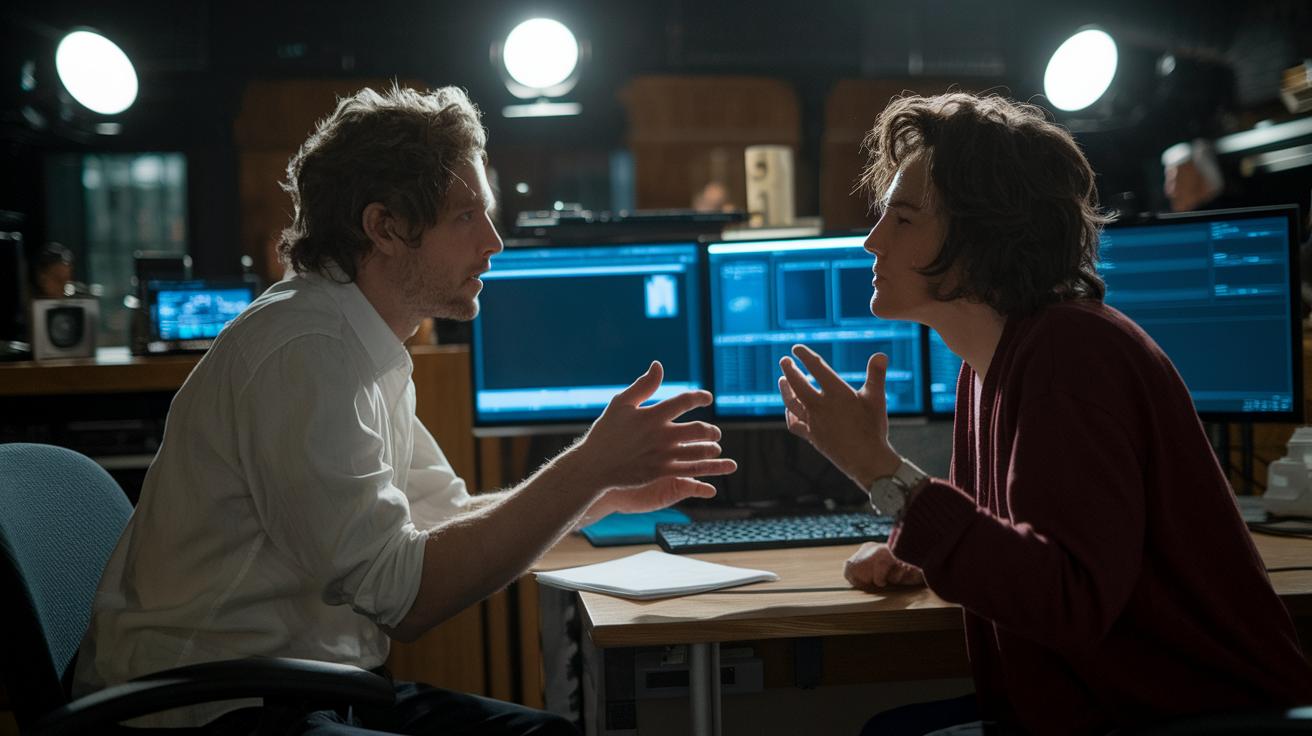
Character arcs show how a person changes over time. These shifts might be small or big, but they always reveal an inner journey. Screenwriters give each character unique traits that make them easy to connect with, even if they fit well-known roles. Films that study characters focus on inner feelings and mental shifts instead of just following the plot. For example, a scene where a character starts speaking boldly after hesitating can mark a clear boost in self-confidence, signaling real internal growth that ties into the film's main message.
Over the years, movies have gotten better at showing these inner journeys. In the early silent films, actors used strong expressions and visual clues to tell us how their characters changed inside. As film techniques improved, directors and writers began adding richer dialogue and more detailed performances. This progress deepened our view of personal struggles and made the whole story more engaging. Even small transformative moments can change the way the film feels, letting viewers appreciate the careful path a character takes throughout the story.
Dialogue Dissection and Performance Review for Character Development
Dialogue Analysis
Listening to dialogue is like opening a window to a character's soul. Notice when a voice softens into a whisper or grows stronger with determination. These shifts reveal changes in a character's feelings, from doubt to growing confidence. A quiet line at first might later burst out with assurance as they find their way. It’s not just what is said but how it is said that shows a character’s inner journey.
Performance Insights
A great performance goes beyond the words on screen. Look for the subtle hints in a gesture, a shift in posture, or even an expressive glance. These small details tell us a lot about the character’s state of mind. For example, think of how Rooney Mara shows deep emotion with just a look or a pause. Directors like Kurosawa bring out every meaningful moment by focusing on these cues. By watching these choices, you see how the actor’s work adds depth to the evolving story.
Visual Narrative Cues for Character Growth

Visual storytelling in films shows us a character’s inner life without saying a word. Directors use simple visual hints that signal emotional shifts and inner depth. Even with little dialogue, these cues let us feel a character’s journey.
Images and costumes work together to mark change. For example, a soft color tone or a repeated symbol in the background can hint at shifting feelings. Similarly, when a character’s clothing changes, even a small detail like a different accessory or fabric, it tells us a lot about their personal growth or inner struggles.
Changes in a character's setting can mirror what they are experiencing inside. Moving from a messy room to a peaceful outdoor scene might show a moment of clarity or a new direction in life.
Think of a film where the main character moves from isolation to connection. Gradual changes in lighting, colors, and wardrobe highlight each step of their transformation without any need for words.
Character Performance and Visual Cues
Dialogue, acting, and visual cues work together to show both the inner feelings and the outer changes in a character. A small shift in tone or a brief hesitation hints at inner struggles, while a change in costume or setting signals a shift in their world. This method builds on earlier character insights, linking internal conflicts with external transformations to keep the plot moving.
For instance, a pause in a sentence might reveal hidden doubts, and a new outfit can point to a fresh start. This approach blends character growth seamlessly without repeating past details.
Director’s Stylistic Approach to Character Development
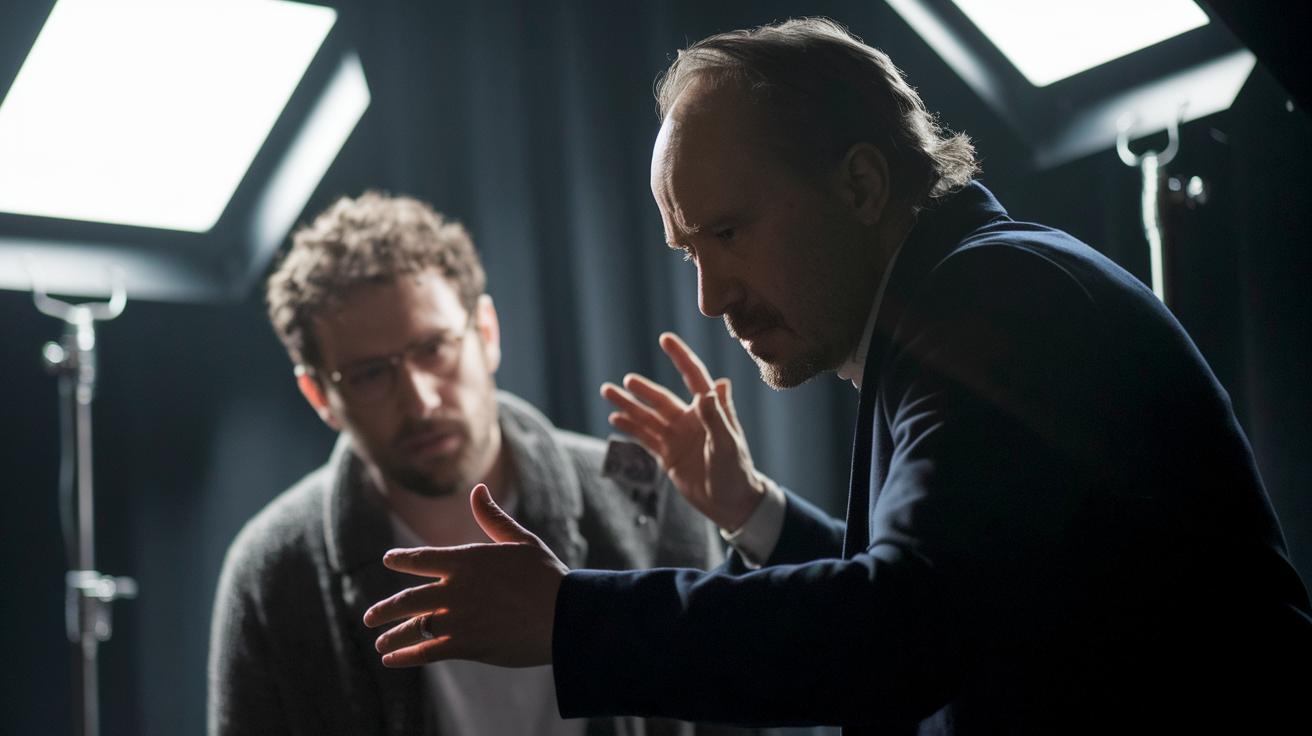
Directors shape a film’s mood by choosing how to frame the scene and control its pace. They pick key visuals and slow down or speed up moments so you know where to look and feel the tension. A single thoughtful shot or pause can reveal the tiniest change in a character.
They also team up closely with actors to bring depth to every role. By guiding the performers to dig deep into their feelings, directors help turn quiet looks into powerful expressions, just like Kurosawa did with Toshiro Mifune. This hands-on approach makes each actor’s performance grow along with the story.
In addition, directors use smart editing tricks to build a character over time. Techniques like nonlinear editing (scenes played out of order), montage sequences (quick cuts showing many moments), and creative scene setups let you piece together a character’s journey. These choices show how style can make a character come alive as the narrative unfolds.
Final Words
In the action, this article lays out a clear, step-by-step framework for analyzing character development in cinema. It breaks down character development fundamentals, examines character arcs, dissects dialogue, and reviews how visual cues and director choices shape evolving characters. The piece offers a straightforward method to understand both internal and external changes through practical, numbered steps. It guides you to a better grasp of how narrative evolution works in films. Enjoy exploring this guide to analyzing character development in cinema and happy watching!
FAQ
Guide to analyzing character development in cinema pdf
The guide to analyzing character development in cinema PDF explains a detailed, step-by-step framework to study characters, covering their backgrounds, transformations, dialogue cues, and visual storytelling elements.
Guide to analyzing character development in cinema free
The free guide to analyzing character development in cinema offers accessible tips and methods to examine how characters change, making it ideal for newcomers and curious film enthusiasts without cost.
Film analysis example
The film analysis example demonstrates how to break down a movie by highlighting key aspects like character arcs, dialogue, and visual cues, providing a clear template for understanding cinematic storytelling.
Film analysis PDF
The film analysis PDF outlines a structured approach to study films, presenting frameworks that include assessing character evolution, narrative growth, and stylistic elements to help guide viewers.
Film analysis example pdf
The film analysis example PDF presents a clear template for reviewing films, detailing how to analyze character development, narrative progression, and visual storytelling with practical examples.
Film analysis for beginners
Film analysis for beginners introduces basic steps like exploring character arcs, dissecting dialogue, and noting visual cues, offering simple methods that make understanding films approachable for new viewers.
Film analysis format
The film analysis format provides a consistent structure for reviews, organizing key elements such as character development, narrative structure, dialogue, performance, and visual cues into clear, manageable sections.
Film analysis methodology
The film analysis methodology focuses on systematic strategies for studying films, emphasizing the importance of evaluating internal versus external character changes, dialogue shifts, and visual storytelling for informed critiques.