
Watch , 7.5/10
A neat, mind-bending puzzle where a homemade time machine shakes up everyday rules.
• Story: A clever twist on time and identity.
• Direction: Smart and intricate storytelling.
• Acting: Understated, matching the film’s quiet intensity.
• Technical Craft: Inventive time loops and duplicate selves that challenge you to look twice.
Ever wonder if a home-built time machine could flip day trading on its head and even alter how we see time? In Primer, a simple box turns back the clock and breaks everyday rules to form a puzzle that demands your attention. The film blends science with real-world twists, using duplicate selves and overlapping loops to push you to question every moment and every detail.
Alex Roe , Staff Critic. Loves films that spark curiosity and reward careful watching.
How Primer Movie Time Travel Works: Mechanism Overview
In Primer, a homemade time machine called the box lets characters rewind and replay moments. Its design is simple yet tricky, so you have to watch every detail. The box turns the normal rules of time upside down to build a clever twist in the story.
Beyond the science puzzle, the box also helps with day trading. Characters use it to see a bit of the future and jump back to make smart money moves. This mix of high-tech ideas with a real-life twist keeps things both smart and grounded.
• Activation and duration limits
• Creation of duplicate selves
• Predictive knowledge retention
• Loop nesting and overlap
• Psychological disorientation
Each rule is key to the story. Activation and duration limits set strict times for using the box. Creating duplicate selves adds a strange, eerie layer to the narrative. Predictive knowledge retention lets characters get a glimpse of what might happen next. Loop nesting and overlap mix several time paths, adding unexpected twists. Finally, psychological disorientation shows the heavy toll of constant time manipulation. Together, these ideas invite viewers to piece together the film's intricate time puzzle.
Mapping Primer Movie’s Time Travel Timeline with Diagrams

A clear diagram is key to understanding Primer’s tangled time jumps. The film’s overlapping loops and fuzzy transitions may leave viewers puzzled. A visual guide helps follow Abe and Aaron’s different versions as they step in and out of the time box, showing shifts in both time and character.
Primer divides its story into four main loops that affect the plot. The first test loop starts when the device is activated, showing its power and the idea of turning back time. In the day trading loop, the characters use their new insight to make money; however, their repeated actions start to erase parts of the timeline. Next, during the overlap intervention, second versions of the characters appear when they re-enter the box at the same time, creating several active time paths that are hard to untangle.
The abort sequence loop shows the sudden dismantling of the box, causing memory lapses and leaving the rules of time travel unclear. This stacking of events leads to a puzzle-like timeline that is easier to follow with a detailed diagram.
| Phase | Key Events | Timeframe |
|---|---|---|
| Initial Test | First activation; proves device work | Day 0–Day 1 |
| Day Trading Loop | Using foresight for profit; timeline gets erased | Day 2–Day 3 |
| Overlap Intervention | Second selves appear | Day 3–Day 4 |
| Abort Sequence | Dismantling the box; memory gaps | Day 4 |
This table lays out the order of events and shows how each loop builds on the one before, helping viewers navigate the complex time travel story of Primer.
Unpacking Paradoxes in Primer Movie Time Travel
The time travel in Primer flips the usual story order and shows clear loops of cause and effect. The movie often presents events out of order where actions circle back and trigger earlier happenings. For example, a decision made in the past ends up sparking events that seem to have already begun, making you wonder which came first: the cause or the effect?
Another interesting twist is the predestination paradox. Here, the characters’ choices feel both destined and self-made because every time they try to change something, they end up ensuring the same outcome. It leaves you asking if free will really exists when every move is intertwined with the past and future.
The film also explores the idea of self-interference, where duplicate versions of a character try to set things right. Instead of fixing the situation, these second selves only mix up the timeline even more. This clash between planned actions and unexpected ripple effects shows just how messy time can be.
Many viewers point to the unresolved timeline puzzles, arguing that the endless layers of paradoxes make it hard to tell which version of events ultimately rules. In the end, the movie invites you to think about the disruptive, lasting impact of playing with time, even if it means there aren’t any clear answers.
Narrative Structure and Complexity in Primer Movie Time Travel
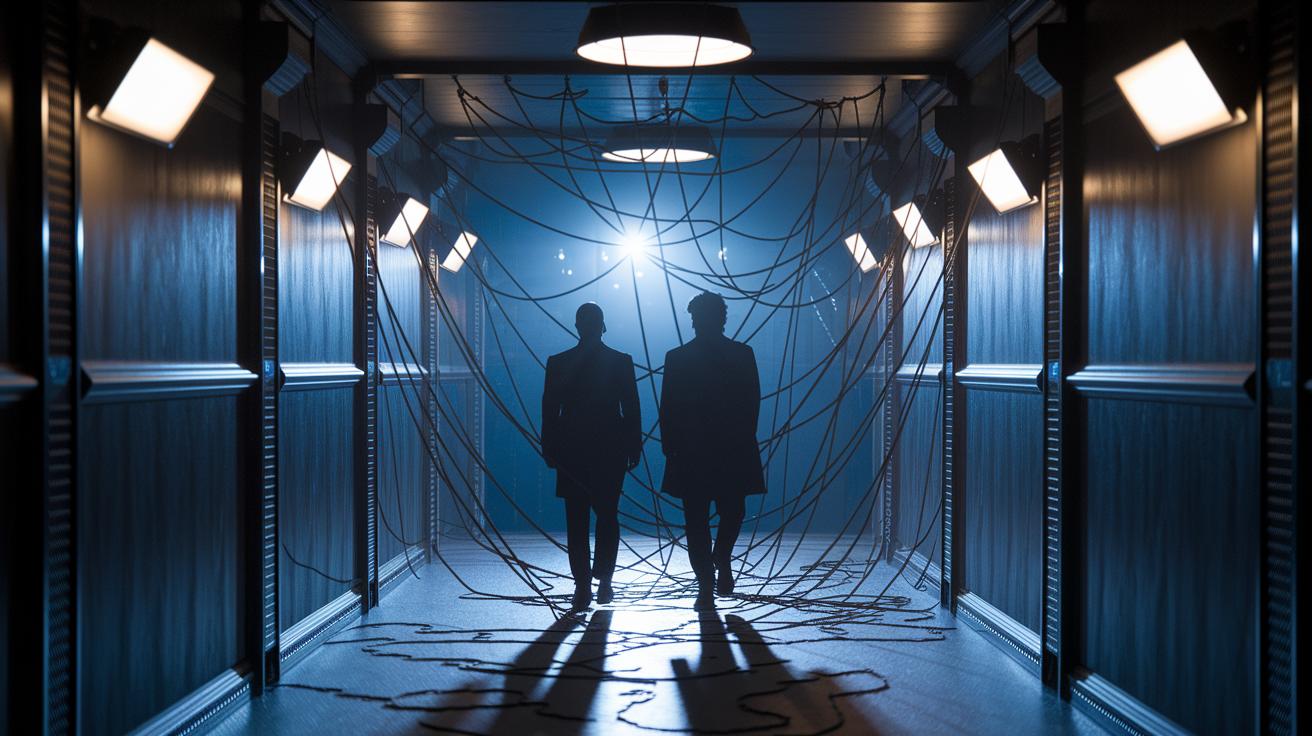
Primer turns the story into a puzzle that you have to solve yourself. The film shows events in a jumbled order, making you work hard to put everything in the right place. With unclear character roles and minimal explanations, every detail is a vital piece of the mystery.
Indirect Storytelling Techniques
The movie gives very little background, offering only tiny hints for you to follow. For example, Rachel’s tie to Abe is never clearly explained, leaving her role open for your own guesswork. Small details in the dialogue and visuals, like a fleeting glance or a subtle change in the scene, suggest connections without directly stating them.
Non-linear Chronology Impact
Primer layers its story by repeating scenes with slight differences. These small changes make you look closer and notice details that might have been missed the first time. The film challenges you to pause and rewatch key moments as you try to untangle the overlapping timelines and understand how every piece fits into the characters’ journeys through time.
Primer Movie Time Travel’s Low-Budget and Experimental Filmmaking Feats
Shane Carruth wrote, directed, scored, and even starred in Primer with a tiny budget of $7,000. His all-in approach shows how indie films can push creative limits when every detail is handled personally. This hands-on style gives the movie its raw, unpolished charm that many viewers find real and engaging.
Primer takes a fresh swing at sci-fi by building its own time machine with a DIY feel. The machine’s rough but clever design mixes everyday life with wild time travel ideas, proving that you don’t need a huge budget to tell an inventive story. For those curious about how each part of a movie comes together, there are plenty of guides on film production basics.
Thanks to its indie roots, Primer lets Carruth experiment in ways big studios might avoid. His bold storytelling and offbeat techniques have earned the film a devoted cult following, making it a standout example of experimental filmmaking that dares to break the rules.
Ethical and Psychological Effects of Time Travel in Primer Movie
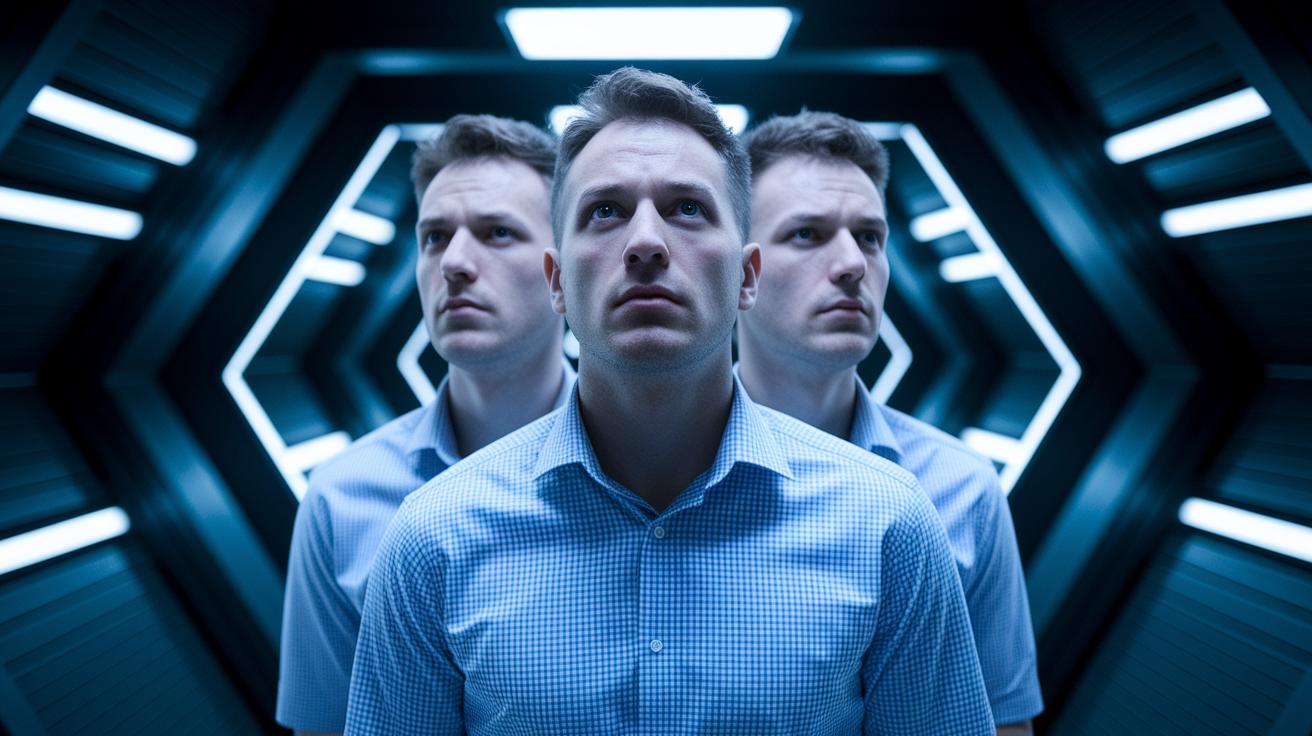
Aaron jumps through time so many times that he starts to look lost. Every trip shows off how hard it is for him to keep all his selves straight. You can tell something's off when he suddenly freezes in mid-action, his face caught between memories that no longer feel real.
At the same time, the film makes us face some tough moral questions. Aaron uses his knowledge of the future for personal gain, diving into a world of endless profit that pushes him into ethically gray areas. His choices spark a real debate about whether bending time can destroy our sense of right and wrong.
- Identity fragmentation
- Trust breakdown between Abe and Aaron
- Moral cost of infinite profit loops
- Long-term mental health risks
These ideas leave us wondering if tampering with time ultimately erodes who we are. The film lingers on the unsettling thought that each trip back might cost you more than you can imagine.
Final Words
In the action, we explored how primer movie time travel works, from the clever box that resets time for day trading to the film physics, overlapping selves, and mind-bending plot twists. We mapped complex timelines with clear visuals, unpacked time paradoxes, and broke down narrative puzzles. We also admired the indie filmmaking and probed ethical, psychological effects. These insights help break down Primer’s intricate mechanics for a quick, confident viewing decision. The film challenges and delights, leaving you with a fresh take on time and storytelling.
FAQ
Q: Primer movie time travel full movie
A: The query about the full movie refers to watching Primer’s complete exploration of its intricate time loops. Legal streaming options vary by location, so finding the full version depends on regional rights and available platforms.
Q: Primer movie time travel reddit
A: The discussion on Reddit about Primer’s time travel focuses on fan theories. Reddit users break down its looping timelines, duplicate selves, and day trading schemes to make sense of the film’s complex narrative.
Q: Primer movie time travel explained
A: The explanation of Primer’s time travel reveals a makeshift device that creates overlapping timelines. Characters use these loops to gain foresight for day trading, resulting in a puzzling series of duplicate self-interactions.
Q: Primer movie time travel netflix
A: The question about Netflix indicates that Primer sometimes appears on the platform. However, its availability is inconsistent and region-dependent, so checking your local Netflix catalog is recommended.
Q: Primer movie time travel trailer
A: The trailer for Primer teases its unique time travel concept by showcasing hints of confusing loops and a mysterious atmosphere. It draws viewers in with the promise of a mind-bending, low-budget sci-fi experience.
Q: Primer time travel diagram
A: The inquiry about a time travel diagram points to fan-created visuals that map out Primer’s complex, overlapping timelines. These diagrams help clarify the film’s duplicate selves and nested loops for better understanding.
Q: Primer movie time travel ending explained
A: The explanation of Primer’s ending emphasizes its unresolved time loops and duplicate selves. The film leaves key questions open, prompting viewers to piece together cause-and-effect relationships on their own.
Q: Is Primer a time travel movie?
A: The question confirms that Primer is indeed a time travel movie. It uses a homemade time machine to create complex loops and layered timelines, making it a standout example in the sci-fi genre.
Q: Where can you watch Primer?
A: The query about where to watch Primer suggests it’s available on various streaming and rental platforms. Checking local listings or services like Amazon and iTunes can help you find a legal copy in your region.
Q: What was the first movie to use time travel?
A: The inquiry about the first time travel movie hints at early sci-fi classics. While Primer is notable for its intricate loops, films like The Time Machine and Back to the Future also played significant roles in popularizing time travel.
Q: What is the famous time travel movie?
A: The reference to a famous time travel movie includes titles such as Primer, Predestination, and Back to the Future. Each offers a distinct take on time manipulation and complex narratives that have captivated audiences.