
Watch – 8.0/10
A clever, low-budget film that twists time and editing into a puzzle worth solving.
• Story: Inventive and mind-bending
• Direction: Bold and original
• Acting: Subtle yet effective
• Technical: Sharp, twisty cuts
Ever wonder if a humble garage hides a secret about time? Primer flips film rules with looping twists and spare editing that makes every scene a challenge to decipher. It turns a small budget into a showcase of smart storytelling where even the tiniest moment packs meaning. This film reshapes your view of time and ambition in a truly unforgettable way.
Primer Movie Plot Dissection and Time Loop Mechanics
It starts in a simple garage where four friends tinker on a new invention after their day jobs. Early scenes give a cozy vibe mixed with a spark of ambition. One moment shows the crew gathered around a cluttered workbench, a picture of resourcefulness that sums up the film's spirit.
A key scene unfolds when Abe and Aaron decide to work on their own. This break signals deeper conflicts ahead. We see each character's true motives, and the growing rivalry shakes up the group's balance. It shows how personal goals can split a team and keeps the plot both engaging and unpredictable.
At its core, Primer plays with twisty time loops that challenge even careful viewers. The film juggles overlapping timelines that make you pay close attention. In one standout moment, Abe is seen scribbling notes as events repeat, highlighting the film's clever take on time travel. Every loop changes the outcome and layers on more mystery.
The film also shines thanks to its tight $7,000 budget and use of handheld cameras. This raw style makes the mind-bending concept of time loops feel real and relatable, grounding its complex ideas in an everyday setting.
Primer Film Technical Craft: Cinematography, Editing, and Design
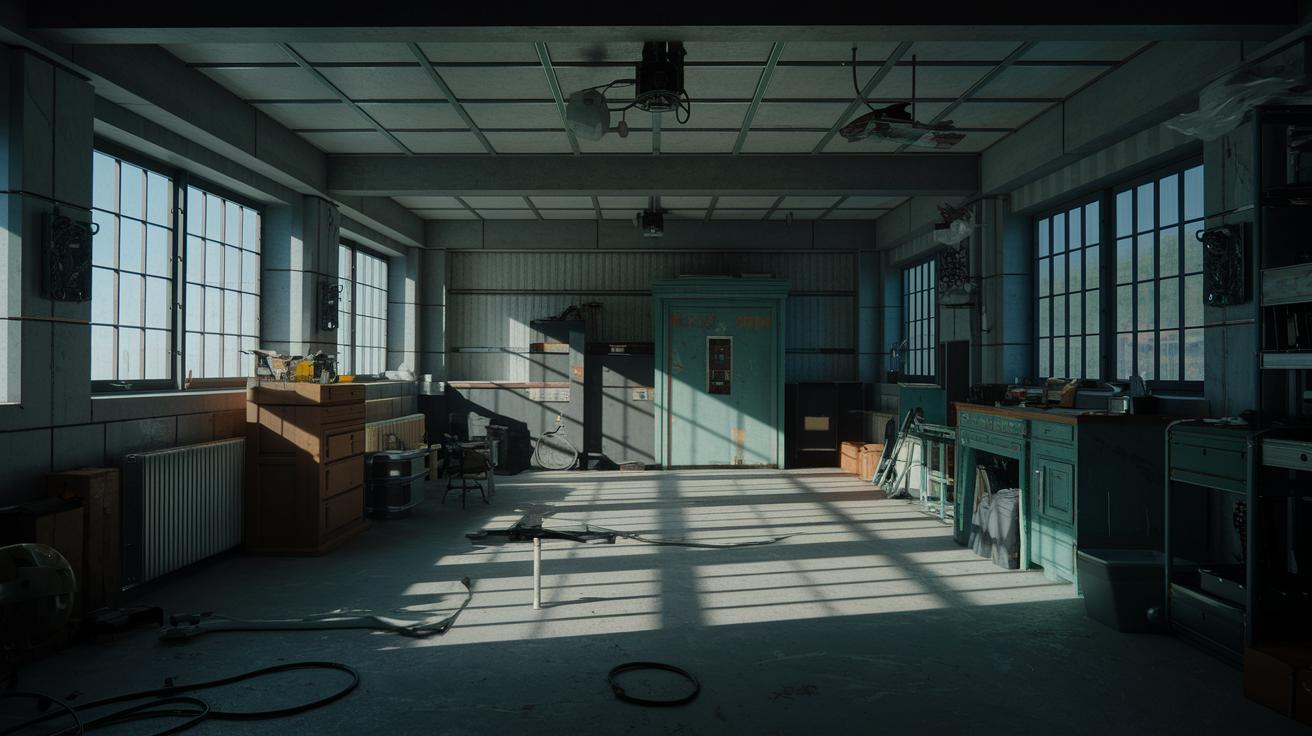
In Primer, Shane Carruth takes on many roles. He directs, edits, composes the music, and even stars in the film. He shot the movie with handheld digital cameras and natural light, turning a modest $7,000 budget into a look that feels close and real. One key scene shows characters working in a nearly empty garage. Every shadow seems to tell its own story, making the frame feel like a part of the narrative.
The film uses few props and real spaces, which gives it a true, down-to-earth vibe. Instead of lavish sets, the simple garage and sparse interiors fit the indie sci-fi feel perfectly. These choices focus on ideas rather than expensive production, showing that a strong story can come from everyday settings.
The editing complements the theme of time loops. Quick cuts between moments boost the sense of urgency and mirror the film’s puzzling structure. Every clip is carefully trimmed, ensuring that each shot serves a purpose. The steady rhythm of the cuts keeps you alert, much like a well-timed musical score.
Overall, Primer proves that creativity can thrive even with limited resources. Carruth’s hands-on approach turns budget limits into a showcase of clever, low-fi filmmaking that resonates with anyone who loves raw, real stories.
Thematic and Symbolic Layers in Primer Movie
Primer tells a story of trust, ambition, and betrayal as a close friendship falls apart. Abe and Aaron’s relationship weakens when the quest for power leads to suspicion and discord. Their growing distance shows that unchecked ambition leaves little room for true trust.
The film’s time machine is more than a simple plot tool. It symbolizes the urge to control outcomes beyond what we can manage. There’s a moment when a character sees his reflection cracked and broken, as if each shard hints at lost chances and trust broken by relentless ambition.
Repeated images like looping clock faces and mirror fragments drive home the idea that our choices can repeat and ultimately lead to betrayal. Primer purposely leaves these symbols open to interpretation, letting viewers find personal meaning in the images. This invites us to reconsider what we risk when ambition takes over.
Character Deconstruction and Motivations in Primer Movie
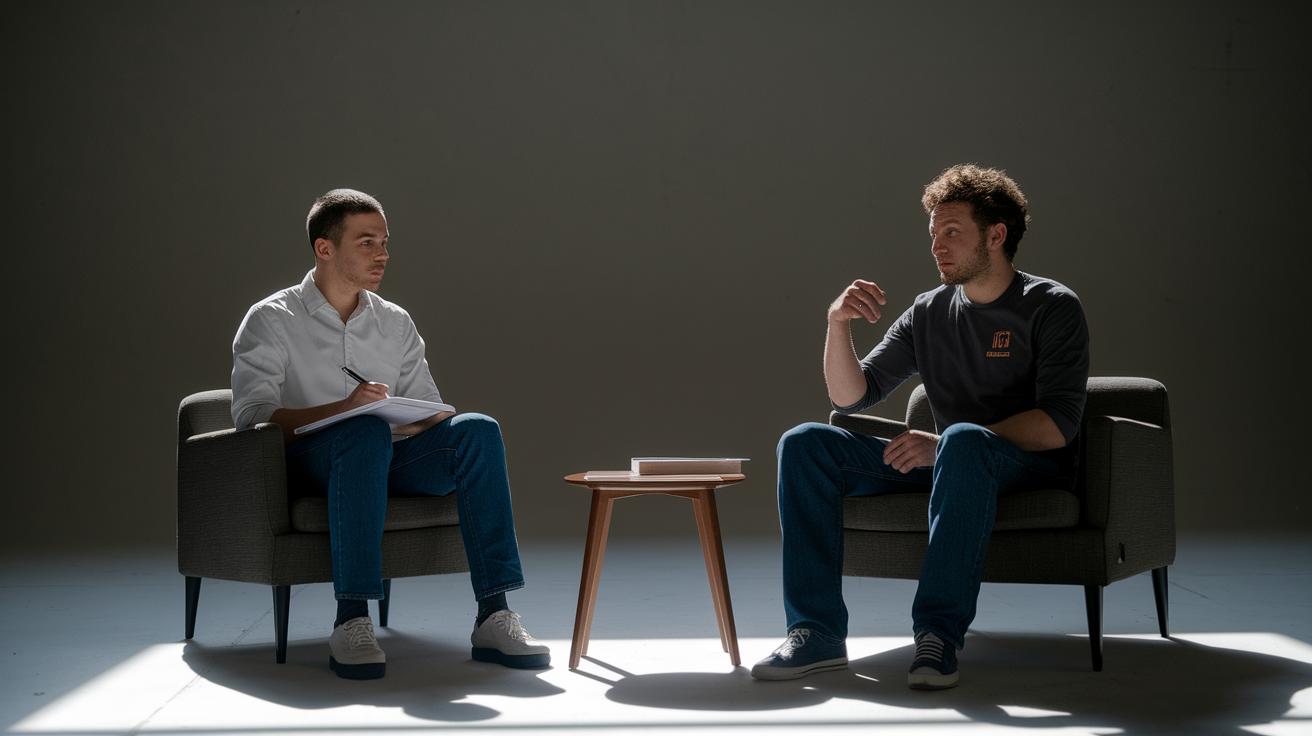
In Primer, time loops set the stage for a deep look at character and emotion. Abe and Aaron, two self-taught engineers, show two very different ways to chase dreams and take risks. Abe is cautious, keeping detailed notes and using small gestures to hint at his inner worries. Aaron, however, becomes bolder with every cycle, his risk-taking revealing a strong desire for control.
The film uses nonprofessional actors to add a true-to-life feel. With very little dialogue, every look and pause carries weight, showing how trust and tension shift between them. Each time loop changes their choices, turning even quiet moments into clear signs of friendship and betrayal.
One scene, where a simple nod becomes a silent standoff, perfectly captures these psychological shifts through body language (the way actors express feelings without words). The ongoing push and pull between ambition and caution makes their relationship both delicate and compelling as time travel challenges them. Their evolving motives keep viewers engaged and curious.
Understanding Primer Movie’s Scientific Concepts and Time Travel Accuracy
Primer uses a practical, almost scientific approach to explain its time travel. In the film, the time machine needs to rest for exactly as long as each time loop lasts. The characters step into a sealed box to go back, and every jump builds on the last in a chain-reaction style, much like falling dominoes.
The movie avoids over-the-top sci-fi clichés by sticking to simple dialogue and clear diagrams. One scene even shows a character carefully recording a countdown in a notebook, highlighting how every step must be exact. Fun fact: the machine won’t let you skip a beat, it needs to recharge for the full duration of each loop.
This strict timing is key to avoiding time travel paradoxes. The characters follow written instructions to keep each jump precise, blending clear theory with practical steps. This balance makes the abstract elements of time travel feel real and accessible.
Using minimal special effects and clear, detailed instructions like the notebook countdowns, the film gives us a unique look at time loops and their challenges. It invites viewers to piece together the logic behind every jump, making its scientific approach both engaging and believable.
Primer Movie Legacy: Indie Impact and Cult Status
Watch , 8.0/10
A mind-bending indie gem that shows low-budget films can dazzle.
- Story: Complex yet intriguing narrative
- Direction: Creative and resourceful filmmaking
- Acting: Minimal but effective performances
- Technical: Ingeniously crafted with limited funds
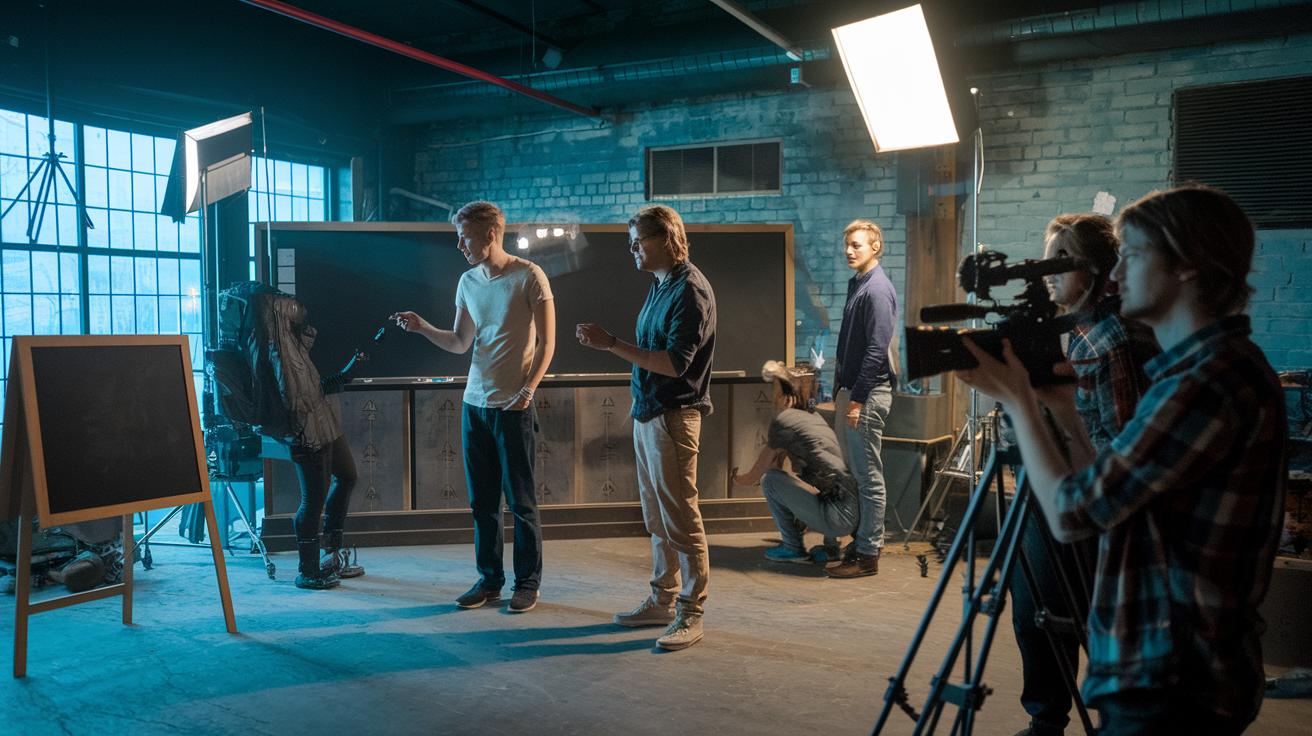
"Primer" shocked the indie scene when it won the Grand Jury Prize at Sundance in 2004. The film broke the mold for low-budget sci-fi with a twisty, brain-bending plot. Made on just $7,000, it sparked a DIY filmmaking movement and taught creators that you don’t need big money to tell a powerful story. Its fresh, raw approach paved the way for filmmakers to explore big ideas on a small scale.
Over the years, "Primer" has become a cult classic among sci-fi fans. Academic studies, fan-made timelines, and detailed infographics keep unpacking its maze-like story. Even if its puzzling structure can be frustrating at first, viewers find themselves coming back for more. Its influence still shapes our expectations of indie sci-fi today.
Final Words
In the action, the post broke down Primer’s clever plot twists, its bold filmmaking style, and its deep symbolic layers. The analysis showed how minimal settings and DIY techniques amplify the narrative. We unraveled character motives, dissected time loop mechanics, and celebrated its cult impact. This primer movie in-depth analysis reveals the film’s raw ingenuity and enduring charm. Its complexity is part of its appeal, leaving a positive note that smart, resourceful filmmaking can still captivate and inspire viewers.
FAQ
What are the main themes in Primer?
The main themes in Primer include strained friendships, unchecked ambition, and issues of trust, as the film uses time travel to highlight how personal ambitions and relationships can unravel.
What is the paradox in Primer?
The paradox in Primer centers on recursive time loops that create overlapping timelines, where actions in one loop affect another, intensifying the film’s complex narrative structure.
Is Primer difficult to understand or a confusing movie?
The idea that Primer is difficult to understand comes from its layered time loops and sparse explanations, which require careful viewing to piece together its intricacies.
How do analyses on Reddit and in essays explain Primer?
Analyses on Reddit and in essays reinterpret Primer by breaking down its time loops scene-by-scene, emphasizing its minimalistic visuals and precise editing that underline the film’s technical complexity.
Who is Shane Carruth and what is his role in Primer?
Shane Carruth is the creative force behind Primer, serving as director, editor, writer, and lead actor, which gives the film its distinctive low-budget, indie style.
What does the Primer movie ending reveal?
The Primer movie ending reveals the unsettling impact of recursive time travel, forcefully showing that each loop carries consequences that leave characters and timelines increasingly intertwined.
Who is in the cast of Primer?
The cast of Primer features mostly non-professional actors led by Shane Carruth, which contributes to the film’s raw and authentic portrayal of its technical and narrative themes.
What films are similar to Primer?
Films like Coherence, The Fountain, Predestination, Timecrimes, and Triangle are similar to Primer as they also explore complex time travel, intricate narratives, and inventive indie storytelling styles.