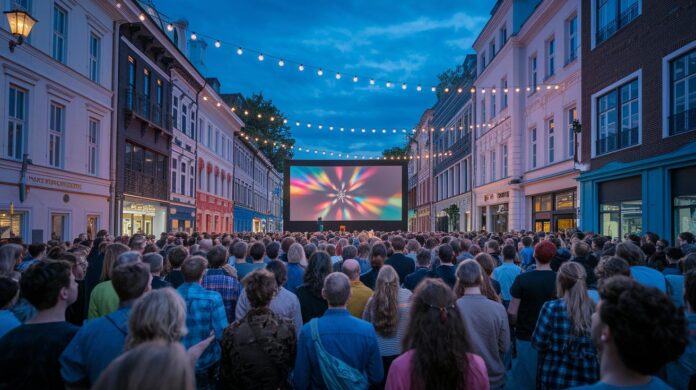

Have you ever wondered if film festivals are changing how stories are told? At these events, filmmakers try bold, unexpected techniques that break the rules. At festivals like Sundance, Berlinale, Cannes, and SXSW, directors mix up timelines, combine genres (mixing elements from different movie types), and blend reality with fiction to keep audiences on their toes. This article looks at five key trends in cinema today and shows how these events spark creativity and usher in a new era of film.
Major Cinematic Storytelling Trends Driving Film Festivals Today
Film festivals like Sundance, Berlinale, Cannes, and SXSW shape how stories are told around the world. They push filmmakers to break the mold and try fresh, experimental ideas. These events let directors test what works for global audiences and challenge old storytelling habits. Both seasoned and new filmmakers now view these festivals as a chance to rethink how they tell a story.
At these festivals, trends like non-linear storytelling (where scenes aren’t shown in order), intricate plots, and mixed genres are on the rise. There’s a clear favor toward films that mix documentary-style realism with fiction, creating cross-cultural tales and inventive narratives. For instance, Sundance entries often layer subtle changes in characters, while Berlinale films are celebrated for their deep themes and unique structure. Meanwhile, SXSW also showcases films with interactive elements and VR, merging classic cinema with emerging tech. Check out upcoming film festival highlights at https://reviewstrends.com?p=1192 for more on these trends.
These shifts are changing filmmakers’ strategies and drawing audiences in. Today, directors craft films with rich, multi-layered stories that win over festival juries. More movies are blurring genre lines and trying out new formats, inviting viewers into fresh, unconventional cinematic experiences.
Emerging Festival Narrative Styles in Cinematic Storytelling
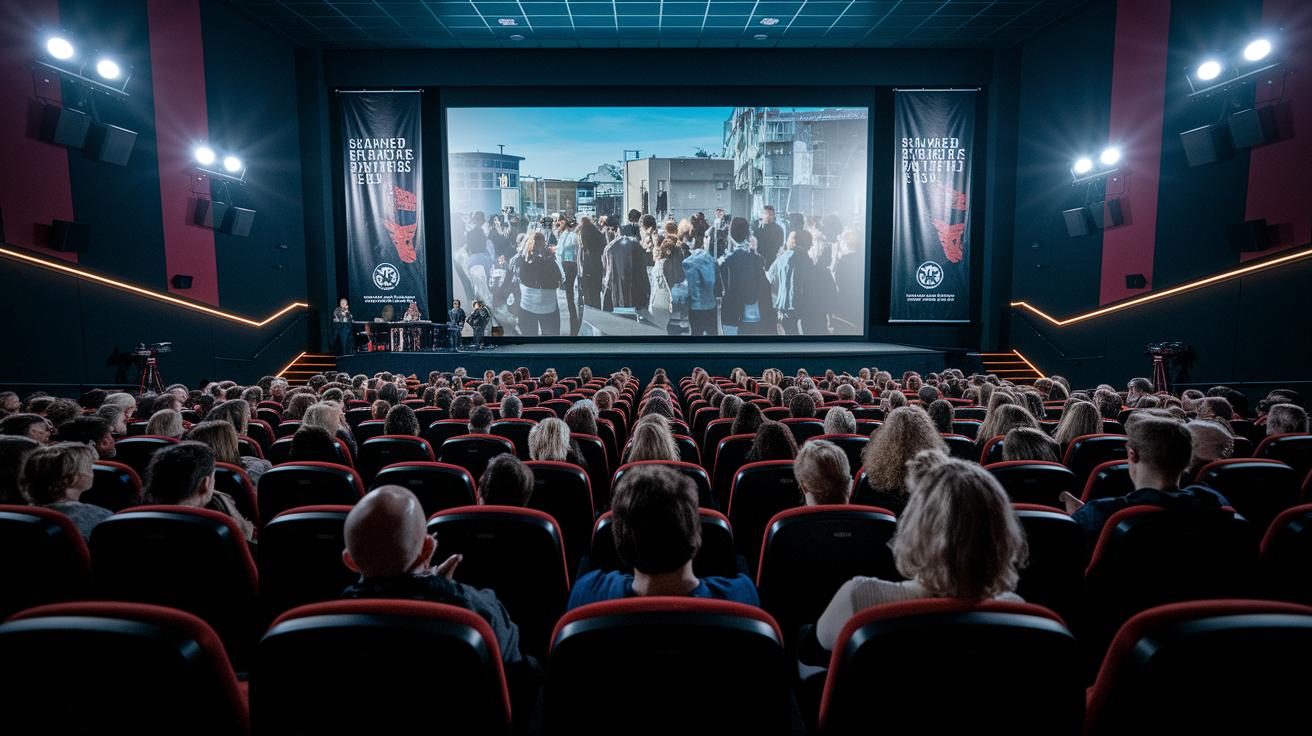
Film festivals in 2025 are trying new ways to tell stories. Directors mix up old methods by using fresh techniques that invite viewers to see films differently. For instance, a Cannes film shifted perspectives and sparked conversations long after watching.
- Rearranged timelines: Films scramble the order of events to make you wonder about what caused what. One movie presented its story out of order to build suspense and challenge you to connect the dots.
- Multiple story threads: Some films weave separate narrative lines that meet at key moments. A recent SXSW film combined personal dramas with political issues, earning praise for its bold approach.
- Standalone episodes with a common theme: This style links individual segments through a shared idea, prompting you to compare different societal issues.
- Shifting character viewpoints: Films now show the story from various characters' eyes, revealing hidden motivations that traditional storytelling often misses.
- Interactive and VR storytelling: By using technology like virtual reality, films invite you to participate actively, which can boost discussions after the screening.
- Blending real with fiction: Some directors mix real interviews with creative narratives to add a layer of authenticity to the film.
These fresh narrative techniques, built on years of film experimentation, deepen audience involvement and spark new conversations about how storytelling keeps changing in cinema.
Modern Visual Narrative Approaches at Film Festivals
Film festivals today are changing the way we experience stories with clever camera work and bold tech. At events like Berlinale and Venice, directors use long, steady shots that draw you in and build real tension. Over at Sundance, filmmakers rely on rich colors and careful framing to add meaning without extra dialogue. And at SXSW, virtual reality pulls you right into the film's world, making you feel part of the action. Every visual choice makes each scene feel like a live event where even the smallest detail counts.
Editing tricks and visual symbols also play a big role. In many Tribeca films, directors link different moments with quick montages (a series of short scenes that tell a larger story) to create a deep, layered narrative. Films from Venice and Berlin often use jump cuts that give a sense of time shifting, inviting viewers to figure out the puzzle on their own. By pairing perfectly timed cuts with clear symbols, these filmmakers guide our emotions and let images speak as loudly as words.
Independent Circuit Story Innovation and Festival Premieres
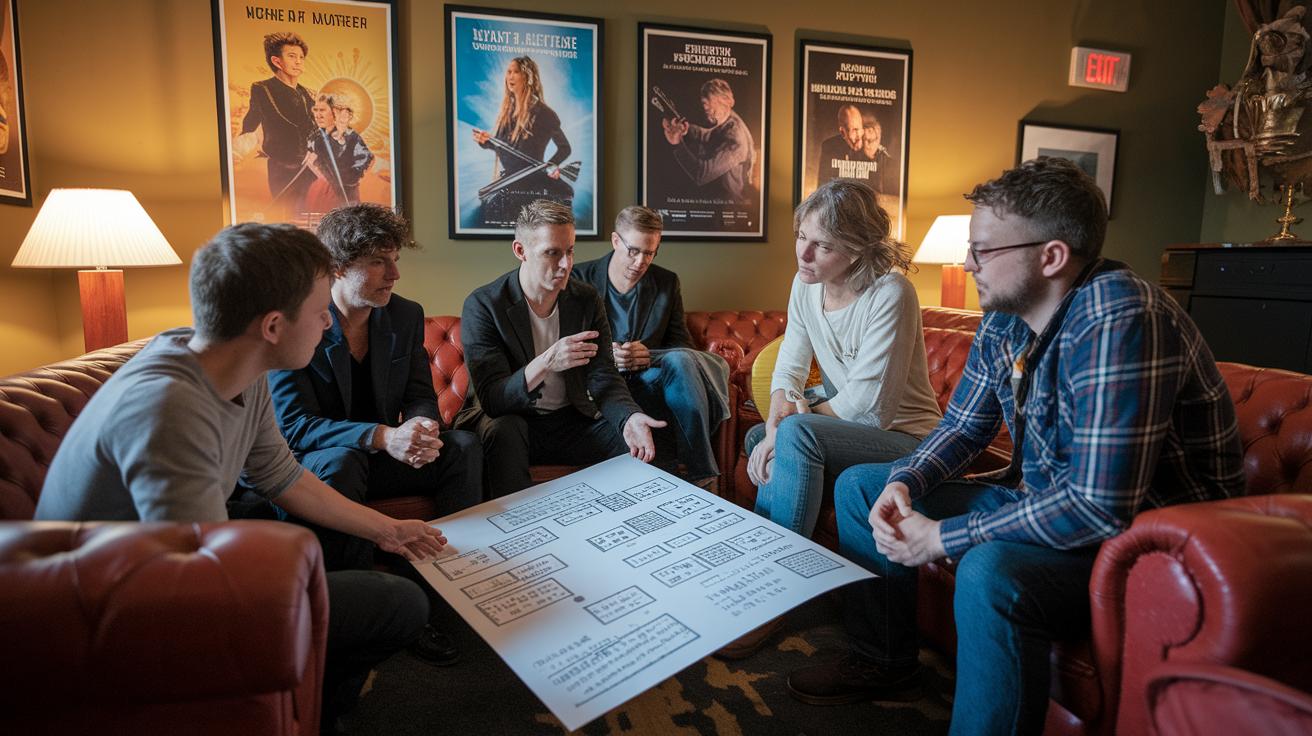
Film festivals like Sundance, TIFF, and Austin Film Festival are spots where bold ideas meet low-budget filmmaking. They prove that a little cash can spark big, heartfelt storytelling with characters that really feel real. At these festivals, creative dialogue and fresh plot setups encourage filmmakers to break out of old molds. Low-budget films often deliver unexpected stories that surprise and delight audiences.
Short films get their moment too. Events like Aspen Shortsfest and Palm Springs ShortFest let directors take risks with new, daring narrative styles. At Oberhausen, filmmakers mix vivid visuals with offbeat storytelling, giving short films room to experiment without the pressure of a longer runtime.
Indie feature premieres continue this creative trend. Directors use subtle, layered dialogue and smart pacing to keep viewers on their toes. Their natural approach to storytelling reinvents traditional scripts, offering fresh perspectives and dynamic moments that make festival nights memorable.
Cross-Cultural Plot Evolution and Global Narrative Palettes
Film festivals across the globe showcase a mix of cultural stories that feel genuine and fresh. At Berlinale, filmmakers from over 60 countries share tales about migration and identity, inviting us to see the world through different eyes. Cannes and Venice feature movies from Asia, Africa, and Latin America that blend familiar folklore with new ways of storytelling. Tribeca and TIFF also celebrate films made by international teams, merging diverse cultural views into one engaging narrative. These events create spaces where stories capture real-life complexity and cultural depth.
Many festivals also put social and political issues front and center. Documentaries often tackle themes like displacement and activism, using film to highlight the effects of big challenges on everyday people. This blend of storytelling and meaningful commentary sparks discussions both in festival screenings and beyond, shaping how we see the evolving world of cinema.
Experimental and Genre-Bending Story Approaches at Film Festivals
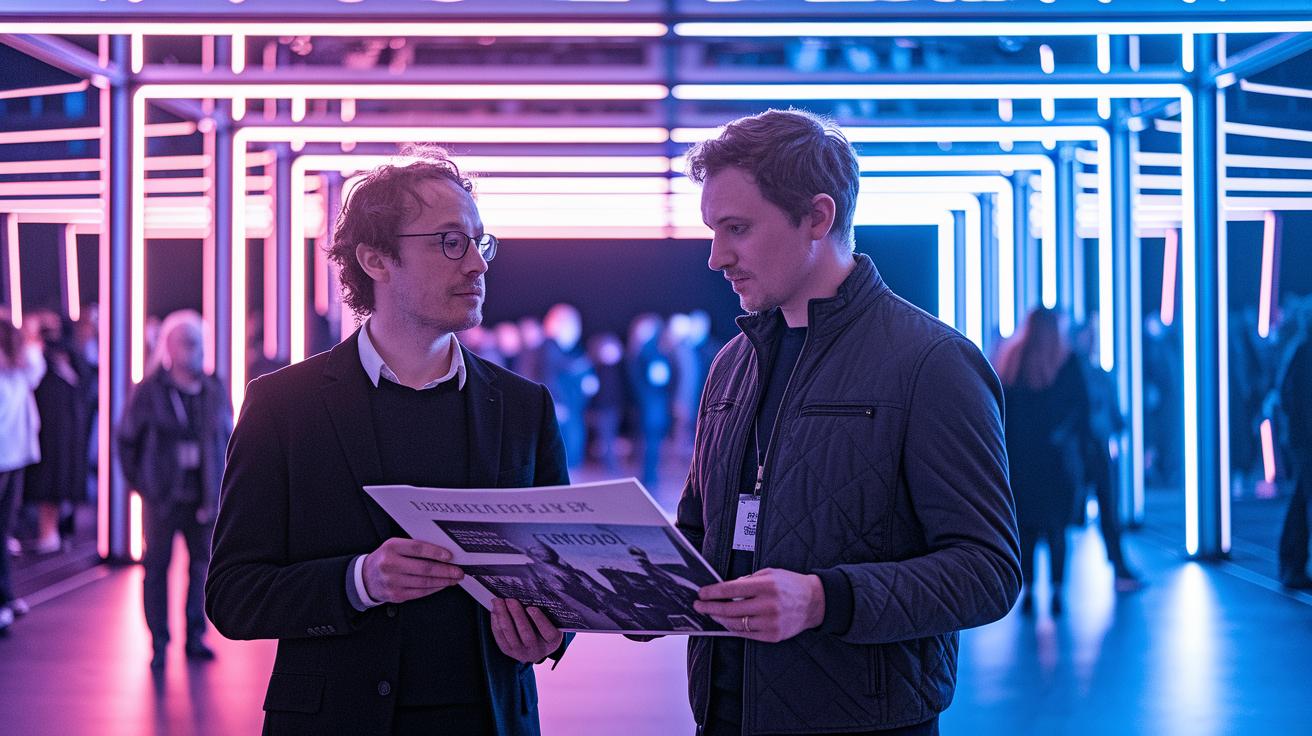
Film festivals are taking risks with storytelling. At Fantastic Fest and Screamfest, directors mix different genres to create movies that both surprise and unsettle. Fantastic Fest shines with films that blend sci‑fi, fantasy, and horror into innovative hybrids. One movie even mixes futuristic worlds with eerie supernatural chills, breaking from old storytelling rules. At Screamfest, real-life drama meets horror in documentary-style films that pull you right into the action.
Festivals like SXSW and IDFA also push limits with mixed-media experiments. SXSW offers interactive shows with VR and AR that plunge you into vivid digital adventures, where tech and story flow as one. Meanwhile, IDFA pairs live acting with cinematic scenes for smooth, engaging narrative shifts. These fresh methods invite audiences to really connect with the film.
This creative spark is spreading to mainstream movies. More filmmakers are adding unexpected twists to traditional stories. As viewers start to enjoy unconventional narratives, studios experiment with mixed-media and immersive visuals. This shift opens up new creative paths and hints at a future where bold, innovative storytelling leads the way in film.
Final Words
In the action, the post unpacked how film festivals are steering global storytelling through fresh narrative techniques and vibrant visual shifts.
It highlighted selections that mix non-linear timelines, layered plots, and genre blends while embracing cross-cultural viewpoints.
Insights into indie innovations, VR experiments, and short-film breakthroughs show that today’s festivals set dynamic benchmarks.
These cinematic storytelling trends in film festivals spark creativity, driving filmmakers to explore new narrative paths and engaging audiences with exciting, inventive screen experiences.
FAQ
Q: In what ways does cinematography influence storytelling in film?
A: Cinematography shapes storytelling by using camera work to create mood and reveal character emotions. It uses framing, lighting, and composition to guide viewers through the narrative.
Q: What are the latest trends in filmmaking?
A: The latest trends in filmmaking include blending narrative structures, incorporating interactive and VR elements, and mixing genres. These innovations push filmmakers to explore non-linear storytelling and diverse visual techniques.
Q: What are the 5 most important film festivals?
A: The five key film festivals are Sundance, Berlin (Berlinale), Cannes, SXSW, and Tribeca. These festivals are influential launchpads for new talent and innovative films worldwide.
Q: What is the hardest film festival to get into?
A: The hardest film festival to get into is often Cannes, known for its rigorous selection process and high standards for narrative innovation and visual storytelling.