
Ever wondered if today's visuals would pack the punch without the shadowy style of classic film noir? Modern directors use old tricks like low lighting and tilted camera angles to create mystery and tension. This piece looks at how those classic noir techniques still shape our screens. Even in a fast-moving world, hints of the past add a fresh, raw vibe to modern storytelling.
Retro Film Noir Influences in Contemporary Visual Storytelling
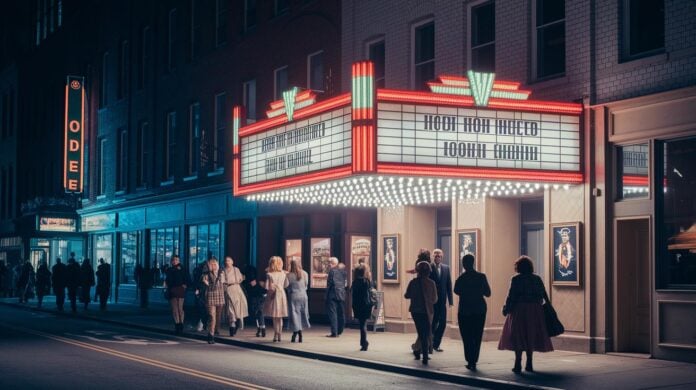
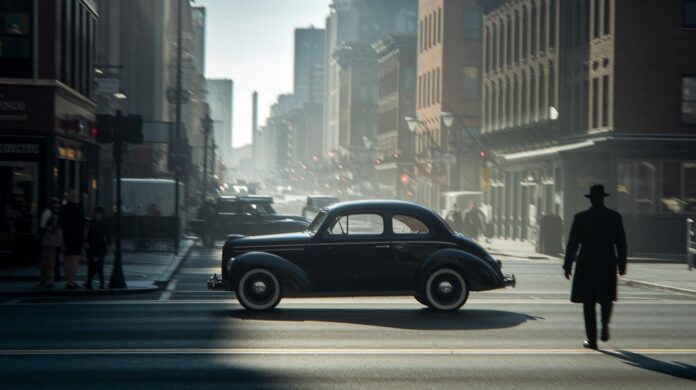
Movies and shows today often borrow techniques from classic film noir. Directors use harsh lights and deep shadows to give scenes a dark, moody feel. This style makes you feel the tension and rough edge that defined old noir films.
- Low-key lighting creates strong, bold shadows
- Techniques that play with light and dark boost the mood
- Deep shadows add a sense of mystery and suspense
- Odd camera angles can make you feel a bit off balance
- Shooting on real locations gives a raw, old-school vibe
Modern directors mix these classic tools with new ideas. They take cues from German Expressionism (a style with exaggerated visuals) and the work of gritty photographers like Weegee. By using creative angles and dramatic light contrasts, they build a world that is both fresh and full of character. Fans of film noir will spot these techniques easily, enjoying a style that feels both vintage and perfectly in tune with today’s stories.
Historical Roots of Film Noir Influences on Storytelling

Back in the 1920s and 1930s, detective novels set the stage for a style that still sticks with us today. Books like Dashiell Hammett’s The Maltese Falcon, Raymond Chandler’s The Big Sleep, and even Edgar Allan Poe’s Murders in the Rue Morgue gave clear blueprints for how detectives should be shown on screen. These stories created a kind of old-school detective vibe that filmmakers still tap into when they explore film noir themes.
After World War II, a wave of disillusionment and anxiety changed the cultural scene. Filmmakers and writers began to tell darker and more complex stories that reflected the tough realities of city life. This hardboiled styling captured feelings of loss and moral decline, making detective portrayals feel real. They filled their work with hints of ambiguity, using characters with unclear morals and plots that left questions open. This method not only sharpened the classic detective style but also laid the groundwork for today’s mystery dramas.
These cultural shifts brought about skeptical heroes whose personal battles and mixed motives made audiences rethink right and wrong. Their stories, with open endings and raw character looks, continue to inspire modern directors who want to keep the spirit of classic hardboiled storytelling alive.
Expressionist Influences in Retro Film Noir Visual Style
Film noir got its dark look from two major art styles, German Expressionism and Poetic Realism. These styles changed how movies use odd angles and soft lighting to set a spooky mood. They turned shadows and unusual shots into a visual language that hints at inner turmoil and mystery.
German Expressionism
Films like Fritz Lang’s M (1931) and The Cabinet of Dr. Caligari show how German Expressionism used tilted sets and harsh shadows. These extreme visuals make you feel the weight of a character’s hidden struggles. The stark lighting and jagged shapes work together to mirror inner conflicts, making the environment feel as troubled as the characters.
Poetic Realism
On the other hand, Poetic Realism takes a gentler route with subdued backgrounds and a focus on character mood. Movies such as La Grande Illusion (1937), Le Quai des Brumes (1938), and Pepe le Moko (1937) use calm but thoughtful visuals to draw attention to emotions rather than overwhelming scenery. The careful setup invites you to feel the story's undercurrent without too many distractions.
Today, many filmmakers still borrow from these styles. They use lasting techniques like dramatic lighting and thoughtful camera angles to give modern films a timeless, brooding vibe.
Retro Film Noir Influences on Period Score and Atmosphere

Jazz music leads the way in classic noir soundtracks. Its smooth saxophone solos and tense brass create a mood that pulls you in. About 80% of film noir scores tap into the lively spirit of the 1920s Jazz Age. This brings a raw, impromptu quality that deepens the mystery and charm of these films.
The music in noir flicks does more than fill empty space. It builds tension and highlights surprise twists in the story. Soft, quiet tones mix with sudden bursts of sound to mirror the film’s unexpected turns. This approach reflects the inner struggles of the characters and the magnetic beat of city life, ramping up the suspense.
Today, directors still borrow these techniques. They weave moody, period sounds into scenes to create a real sense of anticipation. Modern movies and shows often include jazz themes to connect with audiences while tipping their hat to a classic past. This nod to tradition makes watching these films feel both fresh and timeless.
Neo-Noir: Modern Crime Drama Evolution from Retro Influences
Neo-noir started in the 1970s when filmmakers refreshed the classic film noir style for modern audiences. They reworked the traditional detective roles and added a darker, more thoughtful mood, using gritty visuals of decay and twisty plots that set the stage for morally complex stories.
Today, neo-noir builds on those old ideas with updated style. Films like Blade Runner and Sin City turn cityscapes into more than just backgrounds, they mirror the inner struggles of troubled heroes. The stories often jump back and forth in time and surprise us with clever twists. Directors now mix raw crime drama with deep psychological tension, blending modern technology with classic noir looks so that every shadow holds a secret and every scene brims with layered meaning.
Recent movies and streaming series keep this evolution alive by mixing retro visuals with fresh narrative twists. They honor the classic style while experimenting with new ways to tell stories that feel both timely and engaging.
Iconic Retro Film Noir Character Archetypes and Their Legacy

Classic film noir often features two standout characters: the dangerous, charming woman and the troubled hero. A dangerous woman (femme fatale) lures others with her appeal while hiding secret, risky motives. In contrast, a troubled hero (antihero) struggles with right and wrong, making choices that defy traditional morals. These types make us rethink what is truly good or evil.
Early films gave life to these figures. In Double Indemnity (1944), Phyllis Dietrichson skillfully uses her charm and will to guide men into doomed plans. Out of the Past (1947) shows Kathie Moffat as a blend of seductive allure and mystery, which makes her unpredictable and intriguing. These movies use small hints, a lingering glance or a measured pause, to add extra depth to the story. The antiheroes wander through murky worlds, following their own rules, which enriches the plot with complexity.
Today, modern works like True Detective and Gone Girl build on these classic traits. They reshape the femme fatale and the antihero into even more layered and engaging characters that continue to shape storytelling.
Final Words
In the action, we saw how classic noir visuals like deep shadows and low-key lighting shape today’s films and series. The post covered key techniques, chiaroscuro lighting, skewed angles, location shooting, and traced noir’s roots back to early detective stories and Expressionist influences.
Modern movies and streaming series keep this style fresh. Exploring retro film noir influences, they blend iconic aesthetics with updated narratives, inviting fresh viewers to experience timeless chills and thrills. Enjoy the ride!
FAQ
Frequently Asked Questions
Q: What does exploring retro film noir influences on Wikipedia cover?
A: Exploring retro film noir influences on Wikipedia covers how classic high-contrast imagery, deep shadows, and unconventional camera angles have shaped modern visual storytelling and continue to influence contemporary film aesthetics.
Q: What are some film noir examples and classic noir films?
A: Film noir examples, including titles listed among the 50 best film noir movies, feature iconic films like Double Indemnity and The Maltese Falcon, known for their gritty narratives and signature use of shadows and low-key lighting.
Q: What does film noir aesthetic mean?
A: Film noir aesthetic means a visual style marked by dramatic contrast, chiaroscuro lighting, and skewed camera angles that evoke a moody, mysterious atmosphere throughout the film.
Q: How does noir aesthetic fashion relate to the style?
A: Noir aesthetic fashion draws on the sleek, edgy look of classic films, featuring tailored clothing and contrasting color themes that mirror the dark, sophisticated visual language of noir cinema.
Q: What are film noir characteristics?
A: Film noir characteristics include moral ambiguity, deep shadows, high-contrast lighting, complex characters, and narratives filled with tension and uncertainty that create a distinctive, brooding atmosphere.
Q: What does the term noir mean in film?
A: The term noir means a style defined by dark themes, gritty urban settings, and visual techniques like dramatic shadow play that underscore the mood of mystery and moral complexity in the film.
Q: What are the influences of film noir?
A: The influences of film noir stem from hardboiled detective fiction, German Expressionism, and gritty urban realism, combining literary roots and innovative cinematography to craft a unique, enduring style.
Q: What movies influenced La Noire?
A: Movies influencing La Noire include classic 1940s films and expressionist works like Fritz Lang’s M, whose atmospheric visuals and narrative style provided a blueprint for the game’s immersive, retro noir experience.
Q: What is retro noir?
A: Retro noir refers to a revival style that blends traditional film noir elements—striking lighting, moody compositions, and moral ambiguity—with modern storytelling techniques to create a nostalgic yet fresh look.
Q: What is considered the greatest film noir of all time?
A: The greatest film noir of all time is often debated, with many citing titles such as Double Indemnity or The Maltese Falcon for their groundbreaking visuals, tight narratives, and lasting impact on the genre.