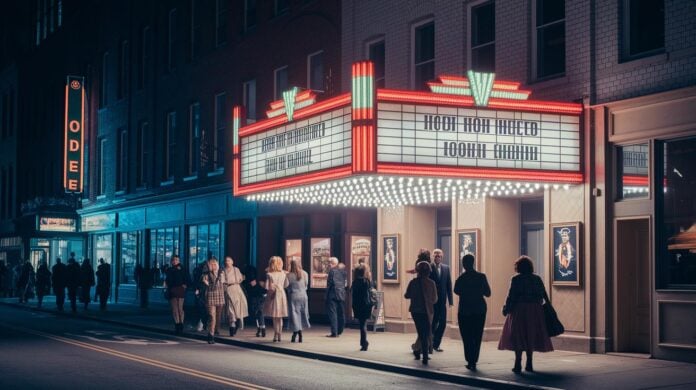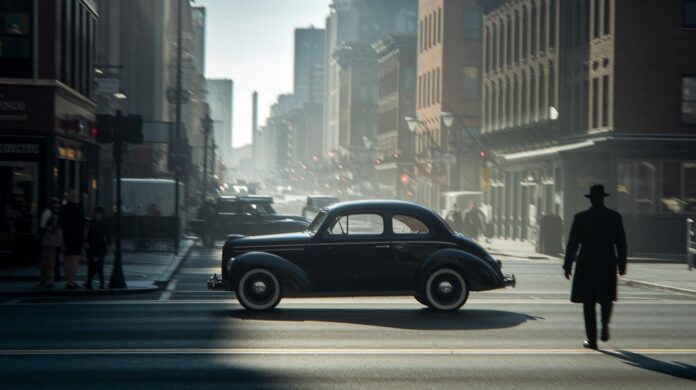

Ever wonder how films once moved us without modern effects? Old-school directors turned simple tales into visual treats using clever camera tricks and bold storytelling. They broke the mold with creative techniques that still influence movies today. These filmmakers, from daring storytellers to style masters, left a mark that changed cinema forever. This piece dives into their lives, methods, and lasting impact on film art.
Retro Film Visionaries: Impact and Innovation of Legendary Directors
Retro films take us back to a time when creativity and bold experiments ruled the cinema world. This era highlights 55 key directors, beginning with early pioneers like Ida Lupino and Lois Weber, who broke the rules, and moving to masters like Stanley Kubrick, who told stories in unforgettable ways. Back then, filmmakers relied on imaginative set designs and clever camera tricks instead of modern special effects.
Old techniques transformed simple stories into lasting experiences. D.W. Griffith used close-ups to bring strong emotions to life, while Eisenstein’s montage (a method of editing that combines different shots to boost drama) reshaped how films are cut. F.W. Murnau’s expressionist framing in films such as Nosferatu built visually striking scenes. Later, directors like Hitchcock, Welles, and Kurosawa pushed storytelling even further. Take Hitchcock’s steady, rhythmic cutting as an example, it still shapes movies today.
This article digs deep into the lives and techniques of these film legends. It looks at their groundbreaking methods, key works, and lasting marks on the art of cinema. By tracing these classic visionaries, readers see how they reshaped movie-making and inspired today's filmmakers.
Biographical Profiles of Legendary Retro Film Directors

Retro film pioneers changed the way stories are told and shown on screen. Their techniques still inspire filmmakers today. In this section, we introduce six iconic directors with key dates, famous films, and special methods that defined an era of bold experimentation.
D.W. Griffith
Born in 1875 and passing in 1948, Griffith brought fresh ideas to cinema. His film The Birth of a Nation (1915) introduced techniques like cutting between different scenes and using close-ups. His work set the stage for modern visual storytelling.
Sergei Eisenstein
Eisenstein (1898–1948) changed film editing with his work on Battleship Potemkin (1925). He used montage (a method of linking shots to build emotion) to create strong dramatic moments. His innovative approach still influences how movies are edited today.
F.W. Murnau
Murnau (1888–1931) is best known for Nosferatu (1922). He used striking lighting and dynamic camera movements to create an eerie atmosphere that lingers with viewers. His style laid a foundation for visual mood in cinema.
Alfred Hitchcock
Hitchcock (1899–1980) redefined suspense with films like Psycho (1960). He used smart editing and a unique camera style that pulls you into the tension of every scene. His techniques keep audiences on the edge of their seats.
Orson Welles
Welles (1915–1985) broke new ground with Citizen Kane (1941). He popularized deep-focus shots (keeping both foreground and background clear) and non-linear storytelling. His daring methods opened up new ways to tell a story on film.
Akira Kurosawa
Kurosawa (1910–1998) directed Seven Samurai (1954), a film that influenced action movies around the world. His mix of thrilling scenes and deep character moments sets a high bar in film history and continues to inspire directors today.
Signature Techniques in Retro Films by Legendary Directors
Retro cinema changed how stories are told by using bold visual styles and smart editing techniques. Before digital effects took over, filmmakers relied on hand-cranked cameras and creative cuts to surprise the audience. This early innovation is why many today still study these classic methods.
Eisenstein’s use of montage in films like Battleship Potemkin showed how editing can shrink time and pack in emotion. Hitchcock built suspense with rhythmic cuts and point-of-view shots that feel familiar in our quick-paced movies today. Murnau’s expressive lighting in Nosferatu and the stark contrasts in Metropolis set a visual tone that paved the way for modern blockbuster effects.
Even now, directors mix careful framing with lively cuts to draw in viewers. This mix of traditional techniques and modern flair shows that classic methods still have a lot to teach today's filmmakers.
Seminal Works in Retro Films by Legendary Directors

These classic movies changed the way people think about films. They pushed boundaries with bold ideas and new techniques, which got audiences talking and thinking differently about storytelling. For example, Battleship Potemkin uses fast editing that makes you feel the rush of a revolution when chaos unfolds on screen.
| Film | Cultural Impact | Audience Reception |
|---|---|---|
| The Birth of a Nation | Opened up new ways to tell stories despite causing heated debates | Stirred strong public reactions and discussions |
| Battleship Potemkin | Began a new style of visual storytelling with its quick sequence cuts | Filled viewers with excitement through its powerful display of revolution |
| Metropolis | Showcased futuristic visions with eye-catching design | Left audiences in awe with its look at a machine-driven world |
| Citizen Kane | Changed how stories are told and highlighted the power of media | Kept audiences engaged with its deep and layered story |
| Psycho | Defied film genre limits with unexpected narrative moves | Shock and suspense made it unforgettable for viewers |
| Seven Samurai | Set new standards with a story driven by a strong group of characters | Won hearts with its lively and dynamic character interactions |
Enduring Legacy of Legendary Directors in Retro Cinema
Modern films give a fresh twist to old storytelling. They mix classic suspense with bold, clear visuals and digital sharpness. Think of a film scene where quick cuts and subtle hints build up tension layer by layer.
Old visual styles are getting a makeover. Today’s filmmakers blend the rich, focused shots of the past with dynamic modern effects. Imagine a scene where digital overlays glow around a steady, classic portrait.
Directors now connect old and new by pairing traditional craft with modern tech. Recent films show how these ideas mix to create a classic look with a modern feel. For example, a filmmaker might recreate a vintage vibe in a sleek, digital world.
Final Words
In the action, we stepped into a world where retro films reigned through innovative techniques, bold storytelling, and unforgettable visual flair.
We traced the lives of era-defining directors, unpacked signature techniques, and revisited seminal works that changed how films are made today.
These insights celebrate the creativity and lasting impact of legendary directors of retro films: an in-depth look that reminds us why these pioneers continue to inspire.
Their legacy leaves us optimistic and curious for what’s ahead in cinema.