
Have you ever wondered if today’s movies are built to mess with your head? Every shot hides little clues that change the way you see the story. Directors use eerie scenes and unexpected twists to keep you on your toes. This guide shows how film tools like foreshadowing (hints of what’s coming) and flashbacks (scenes from the past) turn a simple plot into a movie you won't easily forget.
Understanding Narrative Techniques in Modern Films
Narrative technique is simply the way a writer tells a story. Meanwhile, narrative structure is the overall plan that ties all these methods together. You can think of narrative technique as the individual tools a filmmaker uses, while narrative structure is the design that holds everything in place. For example, a film’s setting can almost act like another character, using dark or eerie backdrops to set the mood.
There isn’t one secret formula for good storytelling. Filmmakers mix and match up to 25 different techniques to build their narrative. One common method is foreshadowing, which drops hints about what might happen next, as when a line suggests a looming downfall in a classic tragedy. A sudden plot twist can turn the story in an unexpected direction, keeping you on your toes. Techniques like flashbacks or flash forwards shuffle the order of events to add extra layers to the story. And a strong narrative hook grabs your attention right from the start.
Each of these techniques acts as a tool to draw you into the film and help you understand its characters and plot. For instance, a first-person narrator tells the story through one character’s eyes, making the experience feel personal and immediate. A simple example might be: "Before taking on his destiny, the hero faced a choice that defined his world." Moments like these make films memorable and relatable.
Here are a few key techniques and their roles:
| Technique | Role |
|---|---|
| Setting | Creates mood and context |
| Foreshadowing | Hints at events to come |
| Plot Twist | Changes the story unexpectedly |
This basic guide opens the door to deeper exploration of how modern films use these tools to build their stories.
Evolution of Narrative Techniques from Traditional to Modern Films
Traditional films told stories in a straight line with a clear beginning, middle, and end. Movies like The Wizard of Oz (1939) and Casablanca (1942) used simple plots that drew viewers in. They relied on a three-act structure to build tension and resolve conflicts. For example, Star Wars (1977) and The Godfather (1972) show how a solid plot can shape character arcs and keep us engaged.
As the digital age arrived, filmmakers started playing with time and perspective. They moved beyond single-character narratives like those in Gone with the Wind (1939) and began mixing flashbacks, non-linear sequences, and multiple viewpoints. This fresh approach lets films explore emotions and conflicts from different angles, making the story feel more layered.
Some movies now even break the mold entirely, letting viewers piece together the plot in creative ways. Directors use visual cues and subtle transitions as hints, inviting us to enjoy both the art of storytelling and the clever use of new technology. This change marks a shift from simple story layouts to innovative storytelling that marries classic methods with modern ideas.
Non-Linear Story Approaches in Modern Cinema
Today’s movies often play with time to make their stories richer. A common trick is the flashback, which shows a scene from the past and adds extra layers to the story. For example, a flashback might reveal how, on a rainy afternoon, a small photo brings back a flood of hidden emotions, turning an ordinary moment into a turning point.
Filmmakers also use flash-forwards to give us a glimpse of the future before returning to the main narrative. A quick look ahead might show the hero standing at a crossroads, hinting at a big decision and building suspense that gets you curious about what comes next.
Another technique is to change the order of events in the story. Movies like Memento jumble the timeline so you have to work a bit to put the pieces together. This twist makes the film feel mysterious and invites you to rethink clues from earlier scenes, much like solving a puzzle.
Directors can also mix scenes through cross-cutting, where two or more parallel storylines run at the same time. For instance, you might see two lives unfolding side by side until they unexpectedly collide in a moment that changes everything. This method heightens tension and reveals surprising connections.
All these non-linear techniques let filmmakers control the pace and mood in creative ways. By shifting timeframes and blending scenes, they craft stories that challenge us to see familiar narratives in a fresh light, keeping us engaged and thoughtful.
Evolving Character Arcs and Unreliable Narration
Modern movies grab our attention with characters who change and grow over time. Filmmakers often use a storytelling style that leaves out some facts on purpose. This makes us ask, "What is really going on?" For example, in The Great Gatsby, Nick Carraway shares only part of the story. He hints at secrets but never tells us everything. This approach makes the plot feel deep and true to life.
There are also moments when a character suddenly sees things clearly. In Hamlet, the lead decides on revenge, and that choice sets him on a new path. This burst of insight turns him from a quiet thinker into someone ready to act. When films add bits of backstory, like in Frankenstein, we get a fuller picture of why characters do what they do.
Mixing evolving characters with a storyteller who holds back details makes the film feel real and unpredictable. You work a bit to figure things out, and the reward is a more exciting, thoughtful experience.
Twist Mechanics and Plot Construction in Contemporary Movies
Modern films often use twists to keep you guessing. Filmmakers throw in red herrings (false clues used to mislead) that add layers to the story. In The Hound of the Baskervilles, for example, misleading hints keep you focused on the wrong paths. This careful misdirection builds suspense and makes the plot more complex.
Another well-known trick is Chekhov's Gun (a small detail set up early that later pays off). A tiny object in one scene may later change the whole direction of the story. Likewise, a self-fulfilling prophecy, where a character's fear helps create the situation they dread, adds another layer of intrigue.
Movies such as Sense and Sensibility show how unexpected twists force you to rethink what you know about the characters and plot. Directors design these surprises so that each part of the film leads to a surprising and satisfying payoff.
- Red herrings create curiosity by guiding you toward false leads.
- Chekhov's Gun ensures even small details matter.
- Self-fulfilling prophecies and twists keep the narrative fresh and engaging.
Visual Strategy and Editing for Story Flow in Modern Films
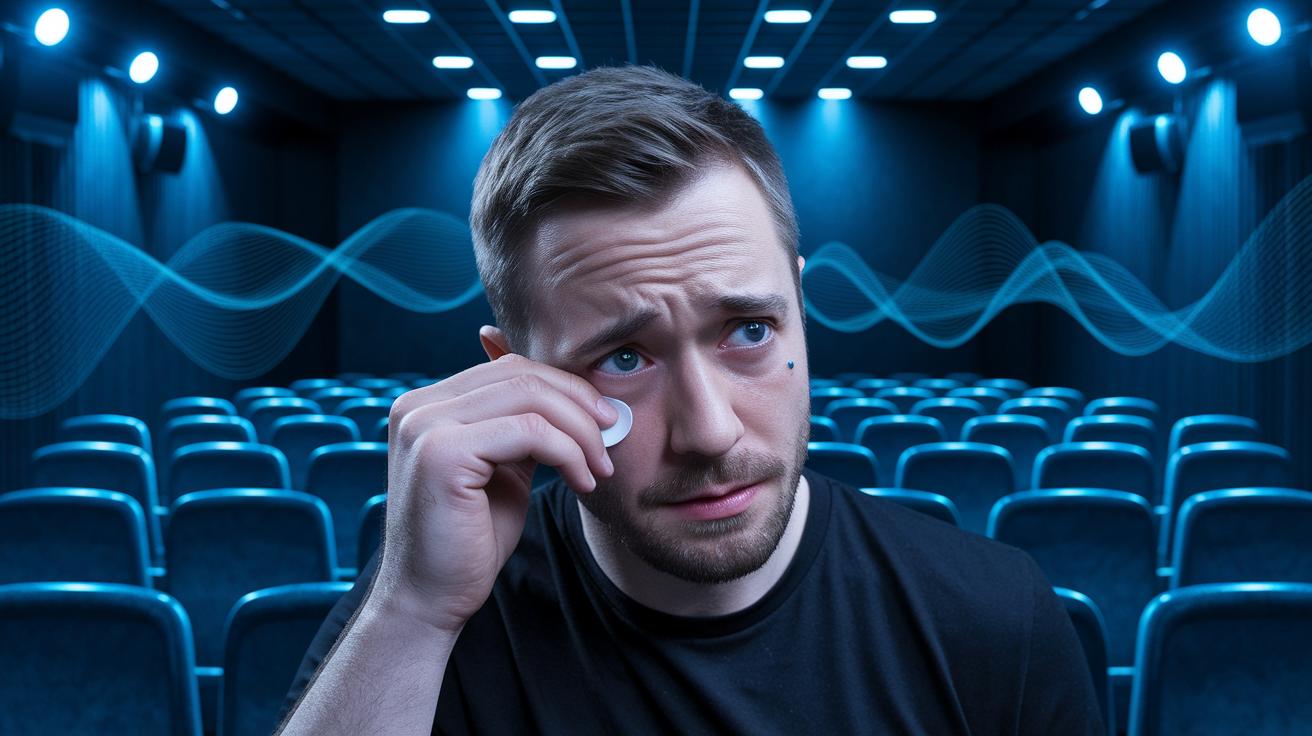
A film's visual approach shapes how its story is told. Close-ups, for instance, let you see every tiny change in a character's face. Think of a moment when a character wipes away tears; you feel their emotion without a word being spoken.
Editing links the visuals into a smooth story. Techniques like jump cuts (sudden shifts between moments) remind you that time is moving in unexpected ways. This can make a scene feel a bit choppy yet very engaging.
Sound also plays a key role. Using the same melody whenever a character is on screen ties scenes together, easing the shift from one moment to the next. A soft, haunting tune can make the character’s inner struggles feel even heavier.
Then there is the Dutch Angle. By tilting the camera slightly, the director creates a feeling of unease that hints at upcoming surprises. A scene that tilts the horizon makes the familiar look strange, setting the stage for new twists.
Editing pieces these elements together carefully. A close-up might blend into a tilted shot and then jump to another key moment. This well-timed mix helps the story flow like a visual symphony that keeps you hooked throughout the film.
Audience Engagement and Cultural Impact of Modern Narrative Techniques
Today's films pull us in with clever storytelling tricks. They mix up the timeline and show events from different angles to make you feel involved. When a movie plays with time or shifts viewpoints, you become part of the puzzle.
These fresh methods capture our attention and start real conversation. Movies that break from the usual story paths make you rethink what seems normal. They often mirror everyday issues and challenge long-held ideas by giving space to voices we rarely hear.
Modern storytelling now blends classic techniques with digital flair. Filmmakers use tech to add interactive moments that connect with you emotionally. But if the plot gets too tangled, it might leave those who prefer a simpler story feeling lost.
Key audience engagement strategies include:
- Non-linear narratives that shake up the usual order
- Interactive elements that invite you to join in
- Visual and sound design that boosts the emotional punch
In a broader sense, these narrative shifts let films comment on social issues and even push for change. While they invite active participation and broaden cultural views, filmmakers need to balance complexity with clear, heartfelt storytelling.
Practical Guide to Applying Narrative Techniques in Filmmaking

Filmmakers can mix old-school storytelling with new ideas to create scripts that really pull you in. Start with a solid plan. Using methods like Save the Cat helps you design a friendly hero. For example, you might show a small act of kindness at a character's first scene that makes the audience instantly care.
Map your story out with clear sketches and a scene-by-scene plan. Write down the main events so every moment has a reason. Here are a few simple steps to follow:
- Create a strong opening hook that grabs attention right away by asking a good question without revealing too much.
- Mark parts of your script that might turn critical later on (think of a small detail like an old key in the background that becomes the key to the mystery).
- Add gentle hints for future twists with images or subtle clues, such as a quick glimpse of dark clouds that signal upcoming challenges.
Using these techniques helps you build a film that feels tight and emotional. Visual planning tools like storyboards can keep you organized and let you tweak scenes as new ideas come up. Make sure every piece of your plan works to keep the audience surprised and connected to the story.
Final Words
In the action, we explored how narrative techniques in modern films split the traditional mold and push creative boundaries. We saw non-linear story approaches, evolving character arcs, and twist mechanics that stir suspense and drive connection. Visual strategies and clever editing bring each scene to life while practical guides keep filmmakers grounded with actionable tips. Together, these methods form a powerful toolkit that invites audiences to engage and appreciate cinema in fresh and genuine ways. Keep an eye out for these techniques the next time you watch your favorite film.
FAQ
What are narrative techniques?
The term narrative techniques refers to the methods writers and filmmakers use to convey ideas, build storylines, and engage audiences. They include flashbacks, foreshadowing, and non-linear storytelling.
Can you list some narrative techniques used in literature and film?
The phrase “list of narrative techniques” covers tools like flashbacks, unreliable narration, foreshadowing, non-linear structures, and evolving character arcs that add depth and interest to both literature and film.
What is the narrative technique flashback?
The narrative technique flashback is a method that reintroduces past events to give context, build character depth, and connect earlier moments with the ongoing story.
Where can I find guides or PDF notes on narrative techniques in modern films?
The guides and PDF notes on narrative techniques in modern films offer detailed insights and examples that help filmmakers learn how to use various methods for effective storytelling.
What are the 7 strategies to begin narratives?
The concept of 7 strategies to begin narratives involves approaches like crafting compelling openings, establishing tone early, and hooking the audience to set the stage for an engaging story.
What are the techniques of modernist narrative?
The term “techniques of modernist narrative” refers to methods such as fragmentation, stream-of-consciousness, and unreliable narration, which push traditional storytelling boundaries for a more subjective view.
What are the 5 C’s of film making?
The 5 C’s of film making are guidelines like Camera work, Cut editing, Characters, Continuity, and Composition that ensure the visual and narrative elements work together seamlessly.
What are the 8 types of narrative structures?
The 8 types of narrative structures include patterns like linear, non-linear, episodic, circular, parallel, frame stories, experimental, and interactive, each shaping how the storyline unfolds.