
Ever feel a chill from one clear piano note? Movie music is more than just background sound, it shapes the emotion of the scene. This guide shows how composers stir tension and lift your mood with every chord. You'll learn to spot a simple tune that hints at a secret or a harmony that changes the scene's vibe. Whether you're just curious or starting as a film critic, this guide gives you the basics to enjoy film music like never before.
Foundations for Analyzing Film Scores and Soundtracks
A film score is original music crafted to boost emotions, set the mood, and fit the on-screen action. In contrast, a soundtrack might include well-known songs or a mix of tracks that were not made just for the film. For example, a custom score can add tension to a scene while a popular song in the background can change how you feel about what’s happening. This shows that scores are built for each scene, while soundtracks create a general vibe for the whole film.
Making a film score breaks down into four clear steps. First is writing, where composers invent themes that hint at the film’s mood and story. A good tip is to begin with a simple melody, like a brief piano tune that suggests a moment of quiet tension. Next, orchestration picks the right instruments and rearranges the ideas to match the scene. Then comes recording, which brings the music to life either with real musicians or electronic sounds. Finally, syncing aligns the music perfectly with each moment in the film, often using a tool like SMPTE timecode (a system that matches audio cues with film events).
Understanding these steps gives you a solid base for analyzing scores. Every stage helps shape how the music moves our emotions, builds suspense, and deepens the story. Listen closely to notice how small changes in a score can entirely transform a scene's feel.
Key Musical Elements in Film Score and Soundtrack Analysis
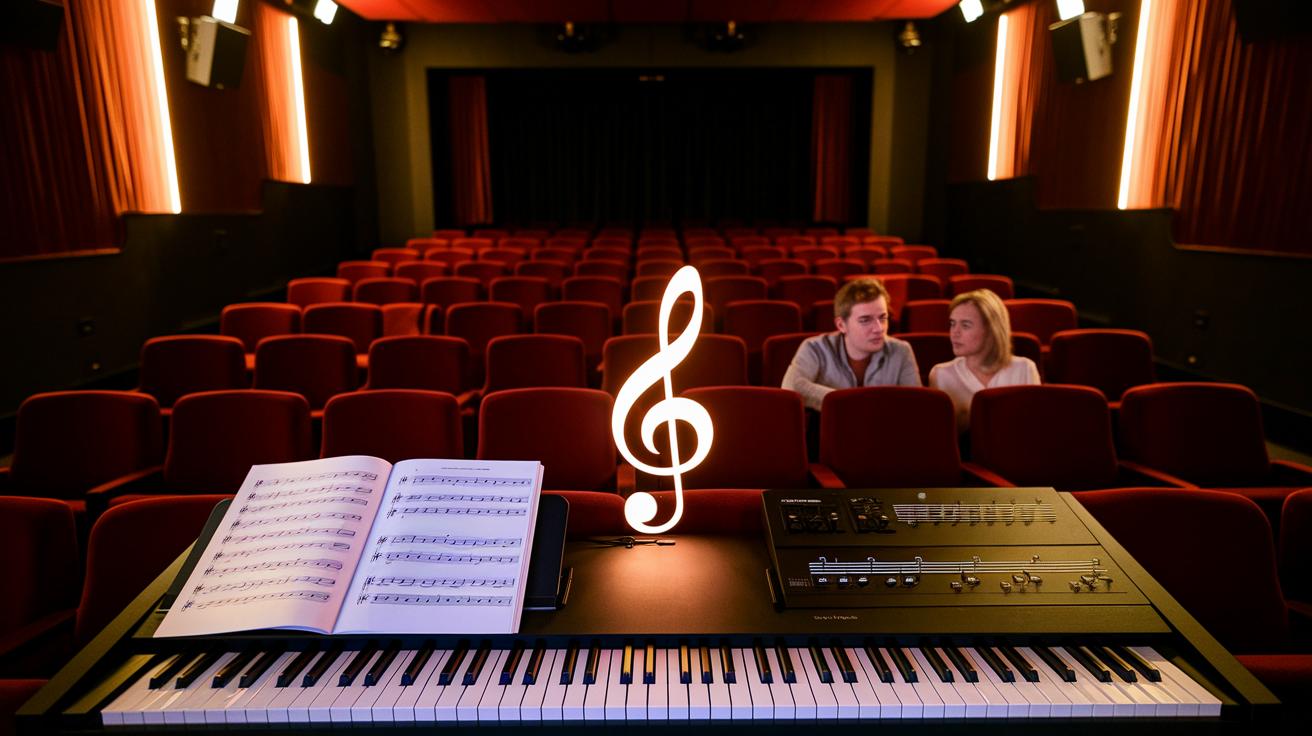
When you look at a film score, start with the basics: melody, harmony, instrumentation, and thematic structure. The melody is the main tune that sticks with you after the film is over. Think of a simple piano tune that hints at a secret. That is melody at work. Harmony is how the notes fit together (consonance means they blend smoothly, while dissonance makes them clash) to set the mood. In a tense scene, clashing chords can quickly lift the tension.
Dynamic intervals are a neat way to see how music builds suspense. In Jaws (1975), two repeating notes slowly make the danger feel real as they echo in the water. Picture a scene where a simple, repeated note makes your heart beat faster, hinting at hidden peril. On the flip side, the screeching violins in the shower scene of Psycho hit you with a rush of fear from the very first sound.
Instrumentation is another key piece. The choice of instruments, whether it is soft strings for a heartfelt moment or futuristic synths in a tech scene, colors the viewer’s experience. A gentle violin melody might feel warm and personal, while strong brass sounds can boost a heroic moment.
Thematic structure often follows a simple AAA form. This means the main theme repeats and changes as the story unfolds. In Inception (2010), layered musical ideas mirror the film’s complex narrative. Imagine a tune that adapts with each twist in the plot, emphasizing both character growth and story momentum. Every part of the score, from melody and harmony to instrumentation and structure, comes together to turn notes into a powerful storytelling tool.
Techniques for Analyzing Film Scores and Soundtracks
Start by really listening to the music. Try to catch tunes or themes that show up over and over. Write down when these themes appear and note how their sound changes as the scene shifts. This practice can reveal hints about a character's growth or upcoming danger.
Next, think about what the music makes you feel. Music often guides our emotions. For example, in Psycho the high-pitched violins bring on a sudden scare, while The Social Network uses smooth electronic sounds to create a sense of isolation and ambition. Ask yourself, How does the music make me feel?
Another idea is to create a motif map. Draw a simple timeline of the film and mark where key tunes appear or change. This helps you see patterns, such as a melody that grows as the action builds.
You can also compare how different composers work. Look at the clear, bold style of John Williams and the modern, layered sound of Hans Zimmer. This comparison shows how different musical techniques can shape a film's mood.
Finally, pay attention to the pace of the music. Notice if the beat is slow or fast. A slow tempo can make a scene feel reflective, while a quick pace can boost tension during action scenes.
- Notice recurring themes
- Track changes in tempo
- Map musical cues to story events
Case Studies in Iconic Film Score Analysis
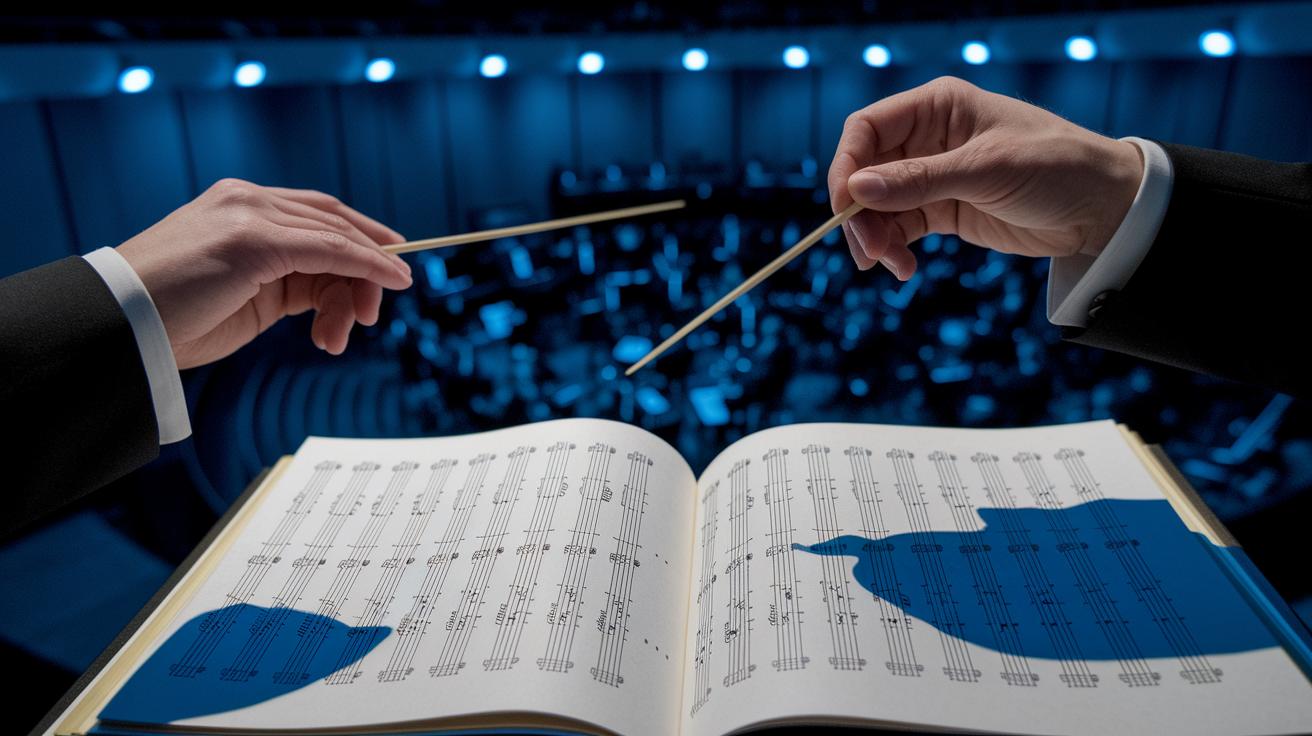
Iconic film scores do more than fill the silence. They set the mood and help tell a movie's story. Consider Psycho (1960). Its harsh, high-pitched violins spark fear and warn you of danger. Before the film even hit theaters, audiences were startled by its raw, piercing sound that changed the way horror music was made.
In Jaws (1975), a simple two-note tune repeats over and over, slowly building a sense of dread. This minimal motif mimics the hidden threat under the water and tells us something bad is coming.
In Inception (2010), layered sounds mix together to match the movie’s twisty plot. The overlapping pieces capture the changing feel of dreams and add extra depth to the story.
The Godfather (1972) features a mournful organ score with hints of Sicilian music. This sound deepens the film’s themes of family and power while adding a touch of sadness.
Blade Runner (1982) stands apart with dreamy electronic sounds that create a futuristic feel. These ambient textures not only fill the background but also highlight the film’s search for identity in a challenging world.
Looking at these films shows different ways composers use music. Whether it’s a simple tune or a complex blend of sounds, music in each film helps tell its story and bring out its emotions.
| Film | Composer | Notable Technique |
|---|---|---|
| Psycho (1960) | Bernard Herrmann | Harsh, high-pitched violins |
| Jaws (1975) | John Williams | Two-note motif |
| Inception (2010) | Hans Zimmer | Layered sounds |
| The Godfather (1972) | Nino Rota | Mournful organ with Sicilian hints |
| Blade Runner (1982) | Vangelis | Dreamy electronic textures |
Practical Tips for Beginner Film Score Analysis
Begin by getting a good grip on basic composition and sound design. If you are new to film scoring, it is vital to learn how music shapes the mood of a scene. Try jotting down a simple piano line, start with a soft chord that hints at hidden drama and then build on that idea.
Load your film into a digital audio workstation like Logic Pro X or Soundtrap. As you watch, mark the key moments where the music should lift the emotion or add tension. This helps you align musical changes closely with the story.
Keep an eye on the tempo. BPM (beats per minute) tells you how fast or slow a scene feels. A slow tempo creates a calm, reflective mood, while a fast one adds energy and urgency. Write down the BPM for those important scenes to track the changes.
Keep it simple. Avoid cluttering your score with too many sounds. Sometimes, a straightforward melody or a subtle instrumental line can work wonders compared to a busy mix.
- Note recurring musical cues
- Map key moments with simple comments
- Compare score changes with the scene’s mood
Tools and Resources for Analyzing Film Soundtracks
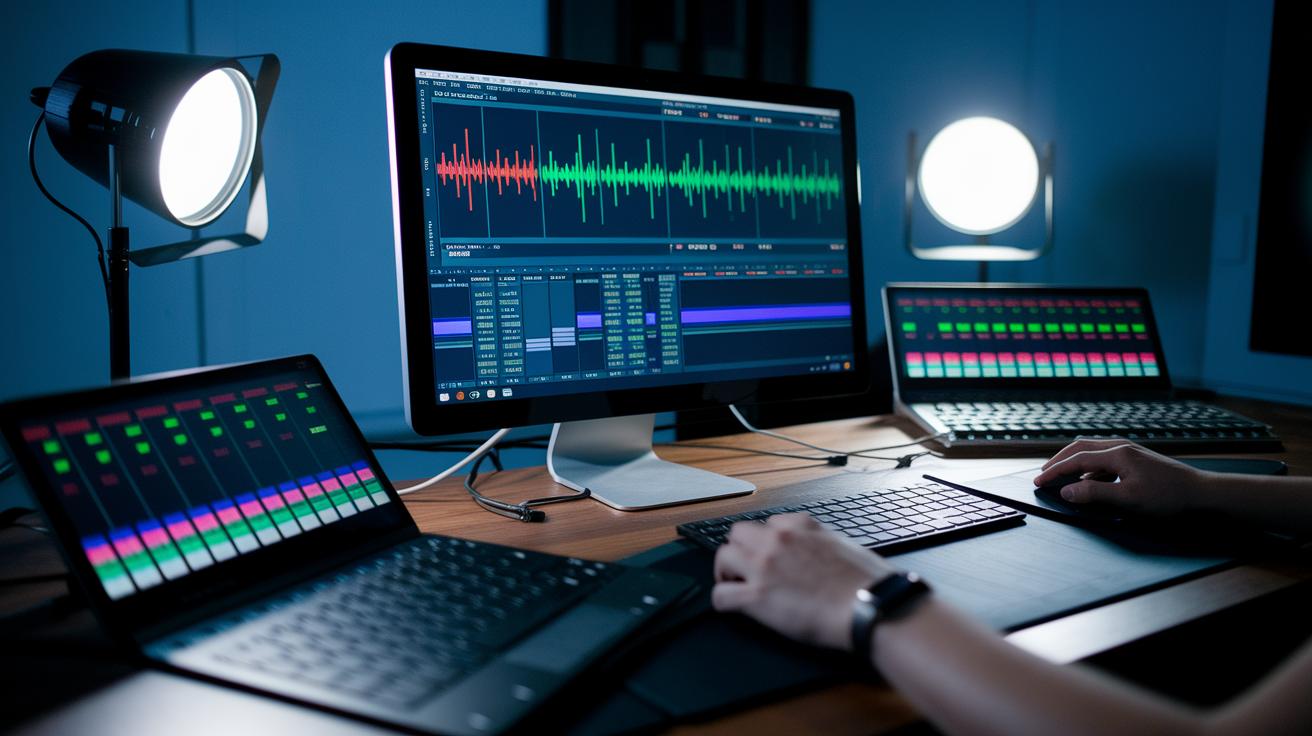
Digital Audio Workstations let you explore film scores in a very hands-on way. For example, Logic Pro X, BandLab, and Soundtrap let you load a movie and mark where the music meets key moments. Try starting by opening your film in Logic Pro X and setting cue points using SMPTE timecode (a system that syncs sound perfectly to the picture). Fun fact: before he became famous, one composer used simple digital tools to sync music with visuals, setting the stage for his unique style.
SMPTE timecode works like a built-in metronome for film editing, matching musical beats to important scenes. Along with that, royalty-free sample libraries offer a mix of orchestral and electronic sounds. These libraries let newcomers experiment with different textures and moods without needing expensive recordings.
If you want to go further, books and online courses explain the history and theories of film scoring in clear terms. They break down how film music has evolved and share simple techniques to analyze a film’s score.
- Digital Audio Workstations: Logic Pro X, BandLab, Soundtrap
- Timing tool: SMPTE timecode
- Practice materials: royalty-free sample libraries
- Learning: texts and online courses on film scoring history and theory
Final Words
In the action, this post unpacks the magic behind film scores.
We explored the basics, from distinguishing original scores and soundtracks to breaking down elements like melody, harmony, instrumentation, and thematic structure.
Case studies helped illustrate how music shapes emotion in films like Psycho and Jaws, while practical tips showed you how to track cues and align music with narrative moments.
This post serves as a beginner's guide to analyzing film scores and soundtracks, giving you the tools to enjoy movies with fresh, confident ears. Enjoy your next film with a deeper perspective!
FAQ
Where can I find beginner resources and guides for film score and soundtrack analysis?
Beginner resources include online film scoring courses, free PDFs, analysis templates, and movie scene examples that teach key concepts like motif tracking and cue synchronization for a hands-on approach.
How do you analyze a film for beginners?
Analyzing a film for beginners means watching with a focus on recurring themes, pacing, and key scenes, while noting how music and visuals support the storytelling to reveal deeper narrative layers.
How do you analyze a film score?
Analyzing a film score involves listening for recurring musical themes, noting orchestration and tempo, and mapping these elements against the film’s narrative to understand how the score enhances emotions and mood.
What’s the difference between a film score and a soundtrack?
The difference is that a film score is original music composed to match a film’s specific scenes, while a soundtrack often features a mix of pre-existing songs and thematic collections that set the overall mood.
What are the four types of film analysis?
The four types include narrative analysis, technical analysis, thematic analysis, and contextual analysis, each concentrating on story structure, production techniques, underlying messages, and cultural significance respectively.