

Have you ever wondered why the same movie might get different ratings across Canada? In Canada, each province and territory sets its own rules. One film might be fine for kids in one region while another area asks for adult supervision. This mix of guidelines can leave parents puzzled about what to expect. In this post, we explain how the ratings work and what each guideline means so you can plan your family movie nights with confidence.
canada film ratings explained: Clear insight
Canada’s film ratings system works differently depending on where you live. Instead of one national board, ratings are handled by each province and territory, 10 provinces and 3 territories in total. Each region uses one of 7 review boards to decide what content fits their local standards. This means that a film might get one rating in one province and a different one in another. For example, a movie like Kick-Ass 2 might be rated 14A in many parts of Canada, meaning kids under 14 need an adult with them, but in Alberta it was rated 18A where viewers under 18 must be supervised.
These ratings help parents pick movies that suit their families. The boards check for things like violence, strong language, and explicit scenes to decide on a rating. By giving clear guidelines, the system lets parents know what to expect so they can make smart choices about family viewing.
Canada Film Ratings: Category Definitions and Age Guidelines
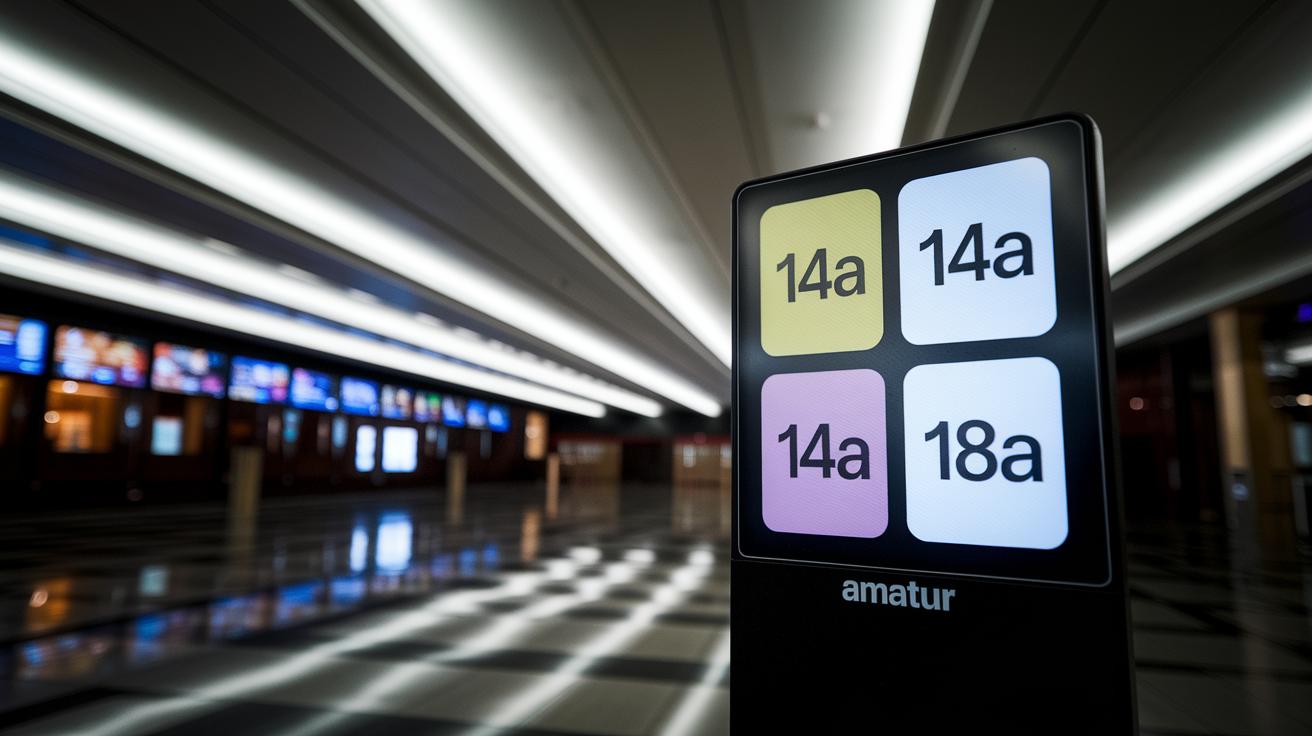
Canada uses a 14A rating when viewers under 14 need an adult on set, and 18A when anyone under 18 should have guidance. Each rating comes with clear icons and warnings that tell you if the film has strong themes or vivid scenes.
For example, a 14A film might show a small adult symbol next to a family icon, hinting that some moments may need an explanation. In contrast, an 18A movie often features extra icons to alert parents about more intense scenes, ensuring guidance fits the film’s content.
Provincial Differences in Canada Film Ratings
Across Canada, film ratings come from different regional boards that set their own rules. Each province and territory makes its own guidelines based on local values. In British Columbia, film classification has a long tradition. Since 1913, a special office has used trained professionals to study films and decide the right age ratings. Nova Scotia, on the other hand, once relied on a local citizen board during World War I. This group helped censor or break up scenes to suit early community standards.
The variety in film ratings shows how each area decides on its own rules. Below is an HTML table that highlights two key regions along with their boards and some historical notes:
| Province/Territory | Board Name | Historical Notes |
|---|---|---|
| British Columbia | BC Classification Office | Has classified films since 1913 with a team of professional classifiers for steady standards. |
| Nova Scotia | Advisory Film Board | Used a citizen board during WWI to censor or separate controversial content. |
Other regions in Canada use one of seven different boards. These teams assess films based on local criteria, resulting in different age limits and advisory notices. This means the same movie may get a different rating depending on where you watch it. It highlights the flexibility and local decision power that shape Canadian film rules.
Canada Film Ratings Compared to the U.S. System
In the U.S., one national board, the MPAA, handles film ratings so that rules are the same everywhere. This makes it easier for parents to know what to expect no matter where they are. In Canada, however, local boards set ratings, which means they can change from province to province. For instance, a movie that is rated R in the U.S. might be given a 14A or an 18A in Canada, depending on local standards and community values.
Think about a movie scene that builds tension and might need adult guidance. In America, that scene simply adds to the overall R rating. In Canada, one area might see the scene as just a 14A moment, while another might classify it as 18A. This shows how the U.S. uses one set of rules nationwide, while Canada adjusts its ratings to fit different regional tastes. The result is a flexible system that offers guidance suited to local cultural contexts.
Final Words
In the action, this post breaks down Canada’s film rating framework step by step. It highlights provincial management, explains age guidelines like 14A and 18A, and contrasts differences with the U.S. system. Short examples, such as the varied classifications for the same film, paint a clear picture. Readers get a straightforward guide that makes canada film ratings explained simple and relatable. It wraps up with a feel-good message, helping you confidently choose the right movie for your viewing needs. Enjoy your next film night!
FAQ
Canada film ratings explained reddit
The Reddit discussions on Canada film ratings explain that each province has its own board guiding age-appropriate content, meaning ratings can differ based on local decisions.
What is 14A movie rating in Canada
The 14A rating in Canada means that viewers under 14 must be watched with an adult, offering clear guidelines to parents about potentially mature themes.
How does the Canadian home video rating system work
The Canadian home video rating system applies similar age and content guidelines as theatrical films, helping families decide if a movie is suitable for home viewing.
How do movie ratings in Canada differ from those in the US
Film ratings in Canada differ from the US as Canadian ratings vary by province, while the US follows a uniform MPAA system; this means a film might be rated 14A or 18A in Canada instead of R.
How are Cineplex movie ratings determined in Canada
Cineplex movie ratings in Canada follow provincial board guidelines, displaying age advisories and content warnings that reflect local classification criteria.
What are Alberta film ratings
Alberta film ratings are set by the province’s own board, which uses local guidelines to decide age-suitability; this can lead films to be classified more strictly than in other regions.
How is BC film classification handled
BC film classification is managed by a dedicated office that has been setting guidelines since 1913, ensuring clear age recommendations and content advisories for viewers.
What are all movie ratings and their meanings in Canada
In Canada, movie ratings such as G, PG, 14A, and 18A provide guidance on content suitability and age recommendations, helping viewers decide if a film matches their comfort level.
What is the Canadian movie rating system
The Canadian movie rating system is administered provincially by separate boards, each enforcing local criteria that help inform families about appropriate film content.
What is the difference between 18A and R in Canada
In Canada, the 18A rating allows viewers under 18 to watch a movie if accompanied by an adult, whereas R typically restricts access to adults only.
What does 18A mean in Canada
The 18A rating in Canada indicates that minors may watch the film only when an adult is present, ensuring that younger viewers are supervised during mature content.
What is a C8 rating in Canada
A C8 rating in Canada signifies that the film is appropriate for children aged 8 and above, marking it safe for young audiences with age-specific content guidelines.