
Have you ever wondered if our classic films might simply vanish over time? Fading prints and scratches put our movie heritage at risk. Fortunately, film restoration repairs worn-out images and boosts the sound, giving old movies a fresh feel. At the same time, preservation protects every original detail so that history stays true. Together, these two methods help keep our favorite scenes lively and intact for future fans. This post shows how restoration and preservation work side by side to save cinema’s lasting legacy.
Fundamentals of Film Restoration vs. Preservation
Film restoration is all about fixing old movies so they look and sound as intended. Experts clean up the visuals and repair the sound, much like restoring a faded photograph to its original brightness. For instance, a technician might carefully remove scratches from a film reel, giving it a fresh look. In contrast, film preservation is focused on protecting the original film materials from further damage. It keeps the film in the same condition it has always been, not changing any part of its original form.
Preservation is crucial because it holds on to the film's true history and texture. Restoration, on the other hand, fixes worn-out or broken parts to make the film enjoyable again. Think of it like caring for a classic car: preservation keeps the original engine and design intact, while restoration removes rust and repairs missing parts. Together, they ensure that films are available for future generations while honoring the original artistry.
By working side by side, restoration and preservation safeguard our film history. Preservation saves the untouched reels, and restoration makes sure these reels can light up modern screens. This balance protects our cultural heritage, keeping both the visuals and sounds of our past accessible for years to come.
Core Techniques in Restoring Classic Film Stock
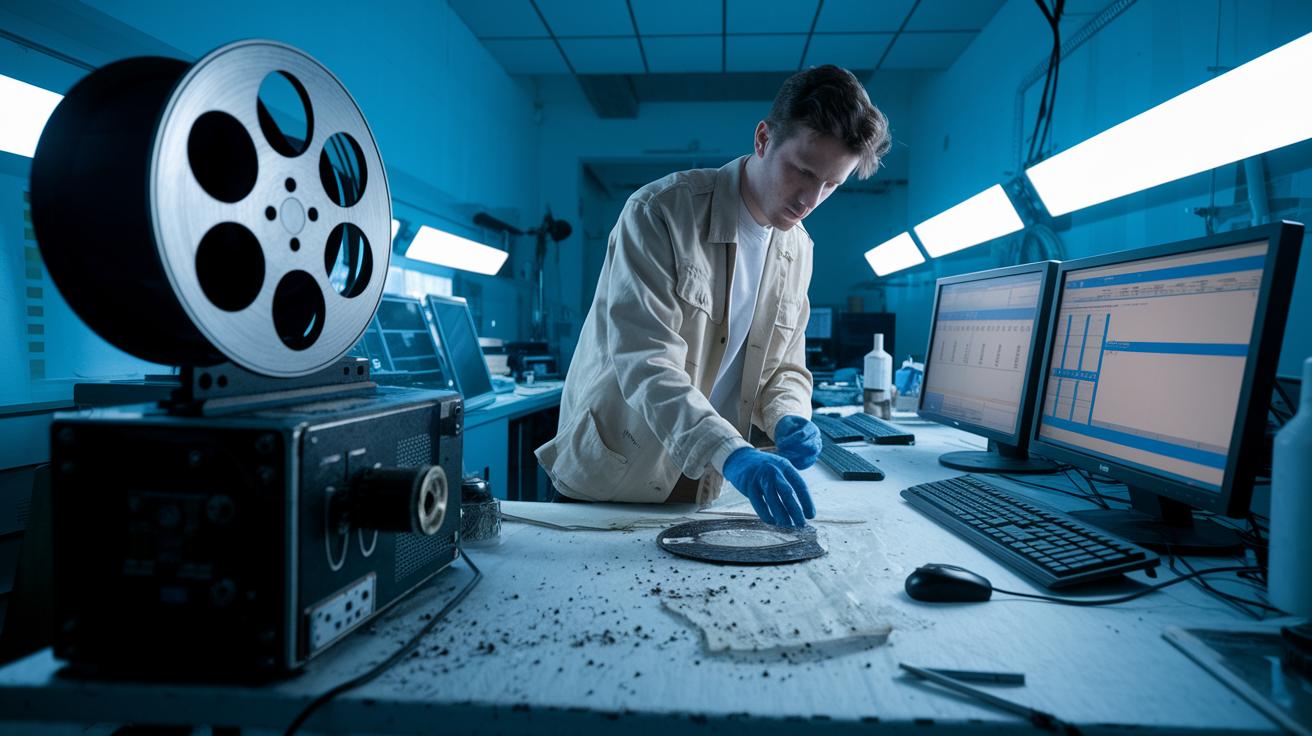
Restoring old films is a behind-the-scenes process where experts bring aged celluloid back to its former visual and sound quality. It all starts with a careful cleaning and repair to get rid of dust, scratches, and other marks. Once the film is steady, technicians scan it in high resolution to make a digital copy. This analog-to-digital conversion (turning old film into digital footage) sets the stage for extra fixes using smart software. Then, experts adjust colors and clean up the image, while they also restore the soundtrack so it sounds as clear as intended.
Each step builds on the last to recover lost details and keep the film's original style intact. New digital methods and imaging techniques let restorers fix decayed parts and bring out hidden details. The whole process blends upgraded visuals with refreshed sound to honor the film’s history while inviting today's audiences to enjoy it. The main steps in this workflow are:
| Step | Description |
|---|---|
| 1 | Cleaning and Physical Repair |
| 2 | High-Resolution Scanning (analog-to-digital conversion) |
| 3 | Digital Image Enhancement and Color Correction |
| 4 | Audio Refurbishment and Soundtrack Repair |
| 5 | Quality Control Review and Final Digital Mastering |
In short, these steps work together to restore a film to its original splendor. Using both traditional repair techniques and modern digital tools helps preserve cinematic history and makes classic films accessible for new generations.
Identifying and Combating Film Deterioration
Old films may break down in many ways that make them hard to enjoy. They can suffer from chemical changes, weather effects, or even mold, all of which can damage the film.
Poor chemical stability, swings in humidity, and shifting temperatures can cause vinegar syndrome. This is when acid builds up, giving the film a sour smell and brittle texture. Mold, which grows in damp storage, can stain and weaken the film's surface. Prolonged heat or improper storage can lead to shrinkage, making the film more vulnerable to scratches. To prevent these issues, maintenance teams run regular checks and store films in climate-controlled conditions. These careful inspections help spot early signs of damage so that technicians can take steps like deacidification (removing harmful acid) or gentle cleaning.
Keeping films safe is all about strict environmental control and routine condition checks.
Case Studies: Reviving Historic Films
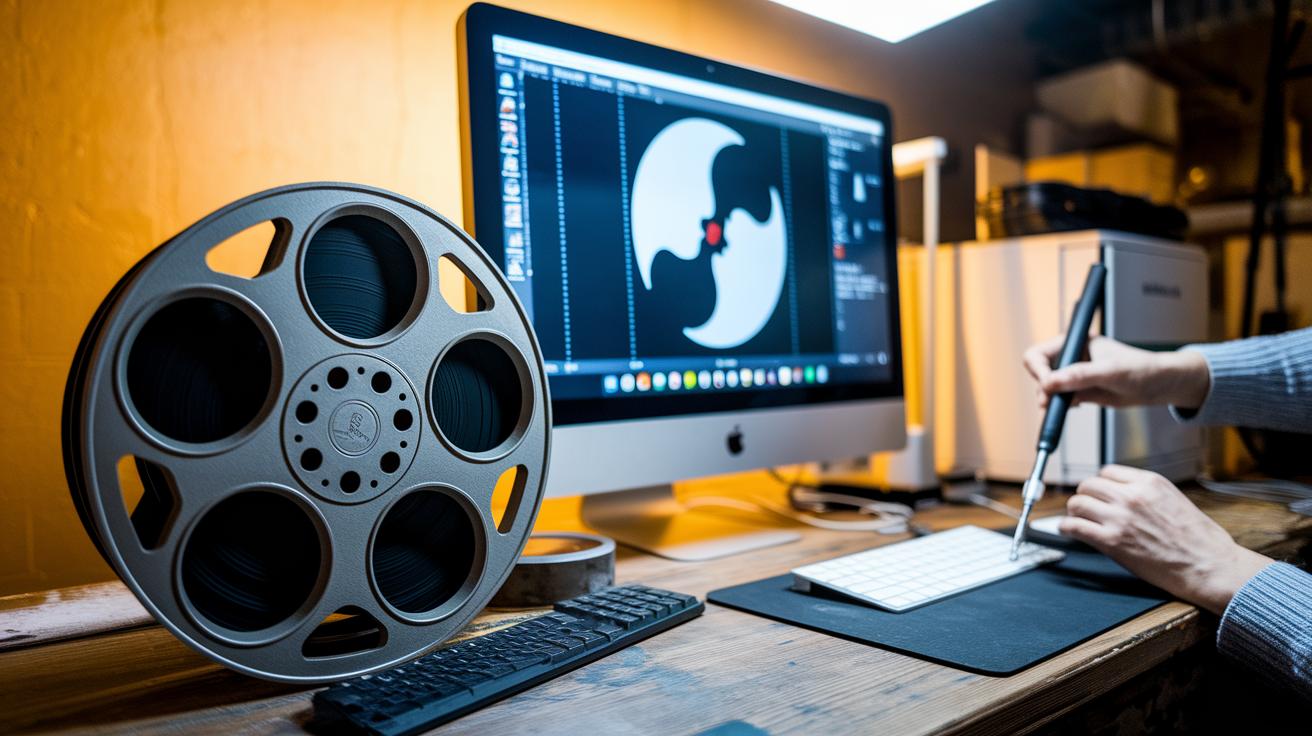
Many projects have given old films a fresh start so they won't be forgotten. One great example is The March. The National Archives fixed it up using hands-on repair methods and modern digital tools. This mix of old and new helps classic movies shine for today's viewers.
| Film | Institution | Original Release | Restoration Year | Key Methods |
|---|---|---|---|---|
| The March | National Archives | 1964 | 2017 | Surface cleaning, digital remastering, color balancing |
| Metropolis | Independent Restoration Lab | 1927 | 2010 | High-resolution scanning, scratch removal, digital reconstruction |
| Lawrence of Arabia | Film Heritage Institute | 1962 | 2021 | 4K scanning, tonal correction, audio refurbishment |
These efforts show that film preservation is more than a technical task; it is a promise to keep our cultural history alive. By blending careful repair with modern digital work, experts let us enjoy the original artistic vision of these movies once again.
Emerging Technologies Shaping Restoration
New computer tools are speeding up film restoration by cutting down on endless manual work. AI programs scan each frame and wipe away scratches and dust, keeping the fine details safe. For example, DeepClean AI erases minor damages in seconds. Systems that fix each frame also smooth out lighting and exposure differences, giving the film a better overall look. This approach saves time while keeping the film’s original charm intact despite the technical challenges of old celluloid.
Modern restoration now also uses smart color fixes and gentle robotic cleaning. Software like ColorMate Pro adjusts hues and balances tones over thousands of frames so the colors stay consistent. Meanwhile, robots carefully clean fragile film stock with precision. By mixing these innovative tools into the restoration process, experts can deliver a clearer, more authentic version that honors the history and feel of the original material.
Ethical and Cultural Dimensions of Film Restoration
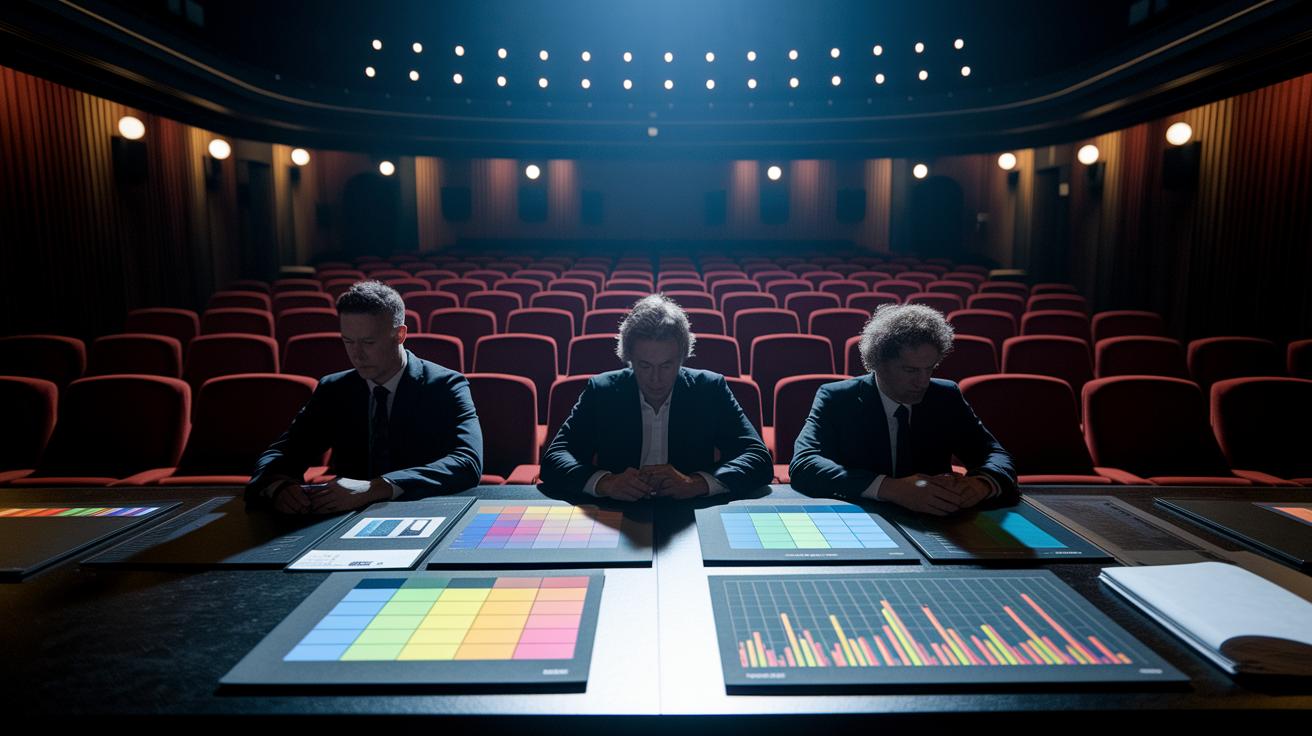
Restoration experts often face tough calls when bringing back classic films. They decide whether to reinsert lost scenes, adjust colors, or tweak the sound. These choices can either keep the film’s original spirit intact or make it feel more modern. They work hard to balance historical accuracy with what today’s viewers enjoy.
Archivists usually follow clear guidelines to ensure they don’t change too much. These rules suggest that only minor fixes are okay if they restore the film’s true colors without hiding the director’s original intent.
There is ongoing debate over more drastic changes. Some argue that cutting content or heavily reworking a film can take away from its cultural meaning. Others believe that such updates help older films connect with new audiences. In the end, ethical film restoration is a careful act of preserving history while making movies feel fresh for future viewers.
Funding, Collaboration, and Best Practices for Sustained Preservation
Film restoration needs smart, diverse funding. Government grants give steady support, while nonprofits and studios provide key resources. Volunteer groups and corporate sponsors add vital help too. These funding strategies are essential for reviving classic films. They cover both everyday maintenance and major repairs so our cultural treasures stay available.
Strong partnerships are just as important. Archives, universities, and tech companies work together, sharing their know-how to solve problems. Best practices for keeping films in great shape include:
- Regular checks to see how film stock is holding up.
- Team planning with different institutions to share resources.
- Training programs that mix old methods with new conservation software.
Good funding and teamwork go hand in hand, helping film restoration projects thrive and preserving our heritage for future generations to enjoy.
Final Words
In the action, we tracked how classic films are revived through smart restoration and preservation. The post broke down detailed repair techniques, from analog-to-digital conversion to ethical choices in editing. Real cases showed that every restoration enhances our cultural archive. Focusing on exploring film restoration: preserving cinematic history highlights how these efforts keep stories alive for future viewers. The insights invite a hopeful outlook on the continued celebration of timeless films.
FAQ
What is film preservation documentary?
The film preservation documentary explains how classic films are saved using advanced preservation and restoration methods to protect original quality and extend a film’s cultural legacy.
What is home movie film restoration?
The home movie film restoration process focuses on repairing and digitizing amateur films, ensuring personal memories are maintained in a digital format for lasting enjoyment.
What does 8K film restoration entail?
The 8K film restoration involves scanning films at ultra-high resolution, then enhancing image detail and color accuracy using modern software to achieve a crisp viewing experience.
How does Warner Bros film restoration stand out?
The Warner Bros film restoration project revives studio classics by combining traditional techniques with modern digital tools to repair, color-correct, and restore films for contemporary audiences.
What is a restoration screening room?
The restoration screening room is a venue designed to display films that have been thoroughly restored, giving viewers an experience that reflects the film’s original quality and creative vision.
How do you restore old movies?
Restoring old movies involves repairing decayed elements, scanning original materials, and digitally correcting both image and sound to revive classic films for future audiences.