

Have you ever wondered if old film reels hide undiscovered secrets? Digging through them is like finding a hidden note tucked in an antique diary. Each reel might hold a quirky gem that local theaters once loved. With just a few smart clues, movie fans can reveal treasures that big collectors often miss. This post shares five hints to help you uncover these rare finds and turn your search into a fun treasure hunt through film history.
Retro Film Reel Treasures: How to Spot Overlooked Finds
Finding lost film reels feels like going on a treasure hunt in forgotten archives. Movie fans and collectors alike search for hidden gems that once played in tiny, local theaters. It is a bit like digging through a box of old letters, where every reel holds a secret story waiting to be told. For example, one print that was only shown in a small town for decades turns up as a rare, precious relic.
There are five clues to watch for. First is distribution history, which tells you if a film had a short run or was shown only in a specific area. Second, check for format rarity by spotting unusual prints or unique physical traits. Third, look for thematic innovation when a film pushes creative boundaries. Fourth, learn about its production backstory that might include odd financing or crew tales. Finally, listen to fans and note if there is a cult following.
One good example is a 1974 drama. Made with experimental filming techniques, it was available in just one print. A collector found this misfiled reel at a local library, and its unique look soon captured the interest of underground film fans.
These clues go hand in hand with the hands-on work of exploring archives and flea markets. Dusty storage rooms and sprawling markets often hide miscatalogued or unlabeled prints, rewarding those who search with an authentic piece of film history.
Vintage Celluloid Spotlights: Historical Context for Retro Reels
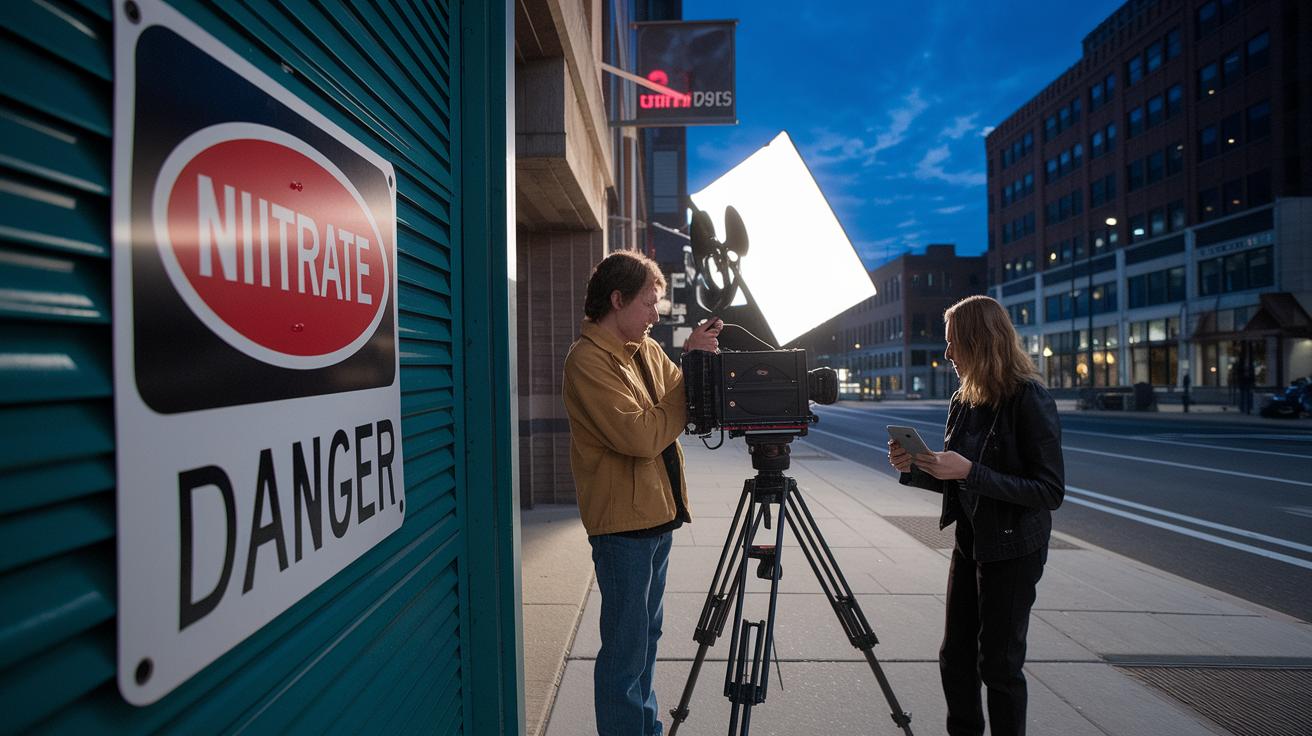
Back when movies began, filmmakers worked with a dangerous film called nitrate (known for its flammability) until they switched to a safer acetate that helped preserve films. By the early 60s, some budget filmmakers started using 16 mm film. This format captured every raw emotion on set, giving the movies a rough but powerful feel.
The social changes in the 60s and 70s pushed many people to try their own hand at filmmaking. Protest movements and the call for change sparked underground movies that tackled real issues and local stories. Directors made the best of limited resources to share urgent, personal tales that marked a big shift in culture.
Many films were lost or left forgotten because they were made outside major studios. With little chance to be widely seen or properly archived, countless movies stayed hidden for years. Today, collectors cherish these rediscovered reels as treasures from a time of bold format changes and creative freedom.
Archive Reel Recovery: Restoration Techniques for Retro Film Reels
Bringing old film reels back to life is key to keeping our film history accessible. Over time, reels can warp, shrink, or suffer from environmental wear, which hurts their quality. Fixing them carefully not only saves the artistic work but also keeps our cultural memories intact. Often, the best films are hidden inside unmarked or mislabeled cans, which means experts have to be extra careful to find every detail. For collectors and film lovers, a thoughtful restoration process connects yesterday’s art with today’s tech.
The restoration work usually follows five clear steps. First, a physical check finds warping or shrinkage, showing exactly where damage is present. Next, gentle wet-gate or ultrasonic cleaning removes dirt without damaging the film surface. In step three, technicians repair splices and fix any broken perforations so that playback is smooth. The fourth step uses high-resolution telecine or drum-scan digitization to capture every detail while moving the film to a digital format. Finally, digital color grading and archival duplication adjust the image to match the original tone perfectly.
When choosing a lab or setting up a home restoration workshop, it is important to work with experts who know every phase of the process. A good facility should be experienced in dealing with misfiled reels and have a strong track record with similar films. Precise equipment calibration and careful record-keeping are also very important.
Many restorers now keep digital files stored on high-quality formats along with traditional film stock. Investing in climate-controlled storage and regularly updating the film format will help these revived reels shine for future generations.
Rediscovered Film Artistry in Retro Reels: Top 7 Hidden Gems

Finding old films is like discovering hidden art that speaks in bold ways. We have gathered seven films made from 1967 to 1980 that show off unique storytelling and creative styles. Each film on this list offers a fresh twist, whether it is a daring one-take scene or a surprising visual flair, that breaks the usual movie rules. These titles span many genres such as mystery, drama, experimental, and Western, and they remind us how filmmakers once took big risks to show life in unexpected ways.
For those curious about the film techniques behind these gems, check out the detailed look at "Vintage Film Reels Cinematic Analysis" (https://reviewstrends.com?p=1280).
| Film Title | Year | Genre | Significance |
|---|---|---|---|
| Times of Happiness | 1969 | Drama | Innovative one-take scene |
| Desert Shadows | 1974 | Western | Rare desert location |
| Midnight Caravan | 1976 | Mystery | Early feminist protagonist |
| Silent Echoes | 1967 | Experimental | Non-linear narrative structure |
| Broken Promises | 1972 | Drama | Raw portrayal of societal norms |
| Fading Radiance | 1979 | Horror | Unsettling visual style |
| River of Secrets | 1980 | Mystery | Intricate plot twists |
These films still spark wonder today. They remind us of a time when movies were made with a bold spirit and a trust in creative risk.
Uncovered Movie Heritage: Cultural Significance of Retro Film Reels
Outtakes and raw footage offer a genuine peek into filmmaking, showing us real moments that feel spontaneous and alive. These hidden reels capture unscripted laughter and natural pauses, letting us see the true character of each performance. One clip even shows an actor laughing in the middle of a scene, perfectly highlighting the human touch missing from polished cuts. These moments remind us that movies are as much about life as they are about art.
Take, for example, a behind-the-scenes clip from a famous classic. Instead of following the script, a key scene bursts with real emotion when the lead actor reacts unexpectedly to a cue. This raw moment changed how critics saw the film, revealing subtle details and unplanned creativity that were later cut from the final version.
Finding these hidden gems drives a lot of work in film preservation and research. Fans, archivists, and restoration experts join forces to rescue these forgotten moments, building archives that help us understand legendary films and lost visual stories. Every bit of raw footage adds to our shared film heritage, inviting us to look closer at its cultural and historical impact.
Final Words
In the action, we dived into retro film reel treasures by spotting overlooked finds and unique narrative styles. We covered key factors, from distribution history to fan buzz, to help solidify your film detective work. A look back at hands-on restoration and archival recovery revealed the care needed to bring these classics back to life.
This guide encourages a fresh take on exploring hidden gems in retro film reels, leaving you ready to uncover timeless treasures. Enjoy the hunt and the charm of rediscovered cinema.
FAQ
Q: What is the 2.5 rule for movies?
A: The 2.5 rule for movies generally refers to a guideline about film length or condition used in collecting and restoration. It serves as a rough benchmark rather than a strict rule.
Q: Are old film reels worth anything?
A: The worth of old film reels depends on rarity, condition, and historical importance. Collectors prize reels that reveal early filmmaking techniques and offer a glimpse into cinema history.
Q: What are hidden things in films called?
A: Hidden things in films are called Easter eggs. They are subtle nods or secret details that filmmakers add to engage fans and enrich the viewing experience.
Q: Where was Hallmark’s Hidden Gems filmed?
A: The filming of Hallmark’s Hidden Gems took place in picturesque locations chosen for their warm, nostalgic appeal, enhancing the overall charm typical of Hallmark productions.