
Watch , 8.0/10
A film that turns a tight $7,000 budget into a mind-bending experience through bold editing choices.
• Story: Clever and thought-provoking
• Direction: Sharp and daring
• Acting: Not the main focus
• Technical Craft: Innovative cuts and transitions
Ever wonder how a movie made on just $7,000 can unfold such a complex tale? Primer’s editing grabs you right from the start with hard cuts and precise shifts that sharply mark jumps in time. Director Shane Carruth uses abrupt transitions as clear storytelling tools to push the limits of his budget. His switch from smooth fades to sudden cuts challenges you as a viewer, creating a rhythm that feels fresh and unexpected. This style proves that even with minimal resources, smart editing can surprise and engage even the most patient film lovers.
Core Editing Approach in Primer
Shane Caruth took on a lot when creating Primer Movie. He wrote, directed, edited, and composed the film, all with a tiny budget of $7,000 that went mainly to film stock. This limited funding forced him to use very precise cuts that link overlapping time travel loops. The result is a non-linear story that asks viewers to work a bit harder to follow along.
Caruth's editing feels almost surgical. Each cut is planned and marks a clear change in time using sharp, sudden transitions instead of soft dissolves. For example, during major time jump scenes, the film relies on hard cuts. This choice shows that even a small budget can push for creative editing, making each splice a turning point in the story. The rhythm is inventive, though it can sometimes leave audiences a bit disoriented.
Critics have noticed that while the film's ambition and attention to technical detail are standout, its pacing can slip into a "techno lecture" style. This feedback highlights the tough balance between clarity and complex storytelling in the film's layered timelines. Caruth’s many roles meant he took creative risks that paid off, earning a Grand Jury Prize nomination at Sundance 2004, even if some viewers felt overwhelmed by its experimental pace.
Primer’s Narrative Pace and Temporal Transitions
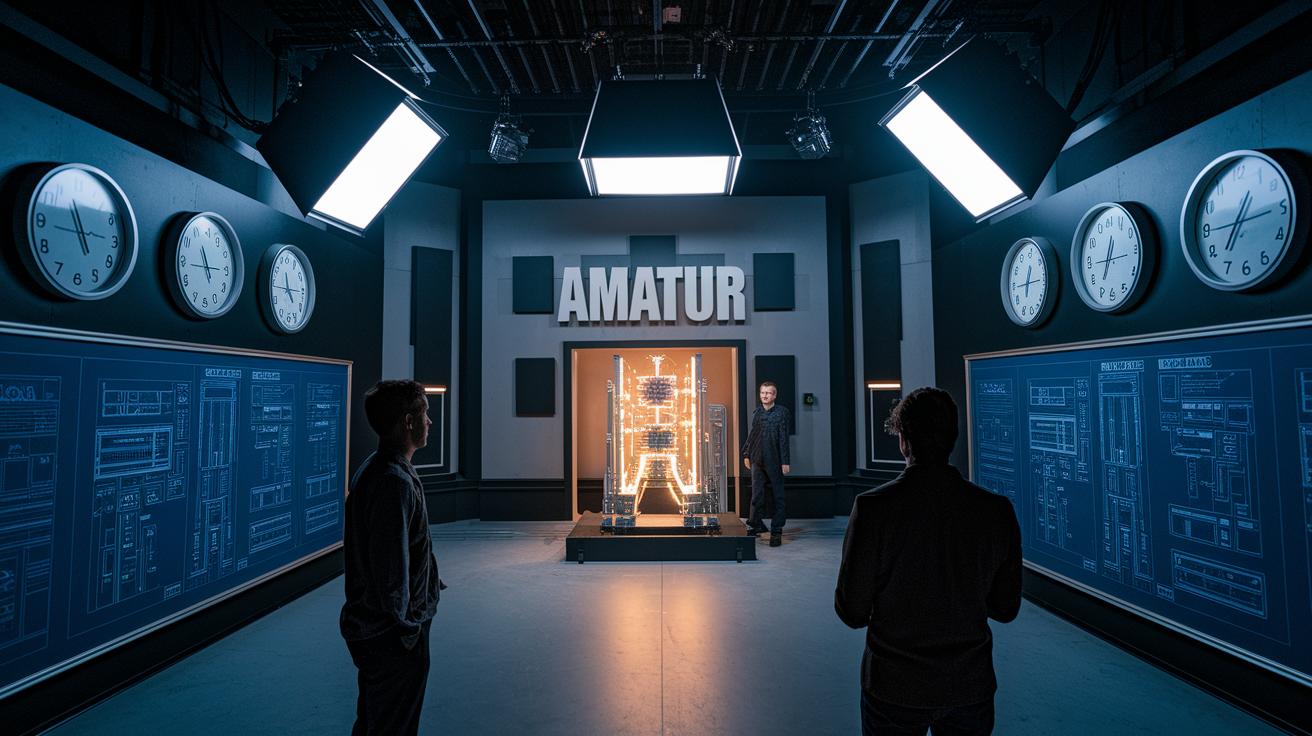
Primer uses time loops in its story, but its slow pace can challenge viewers. Critics appreciate the clever ideas but say the film feels too technical at times. Some scenes make it seem as if time has stopped, leaving you stuck with the long pauses. One reviewer even left the film before the halfway mark because of the slow rhythm. These choices come from a wish to show detailed shifts in time that demand extra attention.
Key techniques used in these transitions include:
- Abrupt jump cuts when machines start
- Straight cuts between overlapping timelines
- Very few cross-dissolves
- Quick cutaways to clocks and blueprints
Caruth’s editing favors sharp cuts over smooth blends to guide the story. Without soft dissolves, the jumps feel sudden and rough. Sound cues trigger these cuts during machine scenes, and the mix of audio and visuals can add to the uneasy feel. These rapid shifts ask viewers to piece together the timing on their own, which may leave some feeling disoriented.
Visual Rhythm and Montage Composition in Primer
Caruth uses fast cuts that feel like a heartbeat. He turns hours of lab work into a short, intense burst on screen. Tight framing and repeating actions create a strong rhythm, while the overlapping sound of machines links the shots together. In one workshop scene, nearly identical shots flash on screen, each one pushing the urgency and drawing you into the film’s playful time loops.
In these moments, Caruth’s careful eye is clear. The repeated close-ups capture the lab’s precise work, and the layered sounds add to the tempo. This style packs a lot into a few seconds and gives a quick look at the film’s complex setup. The bursts of rapid cuts and sounds drive the story forward and set a distinct, heartbeat-like pace throughout.
Low-Budget Innovations and Directorial Approach in Primer’s Editing
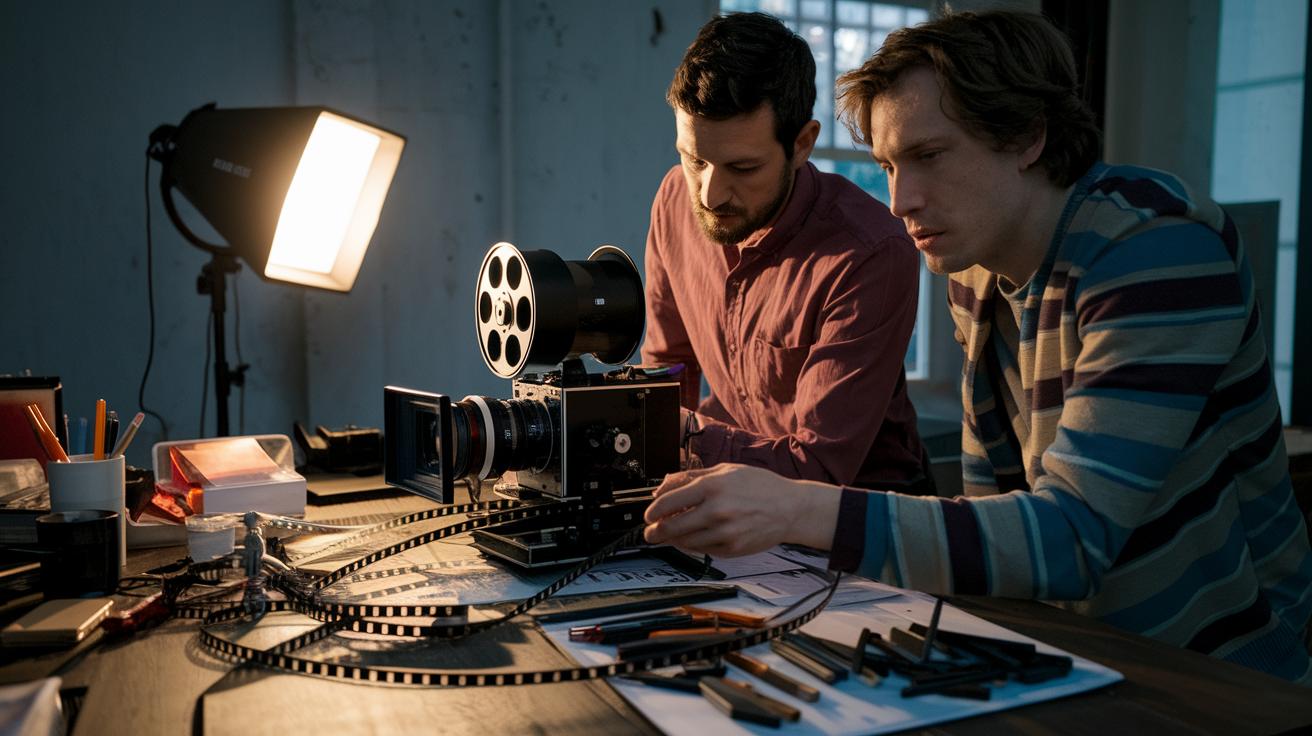
Shane Caruth worked magic on the film’s editing with a tight budget of $7,000. Nearly every dollar went to film stock, so every decision, every cut and splice, had to count. Caruth and his closest friends handled both the camera work and the manual splicing of 16mm reels, relying on simple straight cuts without any digital effects. For more details on this hands-on approach, see Film Verdict Deep Dive: Narrative and Technical Craft.
Each cut was carefully chosen to trim away any fluff. Instead of piling on effects, Caruth kept his sequences lean, which helped clarify the story even when it got complex. His practical style led him to invent clever workarounds to maintain smooth continuity. Even the non-professional camera operators captured moments that turned into key parts of the plot, showing just how creative low-budget editing can be.
The film’s raw production feels a bit like the grit of Reservoir Dogs mixed with the small-scale charm of Clerks, proving that limited funds can fuel bold choices and precise storytelling.
Primer’s Editing Compared to Reservoir Dogs and Clerks
Primer uses quick, tight cuts to surprise the viewer and build sudden tension, much like Reservoir Dogs does with its split timelines. It also takes a page from Clerks by holding longer scenes for meaningful dialogue. This mix of fast, unexpected jumps with slower, thoughtful moments creates a new kind of rhythm that feels both fresh and familiar.
Key editing techniques include:
- Quick cuts that spark energy – imagine a scene where a sudden cut shifts a heated conversation, catching you by surprise.
- Longer scenes that let every word sink in – think of a moment that allows you time to fully absorb the dialogue before moving on.
- A non-linear storytelling style that nods to Reservoir Dogs’ split order.
Each technique builds an experimental narrative that avoids repeating itself while highlighting the film’s clever editing.
Technical Breakdown of Cuts, Transitions, and Sound-Image Sync in Primer
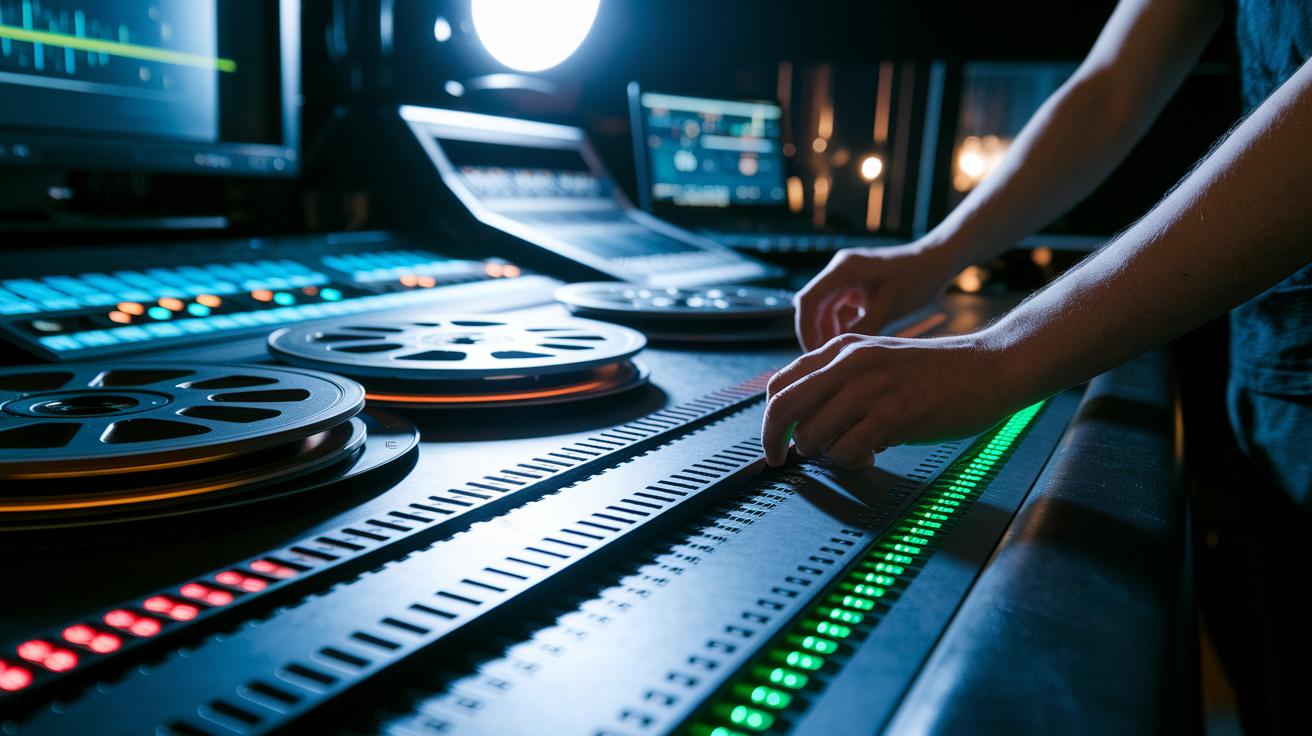
Digital review shows that most hard cuts last about 0.3 seconds, giving the sequence a lively, energetic feel. In contrast, the few cross-dissolves stretch to roughly 1.2 seconds, offering a gentler change between scenes. For example, when a machine starts up, a sound cue marks a 0.95-second splice that shifts the timeline instantly.
Further analysis finds that manual splicing on 16mm film can cause the audio to drift by up to 0.2 seconds, making it a challenge to keep sound and image perfectly in step.
In one machine activation scene, sound cues do more than just match the visuals; they set the exact timing for jump cuts. As the machine’s hum builds, a jump cut occurs just under a second later, briefly disorienting the viewer and adding a dynamic punch to the scene.
Final Words
In the action, we traced Primer’s dynamic editing through Shane Caruth’s dual role as editor-composer and low-budget innovator. The discussion broke down precise cuts, tight transitions, and the unique handling of overlapping timelines. It highlighted the film’s non-linear structure, showcasing how simple techniques create complex storytelling. The breakdown clearly shows that every detail serves the cinematic narrative. This primer movie editing style review brings clarity to the technical craft behind this cult classic and leaves us with a positive nod to creative filmmaking.
FAQ
What does the Primer movie editing style review from Reddit indicate?
The Reddit reviews of Primer show a focus on its overlapping time loops and manual editing style, highlighting both its creative ambition and its challenging technical pacing.
How do editorial essays review Primer’s movie editing style?
Editorial essays note that Primer’s editing, handled by Shane Caruth, blends precision cuts with a low-budget approach, resulting in innovative, if sometimes perplexing, time-loop sequences.
What are common opinions on Primer movie reviews on Reddit?
Reddit users appreciate Primer’s experimental narrative and low-budget ingenuity, though many mention that its technical “lecture” style pacing can be off-putting for casual viewers.
Is Primer worth watching?
Primer is considered worth watching if you enjoy hard sci-fi puzzles and experimental storytelling; its mix of low-budget craftsmanship and complex structure will appeal to thoughtful cinephiles.
Where can I watch Primer?
Primer is available on select streaming platforms and may require rental or purchase online; be sure to check your favorite service for current availability.
What does the Primer film trailer reveal about its editing style?
The Primer trailer highlights the film’s non-linear narrative and vivid time-loop visuals, offering a taste of its distinctive, low-budget editing and experimental structure.
What is the age rating for Primer?
Primer carries an age rating that typically suggests adult viewers, reflecting its intricate themes and technical narrative content; checking local guidelines can provide more detail.
Is Primer difficult to understand?
Primer is often seen as challenging because its overlapping time loops and precise cuts create a complex narrative that demands active, careful viewing.
Is Primer a low-budget movie?
Primer is known as a low-budget movie, produced for just $7,000; its inventive editing and manual splicing techniques emerged from its financial constraints.
What is the paradox in Primer?
The paradox in Primer revolves around its time-loop narrative that introduces self-referential contradictions, compelling viewers to piece together its intricately layered timeline.
Is Primer hard sci-fi?
Primer fits into the hard sci-fi genre with its focus on realistic scientific principles, complex time travel, and a minimalist editing approach that emphasizes its experimental storytelling.
How does Primer compare to films like Coherence, The Fountain, Predestination, Triangle, and Timecrimes?
Primer shares similarities with films like Coherence and Predestination through its complex narrative and time-loop elements, offering a puzzle-like experience that attracts fans of challenging sci-fi.