
Ever wonder why black and white films still captivate us? Movies like Casablanca and Psycho invite us into a world where clear storytelling and thoughtful visuals create a special kind of magic. The strong writing, real emotion, and genuine performances show that a solid script and heartfelt acting outshine modern, flashy effects every time. In this post, you'll find a list of game-changing classics that remind us true artistry comes from honest emotion and creative vision.
Must-See Classic Black and White Movies: Essential List
If you love movies, you know there’s something magical about classic black and white films. These movies show us a time when strong storytelling and creative visuals ruled the screen. Each film on this list changed the way we watch movies. They remind us that even in today’s era of flashy special effects, a great script, smart camera work, and real emotion never go out of style.
- The General (1926)
- Metropolis (1927)
- It Happened One Night (1933)
- Casablanca (1942)
- Double Indemnity (1944)
- It’s a Wonderful Life (1946)
- High Noon (1952)
- All About Eve (1950)
- The Third Man (1949)
- Psycho (1960)
This list gathers movies that set the standard in filmmaking. Their lasting appeal shows that a good story and heartfelt performances still capture audiences, no matter how much technology changes.
Evolution of Classic Black and White Movies: From Silent Silhouettes to Golden Era Screens
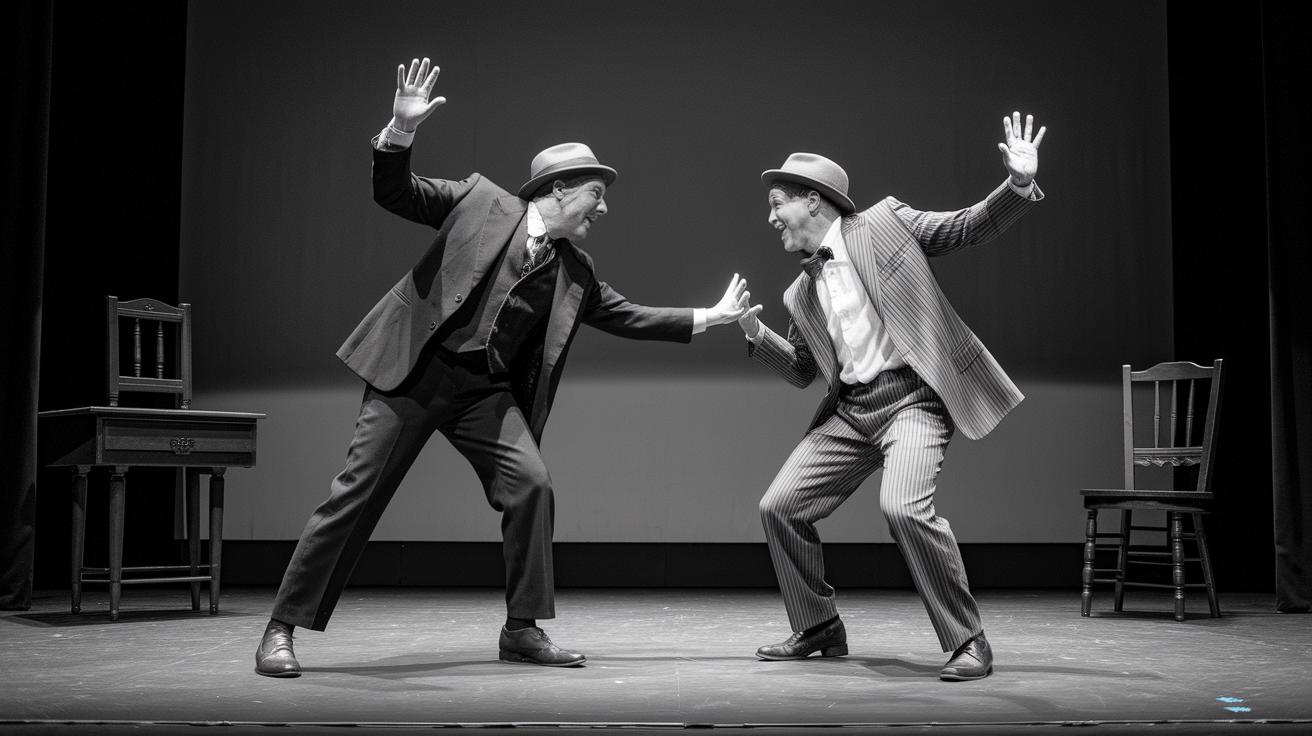
Classic films changed how stories were told on screen. In the early days, movies relied on physical comedy and clever visuals to entertain. Silent films like The General (1926) proved that funny actions and smart tricks could carry a story without a single word. When sound came into play, films started exploring deeper and more detailed stories. In the 1930s, directors mixed humor with warmth to create memorable characters. The 1940s saw movies balance romance with wartime drama, showing that black and white could look both elegant and real. By the 1950s, films like On the Waterfront turned their focus to everyday challenges and moral choices, using sharp contrasts to boost the drama. This change not only highlights new film techniques but also adds richer layers to themes and characters.
| Decade | Landmark Film | Director |
|---|---|---|
| 1920s | The General (1926) | Buster Keaton |
| 1930s | It Happened One Night (1933) | Frank Capra |
| 1940s | Casablanca (1942) | Michael Curtiz |
| 1950s | On the Waterfront (1954) | Elia Kazan |
This timeline shows a clear shift from silent visuals to sound-enhanced storytelling. Pioneering directors pushed the limits with fresh techniques and bold ideas. The journey from simple physical humor to thoughtful social insights explains how classic black and white movies continue to influence modern cinema, giving us a peek into a time when creative risks were as daring as the images on screen.
Iconic Directors and Legendary Screen Icons of Classic Black and White Movies
Classic cinema began with bold directors who defined its visual style. Hitchcock built suspense in Psycho and Notorious with smart camera angles and moments of quiet tension. Wilder revealed hidden angles of Hollywood in Sunset Boulevard and The Apartment using sharp wit and daring storytelling. Lang broke new ground with Metropolis by crafting striking visuals, while Kazan tackled social issues in On the Waterfront. Ford captured the American spirit in The Grapes of Wrath. Each filmmaker pushed creative limits and paved the way for future generations.
Screen icons also brought these fresh visions to life. In Casablanca, Bogart exuded a cool charm mixed with deep emotion. Stewart, the star of It’s a Wonderful Life, combined vulnerability with sincere appeal. Keaton in The General mastered physical comedy with timing that still shapes humor today. Stanwyck in Double Indemnity showcased resilience in the face of danger, and Cooper in High Noon set a high standard for heroic performances.
Together, these directors and actors shaped an era where every frame told a story. Their work continues to inspire modern filmmakers with clear storytelling and memorable characters. With clever use of light and composition, simple scenes turned into unforgettable cinematic moments that still captivate audiences. This period of creative risk-taking remains a cornerstone in film history, proving that the magic of classic cinema endures and continues to encourage both new filmmakers and devoted fans.
Cinematic Shadow Dynamics in Classic Black and White Movies
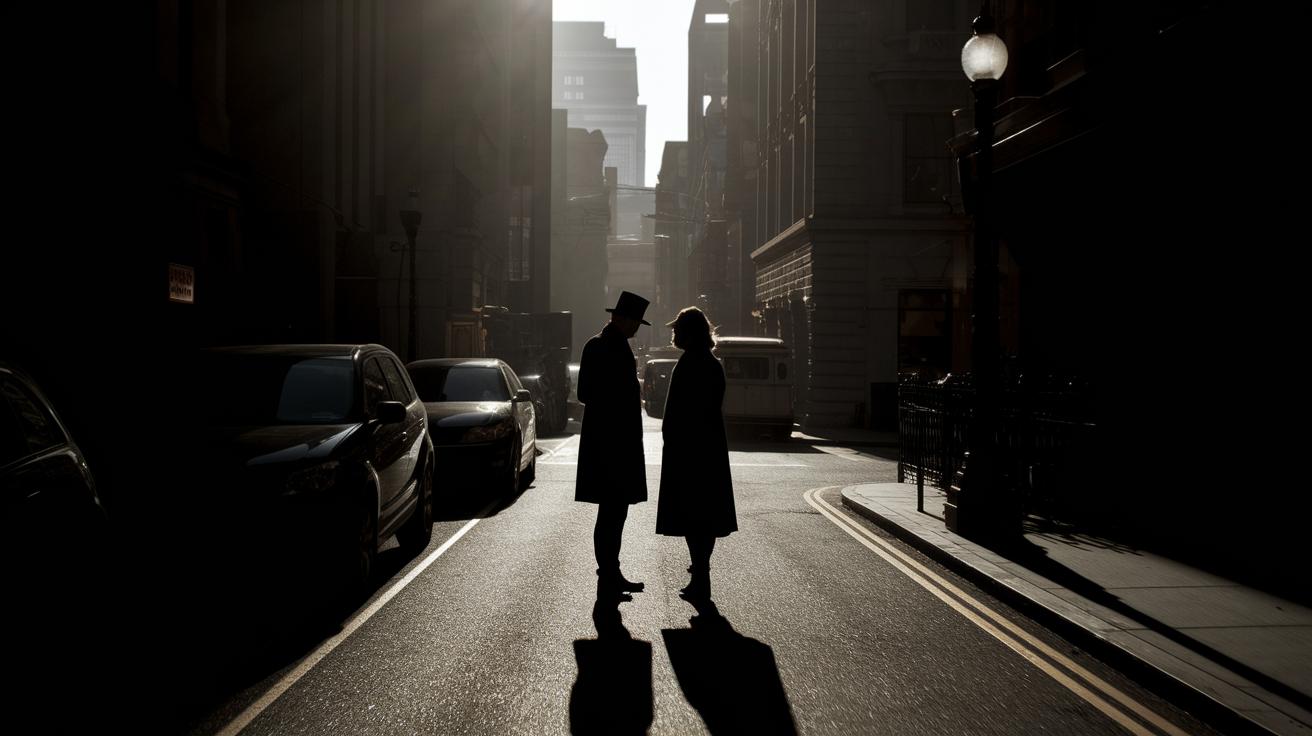
Classic films use a striking kind of lighting called German expressionist lighting to create eerie, almost dreamlike scenes. In The Night of the Hunter, shadows dance across faces to show inner struggles and hint at danger. It’s like watching a painter add bold strokes of light onto a dark canvas.
Film noir relies on low lighting to build mystery and tension. In The Maltese Falcon, gentle beams of light form crisp silhouettes and deep contrasts. Each flash reveals hidden details, making it feel as though shadows are telling their own story.
Metropolis stands out with its smart use of set design. Every shadow and line in a frame works like a clue, similar to positions on a chessboard that hint at a hidden strategy. This careful arrangement directs the viewer’s eye and deepens the narrative.
Double Indemnity shows off the era’s skill in using strong contrasts. The mix of enveloping shadows with sharp light brings dramatic moments into focus, adding suspense and emotion. Even today, filmmakers admire this classic technique for the subtle artistic power it offers.
Cultural Impact and Historical Significance of Classic Black and White Movies
Classic black and white films changed the way we see movies and sparked important talks about society. Films like On the Waterfront (1954) pointed out union corruption in a raw and honest way, while It’s a Wonderful Life (1946) has become a beloved holiday favorite that fills viewers with nostalgia and hope. Casablanca (1942) remains unforgettable because of its charming characters and timeless romance. These movies make up about one third of our film collection and even account for 40% of a major institute's top 100 American movies. They are perfect examples of old-school storytelling that uses deep emotion and simple visuals.
Back then, clear stories and striking images took center stage. These films used light, shadow, and dialogue, not fancy special effects, to draw people in and let them connect with the characters. This era not only shaped how we understand movies today but also reflected the big social issues of its time. For more insight on how these classic reels still influence our culture, check out the guide to culturally impactful films.
Streaming and Restoring Classic Black and White Movies Today
Watch , 8.5/10
A look at how streaming and digital remasters breathe new life into beloved classics.
- Story: Timeless narratives that still speak today
- Direction: Clear efforts to preserve original vision
- Acting: Iconic performances that remain unforgettable
- Technical Craft: Stunning 4K remasters showcase every detail
Streaming services now make it easier than ever to watch classic black and white films. A recent Netflix list features 12 beloved titles that have inspired viewers for generations. Whether it’s revisiting treasures like Casablanca or checking out the suspense of Psycho, audiences can enjoy both legendary hits and hidden gems.
Restoration projects have taken century-old prints and upgraded them to high definition. Detailed 4K remasters capture the original style and mood, ensuring that the charm of these films stays intact. This blend of modern streaming convenience with careful digital restoration gives everyone a chance to experience timeless storytelling in crisp, new quality.
Final Words
In the action, this post broke down a must-see list, explored the evolution of classic black and white movies, and spotlighted the artistry of iconic directors and unforgettable screen legends.
We looked at the clever lighting tricks and visual techniques that set these films apart.
The cultural significance and modern streaming options show that these films still connect with audiences today.
This guide makes picking a film simple, embrace the magic of classic black and white movies and enjoy a timeless viewing experience.
FAQ
What are the best black and white movies from the 1940s?
The best black and white movies from the 1940s include titles like Casablanca (1942), Double Indemnity (1944), and It’s a Wonderful Life (1946). They showcase the period’s distinctive style and storytelling techniques.
What are the top ten classic black and white movies of all time?
The top ten classic black and white movies are The General (1926), Metropolis (1927), It Happened One Night (1933), Casablanca (1942), Double Indemnity (1944), It’s a Wonderful Life (1946), High Noon (1952), All About Eve (1950), The Third Man (1949), and Psycho (1960).
Which classic black and white movies are available on Netflix?
The classic black and white movies available on Netflix change over time. Netflix often features curated retro collections that include both well-known hits and hidden gems from the era.
What are some classic black and white horror movies?
The classic black and white horror movies offer eerie atmospheres and inventive techniques. Early examples like Nosferatu (1922) set the stage for creepy visuals and suspenseful storytelling in horror cinema.
Where can I find a comprehensive list of black and white movies?
A comprehensive list of black and white movies can be found on film review websites and specialized databases. These lists cover diverse eras and genres, helping viewers explore influential cinematic classics.
What classic black and white movies are suitable for kids?
Classic black and white movies for kids include gentle animated shorts and family-friendly adventures that offer simple stories and early cinematic charm, making them accessible and engaging for younger audiences.
What classic black and white movies feature romance?
Classic romantic films in black and white, such as Casablanca and It’s a Wonderful Life, deliver timeless stories full of charm and emotion, offering heartfelt narratives that continue to captivate viewers.
What is a good old black and white movie to watch?
A good old black and white movie like Casablanca offers iconic performances, memorable dialogue, and enduring style, making it an ideal pick for viewers seeking both entertainment and a taste of film history.
What are the top 50 classic movies of all time?
The top 50 classic movies of all time differ based on taste and critics’ rankings. Many film databases and curated lists provide extensive rankings that highlight influential, culturally significant films from various eras.