
Ever wondered how a movie can twist time into a puzzle? In Primer, the scenes mix up the order, making you work to connect each hidden clue. The film drops subtle hints in both dialogue and visuals that keep you on your toes. Here, we explore how its unique approach to storytelling challenges the way you see time.
Primer’s Narrative Complexity Unpacked
Primer plays with time and layers its story in unusual ways. The film jumbles events so that scenes seem to collide, challenging you to piece together its puzzle-like flow.
One clever trick it uses is intellectual montage, where random images and moments are strung together to mirror the chaos of time travel. One minute you see calm, everyday life, and the next you’re hit with sudden bursts of time shifts. This keeps you guessing and deepens the film’s mysterious pull.
The film mixes multiple timelines that blur flash-forwards, flashbacks, and uncertain events. Scenes arrive out of order, making you constantly rethink the sequence of events. This technique not only builds suspense but also reflects the unpredictable nature of time travel.
Small hints hide in the dialogue, props, and even the shaky narration. A heated chat about the failsafe machine, for instance, twists the story in a fresh way and adds to the uncertainty. These details invite you to read between the lines. For more on these techniques, check out our film verdict deep dive on narrative and technical craft at https://reviewstrends.com?p=1198.
Mapping Primer’s Nonlinear Time-Travel Mechanics
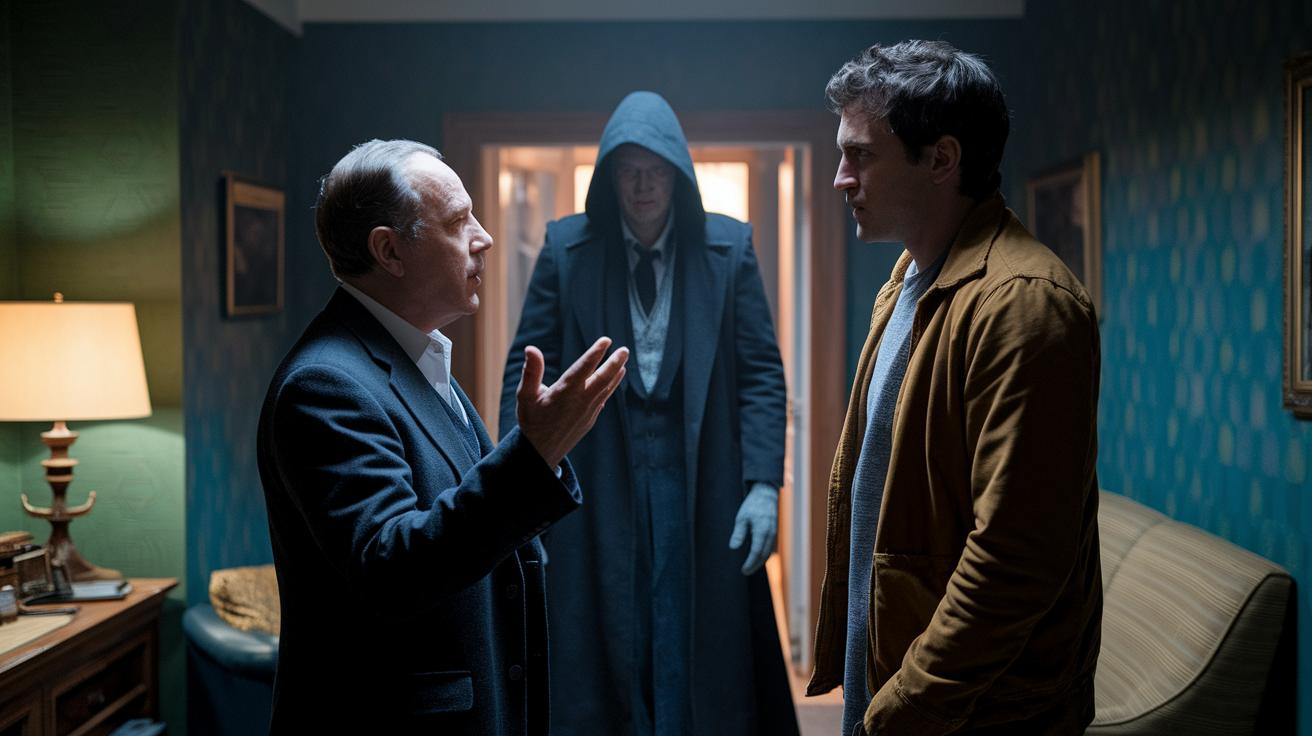
In Primer, the failsafe mechanism acts as a turning point that shows off the film’s tricky take on time travel. It starts with Abe and Aaron in a heated debate when an unexpected traveler pops up, shaking the whole scene. Their frantic effort to block time paradoxes highlights the risky side of jumping through time, and the film deliberately leaves clear answers out of the mix.
| Loop Identifier | Key Event | Narrative Impact |
|---|---|---|
| Original Loop | Aaron’s first jump | Introduces the idea |
| Failsafe Loop | The debate and traveler | Adds mystery |
| Storage Loop | Abe sets up a new device | Broadens the timeline |
| Resolution Loop | The final confrontation | Brings things together |
Abe’s storage-unit scene stands out because it shows so much with so little. Alone in a quiet moment, he rigs a new time travel device while offering just a few basic survival tips in voice-over. This sparse explanation pushes viewers to connect the scene with earlier clues, deepening the sense of mystery. The film’s choice to hold back on details makes every tiny moment count.
By leaving out key explanations, Primer makes you an active participant in piecing together its timeline. Every small hint matters, turning watching into a fun detective game. When details are missing, it sparks even more curiosity, inviting you to reflect on every gap. Time is everything here.
Untangling Primer’s Layered Storyline Structure
Many timeline ideas try to explain Primer’s layered story. Experts have come up with at least five models that sort out the original events from the later revisions. Each model gives some clarity but still leaves plenty of room for debate.
A closer look shows that each theory has its ups and downs. Some say the film leaves out clear clues, which makes it hard to tell flash-forwards from flashbacks. Others point out mix-ups like Second Aaron’s odd narration. Even though each interpretation highlights the film’s careful design, none of them clear up all the timeline puzzles.
The characters in Primer also change in ways that add to the film’s message. They go from curious experimenters to people struggling with inner conflicts. Their journey shows the push and pull between past choices and future outcomes. By marking these shifts, the movie invites viewers to dive deep into its story and make up their own minds about what really happened.
Themes and Symbolism in Primer’s Narrative Complexity

Primer looks at tough ethical issues and big questions about time travel. The film follows characters who tinker with time and face serious moral challenges. Their choices make us wonder how cause and effect work and whether we really control our destinies. At the same time, the story hints at personal redemption and shows the high cost of trying to change fate.
The failsafe machine is a strong symbol in the film. It appears in a clear yet mysterious way, making you think about the fine line between order and chaos. The device stands for both hope and risk. Its simple, low-key role pushes viewers to mull over the unexpected results that come from messing with time.
Primer uses an open style that leaves many questions unanswered. Every vague moment gives you something to ponder and discuss. As the characters change from curious experimenters to burdened individuals, the film asks if these shifts are bound to happen once moral limits are overstepped. This controlled ambiguity challenges us to rethink time and personal choices, sparking endless interpretations and lively talks among viewers.
Comparative Analysis: Primer Among Complex Sci-Fi Narratives
Primer (2004) is not like your typical non-linear sci-fi film. It holds back on clear markers and detailed explanations, which means you may need to work a little harder to follow the timeline. This minimal approach can be frustrating for some viewers but is also a part of its unique charm for fans who enjoy puzzles.
Memento (2000) takes a different route by including visible date stamps, which help guide you through its reverse timeline. This makes Memento a bit easier to follow, even though it still challenges you in its own way. Donnie Darko (2001) also gives you hints through strange visuals and well-timed voiceover cues. These clear signposts help direct the narrative along its dark and twisting path.
In essence, Primer’s sparse storytelling forces you to fill in the gaps on your own. Its open style makes it a special pick for dedicated fans of indie sci-fi who like to think about theories and hidden meanings as they watch. For more basic film information, you can check out the details on the primer movie.
Final Words
In the action, we dove into Primer's intricate play with time and narrative, spotlighting its daring failsafe sequence and subtle visual cues. The analysis broke down how shifting timelines and intellectual montage push viewers to think hard. We compared these techniques to films like Memento and Donnie Darko, emphasizing how minimal guidance sparks active debate. This primer movie narrative complexity analysis shines a light on a film that rewards careful viewing and invites further exploration. Its inventive structure leaves us excited for fresh storytelling challenges ahead.
FAQ
How is Primer’s narrative complexity analyzed on Reddit?
The Reddit discussions explain that Primer’s nonlinear storytelling and ambiguous timelines challenge viewers, sparking various theories about the film’s intricate narrative structure.
How is Primer explained?
Primer is explained as a film that blends time travel with an intricate, non-chronological story, leaving subtle clues in dialogue and visuals that require active interpretation.
How does Primer handle physics topics?
Primer tackles physics by integrating real scientific concepts with time travel mechanics, prompting viewers to question cause and effect within its confusing timeline.
How does a Primer movie flowchart help understanding?
A Primer movie flowchart simplifies the film’s multiple timelines and looping sequences, offering a visual guide to follow key narrative shifts and moments of temporal change.
Is Primer (2004) hard to understand?
Primer is hard to understand because its minimalist exposition and non-linear structure force viewers to piece together the timeline and grasp its complex time travel logic.
What is the paradox in Primer?
The paradox in Primer comes from its time travel elements, where actions ripple back to alter events, creating loops that challenge conventional cause-and-effect relationships.
What is the narrative structure of a film analysis?
The narrative structure in film analysis involves breaking down the order of events, examining timeline shifts, and exploring how techniques like intellectual montage reveal deeper meanings.
Who is Shane Carruth in relation to Primer?
Shane Carruth is the director, writer, and lead actor of Primer, whose innovative vision and experimental storytelling have made the film a cult classic for its complex narrative style.
What about the cast of Primer film?
The cast of Primer is notably small and obscure, with Shane Carruth at the forefront, emphasizing a low-budget, experimental approach that complements the film’s intricate narrative.
Are actors like Daniel Radcliffe and Mary Elizabeth Winstead in Primer?
Daniel Radcliffe and Mary Elizabeth Winstead are not part of Primer; the film features a limited cast focused on delivering its experimental, low-budget take on time travel.