
Ever wonder if Primer is meant to confuse more than entertain? The film throws you into maze-like time loops and heavy tech lingo that can seem overwhelming from the start. Imagine if someone broke it down into clear, one-sentence insights that cover the plot, the characters, and that infamous time travel gadget. Stick around and see how a straightforward explanation can clear up the fog, making the movie feel as refreshing as a burst of sunlight on a cloudy day.
Essential Answers to Your Primer Movie FAQs
Primer throws you into a maze of high-tech talk and baffling time loops. This FAQ guide breaks down the film’s trickier moments into clear, one-sentence answers so you can keep pace without any spoilers.
Knowing these basics makes the movie easier to follow, even if you’re not a tech expert. Here are the key points:
-
What is Primer’s basic premise?
Two engineers accidentally build a time travel device and must deal with unexpected fallout. -
Who are the main characters and who directed the film?
The story centers on Abe and Aaron, while Shane Carruth directed, wrote, composed, and even financed the film. -
How does the time travel device operate?
The machine rewinds time from when it turns on until it shuts down, meaning travelers must ride the full loop. -
What purpose does the failsafe serve?
Abe’s failsafe is meant to undo bad events, though Aaron secretly creates an earlier version for his own control. -
Why is the narrative intentionally confusing?
The film’s complex style reflects the trial-and-error of real engineering, inviting viewers to piece together its layered timeline. -
What does the title mean?
It hints at the characters’ first lessons in time travel and their naive dive into scientific discovery.
Primer is a smart, challenging sci-fi that rewards viewers who love decoding puzzles and debating big ideas.
Cinematic Synopsis & Time Travel Mechanics in Primer
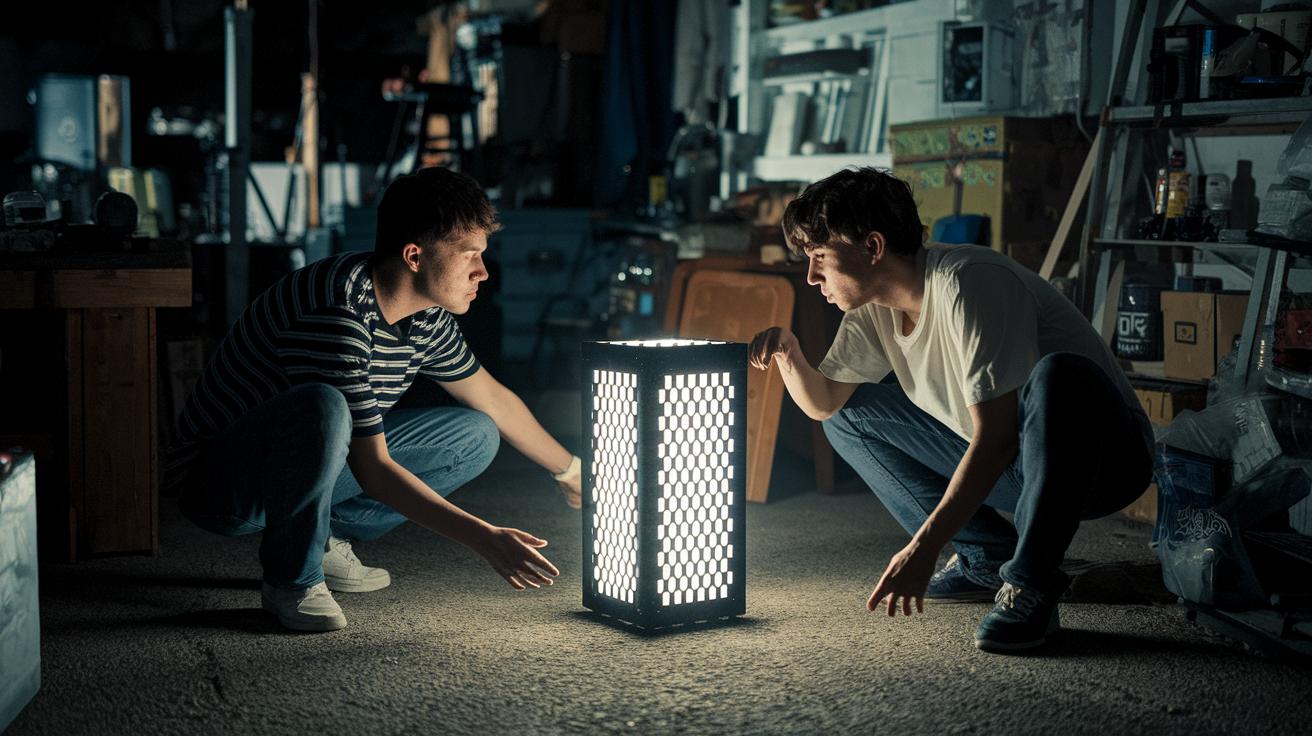
Abe and Aaron accidentally find time travel when they power up a strange box in their garage and step inside after hours. Their first tries quickly move from simple tests to dangerous moves, like using it for stock trades that result in legal trouble and even a coma after a wild party.
How the Primer Time Machine Operates
The film shows that the box turns back time exactly to when it was first activated. For example, if the machine is started at 8 AM and someone gets in at 8 PM, they need to stay inside for 12 full hours to exit at 8 AM. This rule of staying the entire time is key to every experiment they perform.
Advanced experiments reveal that the box can only rewind time by one day. Every cycle has a clear start and finish, making every second count while creating an unpredictable ripple effect in time.
Role of the Failsafe Device
Abe creates a failsafe machine to fix mistakes and reverse bad outcomes. Meanwhile, Aaron secretly builds an even earlier "master failsafe" to seize control of the timeline. These interconnected devices highlight how smart tech choices and secret plans raise the stakes and build tension in the film.
Behind the Scenes: Primer’s Production on a Shoestring Budget
Primer stands out as a film made with a very small budget. With just $7,000 of self-financed money, the team built a sci-fi thriller that feels real and fresh. Shane Carruth took on many roles as writer, director, lead actor, composer, and co-editor. Over 2002 and 2003, a crew of only five wore many hats to bring the story to life. The filmmakers relied on simple lighting, homemade camera rigs, and real settings like a garage and an office. Instead of many flashy effects, the film used honest engineering dialogue and handheld shots to show everyday moments behind complex ideas. Even with its budget limits, Primer created buzz on the festival circuit. Its resourceful methods and raw storytelling prove that creative vision can shine when funds are tight.
Director’s Vision & Primer’s Original Screenplay Craft

Engineering Roots in Creative Vision
Shane Carruth uses his engineering experience to give Primer a unique edge. Instead of long, heavy narration, the film relies on natural dialogue that mirrors real problem-solving. For example, when a character casually says, "We need to recalibrate the circuit," it sounds just like a chat in an actual workshop. This steady approach, built on trial and error, makes every conversation feel like a clue waiting for you to piece together.
Screenplay Structure and Revision Process
Primer’s script was rewritten many times to sharpen its hints and layered dialogue. Carruth and his team mixed up timeframes, blurring the lines between past and present. A line like "Time repeats itself now" makes you wonder about the order of events instead of giving clear answers. This careful rewriting invites viewers to actively figure out the puzzle, building tension and rewarding those who like to dive into the film’s clever design.
Deconstructing the Time Loops and Paradoxes in Primer
Primer turns our usual idea of time upside down. The film plays with puzzles like the Bootstrap Paradox (when objects or information loop without a clear start) and Causality Loops, where Abe and Aaron’s actions overlap and mix up the timeline. Every twist makes you think about how one choice can change everything. There’s also a striking twist called the Master Failsafe, where Aaron’s early reset quietly takes charge of what comes next. And with the appearance of Multiple Selves, different versions of the same character, the tension and mystery grow even more.
| Paradox | Description |
|---|---|
| Bootstrap Paradox | When objects or information loop back with no clear starting point. |
| Causality Loop | Abe and Aaron’s repeated changes create overlapping timelines. |
| Master Failsafe | Aaron’s early reset quietly controls the future. |
| Multiple Selves | Different versions of characters appear, leading to mixed outcomes. |
These looping ideas make Primer a true puzzle. You have to pay close attention and sometimes watch it more than once. The film rewards careful viewers by revealing little details that change the whole picture, keeping you intrigued long after the credits roll.
Interpreting Primer’s Ending: Cryptic Finale Explained
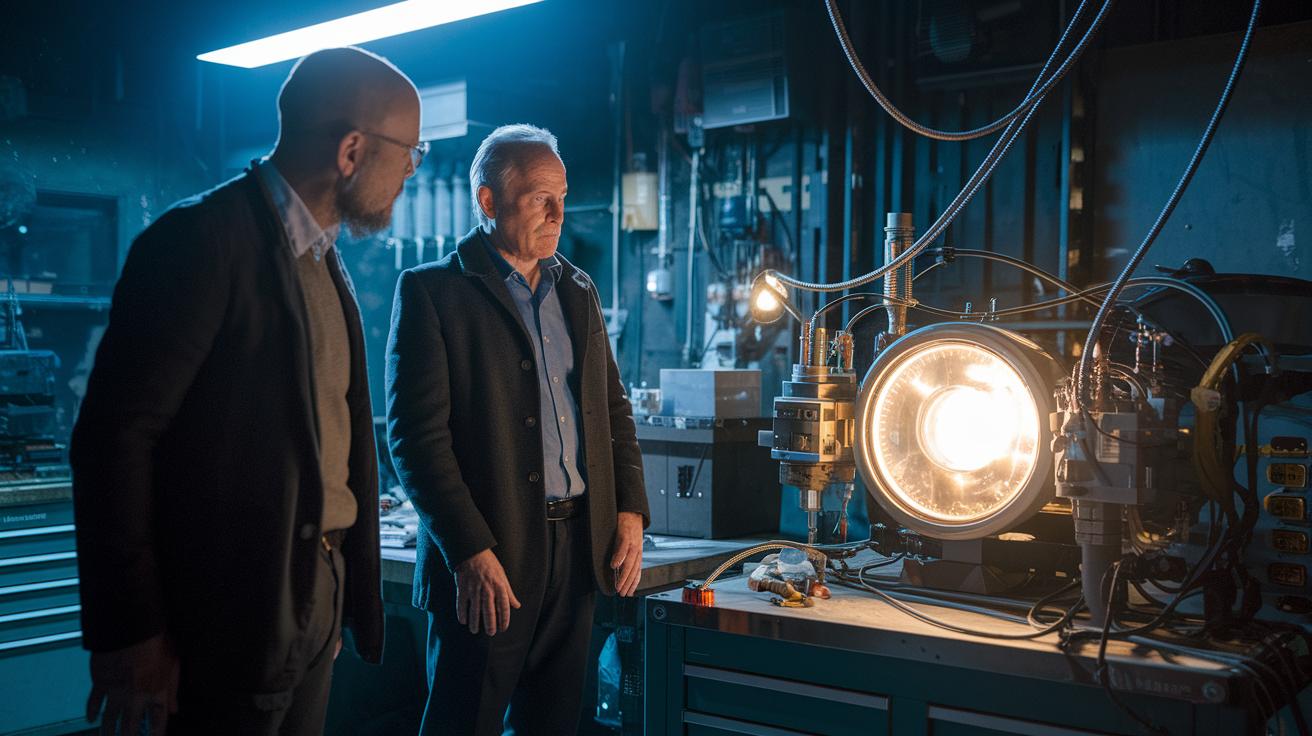
Aaron builds a bigger, room-sized time machine. This upgrade hints that he might soon take journeys lasting days or even weeks. It shows he is shifting from quick experiments to full-blown, long-term time travel.
A future Aaron relies on recorded audio cues from an iPod to nudge events in his favor. These hints make it clear that his actions are not random but well-planned moves. The mix of these recordings with unfolding events sets up a power struggle between different versions of Aaron, challenging us to wonder who will end up in control.
The film’s open ending, filled with unanswered questions and subtle power plays, has helped Primer earn its cult classic status among sci-fi fans. The title itself plays on the idea of a beginner’s lesson while hinting at the deeper art of time control, rewarding viewers who love to piece together a mystery.
Final Words
In the action, we explored the twists of Primer, from its budget roots to its intricate time loops. We answered your primer movie FAQs and broke down plot ambiguities without spoiling the thrill.
We covered everything from the accidental invention to the director’s unique style, giving you clear insights in bite-size chunks. Enjoy the challenge and mystery this film offers, and let your curiosity spark a fresh viewing experience.
FAQ
What is Primer’s basic premise?
The film’s basic premise follows two engineers who accidentally invent a time machine in their garage, setting off a series of events that challenge how time and causality are understood.
Who are the main characters and who directed the film?
The main characters, Abe and Aaron, are two engineers entangled in their own discovery, and the film is written, directed, financed, and scored by Shane Carruth himself.
How does the time travel device operate?
The time travel device operates by rewinding time to a specific activation moment, requiring users to remain inside for the full interval to safely return to their original timeline.
What purpose does the failsafe serve?
The failsafe device initially ensures a way to undo mistakes by resetting negative events, though a hidden earlier reset constructed by one character ultimately shifts the balance of control.
Why is the narrative intentionally confusing?
The narrative is deliberately confusing to mirror the complexities of actual engineering and time travel, inviting viewers to actively interpret overlapping timelines and subtle technical dialogue.
What is the significance of the title?
The title symbolizes a “first lesson” in the mechanics of time travel and hints at the primary, naive scientific discovery that unfolds within the film.