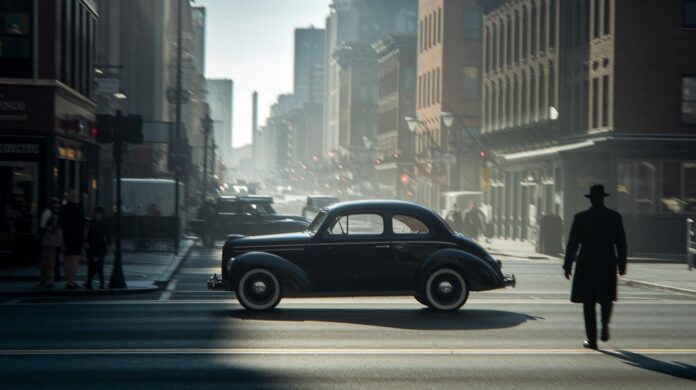

Ever wonder why some old movies still make your heart race? Cult classic retro films hold a special magic that stands the test of time. They break the mold with offbeat humor, raw energy, and surprising twists that push past the ordinary. In this post, we'll look at how these underrated gems blend retro style with fresh storytelling and win over a loyal fan base. Get ready to see these timeless films from a new, exciting angle that might change the way you view cult classics.
In-Depth Cult Classic Retro Reels Reviews
Cult classics are movies that win fans with their quirky style and unique storytelling. They aren't big hits with everyone, but their offbeat humor and unusual twists have earned them a loyal following. These films mix fresh ideas with the raw energy of low-budget production.
Our picks here are films that broke new ground in story and technique. Every title on this list stands out with its own special twist, inviting you to enjoy their nostalgic charm and lasting appeal.
- Halloween III: Season of the Witch (1982) – a creepy horror movie that skips the usual killer comeback for a fresh scare.
- Highlander (1986) – famous for its line "There can be only one!" and its mix of fantasy and action.
- Halloween 4: The Return of Michael Myers (1988) – continues the spooky legacy with non-stop tension and classic elements.
- The Fog (1980) – wraps you in mystery with its eerie, foggy coastal setting.
- Mad Max (1979) – grabs attention with striking desert scenes and a wild, post-apocalyptic feel.
- Trancers (1985) – blends time-travel twists with a moody noir vibe for a delightfully odd ride.
- Hardware (1990) – serves gritty, low-budget sci-fi horror with cool practical effects.
- Escape from New York (1981) and Escape from L.A. (1996) – mix dystopian thrills with edgy urban plots that keep viewers on edge.
Together, these films capture the rich variety and magnetic pull of cult classics. They span genres from horror to sci-fi, each earning a special place in retro cinema history.
Historical Context of Cult Classic Retro Reels
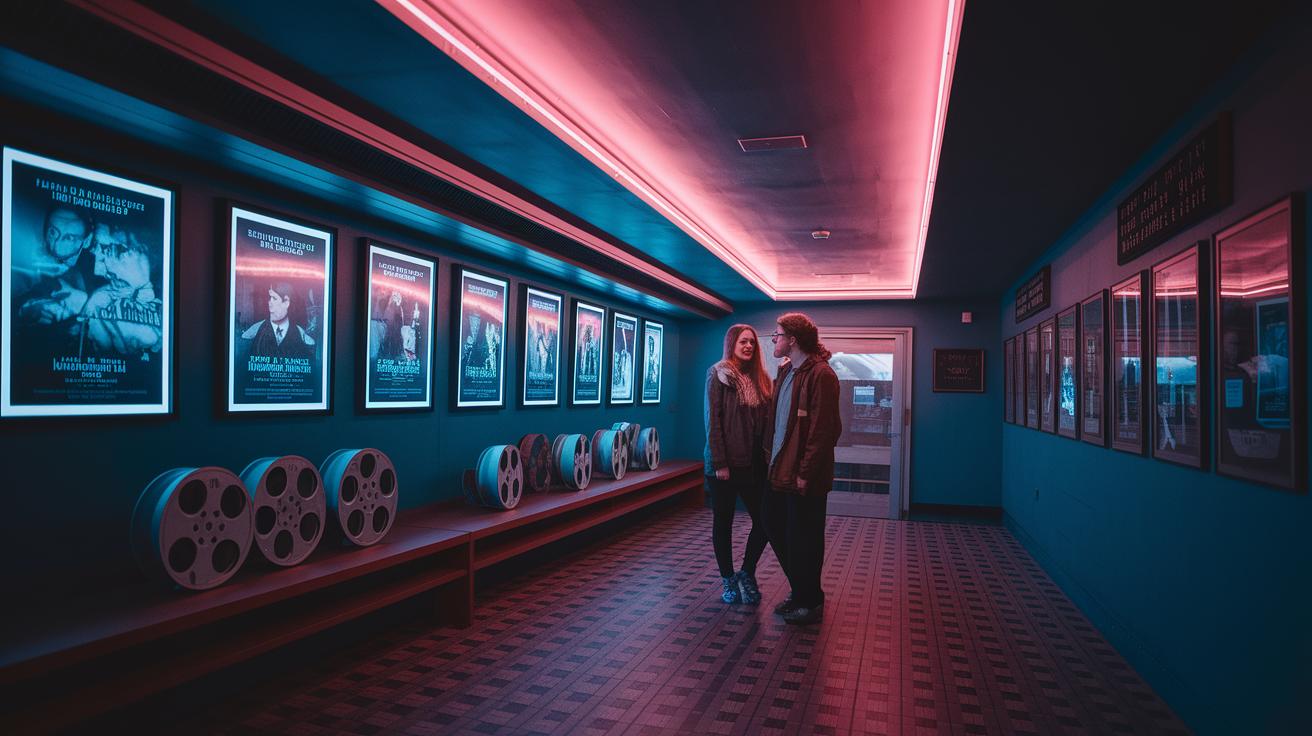
The rise of cult classic retro reels began when home videos exploded in the 1980s. Movies like The Fog (1980) nailed the spooky look of late-70s horror, and midnight screenings turned these films into hidden gems shared by friends. Word-of-mouth buzz made all the difference.
Films from Mad Max (1979) to Escape from L.A. (1996) show a clear shift from raw, gritty post-apocalyptic stories to edgy, dystopian sci-fi adventures. At the same time, smaller indie films like Hardware (1990) emerged during the booming VHS era. Local film clubs and festivals became meeting spots where viewers celebrated quirky stories and low-budget magic.
These movies found loyal fans through direct rentals and local screenings instead of big marketing campaigns. Recommendations passed along from viewer to viewer turned unknown films into underground hits.
This special moment in film history still influences how we see cult classics today, capturing a time of bold style and creative risk that thrills audiences even now.
Nostalgic Cinema Breakdown: Unique Traits of Retro Reels
Retro films broke new ground with real, hands-on techniques that still affect how movies are made today. They used live practical effects and clever behind-the-scenes methods that inspire modern filmmakers.
- The Fog (1980): Before digital effects, sound technicians recorded real ambient noises on location. Their use of analog sound design and handcrafted effects created a truly eerie atmosphere.
- Highlander (1986): Actors often improvised their dialogue during dynamic fight scenes. This spontaneity helped make the action feel genuine and memorable.
- Mad Max (1979): The film set a new standard by using real stunt work and inventive camera moves. Stunt coordinators relied on actual vehicles and minimal safety measures to capture pure, kinetic energy.
- Hardware (1990): Low-budget challenges sparked creative solutions. Designers repurposed everyday items to build futuristic sets, a resourcefulness still seen in indie films today.
- Escape from New York/L.A.: The movies transformed decaying urban landscapes into stylish, atmospheric visuals. Crew members used clever practical lighting techniques to mimic harsh city environments without high-tech gear.
- Halloween 4 (1988): This film mixed emerging film technology with classic horror techniques. Early CGI tools boosted traditional makeup effects, paving the way for a fresh visual style.
These behind-the-scenes insights prove that retro filmmaking still encourages bold creativity in today’s digital world.
Production Quality Critique of Cult Classic Retro Reels
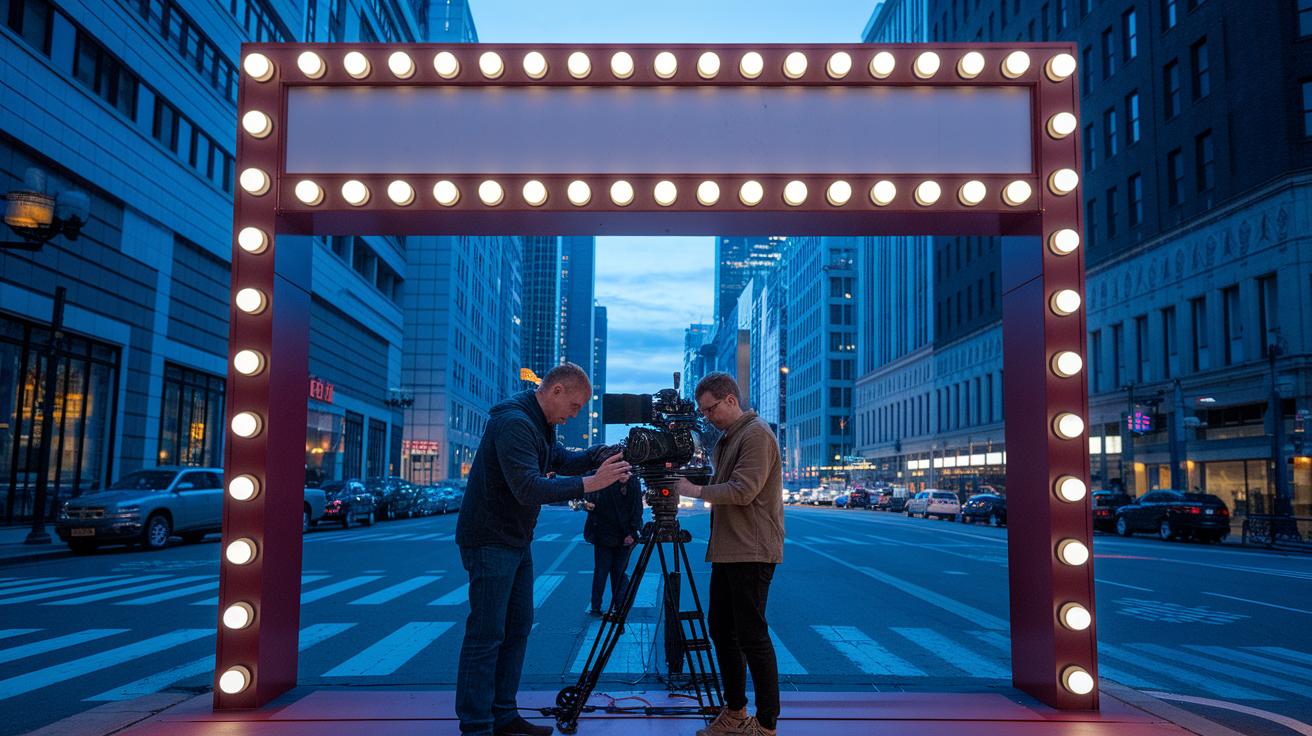
Good production quality lifts cult classics beyond their low-budget beginnings. Clever camera work, neat sound design, and creative effects turn simple films into timeless favorites that still spark the imagination of fans.
Cinematography and Framing
Mad Max shows off bold widescreen shots and quick camera moves that change how we see action today. Highlander uses real city scenes and well-planned stunts to add scale and real-life feel to every shot, making each frame look carefully planned and exciting.
Sound and Score
In The Fog, natural sounds mix with a retro score to pull you into its moody world. The sound design uses everyday noises and soft musical hints to build a feeling of suspense and nostalgia. This shows that even old-school audio tricks can have a strong impact.
Special Effects and Editing
Films like Hardware use practical, hands-on effects to create gritty sci-fi moments on a small budget. Thoughtful pacing and creative cuts work together to keep you on edge while crafting the unique retro look that fans love.
Cultural Impact and Fanbase Appeal of Cult Classic Retro Reels
Cult classic films turned late-night screenings and old-school VHS clubs into lively community events. Fans would meet regularly, swap rare collectibles, and proudly display memorabilia that celebrated every memorable line and eerie detail. Highlander’s iconic catchphrase quickly became a rallying cry at conventions, while Halloween 4 sparked an explosion of merchandise and fan art that thrilled horror lovers. These fan rituals and treasured items keep the films’ legacy alive and even inspire new generations, with collectors and cinephiles hunting for vintage posters and authentic props.
These movies also fuel modern media trends. Fan fiction, cosplay, and creative nods in video games and comics show that the influence of these films is still strong. For instance, The Escape series drives fans to recreate scenes and host themed events, echoing the daring spirit of its dystopian tales. Online communities buzz with reimagined scenes and personal takes, proving that these classics continue to shape nostalgic cinema culture.
Streaming platforms and revival screenings now make it easier than ever for fans to reconnect with these timeless favorites, sharing the experience with whole new audiences.
Final Words
In the action, this post highlights eight standout films that turn retro moments into lasting entertainment. We broke down everything, from unique film techniques and impressive production details to memorable fan rituals. This guide shows how reviewing cult classic retro reels gives fast, clear insights without sacrificing depth. Each movie’s charm and technical flair shine, helping you make quick decisions on what to watch next.
Keep exploring these gems, they promise fun, nostalgia, and plenty of crafted surprises.
FAQ
What is the difference between classic and cult classic?
The difference between classic and cult classic is that a classic is widely celebrated for quality and impact, while a cult classic builds a devoted, niche following over time with unique charm and unconventional style.
Why do people say cult classic?
The reason people say cult classic is that these films earn a passionate fan base through memorable scenes and distinct style, which sets them apart from mainstream hits despite their initial mixed reception.
What does it mean if a film is a cult classic?
What it means if a film is a cult classic is that it develops a strong, loyal following over time due to its quirky allure, bold storytelling, and offbeat elements that resonate with dedicated fans.
Where does cult classic come from?
The term cult classic comes from films that initially struggle in mainstream success but later attract a fervent group of fans through midnight screenings, offbeat storytelling, and unforgettable moments.