

Have you ever noticed how old film reels still spark our emotions in today's digital world? When you stream movies on demand, it's easy to forget a time when stories were etched on metal spools. These vintage reels hold a magic that modern tech often misses. This piece looks at how simple, analog film captured raw moments and changed the way we tell stories, reminding us that our heritage is an art worth preserving.
Retro Edition Film Reel Heritage Explained
Film reels are round spools made from metal or plastic that hold 35 mm film. They usually carry up to 1,000 feet of film, which is about 10 minutes of footage. Each reel is a real piece of history, keeping alive the magic of early movie showings.
Back in the day, these reels were key to making movies and TV shows. Before digital cameras took over in the 90s, film reels captured everything from feature films to local broadcasts. Picture early theaters where audiences watched vibrant images on large nitrate prints, a glimpse into the birth of cinema.
Film reels hold a special spot in history because they were both archives and innovators. When motion-picture cameras first emerged in 1892, they changed how stories were told using simple analog methods. These reels captured live performances and important events, sparking a shift that moved entertainment into the modern era. Every reel reminds us of the care and creativity that went into making films before digital technology became the norm.
Historical Evolution of Retro Film Formats
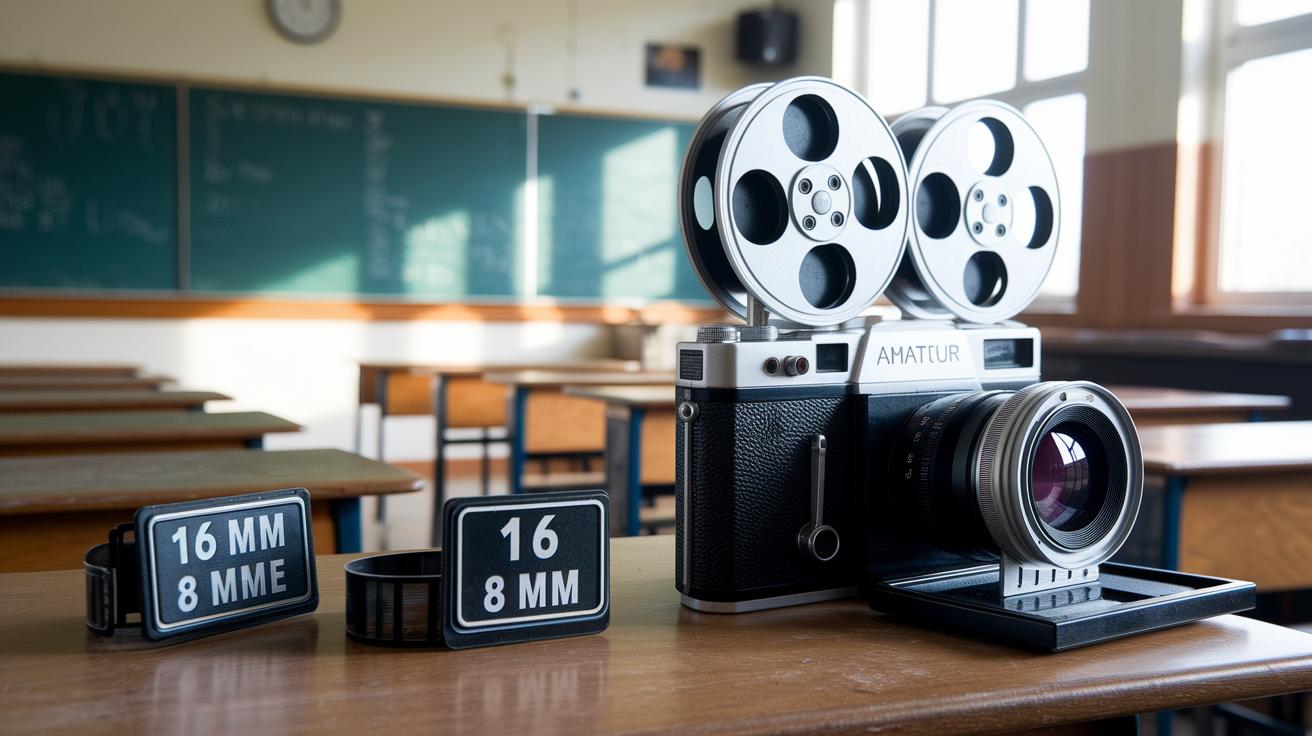
Analog film got us started by creating a clear, simple way to tell stories. Early reels captured life with a honest simplicity that today's tech sometimes misses. These old formats opened the door for creative breakthroughs, letting both beginners and experts explore filmmaking without huge budgets.
In 1923, Kodak introduced 16 mm film. This lower-cost alternative to 35 mm made it easier for schools and independent filmmakers to get their work on screen. Then, by 1932 during the Great Depression, 8 mm film arrived, helping families record everyday moments without breaking the bank.
In 1965, Super8 brought a big technical upgrade. Its design with smaller sprockets allowed more film to capture clearer images. Adding an audio track with a magnetic oxide strip meant filmmakers could record sound along with visuals, boosting both image and storytelling quality.
By the late 1970s, magnetic tape formats like VHS and Betamax changed home recording. They made it simple to watch and copy films, paving the way for the digital shift in the 1990s. Even as digital cameras took over, many still appreciate analog films for their unique texture and nostalgic warmth.
| Film Format | Year Introduced | Key Features |
|---|---|---|
| 16 mm | 1923 | Cost-effective, used in education and indie productions |
| 8 mm | 1932 | Affordable home-movie format, popular during the Depression |
| Super8 | 1965 | Smaller sprockets, improved image stability, built-in audio track |
| Magnetic Tape | Late 1970s | VHS/Betamax home recording, easy playback and duplication |
Archival Insights: Preserving Analog Film Reel Heritage
Film reels are fragile treasures that need gentle handling. Even in the best conditions, they can suffer from chemical decay and physical damage if things go wrong. For example, keeping reels in a warm or damp space can make them brittle or cause them to stick together, ruining their valuable content. They are like living memories that need extra care, and even a small slip in temperature or moisture can cut a 25-year lifespan down to just a few years.
Keeping the right setting is crucial to protect these reels. Experts suggest storing them in a cool space (40 to 50°F), in the dark, and with low humidity (30 to 40%) to slow down decay. Think of it like protecting your favorite old photo album, just as you keep those photos safe to preserve their colors, film reels need a climate-controlled spot to hold up their quality. This controlled environment reduces the chemical reactions that happen when light, heat, or moisture take their toll.
Big archives play a key role in this preservation process. They put money into special climate-controlled storage and regularly check for signs of damage. These institutions work hard to keep each film reel safe since every reel is a piece of our cultural history. Their careful steps help ensure that future audiences will still have the chance to enjoy these relics of the past.
Restoration Analysis: Digitizing and Reviving Classic Motion Memories

New restoration techniques now transform delicate old film reels into digital formats we can enjoy for years. High-resolution scans and careful audio transfers work together to bring out hidden details and keep the vintage charm alive. For instance, premium film services boost both image clarity and sound quality, giving you a fresh look at classic movies.
- Photo album scanning turns cherished prints into sharp digital images.
- High-resolution digital scanning converts old analog photos into clear files.
- Premium film transfer (at $34.98 per reel) restores both visuals and sound.
- Photo digitization makes printed photos easy to share online.
- Video conversion updates aging footage to meet modern standards.
- Classic film reel digitization captures the warm, unique feel of analog film.
These methods help protect our cinematic legacy. By converting fragile reels into durable digital files, collectors and fans can revisit rare moments without the risk of physical damage. The digitization process revives the original quality and carries forward a nostalgic vibe that resonates with today's audiences, keeping the magic of early cinema alive for everyone.
Final Words
in the action from early motion-picture cameras to digital breakthroughs, this post has traced the timeline of analog film and its enduring legacy. We explored how classic reels and archival practices keep memories alive while modern restoration techniques revive vintage scenes.
Breaking down everything from film formats to preservation tips, our guide helps bridge decades of cinema wisdom. A solid understanding film reel heritage: retro edition offers valuable insight, fueling curiosity and inspiring fresh appreciation for movies both old and new. Enjoy the rediscovery of timeless cinematic charm!
FAQ
What does understanding film reel heritage retro edition value mean?
Understanding film reel heritage retro edition value means assessing its significance as a collectible item that reflects early cinema technology and artistic traditions, offering both nostalgic appeal and historical insight.
What does understanding film reel heritage retro edition for sale refer to?
Understanding film reel heritage retro edition for sale refers to listings of vintage reels that represent early filmmaking methods, providing collectors and enthusiasts access to authentic pieces of cinematic history.
What does understanding film reel heritage retro edition 2022 signify?
Understanding film reel heritage retro edition 2022 signifies modern reissues or maintainers of vintage-design film reels that capture the classic essence of early cinema, appealing to both collectors and film history fans.
What are movie film reels for sale?
Movie film reels for sale are listings where vintage reels used in early film production are available for purchase, attracting collectors who appreciate their historical significance and role in cinematic evolution.
What are old movie film reels?
Old movie film reels refer to the physical reels once used to project films in theaters, offering a tangible link to the early days of cinema with their unique materials and analog recording methods.
What do vintage film reels for sale involve?
Vintage film reels for sale involve the market for antique reels that carry historical and aesthetic value, sought after by collectors and museums interested in preserving and displaying early film technology.
What does film reel material mean?
Film reel material means the substances used to manufacture the reels, typically metal or plastic, which affect the durability and preservation of the film it holds, playing a key role in safeguarding motion picture history.
What is a film reel projector?
A film reel projector is a device designed to display movies from physical reels, functioning by shining light through the film and projecting moving images onto a screen, essential for traditional film viewing.
Are old film reels worth anything?
Old film reels are worth something based on their condition, rarity, and historical significance. Collectors and historians value them for their cultural importance and as authentic pieces of early cinema.
What are the criticisms of heritage films?
Criticisms of heritage films center on claims that they sometimes overemphasize nostalgia at the expense of narrative depth, leading to a focus on history rather than modern storytelling and technical innovation.
How does a film reel work?
A film reel works by holding a continuous strip of images that, when passed through a projector’s light source at a rapid speed, create the illusion of motion on a screen, forming the basis of traditional film presentation.
What is the 20 30 rule in film?
The 20 30 rule in film refers to a guideline suggesting that scenes or shots typically last between 20 to 30 seconds, helping maintain audience engagement and ensuring a balanced pace throughout the movie.