
Ever notice how a second watch of Primer can open your eyes to hidden twists? This guide helps you follow every small clue and track those time loops, all without giving away the ending. It shows you how to organize your timeline, mark key moments, and note technical details like a pro. Curious to see how a quiet conversation can hint at a bigger reveal? Give this guide a try and transform your rewatch into an eye-opening, spoiler-free adventure.
Primer Movie Rewatch Guide: Spark Your Second Viewing
Rewatching Primer doesn't have to be confusing. Break the film down scene by scene so every little detail stands out. This guide shows you how to set up your own viewing timeline to enjoy the twists and time loops without any spoilers. It also lets you know that Primer is on Netflix and Hulu, so you can pick your favorite streaming option and plan your rewatch just the way you like it.
We split the guide into clear sections so you always know where to focus. In Part 1, you mark key moments that kick off the story. In Part 2, you explore the repeated time loops that make you see how small choices lead to bigger effects. For example, you might notice that a quick chat between characters hints at a hidden layer of the looping narrative. These insights help you enjoy Primer's clever style without giving away the surprises.
This rewatch plan gives you a step-by-step way to notice hidden clues and smart technical choices that shape the film. It even offers simple tips for taking notes and grouping scenes so nothing gets missed on your second viewing. Use this guide to spot big story shifts, compare different character views, and feel the full punch of Primer's inventive storytelling.
| Part 1 | Initial timeline setup |
|---|---|
| Part 2 | Recursive loop analysis |
| Extra Tips | Clue spotlight segments, technical breakdown sections, and strategy tips for note-taking |
Decoding Primer’s Complex Structure
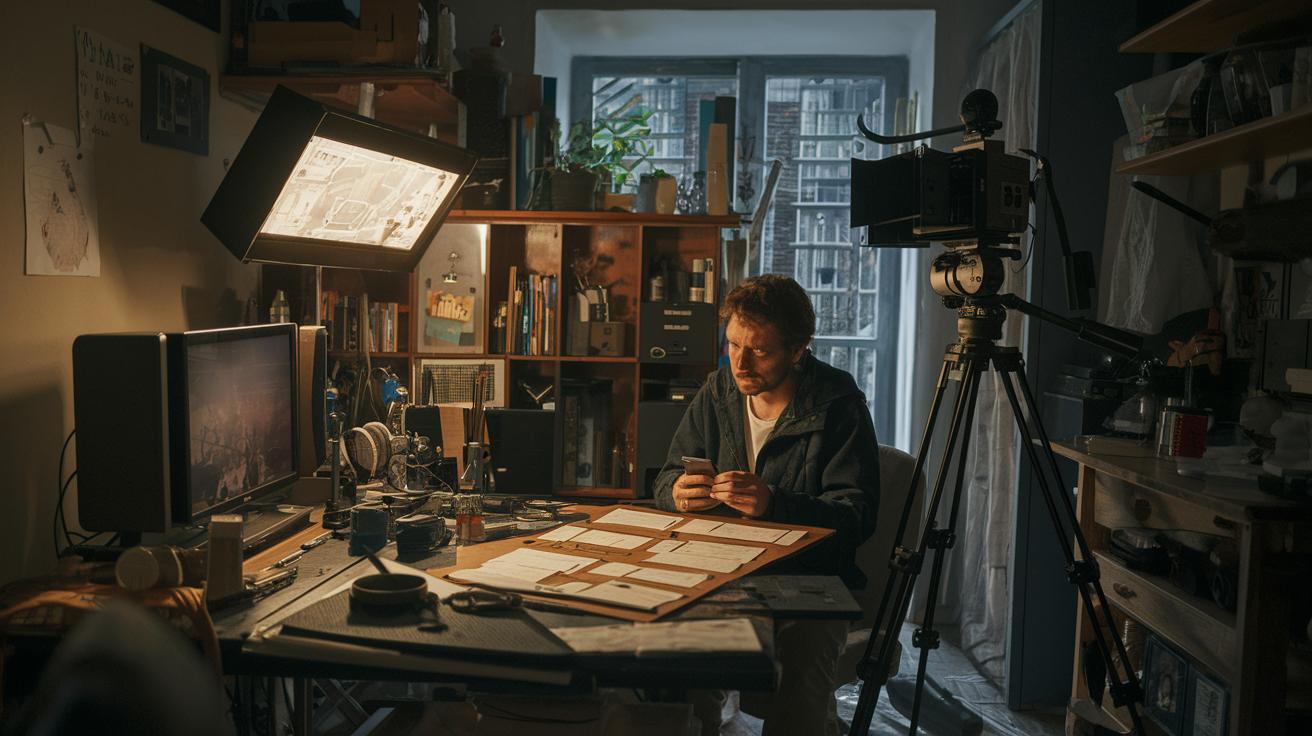
Shot on a budget of $7,000, Primer shows that great ideas don’t need big money. Shane Carruth took on nearly every role, as writer, director, actor, editor, and composer, which made the film lean and focused. With tight resources, he cut out extra fluff to hone in on the core story, leaving viewers to work a bit to piece together its time-travel puzzles. This careful approach makes each small detail count.
The film’s complex plot comes from its offbeat production. With few special effects, every shot and line is packed with meaning. Carruth invites you to play detective, noticing little hints and background details that point to deeper layers of the story. This makes watching it more rewarding, especially when you catch something new on a second viewing.
Carruth’s unique style makes every frame worth reexamining. What might seem like a simple indie sci-fi quickly becomes a multi-layered puzzle where every detail matters. The deliberate mystery and stripped-down look of the film turn it into a playground for curious viewers ready to explore and appreciate its clever, low-budget design.
Untangling Primer’s Time Loops and Paradoxes
Primary Loop Mechanics
In Primer, the film quietly sets up its time loops with tiny glitches and careful hints. Early on, a small malfunction in a homemade machine signals that a loop is about to begin. Objects out of place or a pause in conversation aren’t mistakes but clues that time has shifted. Over its 77-minute run, these details let you know when the cycle resets. You can choose to enjoy the mystery as it unfolds or study the clues for a deeper look.
Overlapping Timelines and Character Interactions
Aaron and Abe’s actions become tangled, creating overlapping timelines that push the story into puzzling territory. What one character does in one loop ripples into the next, leading to moments where past decisions shape the future. Quiet exchanges and repeated lines form a network of cause and effect that asks you to catch every little detail. The film turns each watch into a puzzle where scenes blur between happening together and one after the other.
Spotting Primer’s Hidden Clues and Subtle Dialogue
If you're rewatching Primer, notice how its quiet clues build on what we've talked about before regarding time loops and a tangled plot. Some repeats add extra layers to the story without rehashing old ideas.
Look deeper for hints you might have missed. Small glitches in the devices, familiar props, and soft technical notes all point to big shifts in the narrative.
- Device glitches hint at coming changes.
- Repeated watch imagery marks important moments.
- Recurring wires tie to key plot points.
- Casual tech notes hide extra meanings.
- Offhand dialogue signals critical turns in the story.
Applying a Scientific Story Dissection to Primer
Primer feels like a science lesson that mixes tough physics terms with big moral questions. Instead of handing you neat answers, the film leaves you piecing together hints about right and wrong. Shane Carruth wanted the science to sound real, so every detail makes you think about how actions lead to consequences.
Even though the movie uses old-school effects and a quirky style, it still has an experimental spark. The dated look never stops it from inviting deep thought on physics and life's dilemmas. Every scene nudges you to look at energy, time, and morality in a fresh way. Primer isn’t just about time travel; it experiments with storytelling where science and ethics blur together.
Carruth pushes you to examine each scene like a piece of a larger puzzle. The rough, practical effects boost the film’s daring ideas. By digging into these layers, you start to see how simple visuals and complex science work together to create a uniquely challenging experience.
Exploring Primer’s Minimalist Production and Indie Ingenuity
Carruth’s way of making the film was as offbeat as the movie itself. He often turned problems into creative fixes. One time, a broken light made him experiment with other sources. When the main light quit, he used a faulty lamp instead. The lamp cast unusual shadows that added texture and surprise to a regular scene. These moments show how small setbacks became chances to make the narrative bolder.
This simple, low-key style also changed how the story was told. Instead of relying on expensive effects, every detail was tweaked to get viewers thinking. The film asks audiences to notice quiet sound hints and odd camera angles, making each scene feel like a fun puzzle. Its raw, on-the-fly methods turned production hiccups into standout moments that add depth and invite you to look closer.
Crafting Your Own Primer Rewatch Strategy
When planning a rewatch, decide if you want to experience the film with no hints or if a few spoilers might help you spot key details. One way is to watch the movie with fresh eyes, letting each twist hit you unexpectedly. Alternatively, you can note a few light spoilers beforehand to focus more on details that you’d normally overlook, such as a character’s offhand comment hinting at a hidden time loop.
A neat trick is to plan short pauses at specific moments in the film. For example, stopping at 00:15, 00:45, or 01:10 gives you time to jot down observations. Pausing at 00:45 might help you catch small shifts in tone or dialogue that foreshadow later complications.
Another practical idea is grouping scenes by loop cycles and character points of view. This method lets you track repeated moments and better understand each character’s role. In short, organizing your rewatch like this makes the experience more interactive and deepens your understanding of the film.
Final Words
In the action, this guide broke down Primer’s structure into clear parts that show you how to tackle its layered time loops and hidden details. It highlighted the benefit of setting up timelines, analyzing loops, and spotting clues, all while respecting the film’s originality.
Key points include:
• Initial timeline setup
• Recursive loop analysis
• Clue spotlight segments
• Technical breakdown sections
• Tactics for note-taking
With this primer movie rewatch guide, you can reveal fresh insights and enjoy the film with renewed enthusiasm.
FAQ
What does “Primer movie explained” mean?
The Primer movie explained means the film centers on time travel and overlapping loops, prompting viewers to work through intricate cause-and-effect scenarios without a straightforward, linear narrative.
How does a Primer movie diagram help clarify its twist?
The Primer movie diagram helps by mapping out the film’s convoluted timeline and overlapping loops, making it easier to visually track the twist and understand the shifts in cause and effect.
What is the Primer movie ending about?
The Primer movie ending involves ambiguous resolutions where time loops and character choices blur cause and effect, leaving viewers with open questions instead of clear-cut answers.
What does Primer movie IMDb reveal about its reception?
The Primer movie IMDb reveals a strong cult following and thoughtful reviews, with audiences praising its challenging narrative and innovative approach to time travel.
Is Primer a horror movie?
The Primer movie is not a horror film; it is a science fiction drama that explores time travel and complex theories without relying on traditional horror elements.
How does Primer incorporate physics into its story?
The Primer movie physics involves using real scientific concepts and technical jargon to ground its time-travel narrative, inviting viewers to consider authentic technical details alongside the fictional plot.
What stands out about the Primer movie script?
The Primer movie script is notable for its dense dialogue and scientific language, reflecting the film’s experimental style and intricate approach to time-loop storytelling.
What streaming service has Primer available?
The Primer movie streaming info shows that it is available on platforms like Netflix and Hulu, making it accessible for viewers eager to experience its complex narrative firsthand.
What is the twist in Primer?
The twist in Primer means unexpected time-loop consequences emerge as characters unknowingly alter their own timelines, adding a layer of mystery to the narrative.
Is Primer difficult to understand?
The Primer movie difficult to understand aspect comes from its layered narrative and technical dialogue, which require attentive viewing for full appreciation of its challenging structure.
Which films are similar to Primer, like The Fountain and Coherence?
Similar films to Primer include The Fountain, Coherence, Predestination, Timecrimes, and Looper, each offering its own take on time travel and narrative puzzles in innovative ways.