
Have you ever noticed that some books feel more vibrant on the page than on screen? Adapting a novel for film is a tough job that makes filmmakers choose wisely. First, they secure the rights and then dig into the book to find scenes that light up visually. They trim the extra details and reshape characters to match the film's runtime (how long the movie lasts) and overall vision. In this piece, I explore how directors balance the original charm of a book with the movie’s need for focus and impact, revealing the real art behind transforming literature into a captivating visual story.
Film Adaptation Fundamentals: From Book to Screen
The first step in adapting a book to film is to secure the rights. Producers must get permission to use the book before any other work can begin. Without this clear pass, turning a book into a movie simply isn’t possible.
Next, filmmakers read the book closely to find moments that shine on screen. Directors and writers look for vivid descriptions, memorable scenes, and sharp dialogue that can visually engage the audience. For example, a tense family dinner in the book might become an intense and captivating scene in the film.
After that, the story is slimmed down. Since films usually run for about two hours, only the core story lines and character dynamics make the cut. This means some characters might be merged or dropped to keep the plot focused.
Writers also decide if the film should mirror the book exactly or try something new. Sometimes they rearrange scenes or add fresh elements to give the film a better pace while staying true to the book’s spirit.
Every step, from securing rights to writing the final screenplay, is key to bringing a book to life on the screen.
Navigating Challenges in Film Adaptations from Novel to Screen
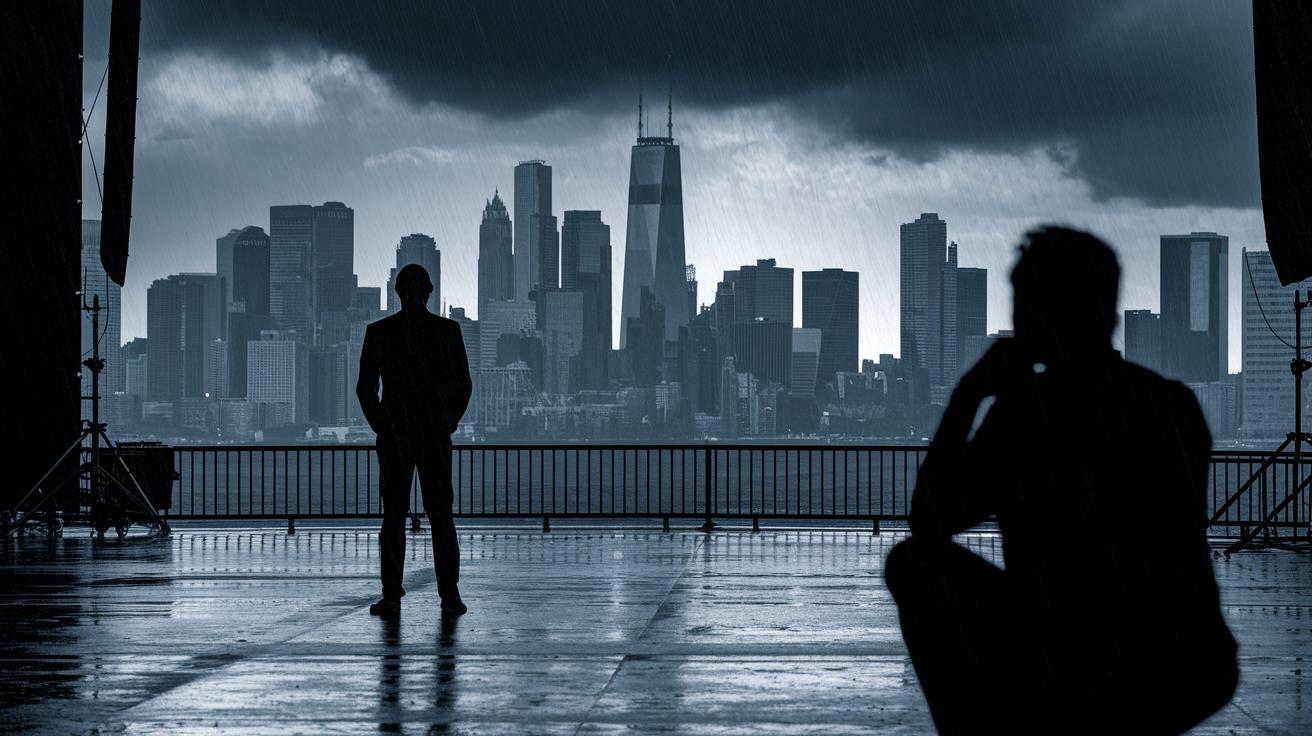
Turning a novel into a movie means cutting away extra details and focusing on the key events. Movies have tight runtimes and screenplays that usually run 90 to 120 pages, so every scene and line must push the story forward. An internal thought that fills pages in a book gets changed into a quick flashback or a striking image, like stormy skies or busy city streets, to show what’s going on inside a character’s head.
Filmmakers often combine or remove side characters to keep the pace lively. Long conversations and inner monologues are shortened into tight voice-overs or visual hints. Think of it like replacing a lengthy inner debate with a series of sharp close-ups that capture a character’s mixed emotions.
Every change is about balancing the essence of the book with the fast pace and clarity needed on screen. Iconic moments make the cut, while less important details are dropped to keep the film dynamic. Even the dialogue is trimmed and polished to make scenes crisp and engaging.
- Extra subplots are cut or merged to streamline the story.
- Visual cues like flashbacks and voice-overs bring inner thoughts to life.
Directorial Changes and Fidelity in Book-to-Screen Evolution
Directors have a tough job when turning a book into a film. They often combine, remove, or add scenes with characters to match the movie’s needs. A small character in a book might get extra screen time if it helps underline the film’s main idea. Sometimes, a character is completely cut to keep the story clear and focused.
When you compare a film that follows the book exactly to one that takes creative risks, the differences stand out. A word-for-word adaptation can feel packed and overwhelming, while a film that reimagines scenes gives room for fresh visuals and emotions. Even a favorite book ending might be changed or replaced entirely so that it works better on screen.
Directors also rethink the story’s structure by rearranging chapters into clear movie acts. They add new visual touches like special lighting or memorable images to create a consistent mood. Critics often debate these changes. Some feel that sticking to the original text preserves the author’s message, while others believe bold adjustments are essential for strong cinematic storytelling.
As one experienced director put it, "Some themes in a book don’t work well on screen. We have to show them differently." This shows that the best adaptations strike a balance between honoring the book and embracing creative, visual storytelling.
- Directors change characters based on what the story needs.
- Original screenplay drafts can shift key themes uniquely.
Case Study of Effective Film Adaptation: Adapting Gone Girl
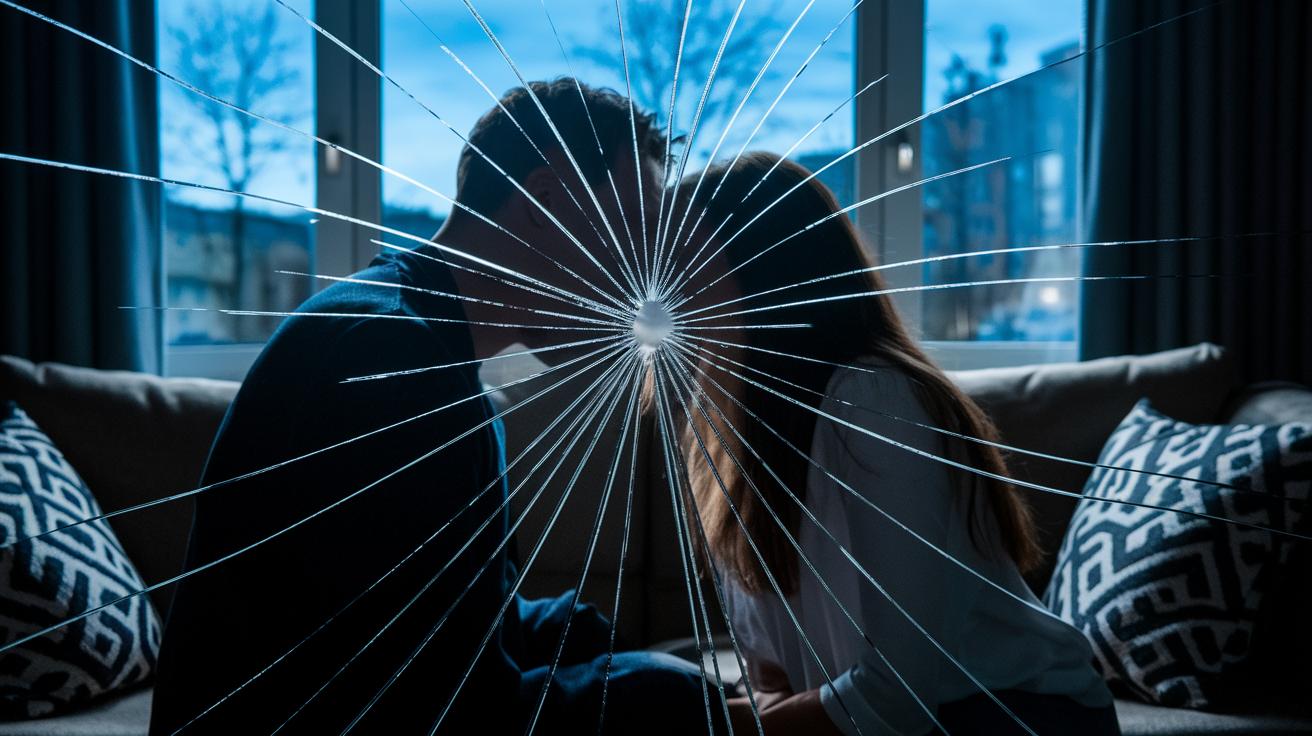
Gillian Flynn’s 560-page novel was squeezed into a tight two-hour film by honing in on just five main story beats. The film puts its full focus on the intense relationship between Nick and Amy, leaving out many of the side stories like lengthy backstories for other characters. For example, instead of a long explanation, a quick mirror glance hints at a character’s hidden guilt, a brief flash that says more than pages of inner thoughts.
The movie smartly shows Amy’s unreliable narration through flashbacks and on-screen text. These visual tricks replace long spoken inner monologues with clear, dynamic images. In one scene, the film moves from a quiet moment to rapid cuts of past events, capturing the push and pull of her memories in a way that keeps you glued to the screen.
Dialogue was sharpened for impact too. Lines that used to drag on over multiple chapters now land with quick, clear exchanges that reveal character motives fast. Using framing shots and mirrors as visual signs of internal conflict, the film stays true to the novel’s dark intensity while fitting neatly into its shorter format.
- Narrative beats are carefully chosen to keep a brisk pace.
- Main characters get clear, focused arcs while less important threads are trimmed away.
- Visual cues take the place of long internal discussions.
Every choice, from the script to the final shot, shows how a careful trim and bold visual storytelling can turn a long novel into a dynamic and engaging film experience.
Evaluating Adaptation Success: Critique and Reception of Book-to-Screen Films
Critics and viewers want a film that works on its own, even if you haven’t read the book. They check if the storytelling feels complete and fresh while still honoring the original material. A clear story flow is key. Every scene should push the plot forward on its own without leaning on all the book’s details.
How well characters come to life is another major point. Reviewers look at whether small actions, a look, a gesture, or sharp dialogue, reveal what a character is really feeling. Good adaptations use visual storytelling, like clever camera work and symbolic images, to replace long inner monologues.
The film’s style and mood are also crucial. A movie should capture the book’s feel, whether that is the rough edge of city streets or the warm charm of a small town. Experts say a winning adaptation needs:
| Key Element | Description |
|---|---|
| Streamlined Story Beats | Tight moments that drive the film’s pace |
| Engaging Dialogue | Conversations that stay true to the original essence |
| Visual Metaphors | Clear imagery that replaces lengthy prose |
Together, these ingredients help critics weigh a film’s faithfulness to its source against the demands of telling a strong cinematic story.
Industry Trends and Future Directions in Literary Conversion to Film
Streaming services and studios are shaking up how books become films. They buy rights to both fiction and non-fiction stories to reach all sorts of audiences. They target grown-ups and kids alike, using rich source material to bring new life to old favorites. Producers work with well-known authors and fresh new voices to create innovative movies and series.
The streaming boom has sped up adaptation processes. There’s a strong demand for original screenplays that fit a fast-paced, visual style. Data shows that limited series are becoming a popular choice for telling complex stories. This trend means filmmakers are rethinking storytelling, staying true to the original work while giving it a modern twist.
- The market now favors short, tight story beats that suit visual style.
- Streaming has sparked experiments in how stories are told on screen.
- New partnership models between authors and filmmakers are driving fresh, dynamic adaptations.
Final Words
In the action, the article explored the key steps and challenges of transforming novels into films. It broke down rights acquisition, narrative trimming, character merging, and creative adjustments that help shape a film’s rhythm.
Case studies, such as the adaptation of Gone Girl, show how films balance staying true to source material while offering fresh visuals. These insights boost your understanding film adaptations: from book to screen, leaving you with a positive outlook on movie magic.
FAQ
Q: What are some examples of novel-to-film adaptations and how does the narrative translate?
A: The translation of narrative in film adaptations is shown in examples like Gone Girl, where lengthy plots are trimmed and characters merged to create a focused, visual storytelling experience.
Q: How do you adapt a book into a movie?
A: Adapting a book into a movie involves securing rights, condensing the narrative to its core beats, and using visual techniques to replace internal monologues and detailed prose.
Q: What theories and research studies exist on adapting novels into films?
A: Theoretical studies on adaptation examine how internal thoughts become visual cues and how narrative pacing is achieved by cutting or merging scenes to fit the film format.
Q: Why do filmmakers change things from books and how is a film adaptation different from the book?
A: Filmmakers change elements from books to fit runtime limits and boost visual storytelling. Film adaptations streamline the narrative, modify dialogue, and often shift focus from detailed prose to imagery.
Q: What percent of movies are book adaptations?
A: Roughly 40–50% of movies are adaptations of books, reflecting the strong trend of transforming literary works into films.