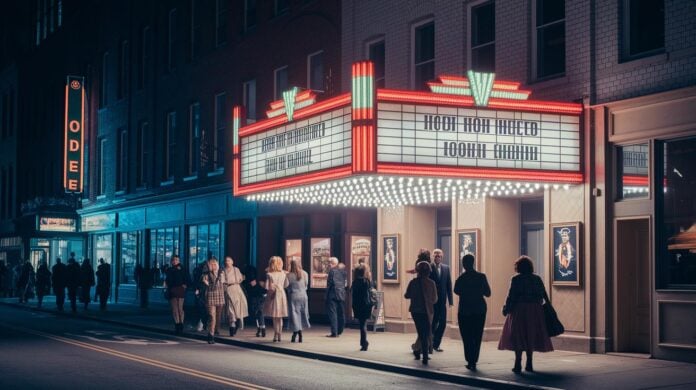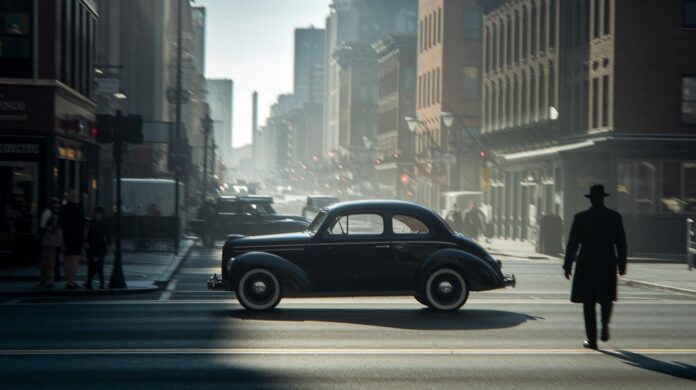

Have you ever wondered if retro films simply honor old favorites or if they offer a new take on familiar stories? Modern movies with a vintage look combine classic set designs, familiar costumes, and grainy film styles to spark memories and set a unique mood. In this post, we explore how these films blend cherished nostalgic details with fresh storytelling to create a warm, innovative experience. Get ready to see why retro films continue to capture our hearts with their timeless style.
what defines a retro film: Timeless Vintage Style
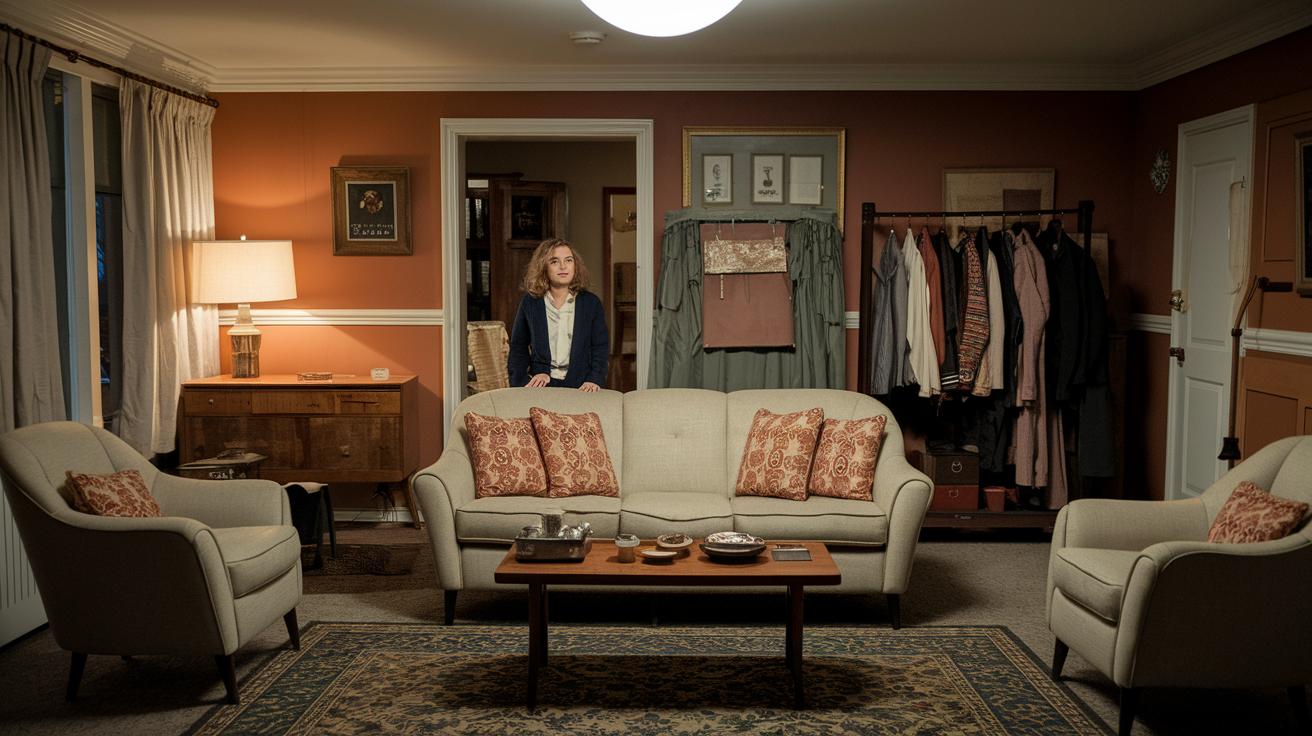
Retro films are new movies that capture the spirit of past decades. They take you back in time with genuine period settings and design choices while adding fresh storytelling twists. Instead of copying history exactly, they adjust details just enough to make every scene feel both authentic and visually striking.
Set design, costumes, and color choices are key to this style. These elements help spark memories and create a sense of comfort by echoing films you might have known growing up. They tie together the old and the new so the film feels like a classic with a modern heart.
- Grainy film stock effect
- Costumes true to the era
- Vintage color grading
- Analog filming effects (scratches, dust)
- Nostalgic soundtrack cues
- Classic narrative structures such as the hero’s journey and light campy humor
- Set designs that reflect specific decades
When you watch a retro film, you feel like you are revisiting a cherished memory while enjoying a story that feels new and engaging. This blend of old-fashioned style with modern storytelling creates a movie experience that honors the past while speaking to today's audience.
Vintage Cinematography in Retro Film Aesthetics

Filmmakers bring old-school charm back to life by mimicking film stock and using classic vintage lenses. They apply digital filters to add scratches, dust, and little imperfections that make modern footage look aged, like a 1970s noir or an 1980s adventure movie. Using lenses from the right time period gives images a soft, nostalgic vibe that pulls viewers into another era. The careful work on grain and texture sets the mood from the very first shot. These techniques build a visual link to classic cinema and shape the unique color choices and lighting styles that mark retro looks.
| Technique | Description | Example |
|---|---|---|
| Grain emulation | Digital filters mimic scratches and dust | 1970s-styled crime drama |
| Lens choice | Vintage prime lenses introduce softness | 1980s adventure homage |
| Color grading | Palette matches era film stock | Pastel 80s comedies |
| Lighting style | High contrast vs. pastel bloom | Film noir vs. retro rom-com |
These choices affect the film’s mood by stirring up nostalgia. The mix of grain, soft focus, and lighting from a bygone era gives a warm, immersive feel. It makes you feel like you’re walking into a classic scene updated for modern eyes.
Period Elements: Set Design, Costumes, and Sound

Good set design keeps a film grounded in its time by using picked-out vintage furniture and retro signage. These details quickly give you the vibe of a certain decade, making the world on screen feel real and lived in.
Costume styling is a big part of creating that period feel. The wardrobe team spends time studying old photos and archives to pick fabrics, patterns, and accessories that match the fashion trends of the era. From sharp tailored suits to flowing dresses and the everyday wear of the time, every item is chosen to make the setting authentic. This careful work helps you feel like you’ve stepped back into another time, adding depth and believability to the story.
The soundtrack ties it all together. By using analog instruments, retro synth sounds, or songs from the era, the audio helps boost the nostalgic feel and pulls you deeper into that time period.
Retro Narrative and Editing Styles

Narrative Structures in Retro Films
Retro films use long takes and slow editing, much like movies from the 1960s to 1970s. Their stories build slowly, following clear, classic paths that let the plot develop over time. The dialogue has its own style that adds character and warmth to every scene, much like a well-told, unfolding story. Imagine a scene where every moment reveals a little more about the hero's journey or an exciting group adventure.
Editing and Transition Techniques
Editing in these films takes a nod from the past. Directors often use match cuts, wipes, iris-ins, flash frames, and longer crossfades to keep a calm, steady pace. These methods create a visual rhythm that is worlds apart from today's rapid editing. They remind us of an era when each cut was made with care and helped tell the story rather than rush through action.
These choices in storytelling and editing offer a relaxed feel that stands in clear contrast to the fast, quick-cut style of modern movies.
Iconic Retro Films and Influential Directors

Retro films mix old-school charm with fresh energy, proving that great style and smart storytelling connect generations. Landmark movies use vintage visuals alongside new techniques to create something unique for every viewer.
Three directors show us how to bring past eras into today’s movies. Werner Herzog’s Aguirre, the Wrath of God (1973, US release 1977) gives us a rugged, historic feel that remains powerful. Quentin Tarantino, famous for his bold nods to the past, brings a hint of 1940s style to movies like Pulp Fiction while keeping things modern. Sofia Coppola creates a dreamy, 1970s vibe in films like The Virgin Suicides, capturing a gentle nostalgia that resonates with many.
These films still inspire modern filmmakers. Their creative use of era-specific looks and techniques helps bridge the gap between retro elegance and today’s storytelling, ensuring that the spirit of vintage cinema lives on.
Final Words
In the action of exploring retro films, the post broke down how era settings, vintage cinematography, and characteristic narrative techniques create a nostalgic vibe.
We saw how carefully designed set elements and music foster a timeless feel while classic directors inspire a modern twist.
This guide helps clarify what defines a retro film by highlighting visual, storytelling, and production cues.
Enjoy finding your next film pick that captures the charm of past styles.
FAQ
What defines a retro film?
A retro film is defined by its intentional style that mirrors past eras through design, settings, and techniques, creating a nostalgic look even when produced with modern methods.
How do retro films differ from old movies?
Retro films differ from old movies by using modern filmmaking paired with vintage aesthetics, while old movies are original products of their time with authentic period production values.
How do I achieve a vintage film look and old film color grading?
Achieving a vintage film look involves using digital filters for grain, analog effects like scratches and dust, and applying color grades that mimic the era’s film stock to evoke nostalgia.
At what point does a movie become a classic?
A movie becomes a classic when it gains lasting appeal through timeless storytelling, memorable performances, and a style that resonates across generations, earning respect over time.
What is the 2.5 rule for movies?
The 2.5 rule for movies refers to a guideline in film critique that suggests a movie should reach a certain threshold score, often around 2.5 out of a set scale, to be considered for specific categorization.
What are the 5 C’s of film?
The 5 C’s of film include camera angles, continuity, cutting, close-ups, and composition, each playing a role in crafting clear visual storytelling and maintaining audience engagement.
How do release dates, streaming options like Netflix, and regional films such as Tamil retro movies influence retro film culture?
Release dates, streaming platforms, and regional film versions shape retro film culture by highlighting when and where these nostalgic films are presented, influencing audience accessibility and cultural context.
Which retro film genres are recognized?
Recognized retro film genres include Classical Hollywood cinema, silent films, science fiction, horror, romance, and action, each offering its own distinct approach to vintage storytelling and style.