
Ever notice how modern films feel worlds apart from silent classics? Film genres have grown from simple, gesture-based tales to digital stories that mix crime, romance, and action in surprising ways. Early movies focused on clear visuals that told the story without much sound, while later films embraced bold colors, sound, and daring narratives. This shift changed not only how we watch movies but also the way we taste and value them. In this post, we explore how film genres have evolved over the decades and how these changes mirror our own shifting culture.
Film Genres Evolution Overview: A Decade-by-Decade Perspective
Movies have changed a lot over time. Early films, from the silent era (1890s–1920s), told their stories without any spoken words. Simple gestures and actions carried all the meaning. Think of them like early cowboy tales where every look or move meant something big.
In the Golden Age (1930s–1950s), things got louder and brighter. With The Jazz Singer introducing sound in 1927 and new color techniques like Technicolor, movies grew richer. Studios stuck to strong formulas like film noir (mystery and crime stories), musicals, and gangster dramas. Audiences loved the clear style and familiar rhythms.
The 1960s and 1970s brought a big change. Filmmakers began to break the old rules. Movements like the New Wave and New Hollywood mixed up genres and tried new ways to tell stories. The films became darker and more creative in their storytelling.
The Blockbuster Era (1980s–2000s) pushed things even further with computer effects (CGI). Movies like Terminator and The Matrix combined bits of science fiction, noir, action, and drama. This period showed movies could mix styles to reflect modern life.
Today, in the Digital/Streaming Era (2000s–present), films take full advantage of digital cameras and streaming services. Global teams work together to create movies that continue to evolve with technology and culture. The story of film is still being written, and innovation leads the way.
Film Genres in the Silent Era and Early Cinema
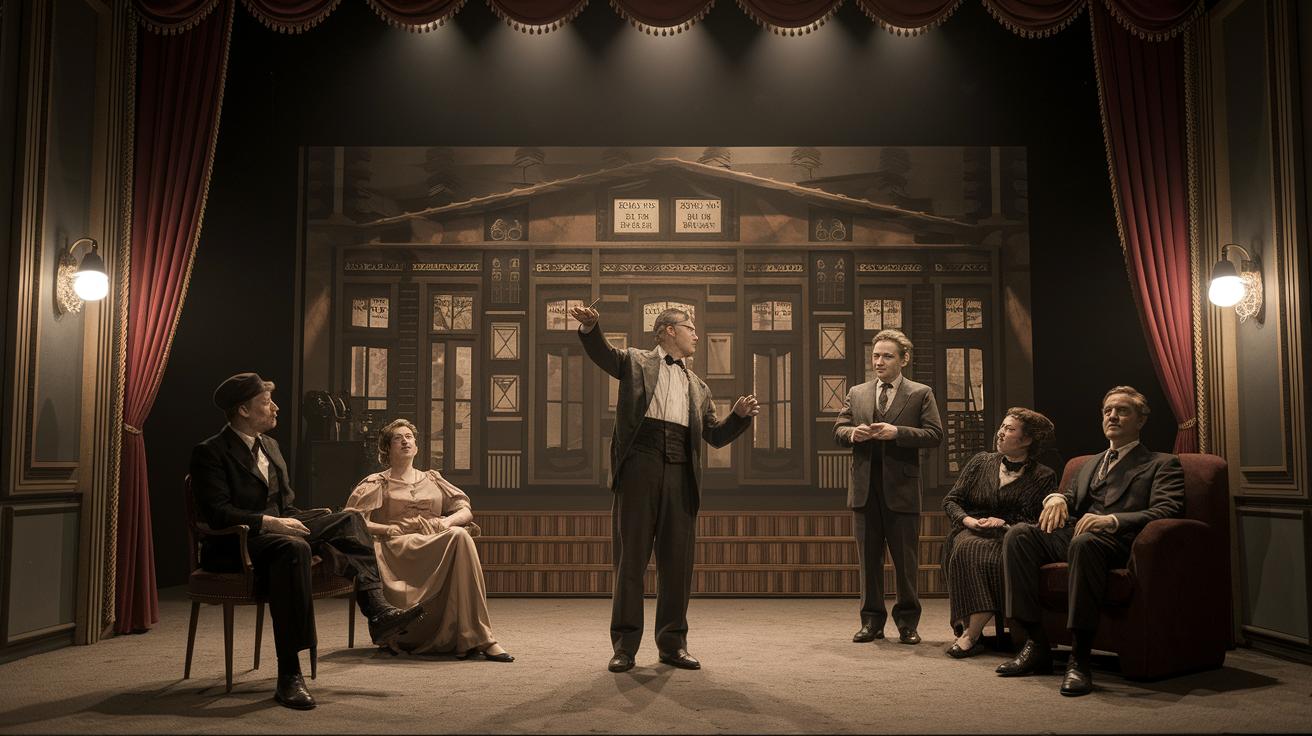
Long before sound came to film, storytellers built a visual language that shaped what we now call movie genres. Early movies from the 1890s to the 1920s were mainly split into comedy, drama, and romance, using simple gestures, facial expressions, and title cards to bring their stories to life.
Innovators like Muybridge with The Horse in Motion (1878) proved that movement could be captured on film. Later, Méliès’s A Trip to the Moon (1902) pushed the limits with creative visuals and special effects across over 500 short films. These works did more than entertain; they offered fresh ideas that filmmakers refined over time.
After World War I, German Expressionism brought a darker, moodier style with striking shadows and high contrast. At the same time, Soviet filmmakers introduced smart editing tricks like the Kuleshov effect (a way to show meaning by putting images together). Early Westerns also emerged, featuring cowboy heroes and dramatic gunfights, setting the stage for more specific film genres.
Before sound was invented, filmmakers were already creating a visual shorthand that forms the backbone of today's genres.
Film Genres During the Golden Age: Sound, Studio System, and Genre Solidification
In 1927, the film The Jazz Singer introduced synchronized sound, changing movies forever and ending the era of silent films. This breakthrough kicked off pre-Code Hollywood from 1927 to 1934, when films could explore themes more freely until strict censorship took over. Soon, those tighter rules set clear moral limits on genres like gangster flicks, musicals, and romances. For example, movies such as The Public Enemy (1931) showed crime in a raw, realistic way, while musicals like Singin’ in the Rain (1952) dazzled audiences with bright, early Technicolor effects.
From the 1930s to the 1950s, the studio system ruled the film industry. Studios delivered films in clear, distinct genres that audiences quickly recognized. Take film noir for instance, The Maltese Falcon (1941) used dark shadows and moody looks to help tell its story. Westerns like Stagecoach (1939) filled the screen with rugged heroes and wide-open landscapes. As studios refined their methods, it was clear that new technology paired with tight storytelling defined the Golden Age, shaping what viewers expected and loved.
Big events like the 1948 Paramount Decree and the political pressures of 1950s McCarthyism broke up the old studio system. These shifts pushed genres to change, showing how advances in sound, color, and structured filmmaking paved the way for future innovations.
Film Genres Evolution in the 1960s–1970s: New Wave, Auteurism, and Narrative Shifts
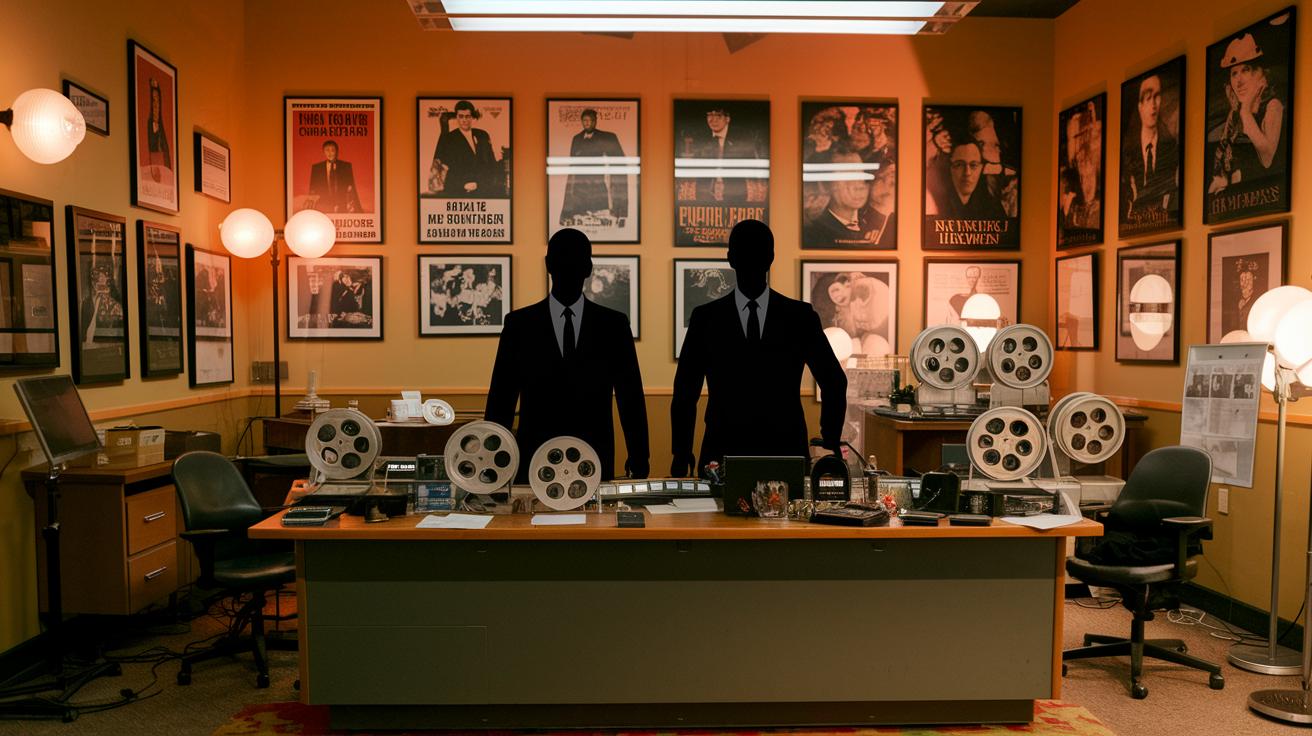
As the old studio system faded away, directors began to put their own stamp on movies. These auteur filmmakers (those who are seen as the primary creative force behind a film) mixed different genres in surprising ways. For instance, the French New Wave became popular in the late 1950s and early 1960s. Movies like Jules and Jim (1962) blended romance, drama, and coming-of-age themes in a fresh, unconventional way.
At the close of the 1960s, an era known as New Hollywood emerged. Filmmakers such as Stanley Kubrick and Martin Scorsese introduced darker, bolder stories. Films like A Clockwork Orange (1971) and Taxi Driver (1976) show how these directors broke away from old, predictable plots by using striking visuals and unsettling narratives that reflected the turbulent social times.
At the same time, independent film production started gaining ground. New production models allowed fresh voices to experiment and redefine genres. Picture a scene that starts with a simple chat and then suddenly bursts into a mix of surreal visuals, as if the director is boldly breaking free from traditional studio rules.
Film Genres Renaissance (1980s–2000s): Blockbusters, Hybrid Genres, and Technological Innovation
Big blockbusters like Jaws (1975) and Star Wars (1977) changed how studios promoted movies and built franchises. These films showed that viewers love large, high-energy spectacles. Directors and producers started mixing new storytelling ideas with dazzling visuals to surprise audiences in ways we had never seen.
In the mid-1980s, Terminator (1984) used early CGI to create effects that had never been done before. This breakthrough helped action and science fiction films take on a new style. By 1999, The Matrix pushed these limits further with futuristic effects that changed the way movement and combat were shown on screen. These key moments set a new bar for visual style and raised what viewers expected from films.
Digital magic hit a new high with The Lord of the Rings trilogy (2001–2003). Filmmakers blended real locations with computer-generated settings to build huge fantasy worlds. At the same time, movies like Blade Runner 2049 (2017) and Mad Max: Fury Road (2015) mixed elements of sci-fi, noir, dystopia, and action. This mix of genres showed that combining old and new styles can lead to truly memorable stories.
New special effects not only respected classic film formulas but also turned them on their head. This was a turning point when technology joined with blockbuster ambition, expanding the art of storytelling. Today, these multi-layered films continue to shape how modern movies are made.
Film Genres in the Streaming Era: Digital Revolution, Global Trends, and Genre Blending
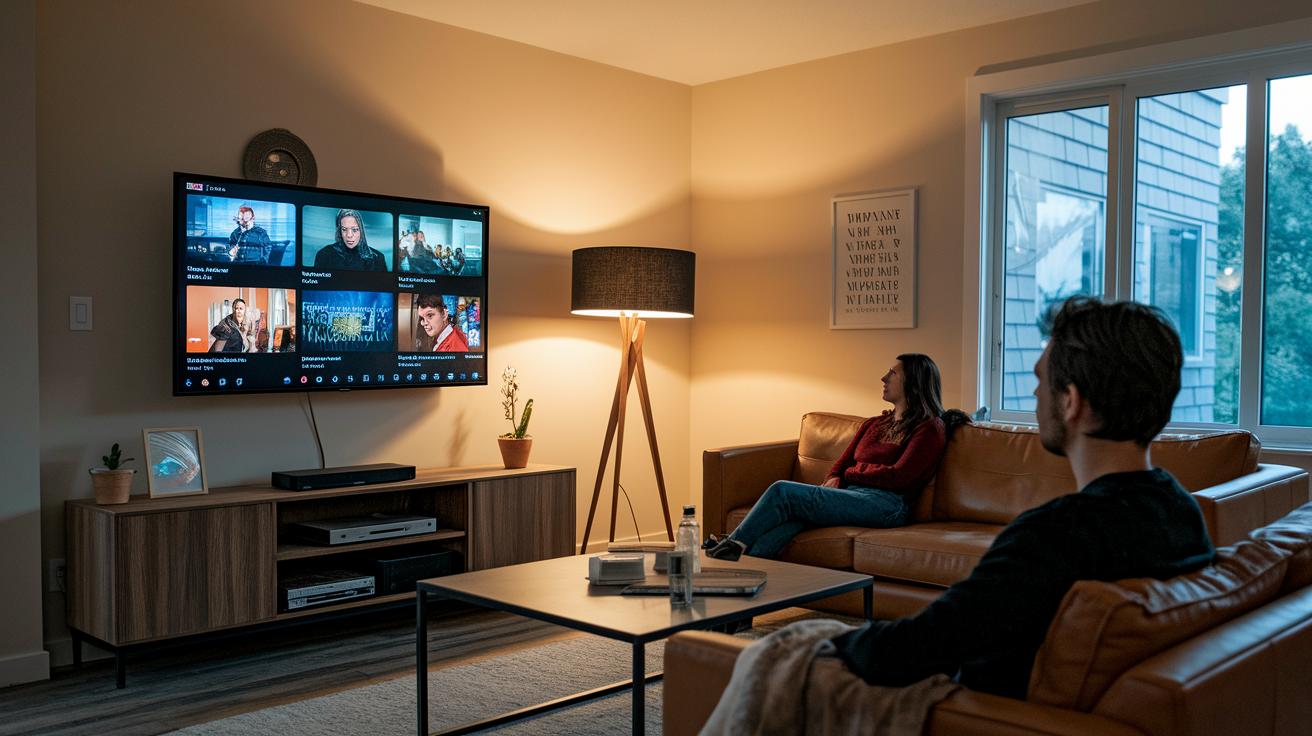
Digital cameras and streaming services have changed how films are made, shared, and enjoyed since the 2000s. Filmmakers now use new techniques and storytelling methods that cross borders. For example, superhero movies like those in The Avengers series mix action, comedy, and drama to give viewers a rich, layered experience.
Streaming platforms have also spurred a wave of original films and shifted release plans. When theaters closed during COVID-19, studios turned to streaming, a move that still shapes how films emerge today. Think of Get Out (2017), which mixed tension with social insight. This film changed the face of horror by weaving together fear, humor, and commentary on modern life.
Filmmakers from different countries are teaming up more than ever. Digital streaming lets voices from around the world mix traditional themes with fresh ideas to create new genre blends.
Overall, these changes show a digital revolution in storytelling. Directors now have the tools to mix genres in surprising ways and connect with audiences everywhere. The film world is evolving fast, and the future promises even more innovation as technology and creative collaboration push the limits of what movies can be.
Final Words
In the action from the early silent films to today’s streaming originals, every era reshaped what we expect from movies. Each decade brought new tech, culture, and creative risks that left its mark on storytelling.
This article has shown the timeline of style reinvention and highlighted key shifts that guide how film genres have evolved over the decades. Today's cinema offers something fresh for every taste. Enjoy exploring your next favorite film!
FAQ
How have film genres evolved over the decades?
The evolution of film genres spans from the silent era to today’s streaming era. Technological and cultural shifts have led filmmakers to adopt new techniques and hybrid styles, changing the way genres are defined.
What does the history of film timeline show?
The film timeline outlines a clear progression from early silent films and the Golden Age’s sound and color innovations to New Hollywood’s narrative twists and today’s digital revolution, marking distinct eras in cinema.
How do film genres evolve over time?
Film genres evolve as filmmakers respond to technological advances, cultural shifts, and audience trends. This evolution often leads to the blending of traditional genres into new, hybrid forms.
How has the film industry changed over time?
The film industry has transformed through major changes such as the move from the studio system to independent production and the rise of digital streaming, impacting how movies are made, distributed, and consumed.
What is the importance of film genres and how have they evolved?
Film genres provide a framework that helps set audience expectations and shape storytelling. They have evolved alongside cultural and technological changes, offering filmmakers ways to innovate while maintaining recognizable elements.
Does film genre change over time?
Film genres do change as they are influenced by new technology, societal trends, and creative experimentation. This ongoing evolution helps keep cinema fresh and relevant to each new generation.