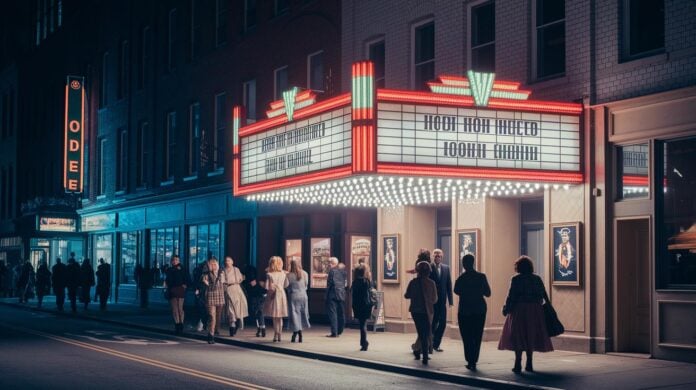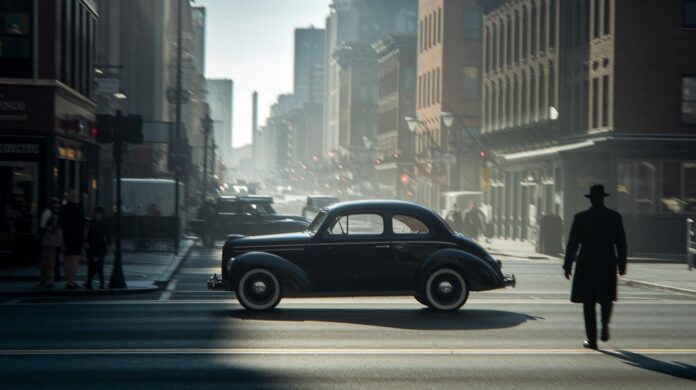

Have you ever wondered how a few clever light tricks sparked movie magic? Old films took simple camera ideas and turned them into moving pictures that changed how we tell stories. Pioneers like Muybridge and Méliès started with basic tools such as the camera obscura (a dark room with a small opening that projects an image) and simple sequences of pictures that created motion. Their early experiments lit a spark that still shapes movies today. Let’s dive into these inventive beginnings and see why their charm endures.
Retro Films Origins: From Pre-Film Techniques to Early Motion Pictures
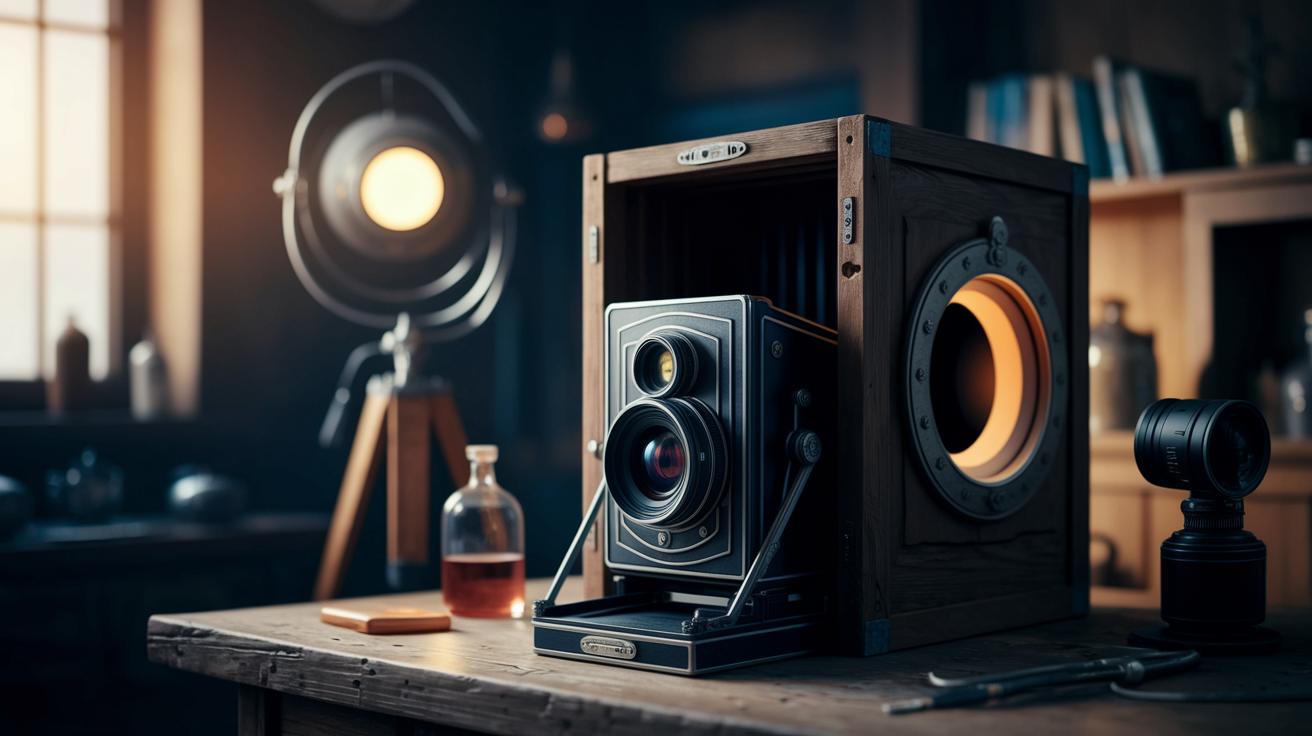
Before movies came along, people were already experimenting with simple tricks like the camera obscura. Think of it as a basic box with a tiny hole that cooled light on a wall. This idea, using light and shadow, was the start of showing pictures in real life.
Early experimenters took these optical tricks and began to explore movement. In 1878, Eadweard Muybridge captured a horse in motion with 24 cameras snapping images one after the other. His work was a clever science experiment that hinted at the future of cinema. Later, in the 1880s, he created the zoopraxiscope to project these images in sequence, giving viewers a sneak peek at life moving naturally.
| Year | Milestone | Description |
|---|---|---|
| Ancient | Camera obscura concept | Early method using light projection to display images on surfaces |
| 1878 | Muybridge’s “The Horse in Motion” | Used 24 cameras to capture sequential images of a horse in motion |
| 1880s | Zoopraxiscope invention | Device created by Muybridge to project moving images in sequence |
| 1900 | Méliès’s “The One Man Band” | Early experiment showcasing rhythmic movement and narrative visuals |
| 1902 | Méliès’s “A Trip to the Moon” | Introduced imaginative storytelling enhanced with innovative visual effects |
| Early 1900s | Méliès’s film era | Produced over 500 films featuring multiple exposures and creative tricks |
As film tools improved, Georges Méliès emerged as a true pioneer in the early 1900s. He used techniques like layering images (multiple exposures) and trick photography to transform short clips into real stories. His creativity and technical skills set a strong example for future filmmakers, leaving a lasting influence on the art of storytelling in motion pictures.
Retro Films in the Silent Era and Pre-Code Hollywood

In the Silent Era, films told their stories using striking images and simple title cards in black-and-white. Directors relied on actors' gestures and careful framing to create mood and tension. Early filmmakers worked under strict rules set by Edison’s Motion Picture Patents Company, and these standards guided many later productions. Picture a scene where a slight glance or a quick gesture says it all, that was silent storytelling in action.
Edison’s work had a big impact on setting up early film techniques. His company defined lighting, camera work, and editing rules that shaped filmmaking. Simple camera moves and straight cuts were key in a time when every shot was carefully planned. A close-up of a character’s eyes, for example, could express more emotion than any spoken word.
The Jazz Singer (1927) changed everything by introducing synchronized sound. With spoken dialogue now part of films, the age of silent pictures came to an end and a new style emerged, blending sound with visuals to enrich the story.
From 1927 to 1934, Pre-Code Hollywood broke away from strict censorship. Filmmakers took risks with bolder themes and unfiltered characters, offering stories that challenged old conventions. This period paved the way for modern cinema by mixing new technology with a raw, honest storytelling style.
Retro Films in Hollywood’s Golden Age: Technicolor and Iconic Genres
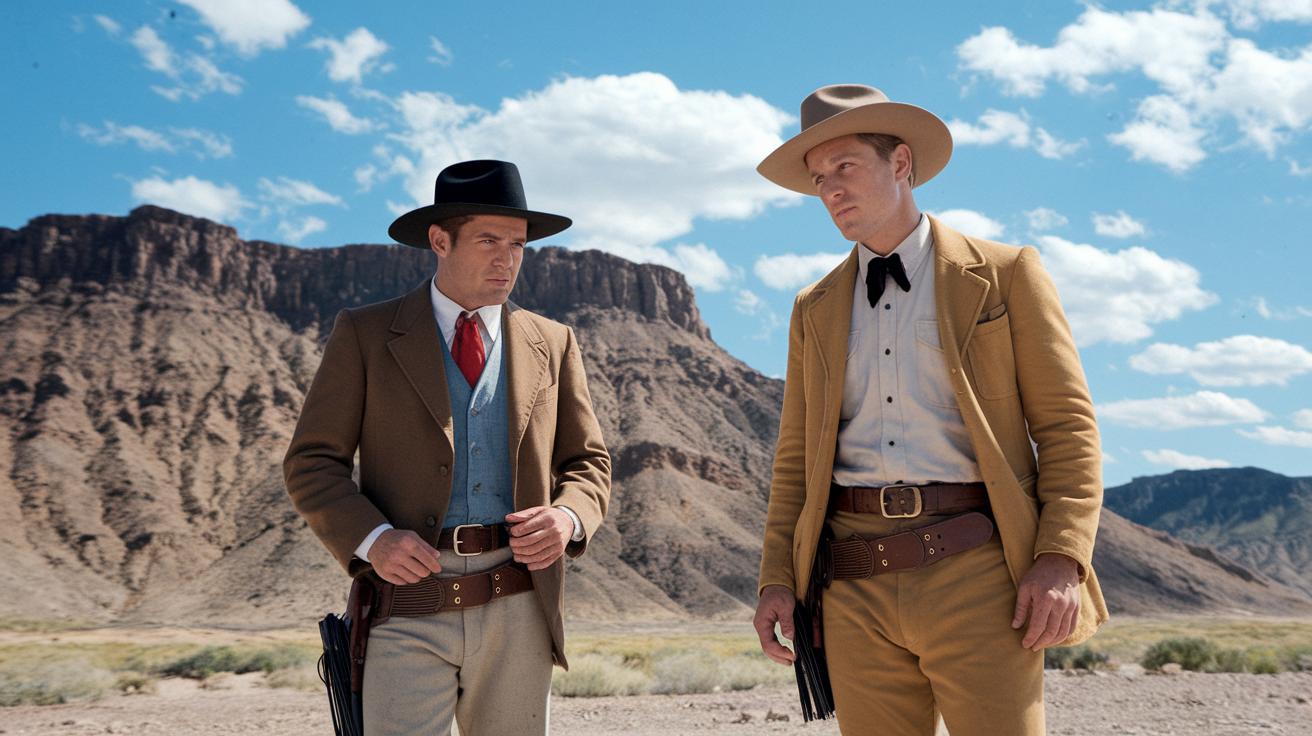
Back in the 1930s and early 40s, Technicolor’s dye-transfer process burst onto the scene with bright, vivid colors that truly stood out. This technique turned everyday scenes into works of art, lighting up dark dramas and playful musicals alike. Imagine each frame looking like its own carefully painted picture. Although it was expensive at first, later improvements made it easier to use, changing the way stories were told. Picture a western with sparkling blue skies set against rough, rugged lands, a fresh, eye-catching look that brought each scene to life.
The Hollywood Golden Age (1934–1968) saw the rise of many distinct film styles. Take film noir, for example. These movies used high-contrast lighting and complex, shadowy stories (think of films with dark, moody visuals) to keep viewers on edge. Westerns captured the raw spirit of frontier life, while wartime propaganda films voiced bold political messages, like those made by Mussolini’s Cinecittà back in 1937. Musicals also hit the right chord during this era with unforgettable tunes that dazzled audiences and added emotion to each scene.
Big industry events helped shape this memorable period. The 1948 Paramount Decree broke the major studios' control, opening doors for new creative voices. Then came the 1950 blacklist, which changed many careers and reshaped Hollywood’s creative landscape. And let’s not forget the legendary soundtracks, music that still brings back the magic of these classic films for all who love movie history.
Retro Films Beyond Hollywood: Global Movements and Storytelling Innovations

German Expressionism
After World War I, German Expressionism changed the way films looked and felt. Fritz Lang’s M (1931) stands out with clever sound design and eerie themes that create a gloomy mood. Bold lighting and striking set designs set the stage for psychological thrillers to hit deeper emotional notes.
Soviet Montage Theory
In the 1910s to ’30s, Soviet filmmakers showed us that editing can stir strong feelings. The Kuleshov effect (a trick where putting shots in different orders makes viewers feel different emotions) proved that arranging images carefully can change the whole story. This idea still influences how movies are put together today.
Italian Neorealism
Italian Neorealism gives us an honest look at life after war. Films like Rome, Open City and Il Posto share real, everyday stories in real settings without fancy gloss. This style offers a new way to see society, focusing on genuine struggles and simple moments.
The French New Wave
In the 1950s, the French New Wave broke the old movie rules. Directors like Jean-Luc Godard chose to film on location and use jump cuts (quick edits that break up the flow) to mix up traditional storytelling. Their creative techniques make the films feel fresh and true.
Other International Voices
Voices from other parts of the world have also shaped retro cinema. Ingmar Bergman’s Scandinavian works and Satyajit Ray’s Pather Panchali bring their own cultural touches. Their genuine storytelling and unique styles have enriched film language far beyond Hollywood.
Retro Films Reimagined: New Hollywood and the Rise of Cult Classics

New Hollywood changed the movie scene from the late 1960s to the mid-1970s. Directors took control as they explored darker themes and new storytelling methods. Blockbusters like Jaws (1975) and Star Wars (1977) paved the way for movies that felt grittier and bolder. Films from that era broke from old slick styles and embraced a raw, retro vibe. For example, one movie might use quick cuts and a moody soundtrack to capture the tough side of urban life.
Later, Dogme 95 pushed this idea even further. It encouraged filmmakers to keep things simple by removing extra sounds and music (non-diegetic elements are sounds or music not coming from the scene). This stripped-down approach gave indie directors a chance to create films that feel intimate, almost like personal snapshots of life.
These changes gave rise to cult classics. Often made on small budgets, they stand out with unusual stories and quirky looks that win over passionate fans. Their daring creativity still sparks conversation and inspires new filmmakers today.
Retro Films Legacy: Cultural Impact, Restoration, and Preservation
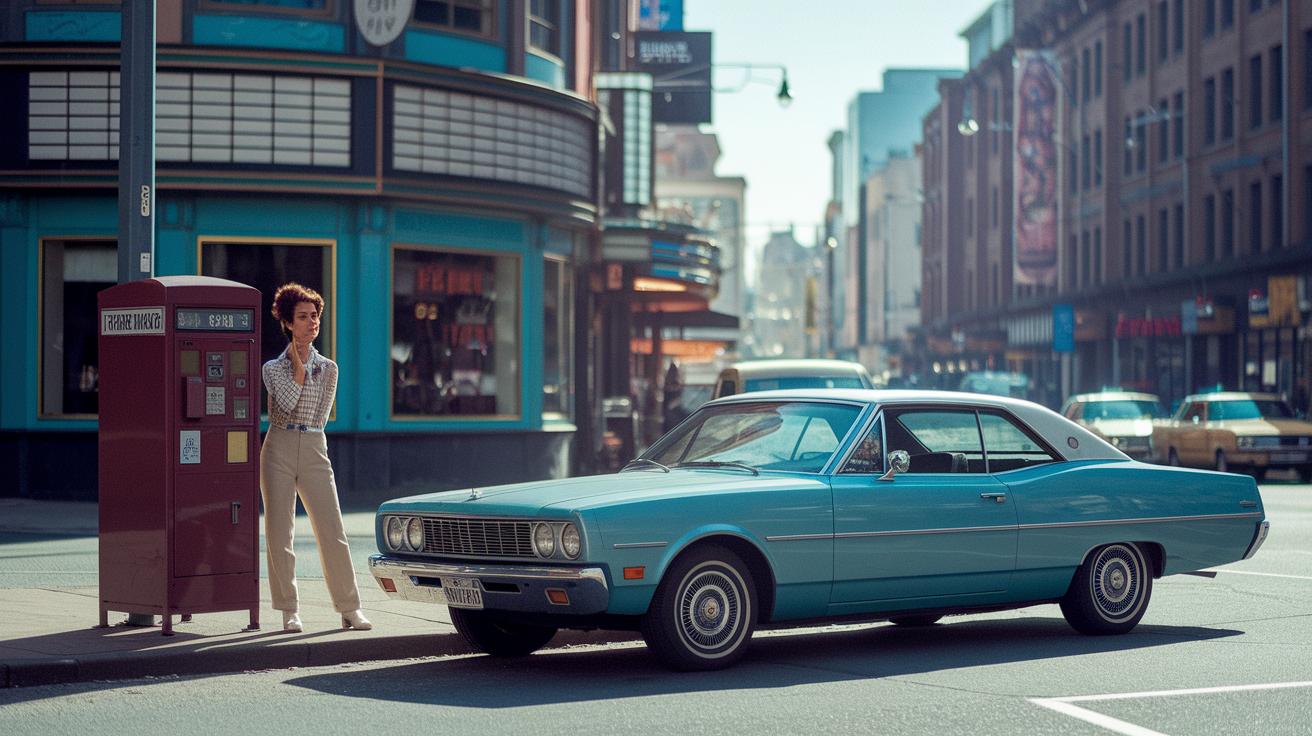
Retro films are treasured time capsules that let us peek into past eras. They capture everyday fashions, customs, and even details like old telephones. Each frame tells a unique historical story that both entertains and educates today’s viewers about the social nuances of bygone times.
Classic titles have woven themselves into our cultural fabric. For example, Breathless (1960) reshaped storytelling with its natural, free-flowing style. Baby Face (1933) was so ahead of its time that it led to stricter content rules, and The Bad Seed (1956) grabbed attention with its eerie plot and four Oscar nods, along with hitting high box office marks for Warner Bros. Critics still reference these films as important benchmarks in both storytelling and technical craft.
Modern restoration efforts work to revive faded posters and lost footage, ensuring these films continue to shine. By carefully restoring each piece, experts keep the rich heritage of cinema alive for future generations.
Final Words
In the action, this post traced retro films’ roots, from early optics and motion studies to silent eras and Hollywood’s golden age. We saw how global movements and New Hollywood reshaped filmmaking. Restoration projects keep the legacy alive, highlighting the rich history of retro films.
Every section spotlights a transformation in film storytelling. The exploration reveals that even as the medium changes, these classics continue to inspire and guide modern viewers. Let the past brighten your future movie nights.