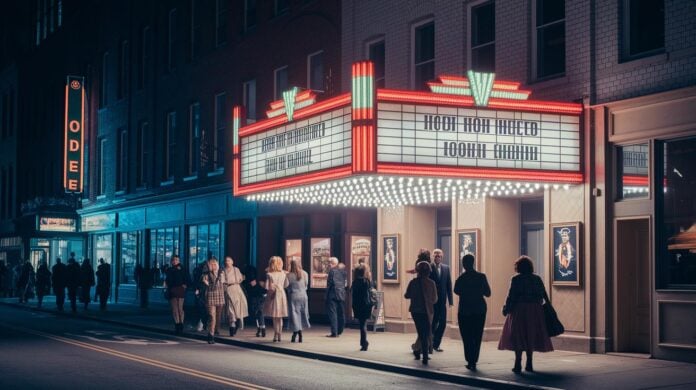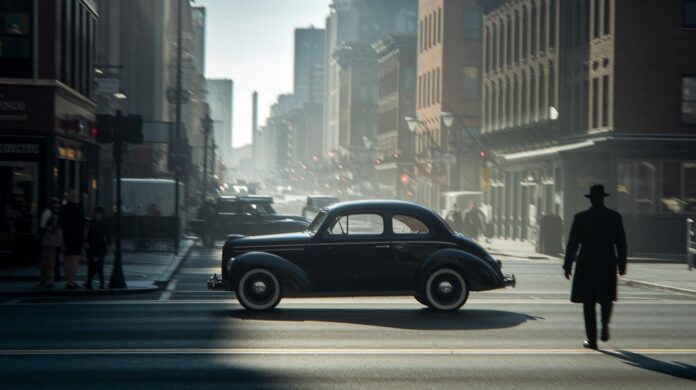

Ever wonder why retro films still capture our hearts? Retro drama reels you in with its raw struggles and genuine emotions. Retro comedy entertains with clever, playful gags that catch you off guard. And retro sci-fi whisks you away to imaginative worlds filled with wild ideas and stunning visuals. Each style brings its own flavor that changes the way you see classic films. This post dives into what makes each retro genre a lasting piece of cinematic art.
Retro Film Genre Comparison Overview
Retro drama pulls you in with its realistic storytelling and genuine emotions like love and betrayal. It moves away from stiff, stage-like scenes to focus on rich, character-driven moments that make you feel right alongside the characters.
Retro comedy, on the other hand, uses clever setups and physical humor to get laughs. It spans from light, witty exchanges to darker, daring satire that keeps you on your toes with unexpected twists.
Retro sci-fi fascinates with futuristic ideas and tech wonders. It builds immersive worlds through epic space adventures and cautionary tales that challenge everyday thinking.
- Drama brings heartfelt realism and tough moral choices.
- Comedy makes you laugh with smart jokes and bold gags.
- Sci-Fi invites you into imaginative realms full of cutting-edge visuals.
| Genre | Narrative Focus | Visual Style | Iconic Example |
|---|---|---|---|
| Drama | Real emotions and moral challenges | Subtle, character-based shots | On the Waterfront |
| Comedy | Physical humor and clever satire | Exaggerated and lively visuals | Some Like It Hot |
| Sci-Fi | Futuristic ideas and epic adventures | Innovative, immersive effects | Star Wars |
Retro Genre Definitions & Characteristics

Films use genres to set the mood and build connections with viewers. When you know what to expect from a genre, it helps both the filmmaker and the audience. For example, think of a quiet moment where a character's hidden struggle says more than words ever could.
Drama
Drama zooms in on inner conflicts and deep character changes. It sticks to real-sounding dialogue and tackles issues like loss and hard choices. Picture a character wrestling silently with a tough decision; every little word feels important, much like a simple chat that carries a lifetime of feeling. Drama prefers small, careful moments to big flashy scenes. The camera might focus on a tired face or a shaking hand, letting you see every tiny detail. One scene might show a soft lamp light falling on a tear-streaked face, hinting at deep, unspoken sorrow.
Comedy
Comedy works with perfect timing and quirky, over-the-top scenes to bring out laughs. It builds its story by putting characters in odd situations and poking fun at everyday habits. Imagine a calm street that suddenly turns into a parade of funny mishaps meant to make you chuckle. In comedy, physical jokes and snappy dialogue keep everything light and fun. A quick change in expression or an unexpected prop can flip a serious moment into pure humor. Consider how a slip on a banana peel can turn an ordinary scene into a burst of laughter, perfectly showing off the playful side of comedy.
Sci-Fi
Sci-fi fuels the imagination with futuristic looks and clever special effects. Its stories often focus on creating whole new worlds where science challenges what we know. Picture a universe where advanced technology steers human destiny and every scene bursts with new ideas. Sci-fi is all about vivid visuals, a mix of bright colors, shiny metal details, and creative costumes that bring tomorrow to life. One might say, "Glowing cities and floating vehicles draw a picture of a future that pushes you to dream bigger."
Historical Evolution of Retro Drama, Comedy & Sci-Fi
From the 1920s to the 1970s, film genres like drama, comedy, and sci-fi changed a lot thanks to new technology and shifting cultural moods. In the 1920s, movies introduced sound with synchronized talkies, giving early stories a fresh, emotional edge. The 1940s brought magnetic tape editing that helped filmmakers craft detailed audio scenes and boost the mood in both intense dramas and film noir. By the 1950s, multitrack recording came along to enhance musical scores and even tweak the comic feel in films. The 1960s reflected the energy of youth and social change with fun beach scenes and rebel storylines. In the 1970s, the rise of surround sound powered sci-fi films into creating deep, immersive audio experiences seen in classics like Star Wars (1977).
- 1920s – Talkies with synchronized sound gave early dramas and comedies a unique voice.
- 1940s – Magnetic tape editing shaped clear sound scenes and heightened moods.
- 1950s – Multitrack recording upgraded film scores and shifted the overall tone.
- 1960s – Youth culture sparked fun and rebellious themes in movies.
- 1970s – Surround sound transformed sci-fi with fully immersive audio.
| Decade | Innovation | Genre Impact |
|---|---|---|
| 1920s | Talkies with synchronized sound | Gave early drama and comedy a unique voice |
| 1940s | Magnetic tape editing | Crafted precise audio scenes to boost mood |
| 1950s | Multitrack recording | Enhanced film scores and shifted tonal energy |
| 1960s | Youth culture influence | Reflected social change with fun and rebel themes |
| 1970s | Surround sound | Elevated sci-fi with deep, immersive audio |
Stylistic & Narrative Elements Across Retro Genres
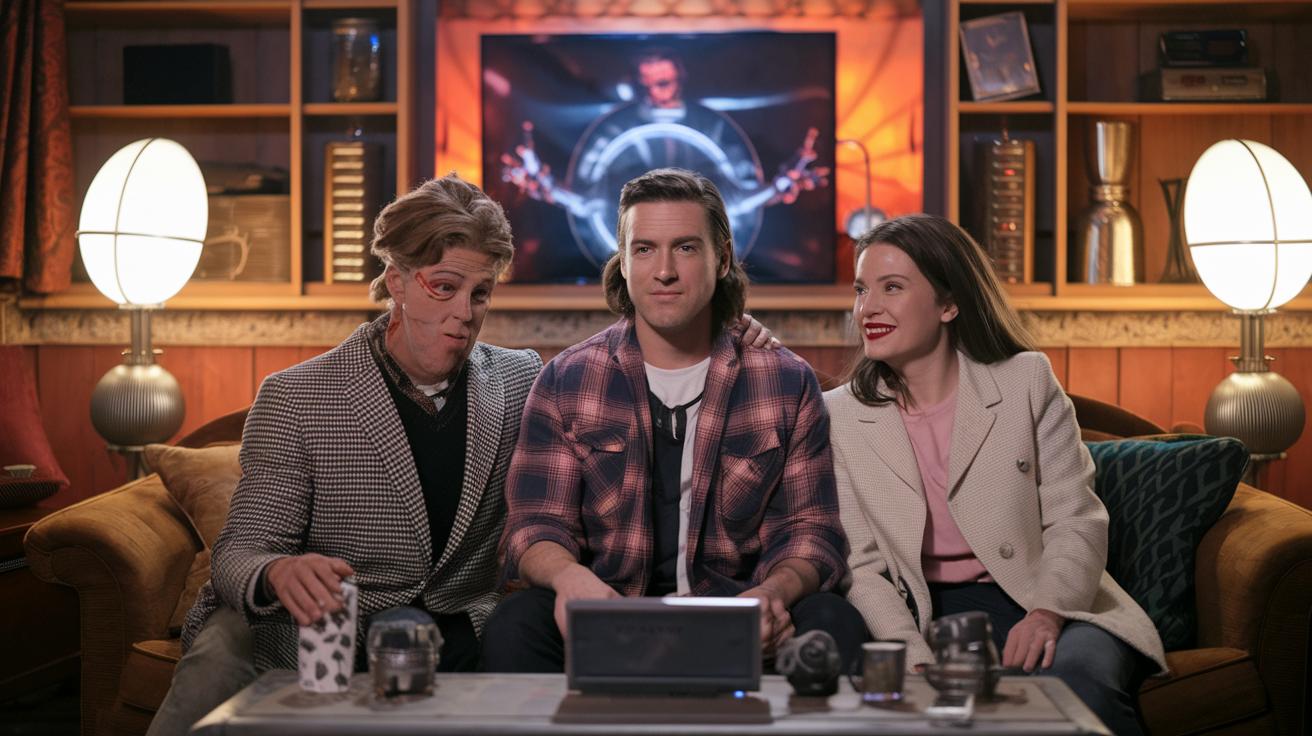
Retro drama, comedy, and sci-fi each tell their story in a unique way. Retro drama focuses on deep characters and real, natural dialogue that draws you into quiet, heartfelt moments. The story moves slowly, letting you feel every bit of personal struggle and moral conflict. In retro comedy, quick one-liners and playful physical jokes change the mood in an instant. Its fun dialogue and brisk pacing keep you laughing, turning simple scenes into moments of comic fun. Retro sci-fi mixes tech-savvy talk with imaginative plots, taking everyday ideas and pushing them into a futuristic, sometimes surprising, journey.
Each genre also uses lighting and effects to enhance its feel. Retro drama usually relies on soft, directed lighting that highlights a character’s inner world. Retro comedy opts for bright, even lighting that matches its lively energy. Retro sci-fi features colored gels and metallic tones, using visual tricks to create an alien and futuristic look.
- Pacing: Drama unfolds slowly to dig deep; comedy moves fast with sharp scene changes; sci-fi uses sudden bursts to build tension.
- Symbolism: Drama shows subtle hints in the visuals; comedy uses exaggerated images to spark a laugh; sci-fi leans into futuristic symbols.
- Dialogue Style: Drama offers natural, flowing talk; comedy favors witty, punchy exchanges; sci-fi presents clipped, tech-influenced lines.
Iconic Retro Film Examples by Genre
These classic films bring back the vintage charm and creative spirit of retro movies. In drama, films like Casablanca (1942) and On the Waterfront (1954) show deep feelings and timeless storytelling about real struggles and rich cultures. Retro comedy shines in movies such as Some Like It Hot (1959) and Airplane! (1980), where witty jokes and memorable gags still spark laughter today. In the sci-fi arena, Star Wars: A New Hope (1977) and Dune (1984) use bold special effects and imaginative worlds to captivate viewers. Each film sets a high standard in its genre and stands as a nostalgic treasure that displays a unique style and vivid storytelling from an earlier era.
| Genre | Title | Year | Impact |
|---|---|---|---|
| Drama | Casablanca | 1942 | Timeless romance and moral depth |
| Drama | On the Waterfront | 1954 | Raw emotion and social commentary |
| Comedy | Some Like It Hot | 1959 | Clever humor and iconic performances |
| Comedy | Airplane! | 1980 | Unpredictable gags and satire |
| Sci-Fi | Star Wars: A New Hope | 1977 | Revolutionary world-building and effects |
| Sci-Fi | Dune (1984) | 1984 | Innovative visuals and epic storytelling |
Legacy & Modern Reinterpretation of Retro Genres

Retro dramas focus on personal struggles and character depth, and these traits still light a spark in today's indie filmmakers. They borrow classic ideas like deep inner conflict and tight dialogue to craft stories that feel real and hit hard. Old-school comedic timing now shapes witty modern satire and smart genre mixes that make us laugh while making us think. Vintage sci-fi, with its bold world-building and striking visuals, set the stage for today’s CGI-driven blockbusters that blend old charm with digital finesse.
Restoration and archival projects are breathing new life into classic films, keeping them important on streaming services and at film festivals. Modern directors mix timeless techniques with fresh ideas to recreate familiar styles in surprising ways. This approach leads to:
- Modern homages that echo key retro moments while updating them for today’s audiences.
- Techniques that fuse classic storytelling with new digital effects.
- Projects that preserve and restore classic films for a new generation to enjoy.
Final Words
In the action of retro filmmaking, this article explored how drama, comedy, and sci-fi carved their own paths.
We broke down each genre’s narrative flair, emotional beats, and visual styles.
The review highlighted classic narrative comparison, old-school cinematic inquiry, and a retro chronicle inspection that still sparks discussion today.
This comparison of retro film genres: drama, comedy, and sci-fi shows that timeless approaches can still inspire modern viewing choices.
Keep an open mind, and enjoy the blend of nostalgia and fresh perspectives.
FAQ
Comparison of retro film genres drama, comedy, and sci-fi essay
The retro film genres essay examines drama’s emotional depth, comedy’s clever humor, and sci-fi’s imaginative settings by comparing their narrative focus and stylistic traits to offer a clear, side-by-side view of each genre’s unique appeal.
What movie genres exist with examples and classifications?
The movie genres overview covers categories like drama, comedy, sci-fi, and action. For instance, Casablanca exemplifies drama, Some Like It Hot highlights comedy, and Star Wars represents sci-fi, with genres often sorted alphabetically or by subtypes.
How can you differentiate between basic movie types and genres?
The differentiation between basic movie types relies on comparing tone, narrative style, and visual presentation. Each genre exhibits distinct storytelling methods, helping viewers spot subtle shifts in character focus and cinematic design.
What are the top-rated and super movie genres classifications?
The top-rated genres typically include drama, comedy, action, thriller, romance, sci-fi, and horror. Super genre classifications combine these styles into broader groups that capture the essential elements and audience expectations of each film type.