
Ever wonder what secret magic makes old films so captivating? Vintage editing brings history and art together with every flicker and scratch. Modern filmmakers borrow these old tricks to layer on grain, noise, and soft light leaks that make each scene feel alive. In this post, we uncover how these intentional imperfections set the mood and keep you glued to the screen. We examine how the mix of old textures and timeless details lets every frame whisper a story from a bygone era, turning vintage editing into both a nod to the past and a fresh way of storytelling.
Foundations of Vintage Reels Editing Style Analysis
Vintage editing is a craft that revives the look of early films. It uses small flaws, like a soft flicker or a textured scratch, to add character and warmth, reminding us that imperfections can tell a story. Editors lean on techniques such as black and white or tinted filters to give every frame a true sense of history, much like the art of cutting a film to shape its story.
| Element | Description |
|---|---|
| Film grain | Simulates the texture of classic film stock |
| Noise | Adds depth that recalls early shooting methods |
| Mechanical flicker | Shows natural glitches from old projectors |
| Textured scratches | Mimics the wear seen on aged reels |
| Light leaks/film burns | Provides dramatic transitions and visual punctuation |
| Vintage titles/tints | Evokes the style of silent-era storytelling |
Mixing these elements gives the viewer an experience that feels both raw and thoughtfully arranged. The balance of grain, noise, and flicker keeps the image clear while celebrating its history. By pairing these textures with classic titles and careful framing, vintage editing creates a timeless atmosphere that speaks directly to the heart and eyes.
Vintage Reels Editing: Key Aesthetic Elements

Vintage editing gives modern footage an old-school feel that pays tribute to early cinema. Using careful visual touches, it captures the imperfect yet charming look of classic movie reels, inviting viewers to experience a piece of film history.
Film Grain & Noise Overlays
Grain and noise overlays mimic the texture of traditional film. Editors choose just the right amount to add a natural feel without taking over the image. A light sprinkle of grain can make a frame look like a timeless photograph, while a heavier layer recalls the faded quality of older prints. This careful balance fills each shot with warmth and nostalgic charm.
Mechanical Artifacts
Flicker and jitter are used to recreate the small flaws you might see in old projectors. These tiny shifts and stutters give footage an organic look that feels unpolished and genuine. Even a slight movement or lag can remind you of the analog days, where every reel had its own unique story.
Textured and Framing Effects
Scratches, dust specks, and soft borders add a tactile element that frames each scene like a piece of vintage art. Vignettes help focus attention in the center of the frame while borders boost the classic, theatrical vibe. These effects honor the physical imperfections of old film while keeping the image clear and engaging.
Signature Transitions and Montage Practices in Vintage Reels
Early films used visual transitions to do more than just link scenes. Directors relied on wipes and film burns to guide viewers through the story, making cuts feel both planned and spontaneous. These simple techniques recalled the magic of silent shorts, where every edit carried weight and meaning. In each case, the switch from one shot to the next served as its own little narrative moment, keeping the flow smooth and the rustic charm intact.
Layering transitions like light leaks and dissolves added a fresh twist to the storytelling. Light leaks flashed bright bursts on the screen, almost like a surprise from an old projector, while dissolves and fades gently bridged moments filled with emotion. Vintage title cards and intertitles teamed up with these effects to channel the unique style of that era. Altogether, these methods created a montage that not only connected scenes but also enriched the viewer’s overall experience.
| Transition Type | Period Function |
|---|---|
| Wipe | Quick scene shift common in silent films |
| Film Burn | A dramatic segue or closure seen in old trailers |
| Light Leak | A bright flash that mimics old projector quirks |
| Dissolve | A soft, smooth bridge linking shots using simple optics |
Comparative Analysis: Analog Versus Digital Vintage Style Editing

Old-school film editing used real, physical methods to give each scene a special touch. Editors cut film by hand, working with natural grain and the quirks of old projectors, like flicker and jitter, to achieve a genuine, gritty look. Every cut shows its age, making the film feel raw and tangible. In fact, early film editors even turned mistakes into a unique storytelling style.
Now, digital tools for vintage effects use smart AI filters and a huge library of creative assets. Apps like Filmora let you add layers of grain, scratches, and neat transitions that mimic the classic look without forcing your footage into black and white or losing detail. You can give any video a retro vibe while keeping modern clarity. Learn more about digital editing at "understanding film editing: how cuts shape storytelling" (https://reviewstrends.com?p=966).
Digital editing isn’t without its challenges. Adding many overlays can slow down render times, so creators often preview their work in a lower quality before the final export. Balancing the warmth of an analog look with the clean finish of digital editing can be tricky. Still, by weighing these factors, editors can craft a nostalgic film look that respects the past while taking advantage of modern tools.
Case Study: Dissecting a Classic Reel Sequence
This classic reel sequence brings an old-time charm to life. It mixes silent-era storytelling with modern editing to create a unique feel. The show opens with vintage title cards and intertitles that help guide you through the scene, much like films from the early days. The footage is displayed in a 4:3 format with black bars, instantly taking you back in time. Soft tint filters add gentle earth tones like subtle yellows, warm reds, and soft oranges, echoing the look of old celluloid. Meanwhile, carefully layered grain and dust overlays keep the image clear while giving each frame a handcrafted touch.
Narrative Structure and Cut Timing
The sequence sets a steady pace by varying the length of each shot to match different moments in the story. Quick, sharp cuts boost moments of tension, while lingering wide shots allow the silent dialogue to feel natural. It reminds you of early cinema, where every cut had a purpose and each pause let you savor the details. In some scenes, one long take reveals hidden layers of emotion in the background, much like a theater performance where every glance tells its own story.
Visual Effects and Texture Application
Visual effects play a key role in building the vintage look. Subtle film grain overlays add a classic texture, and tint adjustments fine-tune the color palette to match warm, bygone hues. Digital dust and scratch effects give the impression that the reel has withstood decades of wear. Borders and soft vignettes frame the action, focusing your attention on the center of the scene in a style reminiscent of early 20th-century cinema. Each effect is added with care, turning modern footage into a respectful nod to the early days of film.
Legacy Influence of Vintage Reels Editing on Modern Cinema
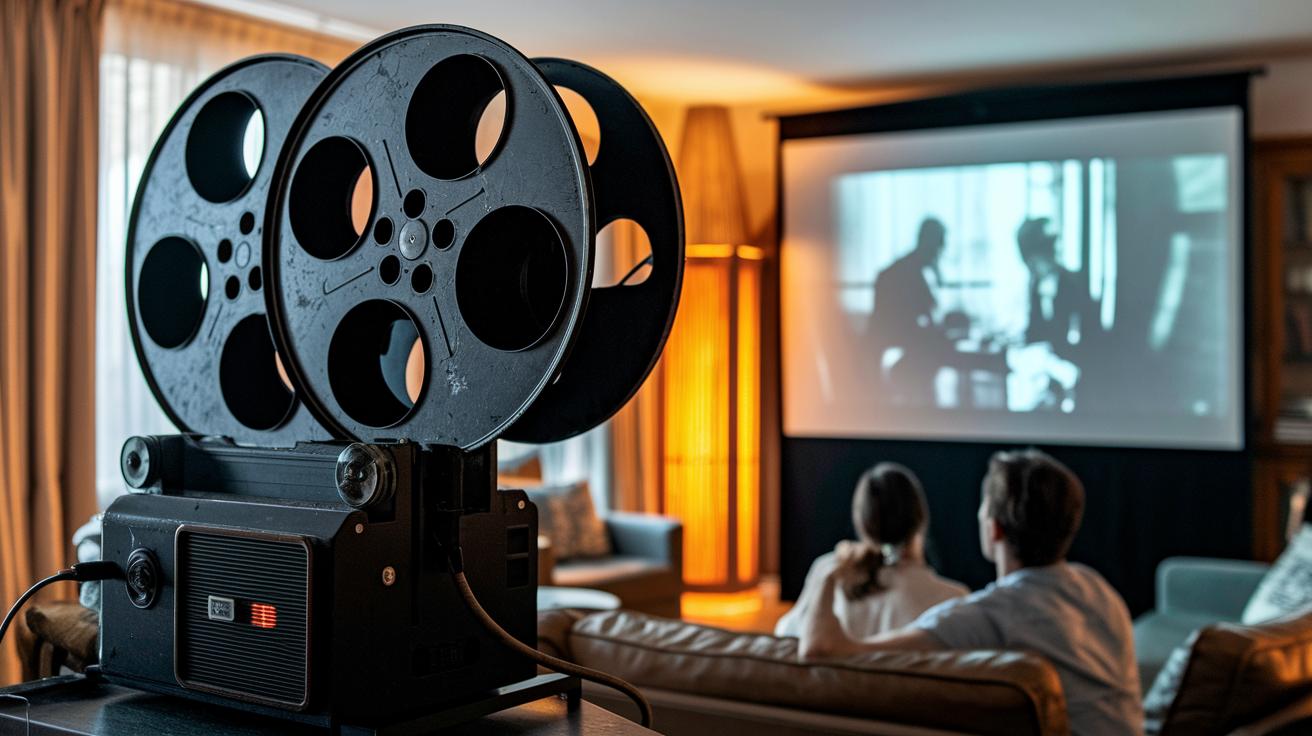
Old-school film editing hits you right in the heart, inviting you to feel the magic of early movies all over again. The grainy look, little scratches, and flickering images remind us of classic reels and spark a warm, personal memory that everyone can share. This technique not only honors the art of early cinema but also deepens the emotional punch in every scene, even when paired with today’s footage.
Even now, modern media borrows these analog tricks to create a cozy vibe. Commercials, music videos, and indie films often use retro filters and vintage titles to bring warmth and honesty to their work. By mixing these old styles with the precision of digital tech, creators deliver visuals that feel both familiar and fresh, connecting different generations of film lovers.
This lasting impact goes beyond just a cool look. It sets up an ongoing chat between past film methods and new digital ideas. As technology evolves and editing tools open up fresh creative paths, vintage film touches keep pushing filmmakers to add nostalgia and heart to their stories, a classic appeal that will continue to inspire for years to come.
Final Words
In the action, we unpacked the building blocks of classic film editing, from film grain and textured overlays to creative transitions and analog vs. digital techniques. We broke down each element and showed how they shape silent-era storytelling as well as modern re-creations. This analysis provides clear insight for anyone curious about vintage reels editing style analysis. The blend of technical breakdown and real-world case study leaves you with fresh ideas. Enjoy exploring the charm of these timeless editing techniques and let them spice up your viewing experience.
FAQ
Vintage reels editing style analysis reddit
Vintage reels editing style analysis on Reddit shows users discussing how natural film grain, mechanical flicker, and textured overlays recreate an authentic retro look. This analysis reflects community interest in emulating classic film aesthetics.
Instagram vintage reels editing style analysis
Instagram vintage reels editing style analysis emphasizes the use of light leaks, flicker effects, and color tints that evoke a nostalgic, retro vibe. This style appeals to users looking for a classic, film-like appearance.
Editing techniques in film
Editing techniques in film involve methods like cutting, dissolving, and using graphic match cuts to shape the narrative. These techniques help control pacing, build tension, and enhance storytelling clarity.
Kuleshov Effect
The Kuleshov Effect demonstrates how viewers derive meaning from a sequence of shots. It shows that the context provided by editing alters audience perception of an actor’s expression or emotion.
Graphic match cut
A graphic match cut connects two different scenes through similar shapes or compositions in the visuals. This method creates a smooth transition that links ideas and reinforces storytelling continuity.
Vintage video effect
A vintage video effect applies filters, grain, and color shifts that mimic old film stock. This effect gives modern footage a warm, nostalgic feeling reminiscent of early cinema styles.
Editing cuts
Editing cuts refer to the process of splicing scenes together to control pacing and narrative flow. These cuts are essential for guiding viewers through the story with clarity and rhythm.
Types of video edits
Types of video edits include hard cuts, dissolves, wipes, and match cuts. Each edit type influences the transition and flow of scenes, contributing to the overall storytelling style.
What is the 321 rule of editing?
The 321 rule of editing guides editors to time cuts effectively by grouping shots into sequences that enhance pacing and focus. This technique helps create dynamic rhythm in visual storytelling.
What is the 80 20 rule in video editing?
The 80 20 rule in video editing suggests that 80% of a film’s impact comes from 20% of its shots. This approach encourages focusing on key scenes that carry the narrative’s emotional weight.
How to edit videos like vintage?
To edit videos like vintage films, add film grain, subtle flickers, and color tints to mimic old film aesthetics. Such techniques recreate the look of aged reels, offering a nostalgic viewing experience.
What are the four types of editing?
The four types of editing often include narrative editing, montage editing, parallel editing, and jump cuts. Each type plays a unique role in establishing the story’s pace and visual rhythm.