
Have you ever noticed a film name its almost-finished scene "Abby Singer"? Movies use a unique language that can feel like a secret code at first. This guide explains common film terms that show you how scenes are built. It covers everything from unusual camera angles to smooth cuts (transitions). Learn these words and your movie chats will feel clear and exciting, not confusing.
Film Jargon Essentials for Beginners
Learning film terms can quickly help you join in on set conversations and feel more confident about how movies get made. Knowing phrases like "abby singer shot" (the second-to-last shot that signals the day's end) shows you that these words are not random, they are keys to understanding the creative process.
When you grasp these terms, cast readings and behind-the-scenes meetings become less intimidating. That tough call sheet turns into clear instructions. I remember struggling with my first call sheet until learning a few key words made all the difference.
- Abby Singer Shot: The second-to-last shot of the day that signals a scene is almost wrapped.
- Above the Line: Major creative costs like the director and main actors.
- Aerial Shot: A top-down view that sets the scene.
- Dutch Angle: A tilted camera view that builds tension in a scene.
- High/Low Angle Shot: Camera views from above or below a subject to show power or vulnerability.
- Depth of Field: The part of a shot that is in sharp focus while the rest blurs.
- Montage: A quick series of shots that shows time passing or raises emotion.
- Jump Cut: A sudden time jump in a scene that can change its pace.
- L-Cut: Audio from one shot carries into the next, creating a smooth transition.
- MacGuffin: A prop or item that drives the plot even though it isn’t important on its own.
For more details, dive into our guides on Camera & Framing, Editing, Sound & Post-Production, and On-Set & Crew.
In-Depth Camera & Framing Terms
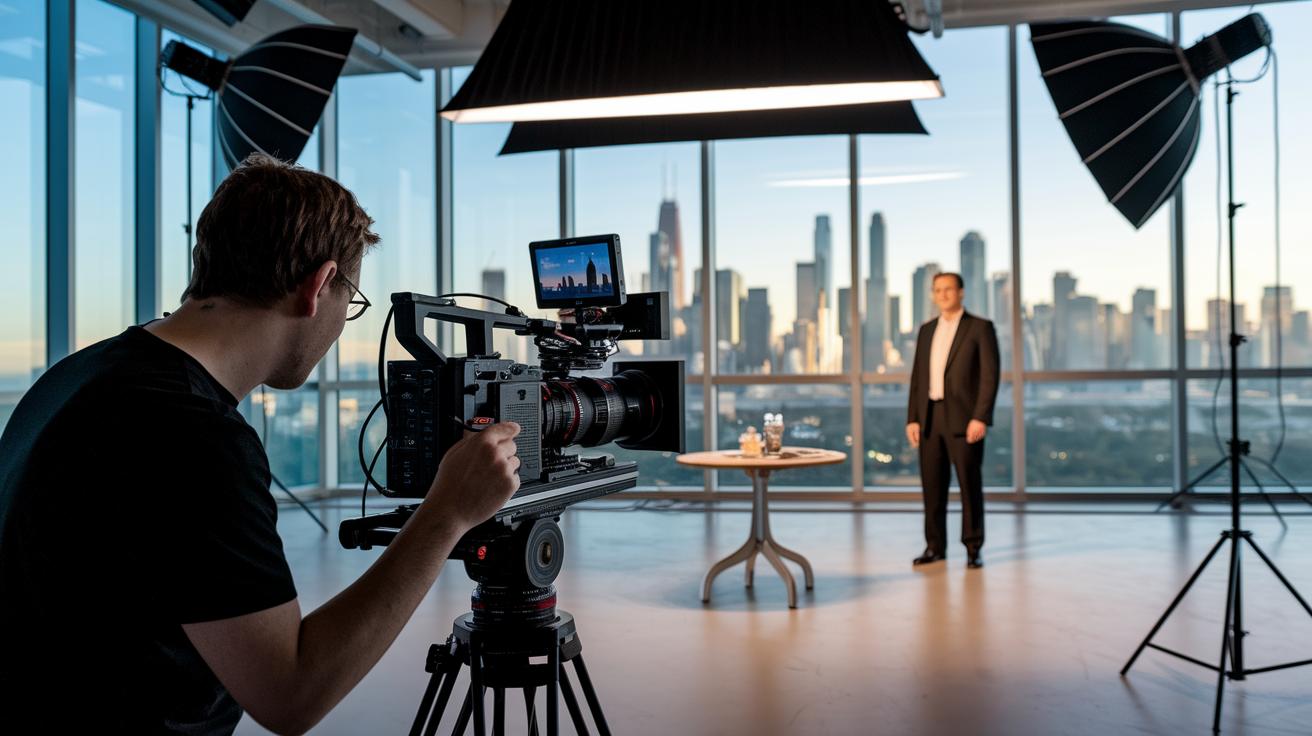
Our guide dives into camera work and framing. Each term helps show how filmmakers build a scene. An aerial shot gives an overhead view that sets the stage. The Dutch Angle tilts the shot to add tension. Pan and tilt describe smooth horizontal and vertical moves that follow the action or reveal more of the setting. A tracking shot follows a subject steadily, drawing you into the moment. Close-ups capture a character's expressions in detail, while wide shots show the bigger picture. Over-the-shoulder shots let you see a conversation from one character's perspective.
Camera settings like aperture and shutter speed control light and movement, setting the mood for each moment. Rack focus shifts attention between subjects when something important happens. Aspect ratio (the relationship between width and height) changes how we feel about the scene. A wider ratio can evoke a grand, cinematic look, and a narrower one gives a more intimate feel. These choices help directors tell their story one frame at a time.
Editing Terms Explained
Editing turns raw video into a clear, flowing story. It starts with the assembly cut, where every scene is laid out in order using the best takes. This first step builds the basic narrative. Later, the editor refines the work by rearranging and trimming clips. They then use techniques like cross-cutting (switching between different scenes) and dissolves (soft fades) to create smoother transitions. These methods form the heart of the editing process.
Cross-cutting links different scenes to build tension by showing parallel actions at the same time. A jump cut is a quick shift from one reaction or moment to another without a pause. With an L-Cut, the sound (like dialogue or music) carries over into the next shot, easing the switch between scenes. A montage rapidly pieces together short moments to show time passing and boost emotion, while keeping the story clear. These edits guide the film's pace and overall feel.
Each editing technique helps shape the film's rhythm and mood. The assembly cut lays down the raw structure at a standard 24 fps (frames per second), capturing natural movement. Cross-cutting weaves together separate storylines to grab your interest. Techniques like jump cuts and dissolves adjust the mood, and L-Cuts with montages smooth out transitions so you can feel the flow of time and connect with each scene.
Sound & Post-Production Terms
In movies, sound comes in two clear types: diegetic sounds and non-diegetic sounds. Diegetic sounds are those you hear on screen, like conversations and ambient noises that the characters experience. Non-diegetic sounds, such as background music, boost the mood without being part of the scene's world.
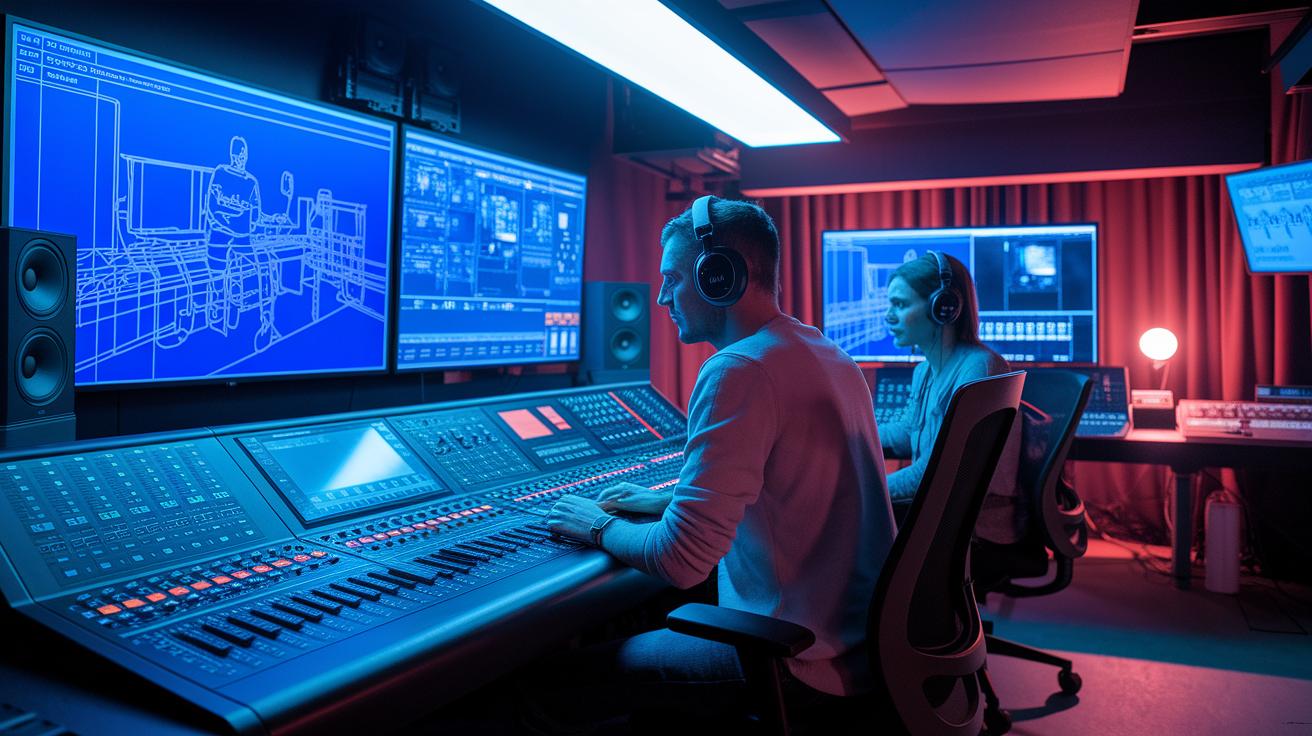
A Foley artist creates sound effects that match the on-screen action. For example, footsteps or the rustling of fabric are often recorded separately and added later. ADR (which stands for Automated Dialogue Replacement) is used when actors re-record lines in a studio to replace weak original recordings. Sound mixing uses a mixing console to balance dialogue, music, and effects so that each element clearly supports the story.
The post-production work begins with capturing clear dialogue and background sounds. Editors then layer in additional audio, from Foley beats to the perfectly selected score, to create a smooth and engaging soundscape. During mixing, technicians carefully adjust the audio levels so that gentle music enhances quiet moments, while clear dialogue stands out during energetic scenes. This careful process makes each scene vivid and emotionally engaging.
On-Set & Crew Roles Clarified
On set, simple signals help everyone know what to do. For instance, when someone shouts MAKE THE DAY, it means the schedule is running smoothly. BACKGROUND tells extras to be ready just before "action," while a 10-1 call means someone on the radio is out of reach. LAST LOOKS reminds teams to do one final check before filming starts.
Showing up early and using correct titles sets a respectful tone for the day. Arriving at least 15 minutes ahead gives you time to look over the call sheet and learn proper names and roles. Using titles like First AD correctly shows respect and helps you make a good first impression.
Every crew role is important. The First AD runs the set, the Line Producer manages the schedule, the Art Director works on the film's visual style, and the Best Boy supports lighting and grips. Tools like the Apple Box, C-Stand, and Barn Doors are essential for technical setups. Budget terms like Above the Line (major creative costs) and Below the Line (production expenses) explain who handles what money-wise.
Knowing these terms makes communication clear and respectful, so the whole production runs smoother and stays enjoyable for everyone.
Final Words
in the action, this quick guide to film jargon takes you from basic lingo to more nuanced details. We broke down key terms and shot types, explored editing techniques and sound design, and clarified on-set roles. Each section offers bite-sized insights that help demystify film production speak. Whether you’re a beginner or looking to sharpen your knowledge, these tips keep you informed and ready for deeper exploration. Enjoy your next movie night with a smarter eye on the craft and plenty of fun ahead.
FAQ
What are some basic film terms and definitions?
The basic film terms include phrases like Abby Singer Shot (the second-to-last shot of the day) and Above the Line (costs for major creative personnel). They help newcomers understand film production discussions.
Where can I find a free film terminology PDF or quick guide to film jargon?
The free film terminology PDF and quick guide resources offer clear definitions and examples for beginners. They’re available online through educational sites and film forums to help you get started fast.
What film director terminology should I know?
Film director terminology includes terms such as Abby Singer Shot and Above the Line. These phrases help directors convey creative choices and manage production budgets efficiently.
What are some common film terms for camera shots?
Film terms for camera shots cover Aerial Shot (an overhead view), Dutch Angle (a tilted frame for tension), and high/low angle shots. These terms guide how scenes are framed and viewed.
What are essential film editing terms beginners should know?
Essential editing terms include Jump Cut (an abrupt time shift), Montage (a series of brief shots showing time passage), and L-Cut (where audio leads the picture). These terms shape narrative flow and pace.